Specializing in all kinds of custom tarpaulins Custom Tarpaulin Product Manufacturers

 русский
 Français
News
 Home / News / Industry News / How to Choose the Right PVC Open Top Container Tarpaulin for Your Cargo Needs?
  2026.01.08
 Industry News
Content
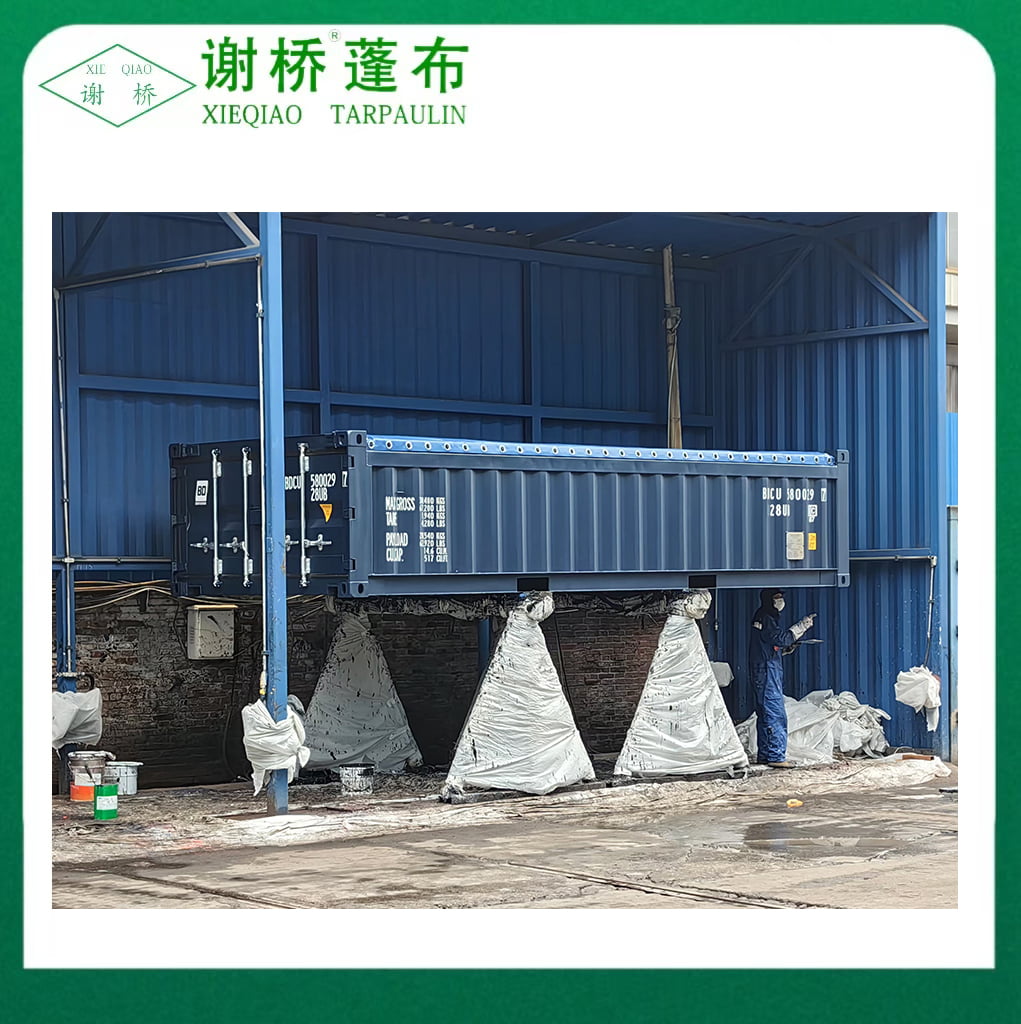
A PVC Open Top Container Tarpaulin is a specialized protective cover designed for open top shipping containers. Unlike standard closed containers, open top containers rely on tarpaulins to shield cargo from weather, dust, and debris during transport and storage. Choosing the right tarpaulin is critical because it directly affects cargo safety, compliance with transport regulations, and long-term operating costs.
PVC tarpaulins are widely used due to their strength, waterproof properties, and resistance to UV exposure. However, not all PVC open top container tarpaulins are the same. Differences in thickness, coating quality, reinforcement, and edge finishing can significantly impact performance in real-world logistics scenarios.
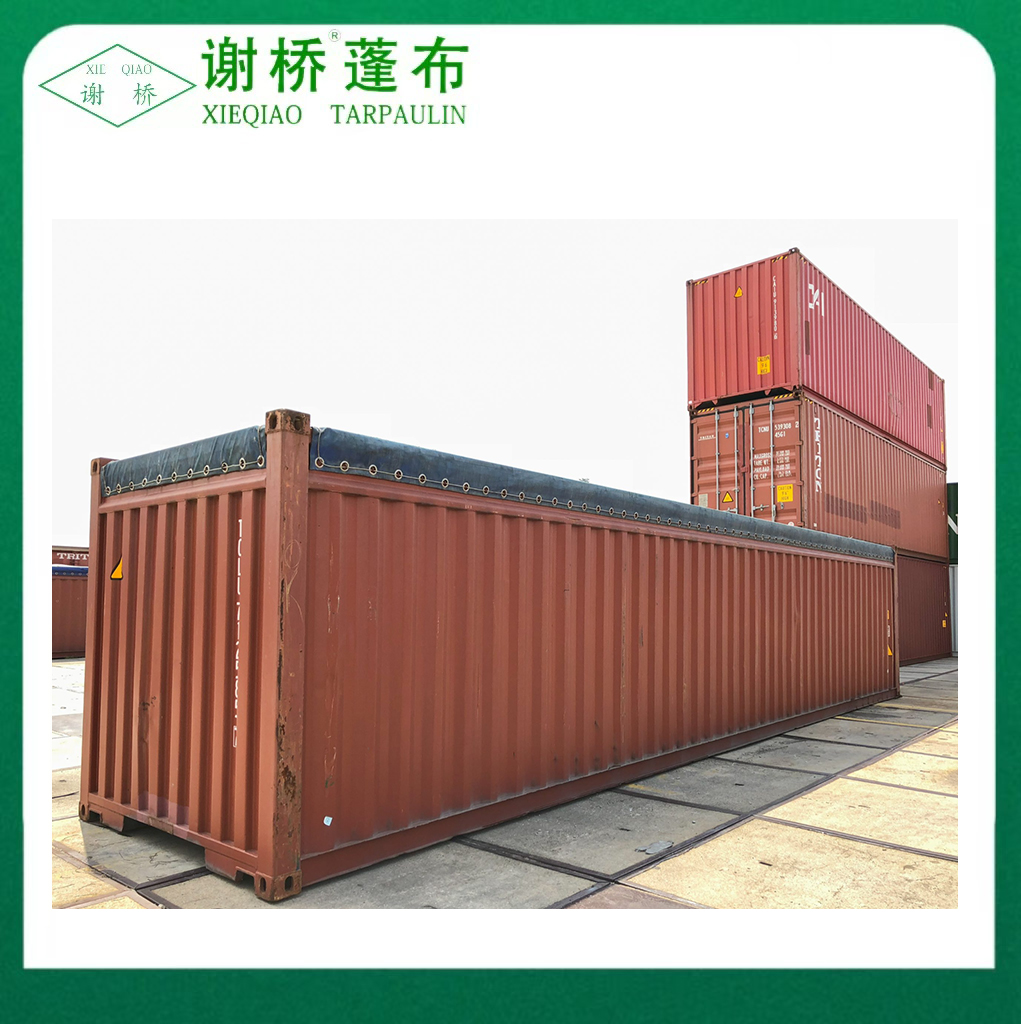
The first step in choosing the right PVC open top container tarpaulin is understanding the nature of your cargo. Cargo type determines the level of protection, flexibility, and durability required from the tarpaulin. Heavy, sharp-edged, or irregular cargo places very different demands on a cover compared to lightweight bulk goods.
For example, steel coils, machinery, and construction materials require high tensile strength and abrasion resistance, while agricultural products may prioritize waterproofing and breathability to prevent moisture buildup.
PVC open top container tarpaulins are typically made from polyester fabric coated with PVC on one or both sides. The material specification, usually expressed in grams per square meter (GSM), is a key indicator of strength and durability. Higher GSM generally means thicker and stronger material.
In addition to thickness, the quality of the PVC coating affects resistance to UV rays, chemicals, and temperature extremes. A high-quality coating ensures the tarpaulin remains flexible in cold conditions and does not become brittle or crack over time.
| PVC Weight (GSM) | Typical Use | Performance Level |
| 650–700 | Light to medium cargo | Standard protection |
| 750–900 | Heavy industrial cargo | High durability |
| 900+ | Extreme conditions | Maximum protection |
Proper sizing is essential for a PVC open top container tarpaulin to function effectively. A tarpaulin that is too small may leave gaps that allow water ingress, while an oversized cover can flap in transit, increasing wear and the risk of tearing.
Standard open top containers usually come in 20-foot and 40-foot sizes, but variations exist depending on manufacturer and design. Accurate measurement of container length, width, and bow height helps ensure a snug and secure fit.
While standard tarpaulins are readily available and cost-effective, custom-made PVC open top container tarpaulins offer advantages for specialized cargo or non-standard containers. Custom options allow for reinforced stress points, additional fastening systems, and precise dimensions that improve performance and service life.
Reinforcement details often determine how long a PVC open top container tarpaulin will last under repeated use. High-stress areas such as corners, edges, and eyelets are particularly vulnerable to tearing if not properly reinforced.
Look for features such as double-layer PVC edges, welded hems, and reinforced corner patches. These enhancements improve load distribution and reduce the likelihood of damage during tightening and transport.
Environmental exposure plays a major role in tarpaulin selection. PVC open top container tarpaulins used for international shipping may encounter intense sunlight, heavy rain, snow, salt spray, and temperature fluctuations.
UV-resistant coatings help prevent fading and material degradation, while anti-fungal and anti-mildew treatments are beneficial in humid or tropical climates. Cold-crack resistance is another important factor for routes involving low temperatures.
Ease of installation affects operational efficiency and worker safety. A well-designed PVC open top container tarpaulin should be easy to deploy, tension, and remove without excessive force or specialized tools.
Compatibility with existing container bows, ropes, or lashing systems ensures smooth handling. Poorly designed tarpaulins can slow loading operations and increase the risk of improper sealing.
While initial price is an important consideration, focusing solely on cost can lead to higher expenses over time. Low-quality PVC open top container tarpaulins may require frequent replacement due to tearing, coating failure, or UV damage.
Investing in a higher-quality tarpaulin with strong material specifications and reinforcement often reduces downtime, replacement frequency, and cargo risk, delivering better long-term value.
Choosing the right PVC open top container tarpaulin requires a practical evaluation of cargo type, material quality, size accuracy, reinforcement features, and environmental conditions. Each of these factors contributes to how well the tarpaulin performs during transport and storage.
By focusing on real operational requirements rather than generic specifications, you can select a PVC open top container tarpaulin that protects your cargo effectively, complies with logistics standards, and delivers reliable performance over its service life.
Recommended Products



 The Industrial Park of Wuqiao Town, Jiangdu District, Yangzhou City, Jiangsu Province, China.
  +86-15252561063
  +86-15252561063
  [email protected]