Specializing in all kinds of custom tarpaulins Custom Tarpaulin Product Manufacturers

 русский
 Français
News
 2025.11.19
 Industry News
Content
Waterproof tarpaulins are essential protective solutions for outdoor storage, construction sites, agricultural uses, and emergency situations. They shield equipment, goods, and temporary shelters from rain, snow, sun, and wind. However, not all tarpaulins are created equal, and their ability to withstand strong winds and harsh weather depends on material quality, construction design, and proper installation. This article explores the practical considerations, performance factors, and best practices to ensure maximum durability under extreme conditions.
Polyethylene tarpaulins are widely used due to their affordability, lightweight properties, and water resistance. High-density PE with UV stabilization improves durability under sunlight. Multi-layer laminated PE tarpaulins offer enhanced tear resistance and better protection against wind-driven rain. Despite their advantages, thin PE tarps may struggle in extremely high winds and require careful anchoring.
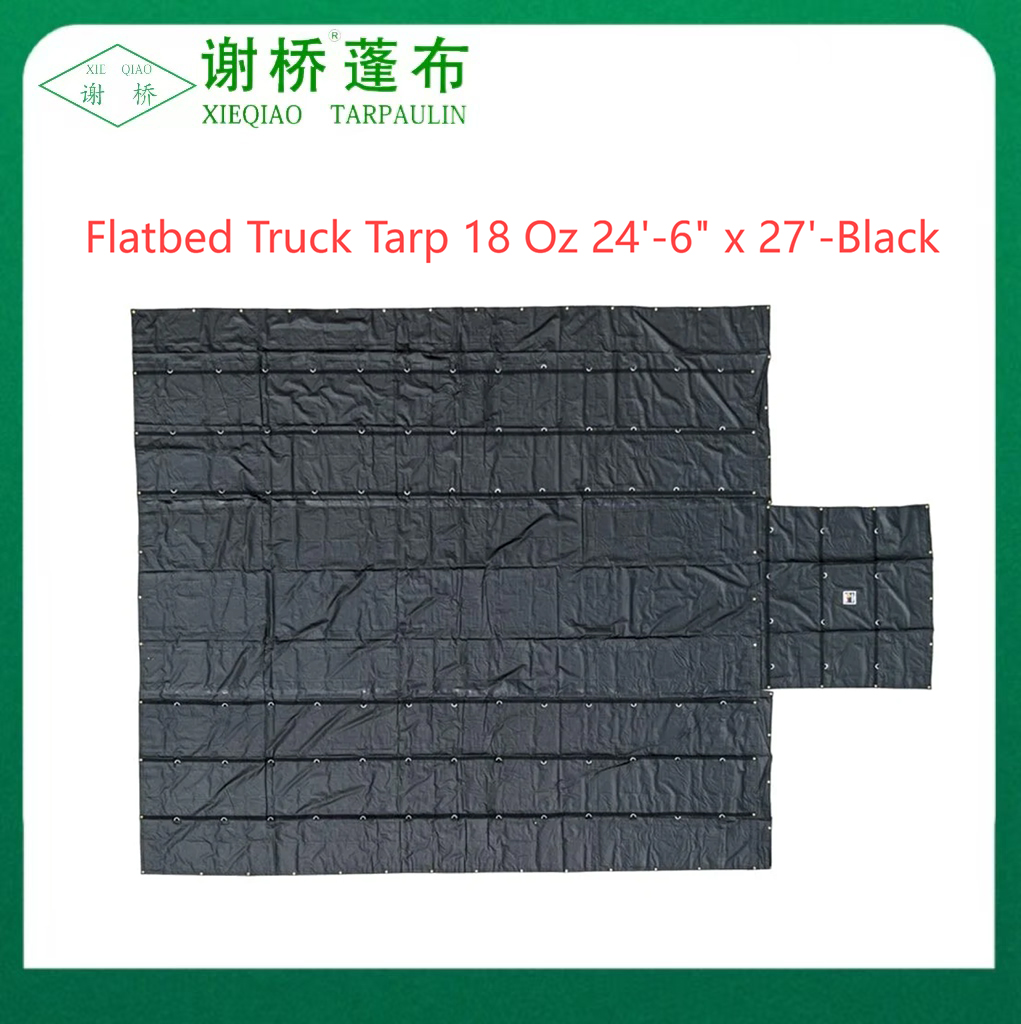
PVC-coated fabrics are stronger and more durable than standard PE tarps. The PVC layer provides excellent waterproofing, UV resistance, and resistance to abrasion and chemical exposure. Heavier PVC tarpaulins, ranging from 500gsm to 900gsm, are ideal for applications where wind and harsh weather are common. The flexibility and tensile strength of PVC-coated tarps make them suitable for long-term outdoor exposure.
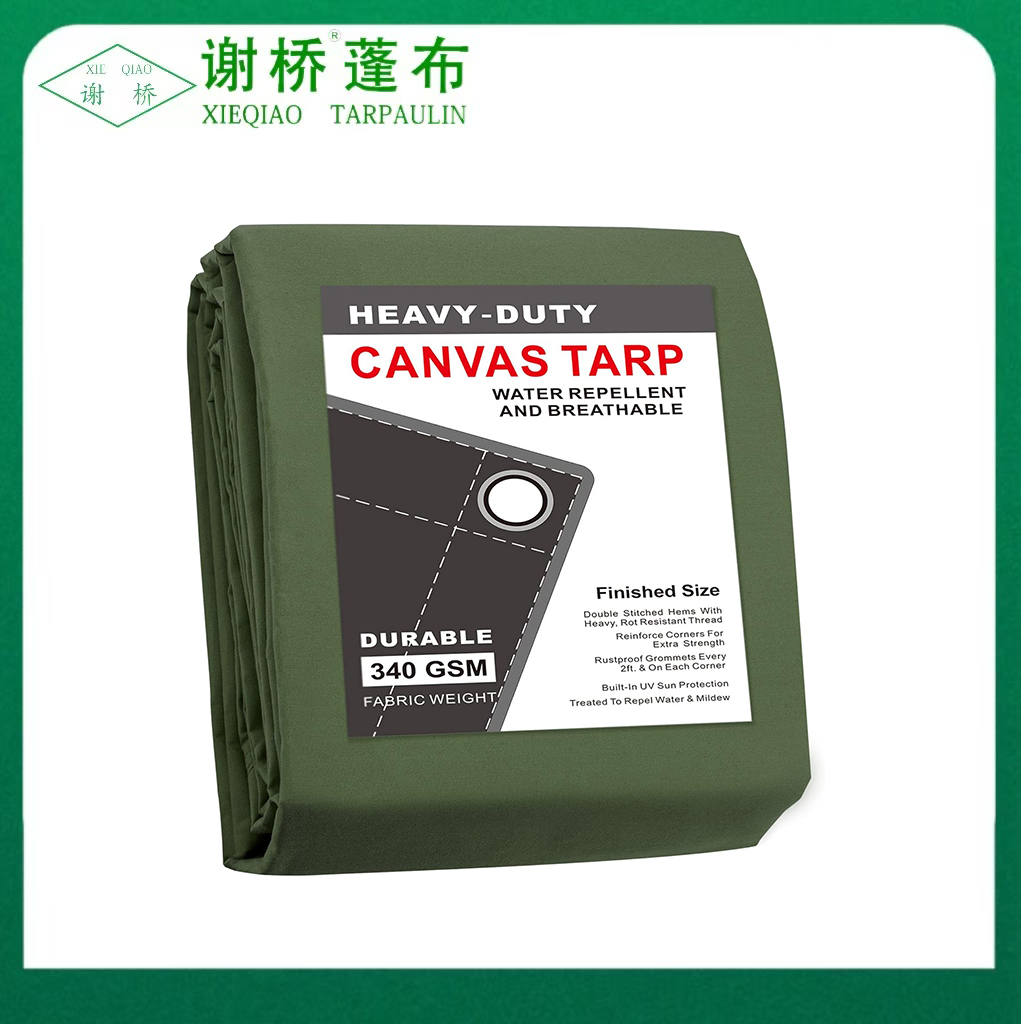
Canvas tarpaulins, often treated with waterproof coatings, are breathable yet water-resistant, making them suitable for agricultural and camping uses. Hybrid tarpaulins combine materials like PE and woven polyester or PVC for enhanced mechanical strength and wind resistance. Selection depends on balancing weight, flexibility, and durability according to environmental conditions.
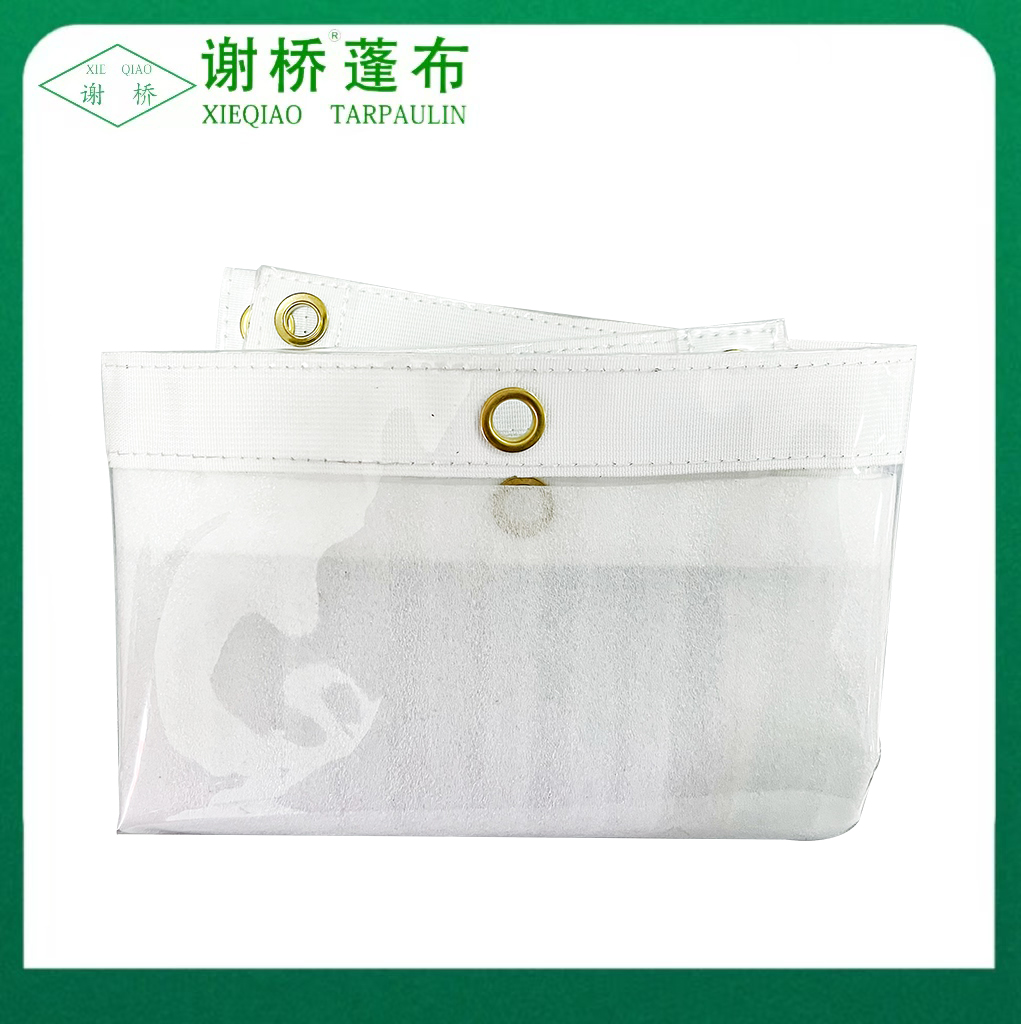
The ability to withstand strong winds is directly influenced by a tarpaulin’s tensile strength and tear resistance. Reinforced edges, corner grommets, and cross-laminated construction reduce the risk of ripping during gusts. Thicker fabrics with higher grams per square meter (gsm) ratings are less likely to fail under pressure.
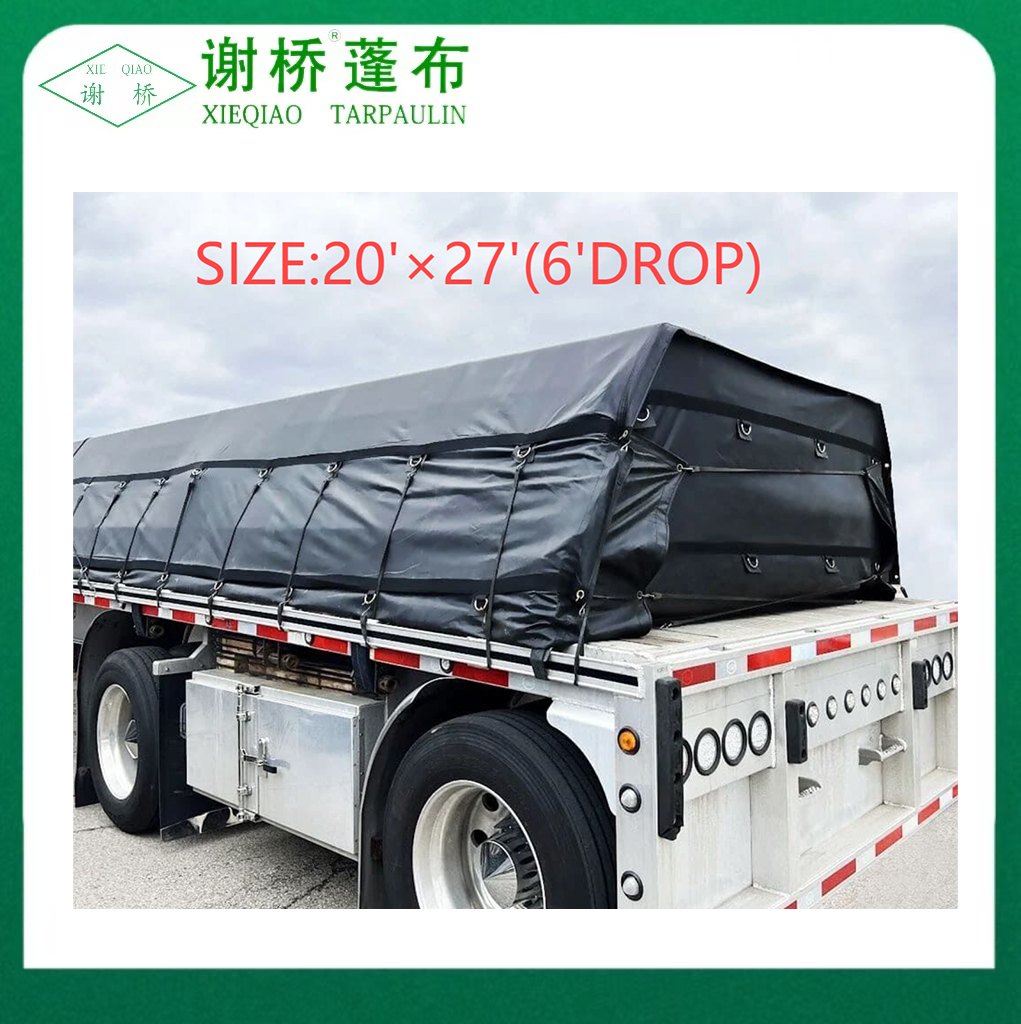
Even high-strength tarps will fail if not correctly anchored. Using bungee cords, tie-down straps, or ropes through reinforced grommets helps distribute wind load evenly. Tensioning the tarp to avoid flapping and securing all edges reduces stress points that cause tears. Anchoring points should be strong and stable, such as steel posts, heavy machinery, or ground stakes for temporary shelters.
The way a tarp is positioned affects wind resistance. Low, sloped, or taut surfaces reduce wind lift, while flat or loosely draped tarps catch wind like a sail. Designing coverage with aerodynamic considerations can greatly increase stability during storms.
Waterproof tarpaulins must prevent water penetration while supporting the weight of accumulated rain or snow. Reinforced and sloped installations allow water to run off, preventing pooling that can stress the fabric and grommets. PVC-coated and laminated PE tarps perform better in prolonged exposure to rain, while canvas tarps may need additional coatings for sustained waterproofing.
UV radiation can weaken many tarpaulin materials over time. High-quality tarps include UV stabilizers to prevent color fading, cracking, and loss of tensile strength. Regular inspection and replacement after prolonged sun exposure ensures reliability during extreme weather.
Wind creates dynamic forces that can lift or tear tarpaulins if not properly secured. Multi-reinforced edges, double-stitched hems, and strategically placed grommets help resist tearing. Anchoring at multiple points and maintaining consistent tension reduce the risk of flapping, which is the primary cause of wind-related damage.
Removing dirt, debris, and salt residue extends the life of waterproof tarpaulins. Use mild soap, water, and a soft brush to clean the surface. Avoid harsh chemicals that degrade coatings or fabrics. Thorough drying before storage prevents mold and mildew.
Frequent inspections for frayed edges, small tears, or grommet loosening allow early repairs. Reinforcing weak areas with tape or patch kits improves resilience in the next exposure. Timely maintenance prevents minor damage from becoming a complete failure during a storm.
When not in use, store tarpaulins in a dry, cool location. Fold without sharp creases to prevent weakening of fibers. Avoid prolonged exposure to direct sunlight, which accelerates material degradation even when not in use.
Heavier tarps with higher gsm provide better durability and wind resistance. Lightweight tarps are easier to handle but may not withstand strong gusts or long-term exposure. Assess environmental conditions and expected loads to select the appropriate weight.
Look for double-layer fabrics, reinforced hems, corner patches, and strategically placed grommets. These features enhance durability and reduce the likelihood of tearing during high winds.
A well-fitted tarp reduces flapping and water pooling. Measure the area accurately and select or customize the tarp to cover edges with minimal overhang. Excessive flapping increases wind stress and accelerates wear.
| Weather Factor | Recommended Tarpaulin Features | Installation Tips |
| Heavy Rain | PVC or laminated PE, reinforced seams | Slope installation to prevent pooling |
| High Wind | Heavy-duty, reinforced grommets, double hems | Secure multiple tie-down points, maintain tension |
| UV Exposure | UV-stabilized PE or PVC, colorfast coating | Store out of direct sun when idle |
| Snow Load | Heavy, flexible, reinforced tarpaulin | Slope and shake off accumulated snow regularly |
Waterproof tarpaulins can withstand strong winds and harsh weather if chosen and installed correctly. High-quality materials, reinforced construction, proper anchoring, and routine maintenance all contribute to long-term performance. By understanding the environmental factors and adopting best practices, you can protect valuable equipment, structures, and goods from the elements reliably and efficiently.
Recommended Products



 The Industrial Park of Wuqiao Town, Jiangdu District, Yangzhou City, Jiangsu Province, China.
  +86-15252561063
  +86-15252561063
  [email protected]