Specializing in all kinds of custom tarpaulins Custom Tarpaulin Product Manufacturers

 русский
 Français
News
 2026.01.22
 Industry News
Content
A PVC waterproof cover is a versatile protective solution used to shield outdoor furniture, equipment, machinery, and vehicles from rain, dust, UV rays, and dirt. Made from polyvinyl chloride (PVC), these covers offer excellent water resistance, strong tear resistance, and long-term durability. Compared with fabric covers, PVC covers provide more reliable protection in harsh environments and are easier to clean. This article explains what PVC waterproof covers are, their key benefits, how to choose the right one, and how to care for them properly.
A PVC waterproof cover is a sheet or protective layer made from PVC material that is designed to block water, moisture, and other external elements. The cover can be manufactured as a single-layer or multi-layer product, often reinforced with polyester mesh or fabric to improve strength and tear resistance. PVC is inherently waterproof, and the manufacturing process can add UV stabilizers, flame retardants, and anti-mold additives. This makes PVC covers suitable for long-term outdoor use.
PVC waterproof covers stand out for their excellent weather resistance and durability. The main features include waterproof performance, strong tensile strength, and resistance to aging. In addition, PVC covers are easy to maintain and can be customized in various colors, thicknesses, and sizes to match different needs. For many industrial and commercial applications, PVC covers are preferred because they can withstand harsh environments and heavy use.
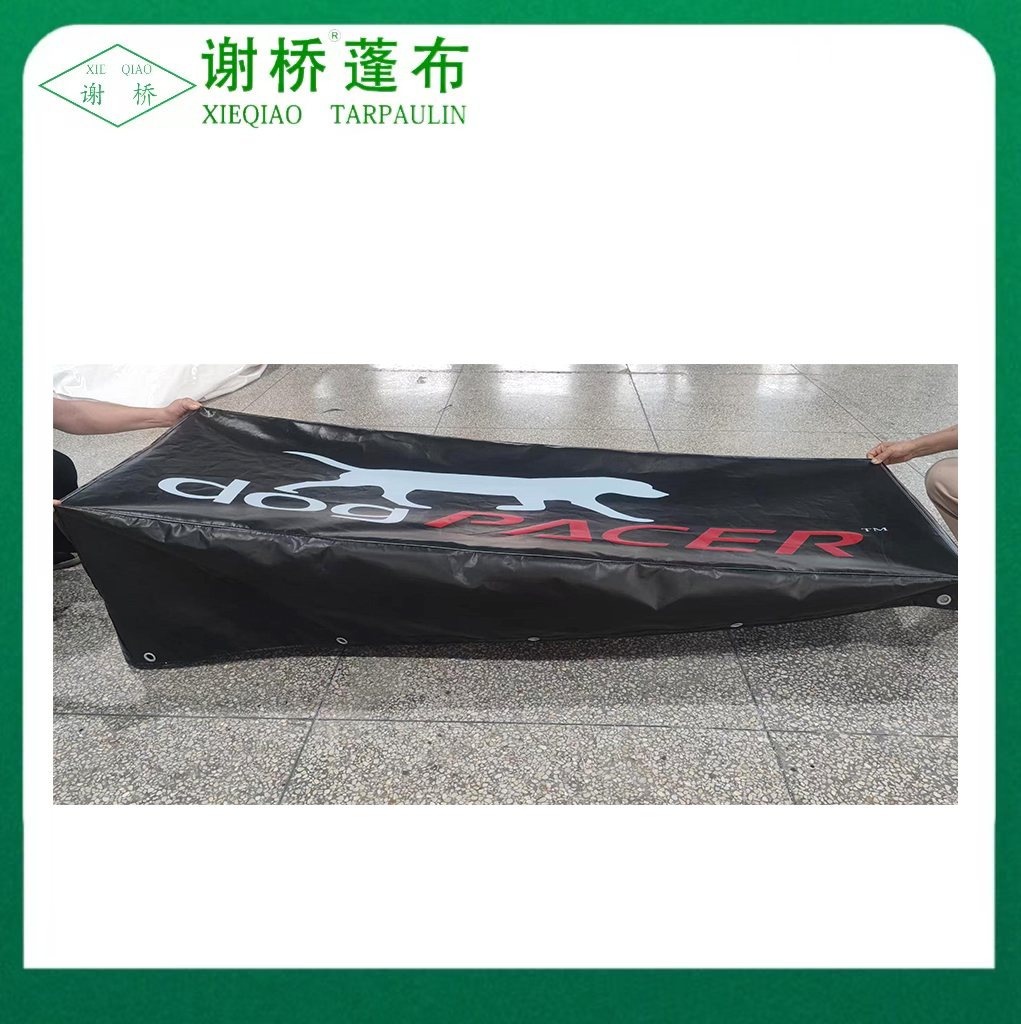
PVC material is non-porous, which prevents water from passing through. The seams can be heat-welded or sealed to ensure no leakage occurs at connection points. When the cover is used correctly, it can prevent rainwater, dew, and moisture from damaging the covered items.
Outdoor exposure often involves sunlight, wind, and temperature changes. PVC covers can be formulated with UV stabilizers to prevent fading and cracking. This extends the cover’s service life and keeps the covered items protected even in extreme weather conditions.
PVC covers are often reinforced with polyester fabric, which increases their tear resistance and overall strength. This is especially important for covers used on large equipment or areas where wind may cause strong pressure. Reinforced PVC covers can last several years without damage.
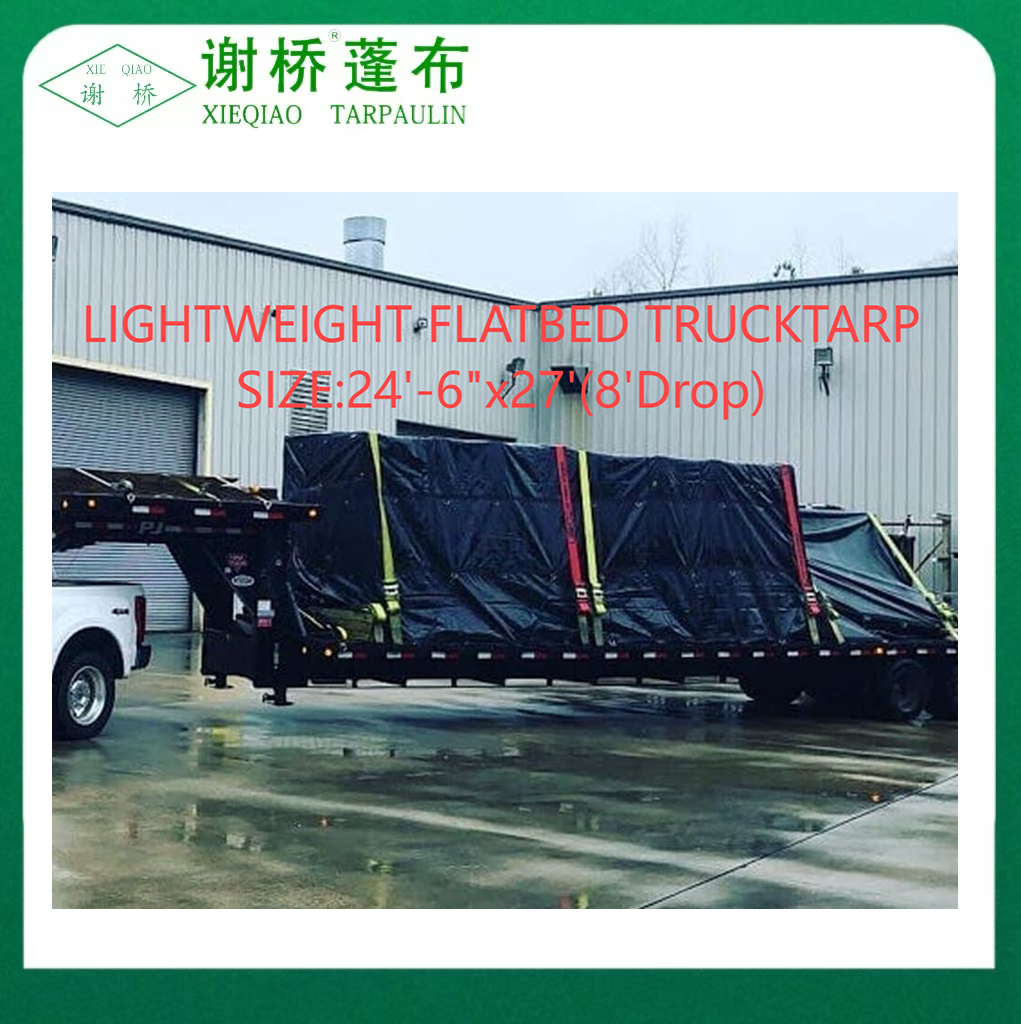
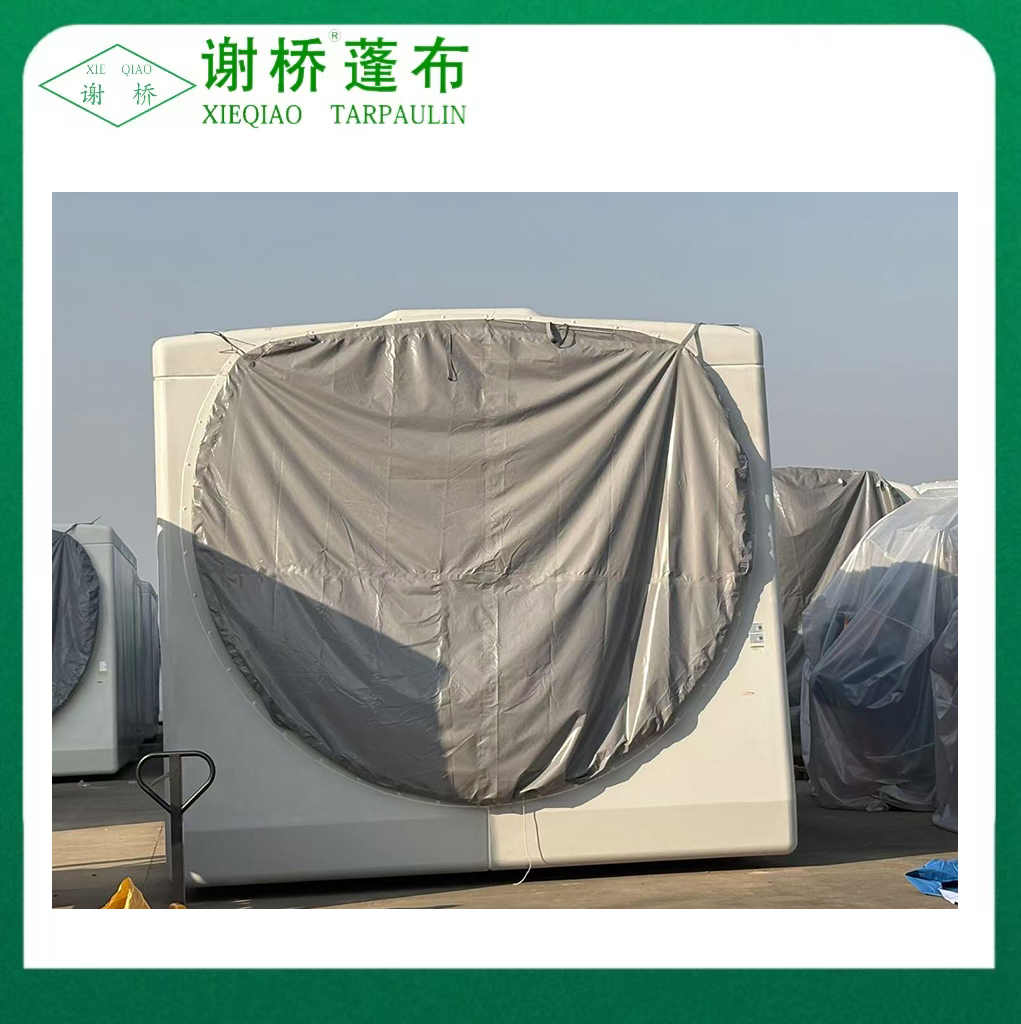
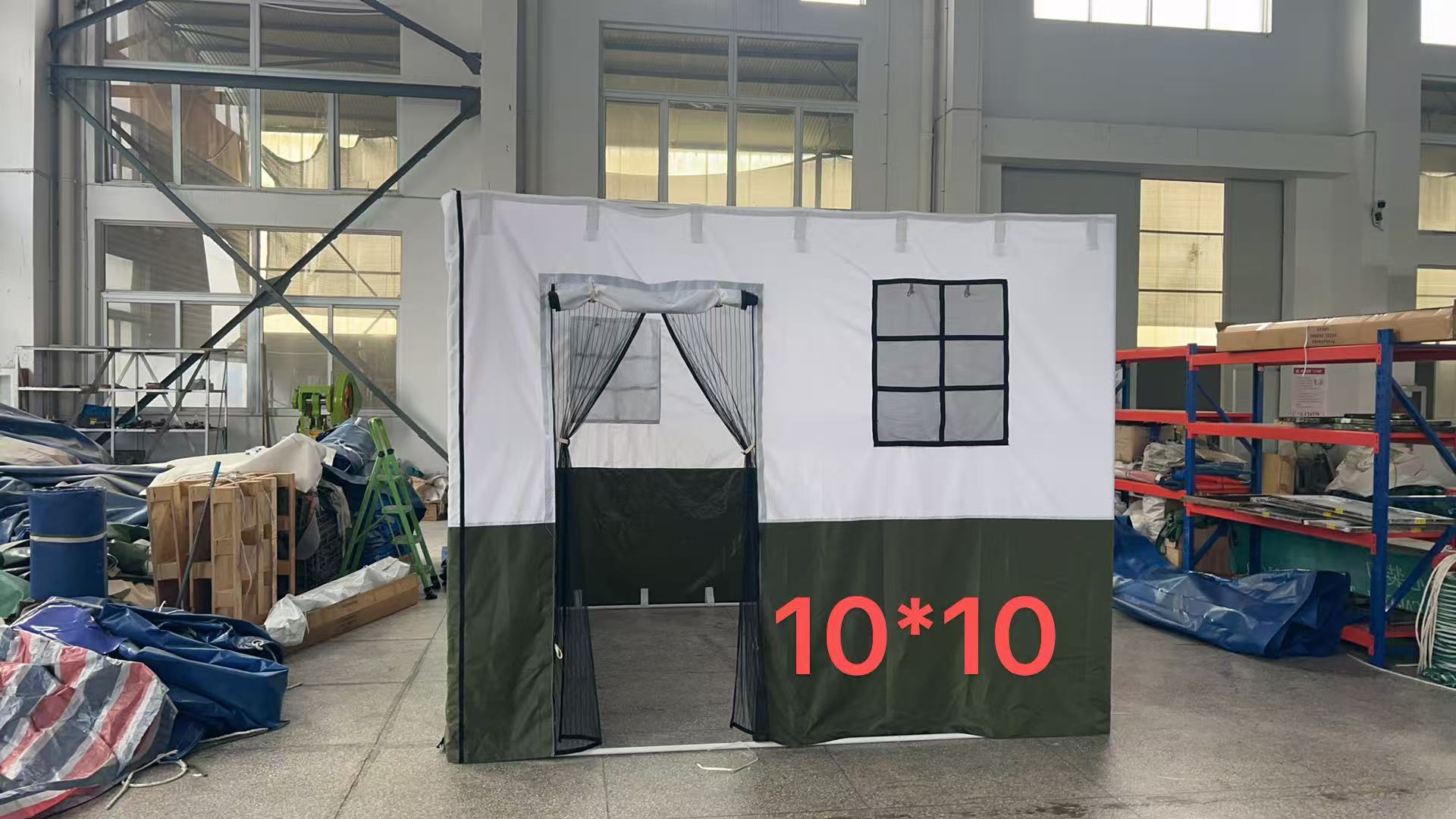
PVC waterproof covers are widely used across different industries due to their protective properties. They are commonly used in outdoor settings where moisture protection is essential. Some typical applications include protecting outdoor furniture, machinery, construction materials, vehicles, and temporary storage areas. PVC covers can also be used for tents, awnings, and temporary shelters.
Choosing the right PVC waterproof cover depends on the item you need to protect and the environment where it will be used. The main factors to consider include thickness, reinforcement, size, fastening methods, and UV resistance. Understanding these factors will help you select a cover that provides reliable protection and long-term performance.
The thickness of the PVC material affects its strength and durability. For light-duty use, a thinner cover (such as 0.3–0.5 mm) may be sufficient. For heavy-duty or industrial use, a thicker cover (0.8–1.5 mm or more) with polyester reinforcement is recommended. Reinforcement improves tear resistance and prevents the cover from stretching or tearing under wind pressure.
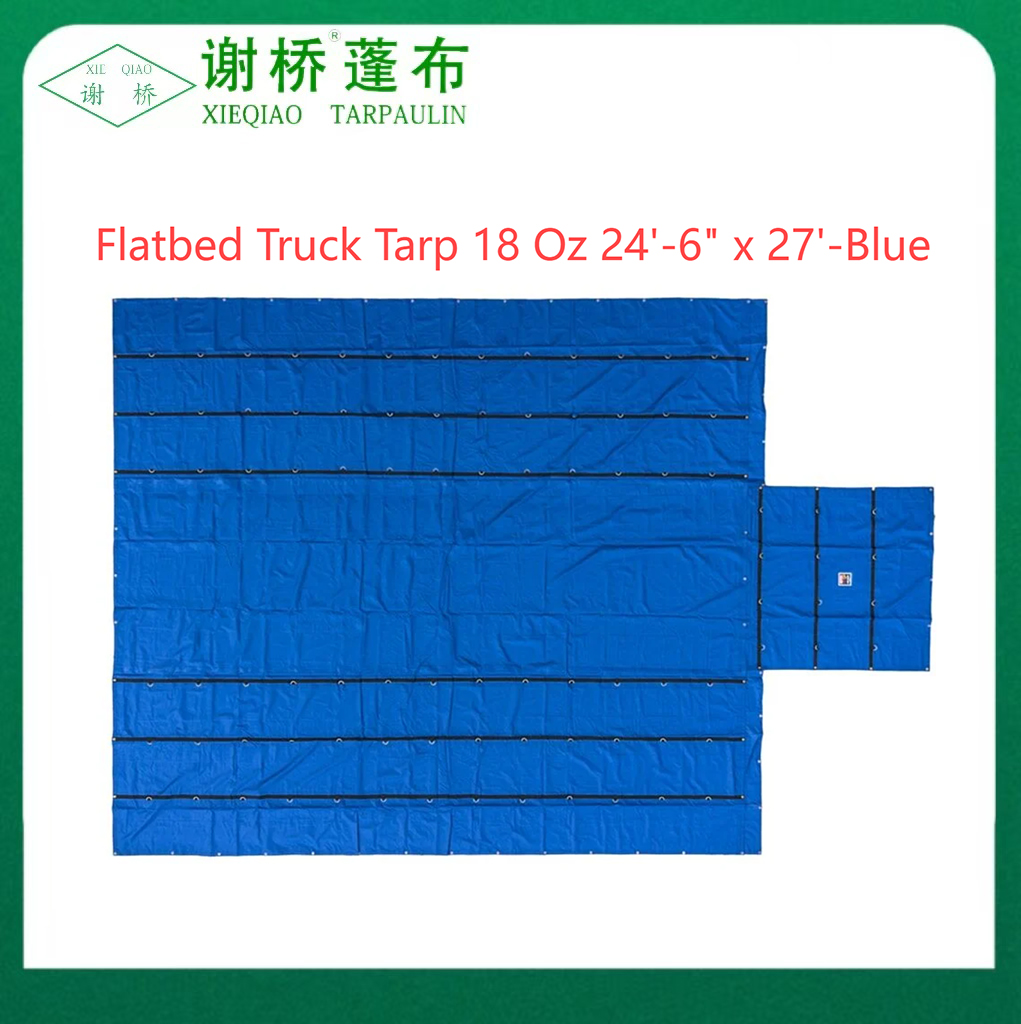
Measure the item’s length, width, and height before choosing a cover. It is best to select a cover that is slightly larger than the item to ensure full coverage and allow for secure fastening. For irregular shapes, consider custom-made covers to ensure a perfect fit.
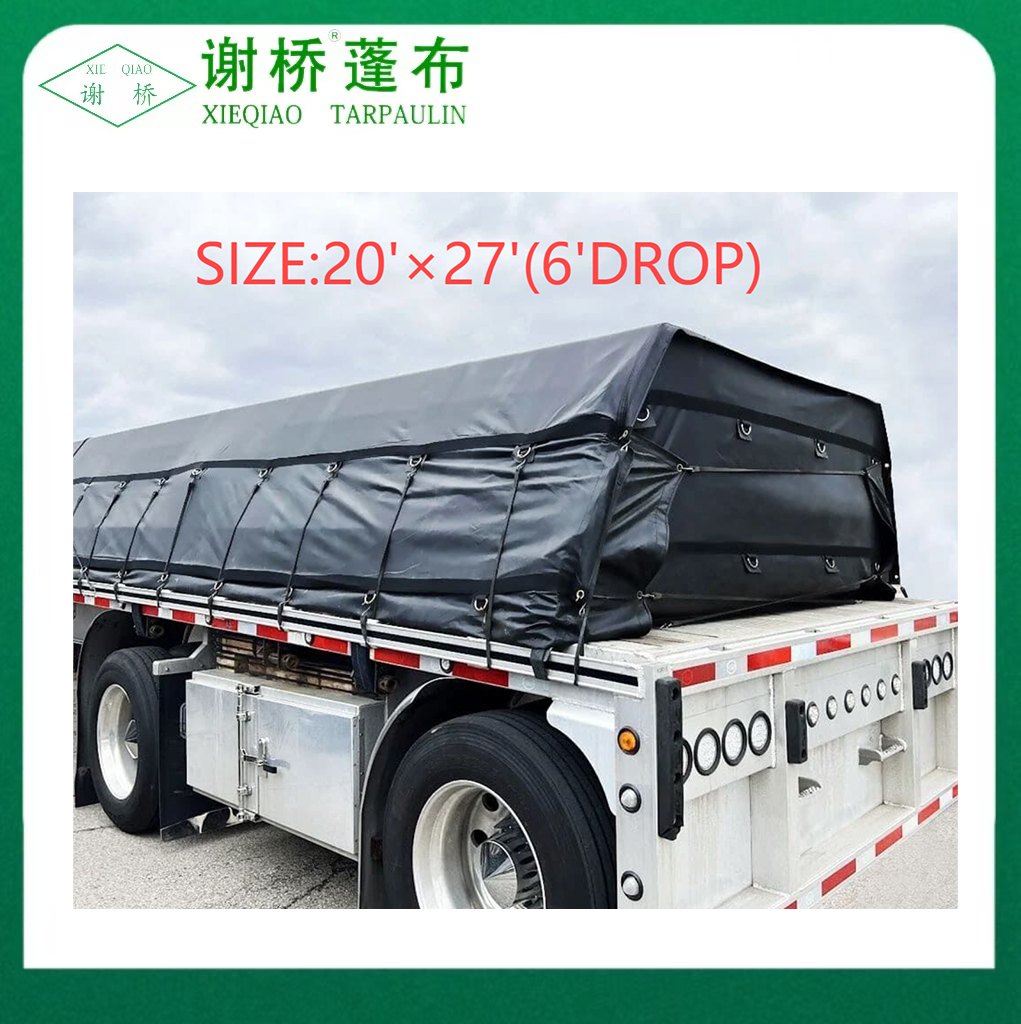
The fastening method affects the cover’s stability in windy conditions. Common fastening methods include drawstrings, buckles, straps, and grommets. Heat-welded seams provide better waterproof sealing than stitched seams. For items exposed to heavy rain, choose a cover with welded seams or sealed seams to prevent leakage.
To extend the service life of a PVC waterproof cover, proper maintenance is essential. PVC covers are easy to clean, but improper storage or cleaning can cause damage. Follow these maintenance tips to keep the cover in good condition and ensure long-term protection.
Clean the cover regularly with mild soap and water. Avoid using harsh chemicals or abrasive brushes, as they may damage the surface coating. After cleaning, rinse thoroughly and let it dry completely before storing. This prevents mold and mildew growth.
When not in use, store the cover in a cool, dry place away from direct sunlight. Avoid folding the cover in the same place repeatedly to prevent creases. Rolling the cover is often a better option for long-term storage.
Small tears or punctures can be repaired using PVC repair patches or adhesive. For severe damage or aging, replace the cover to ensure reliable protection. Replacing the cover in time can prevent water damage to the covered items.
When choosing a waterproof cover, many people consider both PVC and fabric options. Each has advantages and limitations, and the choice depends on the intended use. PVC covers provide stronger waterproof performance and are easier to clean, while fabric covers may be lighter and more breathable. The table below summarizes the main differences.
| Feature | PVC Cover | Fabric Cover |
| Waterproof Performance | Excellent | Good |
| Durability | High | Medium |
| Cleaning | Easy | Needs special care |
| Cost | Medium to high | Low to medium |
PVC waterproof covers offer reliable protection for outdoor items, especially in harsh weather conditions. With strong waterproof performance, UV resistance, and high durability, PVC covers are ideal for outdoor furniture, vehicles, industrial equipment, and construction materials. When choosing a cover, consider thickness, reinforcement, size, and fastening methods to ensure the best protection. With proper maintenance, a PVC waterproof cover can provide long-lasting service and keep your valuable items safe from rain, dust, and UV damage.
Recommended Products



 The Industrial Park of Wuqiao Town, Jiangdu District, Yangzhou City, Jiangsu Province, China.
  +86-15252561063
  +86-15252561063
  [email protected]