Specializing in all kinds of custom tarpaulins Custom Tarpaulin Product Manufacturers

 русский
 Français
News
 2026.01.30
 Industry News
Content
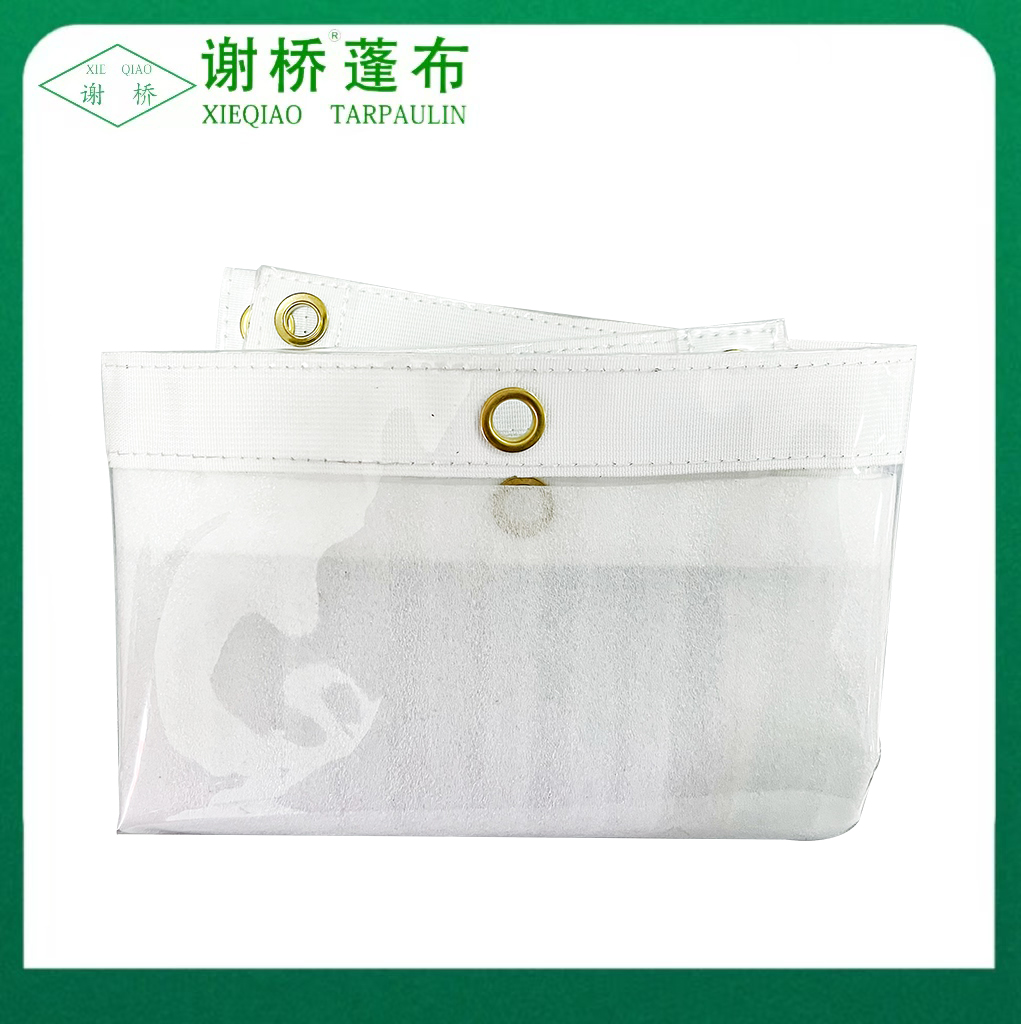
PVC waterproof covers are versatile protective solutions designed to shield items from water, dust, and environmental damage. Made from polyvinyl chloride (PVC), a highly durable and flexible material, these covers are widely used in industries, households, and outdoor environments. Their resistance to moisture, UV rays, and chemicals makes them ideal for safeguarding equipment, machinery, furniture, and vehicles. Understanding their types, applications, and proper usage is crucial to ensure optimal protection and long-term performance.
The effectiveness of PVC waterproof covers is largely dependent on the intrinsic properties of the PVC material. It is a thermoplastic polymer known for its durability, chemical resistance, and waterproof capabilities.
PVC is highly resistant to tearing and abrasion, making it suitable for repeated use and long-term exposure to harsh conditions. Its tensile strength ensures that even large covers maintain their shape and protect underlying surfaces effectively.
Despite its strength, PVC remains flexible, allowing covers to conform to irregular shapes. Its lightweight nature facilitates easy handling, folding, and storage, making it ideal for both industrial and domestic applications.
PVC naturally resists water penetration, ensuring complete waterproofing. Additionally, it withstands exposure to many chemicals, oils, and acids, making it suitable for industrial environments where spills or corrosive substances are common.
PVC waterproof covers come in a variety of types to suit different applications. The selection depends on the level of protection required, the shape of the item, and the environmental conditions.
Flat PVC covers are simple sheets designed to cover rectangular or flat surfaces. They are often used for outdoor furniture, pallets, and construction materials. These covers provide basic waterproof protection and can be secured with ropes or clips.
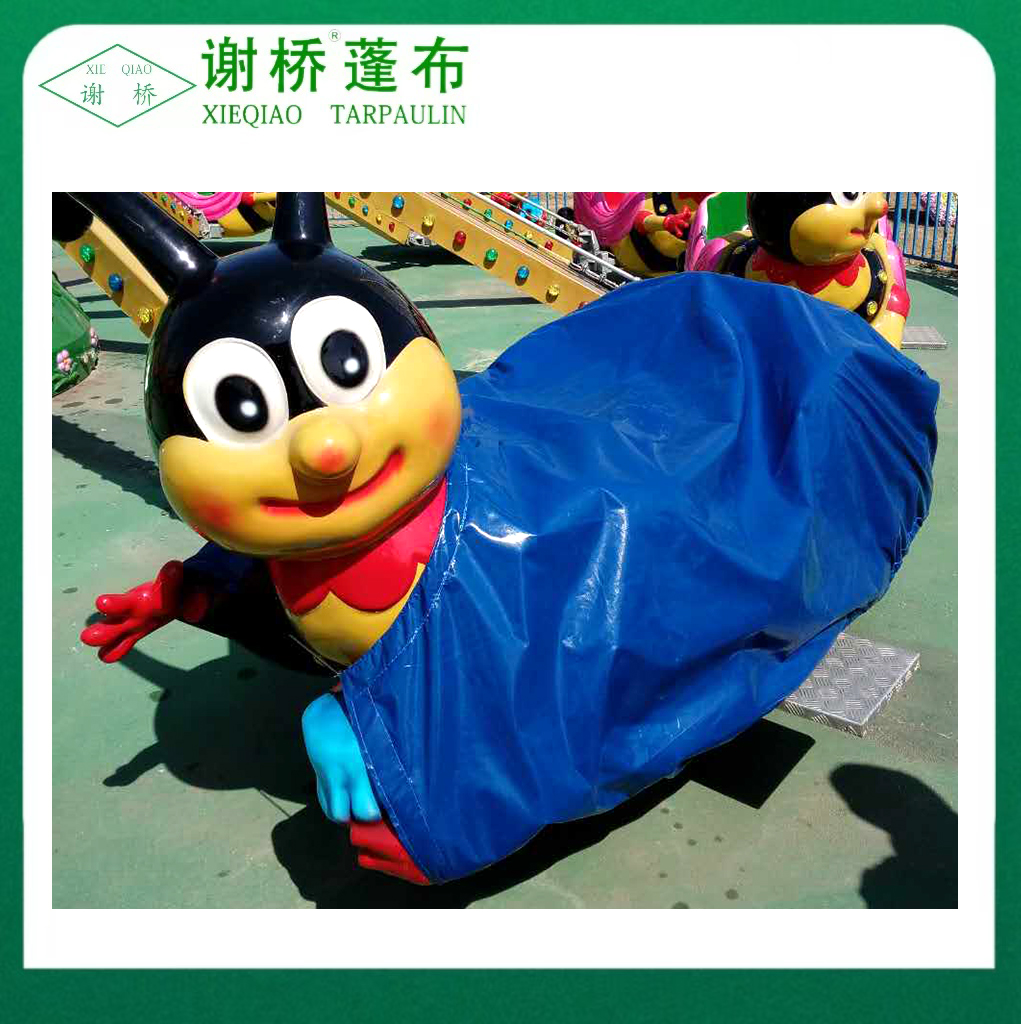
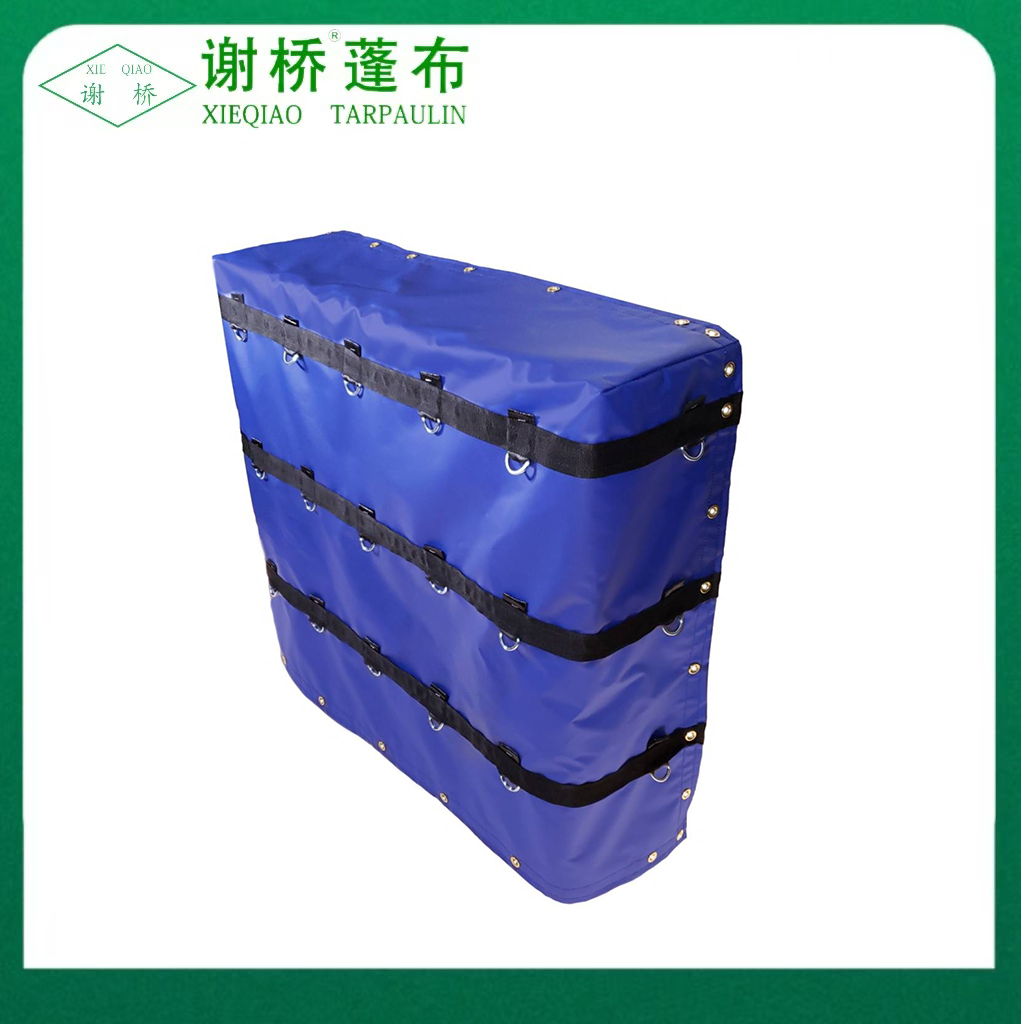
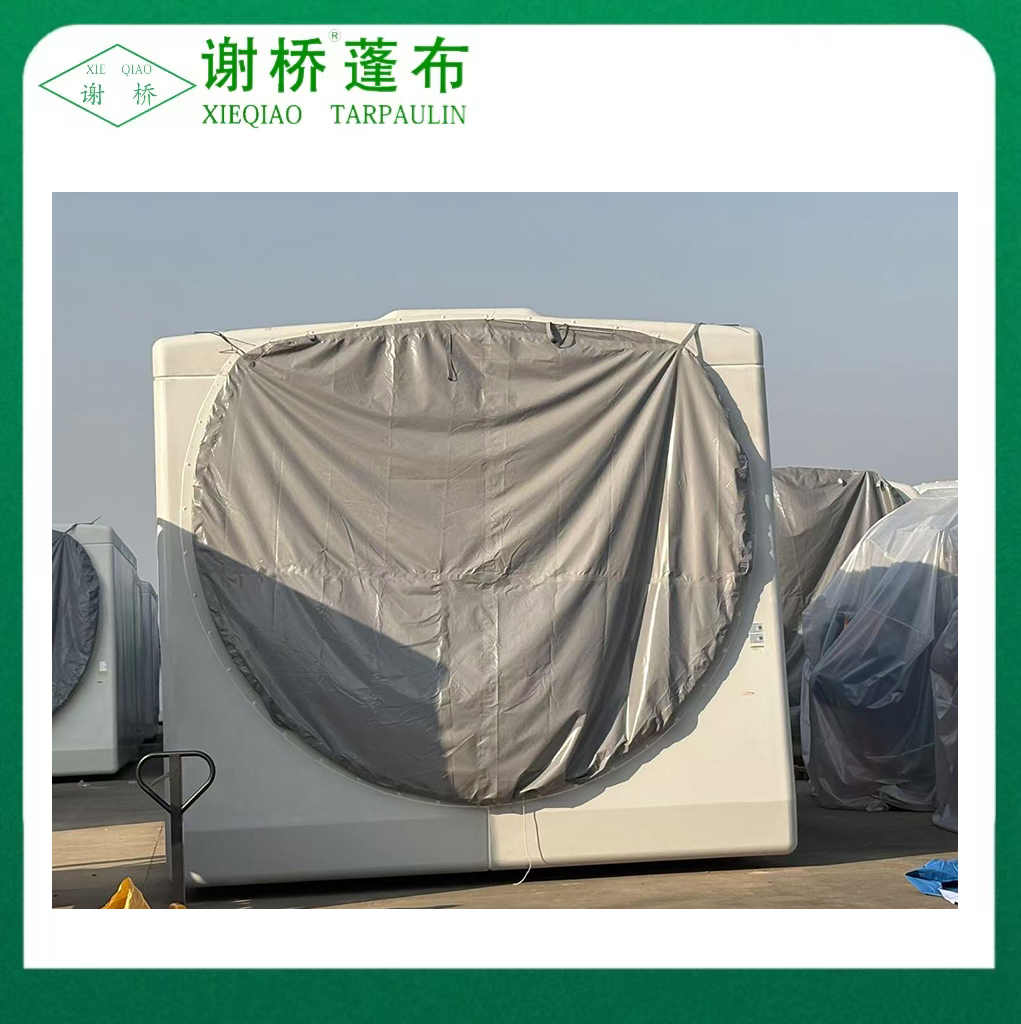
Fitted PVC covers are tailored to specific items, such as machinery, motorcycles, or garden equipment. Their precise design ensures snug coverage, minimizing gaps where water or dust could enter. Fitted covers often include elastic hems, Velcro, or zippers for secure attachment.
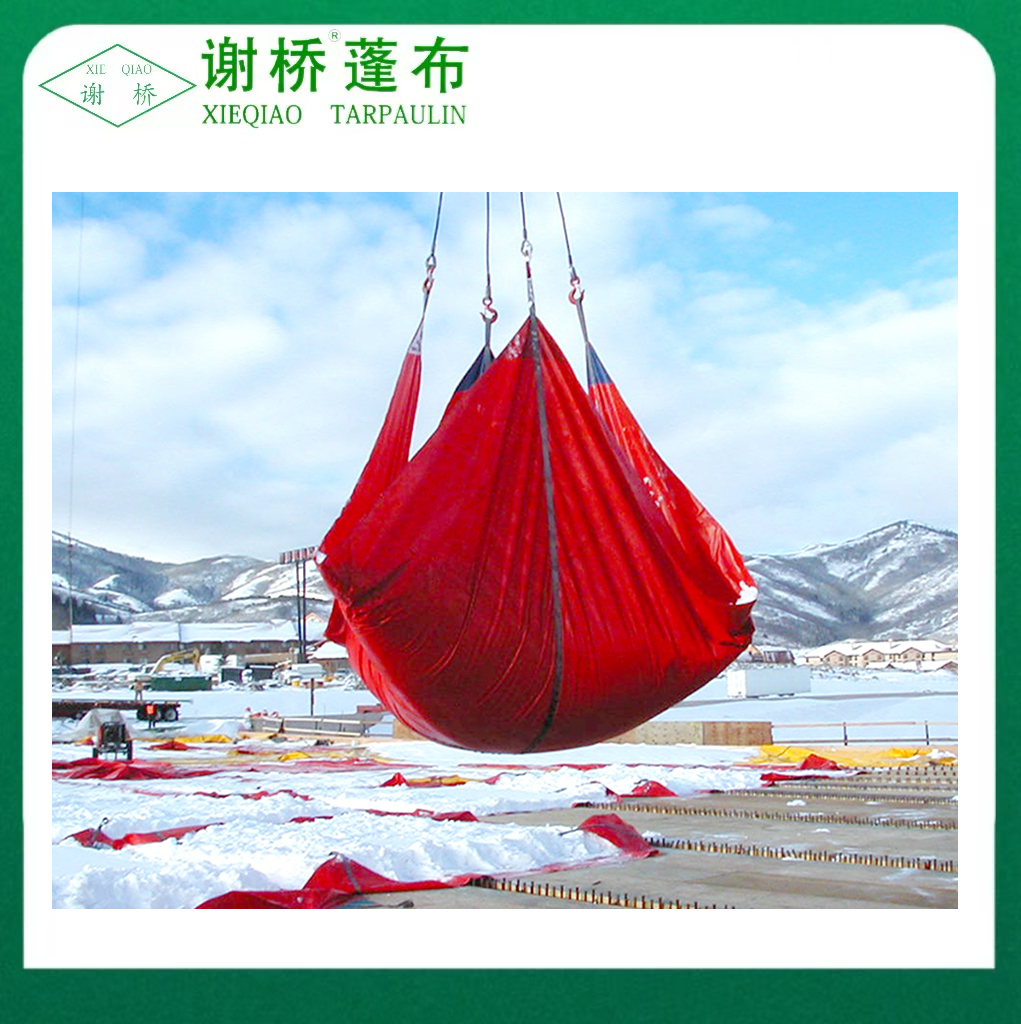
Heavy-duty PVC covers are reinforced with thicker layers or additional coatings, making them suitable for harsh industrial applications. These covers withstand extreme weather, heavy abrasion, and prolonged exposure to UV radiation without degradation.
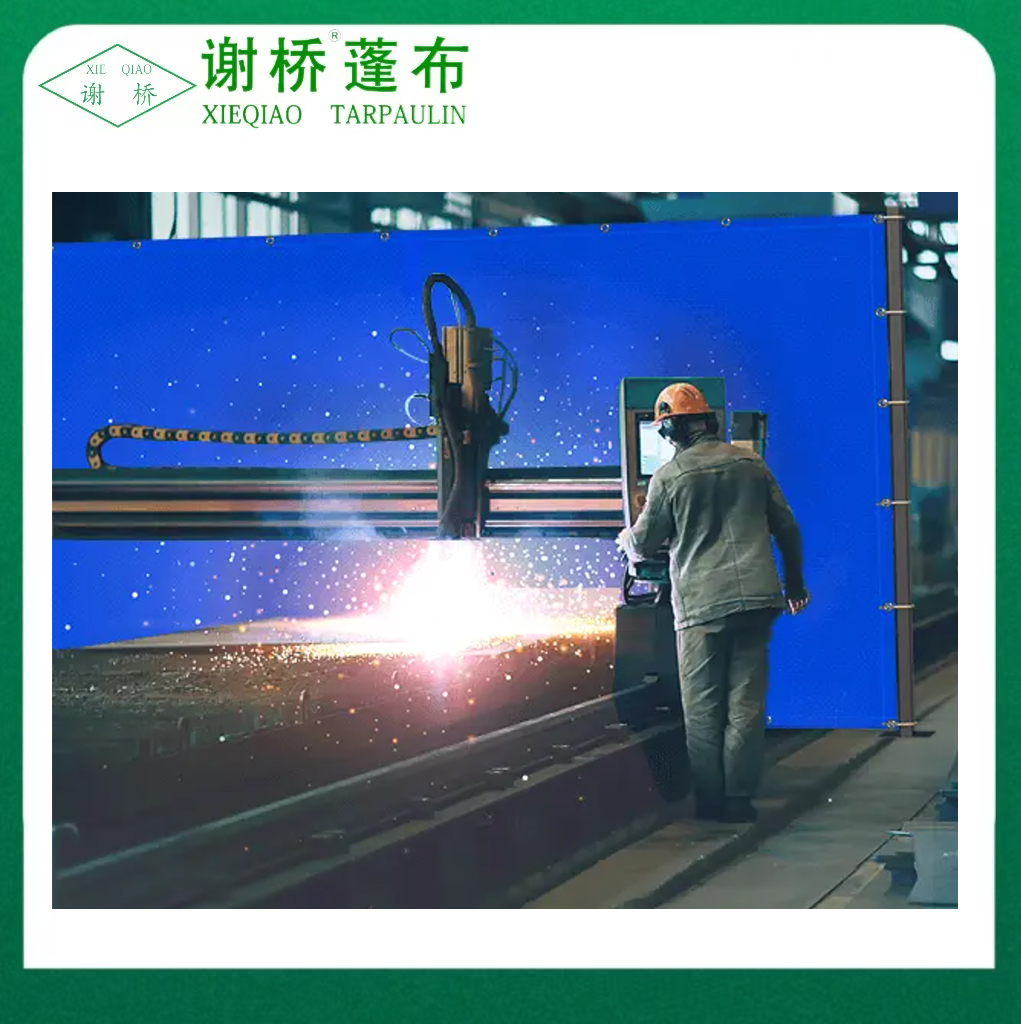
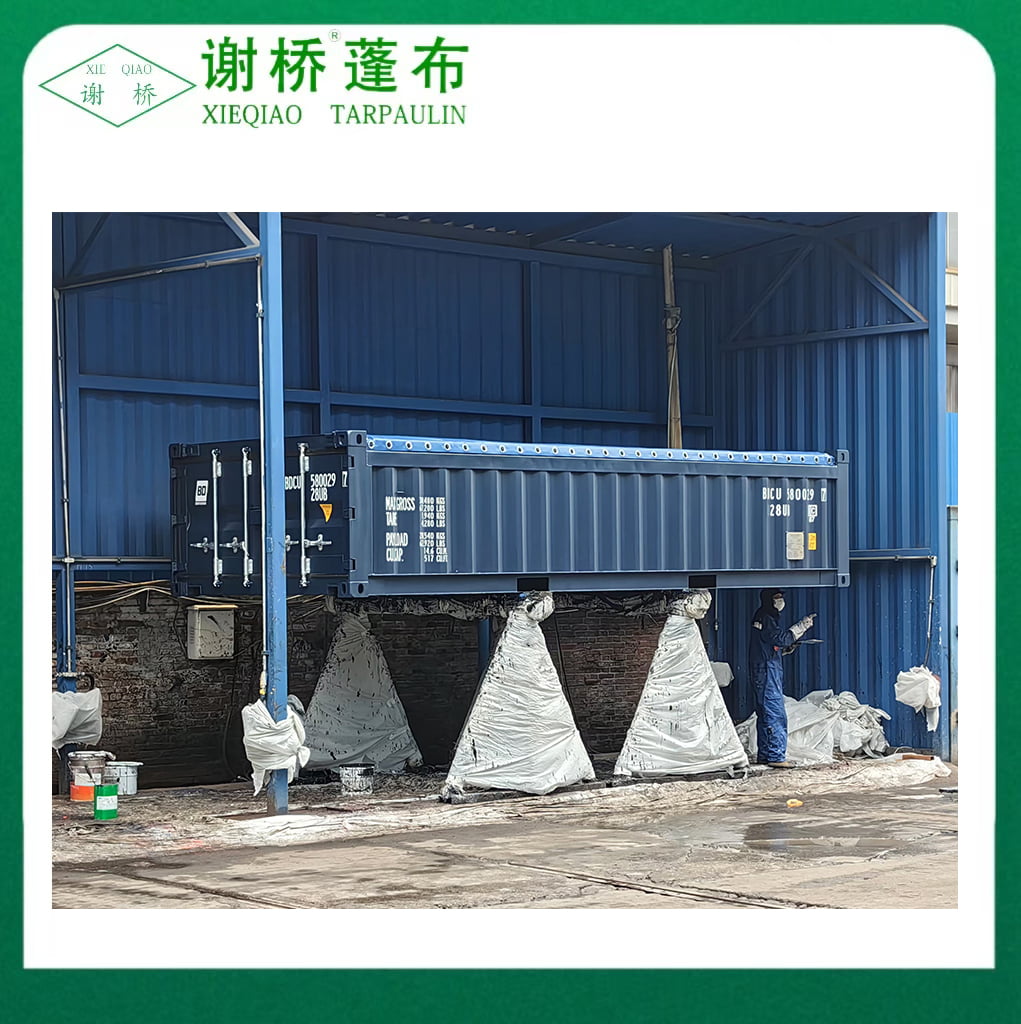
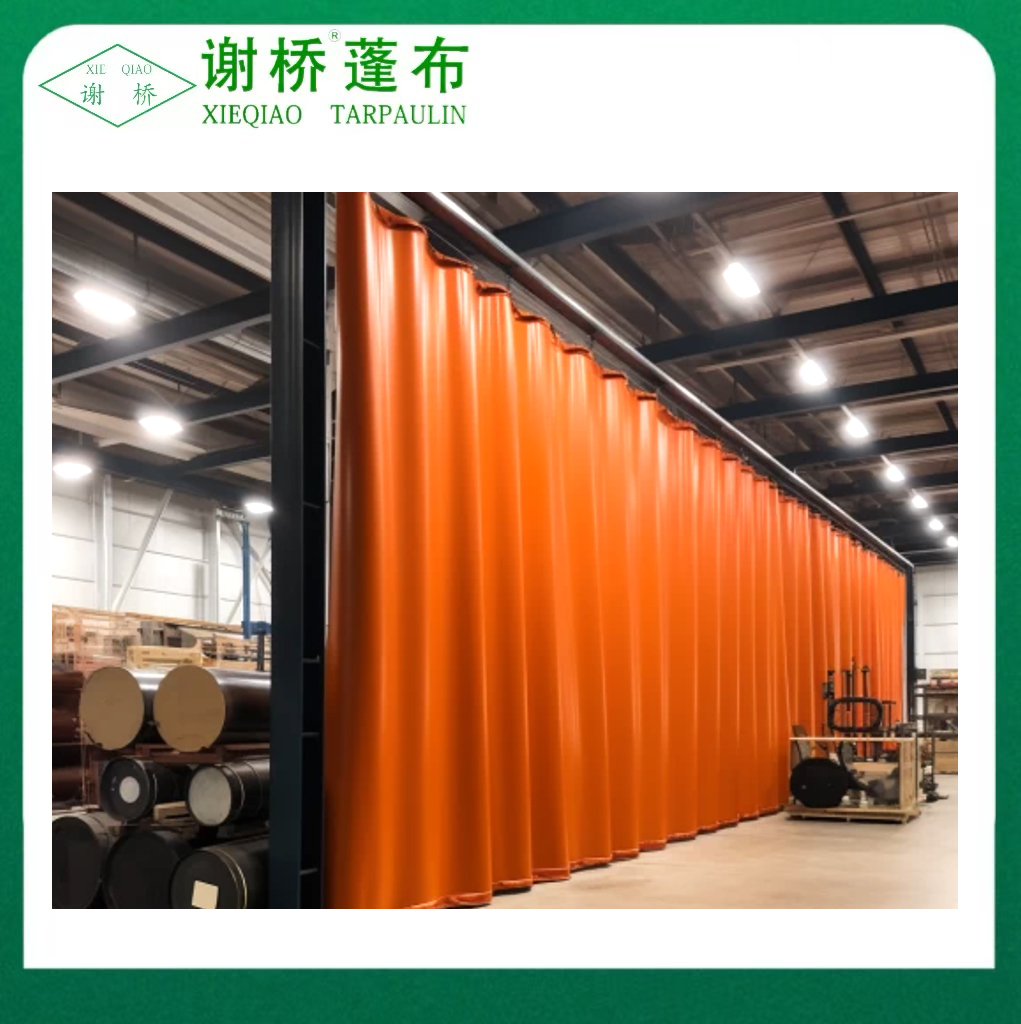
PVC waterproof covers have a broad range of applications, offering protection across multiple industries and everyday uses.
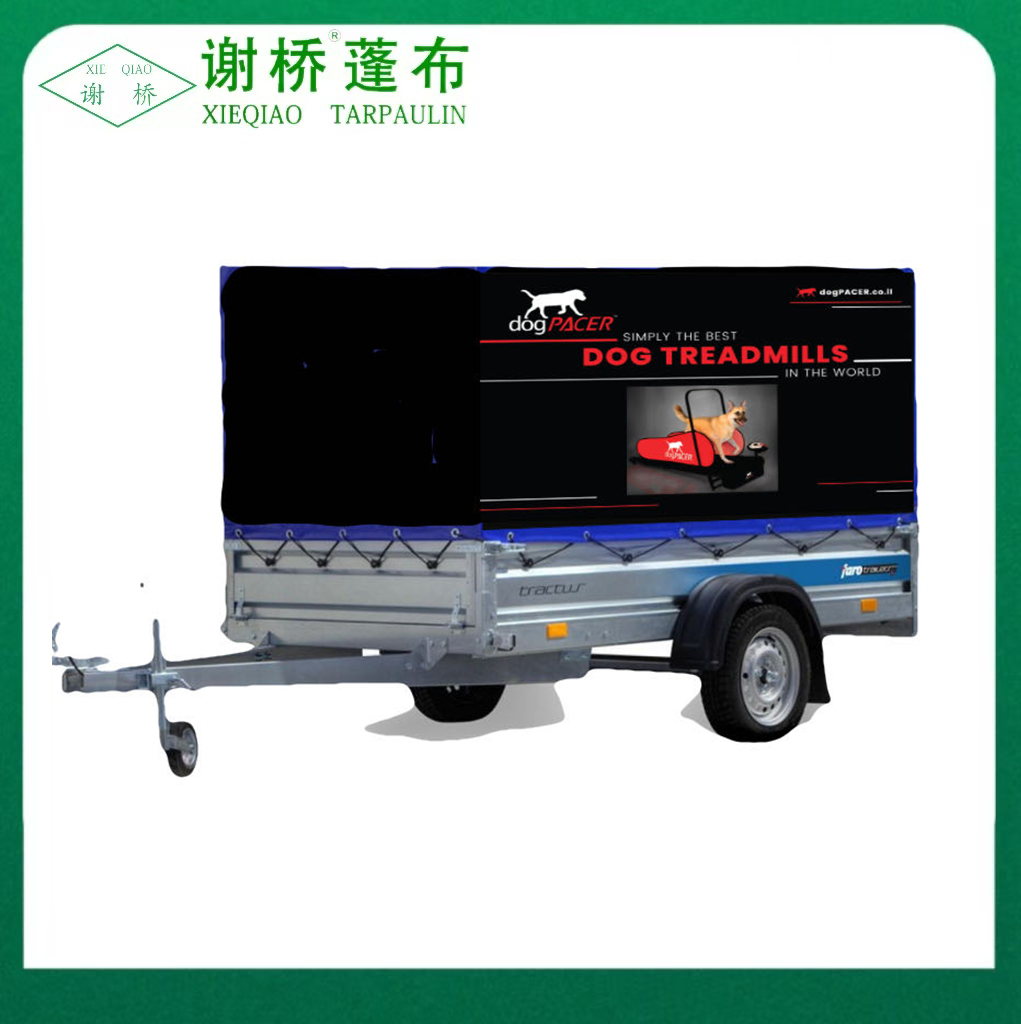
Proper installation of PVC waterproof covers ensures maximum protection and longevity. Following best practices will prevent water ingress and prolong the cover’s lifespan.
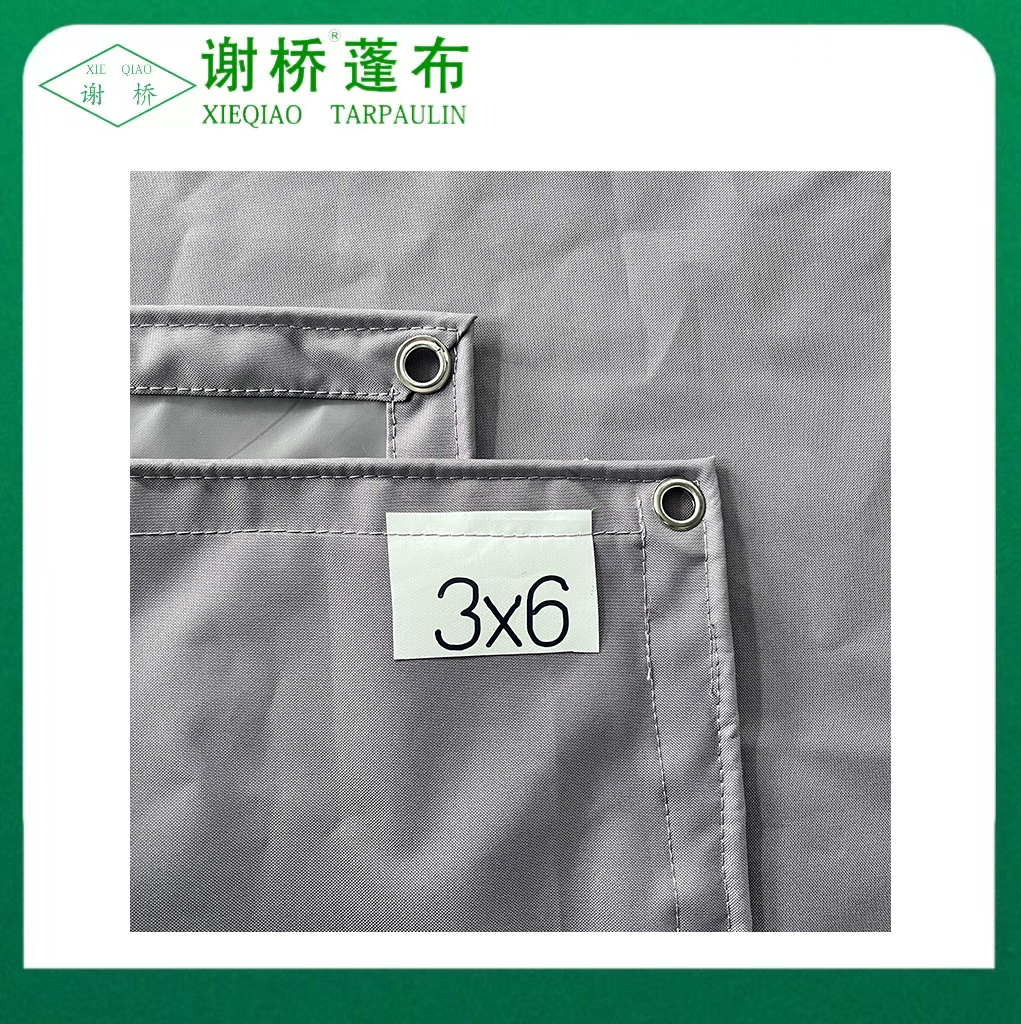
Measure the item accurately before selecting a cover. A slightly larger cover is preferable to ensure complete coverage. For fitted covers, confirm all attachment points align correctly with the item’s dimensions.
Use ropes, bungee cords, Velcro, or built-in elastic hems to secure the cover tightly. Proper fastening prevents the cover from being displaced by wind or heavy rain.
Design the installation to allow water runoff. Sloped placement or adding reinforcement in the center of large covers prevents water pooling, which can cause sagging and potential tearing.
PVC covers require minimal maintenance, but periodic care ensures they remain waterproof and durable.
Use mild soap and water to clean PVC covers. Avoid abrasive brushes or harsh chemicals that can damage the surface. Rinse thoroughly and allow the cover to dry completely before storage.
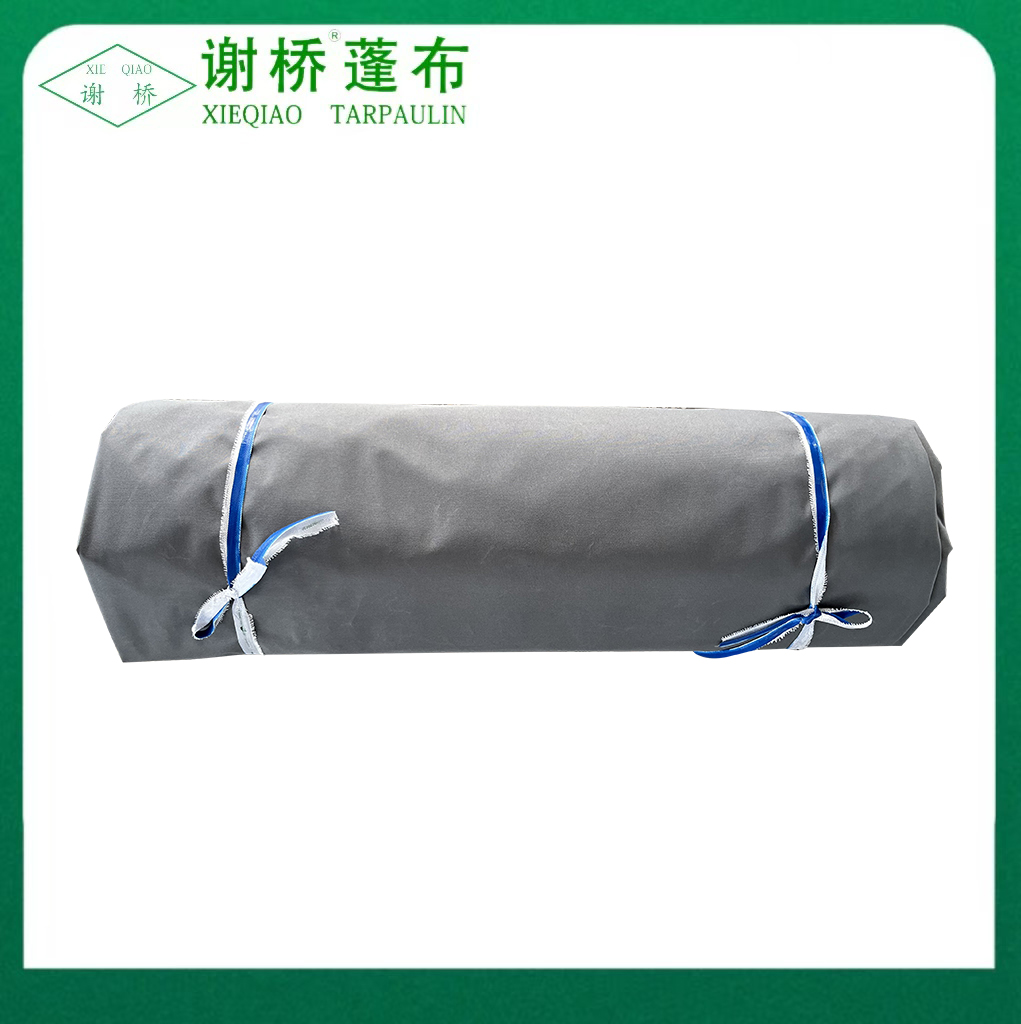
Fold or roll covers neatly when not in use, storing them in a dry, shaded area. Avoid prolonged exposure to direct sunlight, which can cause fading or brittleness over time.
Regularly inspect for tears, punctures, or weakened seams. Minor damage can be repaired using PVC patch kits or heat welding, extending the cover’s life.
PVC waterproof covers provide several practical benefits that make them a preferred choice over alternative materials.
PVC covers are often compared with fabrics like polyester, canvas, and polyethylene. The following table summarizes the differences:
| Material | Waterproof Level | Durability | UV Resistance | Flexibility | Cost |
| PVC | High | High | High | Medium | Medium |
| Polyester | Medium | Medium | Medium | High | Low |
| Canvas | Medium-Low | Medium | Medium | High | Low-Medium |
| Polyethylene | High | Medium | Medium-Low | Medium | Low |
PVC waterproof covers are reliable, durable, and versatile solutions for protecting a wide range of items from water, dust, and environmental hazards. With their flexibility, lightweight design, and high resistance to UV and chemicals, they are suitable for industrial, commercial, and domestic applications. Proper installation, regular maintenance, and careful selection of cover types ensure optimal performance and extended lifespan. Investing in quality PVC covers provides effective protection, peace of mind, and long-term cost savings for both personal and professional use.
Recommended Products



 The Industrial Park of Wuqiao Town, Jiangdu District, Yangzhou City, Jiangsu Province, China.
  +86-15252561063
  +86-15252561063
  [email protected]