Specializing in all kinds of custom tarpaulins Custom Tarpaulin Product Manufacturers

 русский
 Français
News
 2026.04.22
 Industry News
Content
A waterproof tarpaulin is a large, flexible sheet of material engineered to prevent water penetration while providing mechanical strength, UV resistance, and durability under outdoor conditions. The term "tarpaulin" originates from the combination of "tar" and "palling" — historically referring to canvas coated with tar pitch to repel water. Modern waterproof tarpaulins bear little resemblance to their canvas predecessors; they are now manufactured primarily from woven polyethylene (PE), polypropylene (PP), polyvinyl chloride (PVC), or canvas laminated with waterproofing compounds, each offering distinct performance characteristics suited to specific applications.
The waterproofing function is achieved through two primary mechanisms depending on the material type. For woven polyethylene tarpaulins, the base fabric is laminated on both faces with a continuous film of low-density polyethylene (LDPE) that seals the weave structure and prevents water passage through the interstices between threads. For PVC tarpaulins, the base fabric — typically a polyester or nylon scrim — is coated or calendered with flexible PVC compound that forms a dense, impermeable membrane. The weight, thickness, and quality of these coatings directly determine the tarpaulin's waterproof performance, abrasion resistance, and service life under real-world conditions.
Selecting the appropriate tarpaulin type requires matching the material's performance profile to the demands of the specific application. Using a light-duty tarpaulin in a heavy industrial context leads to rapid failure, while over-specifying a premium tarpaulin for occasional light use adds unnecessary cost. Understanding the core material types and their strengths makes selection straightforward.
Woven polyethylene tarpaulins are the most widely used type globally due to their low cost, light weight, and adequate waterproofing for general-purpose applications. They are manufactured by weaving flat HDPE tapes into a fabric and then laminating both surfaces with LDPE film. PE tarpaulins are available in a wide range of weights from approximately 55 gsm for ultra-light temporary covers to 200 gsm or more for heavy-duty applications. They are resistant to most chemicals, rot-proof, and easy to handle. Their primary limitations are relatively low tear strength compared to PVC alternatives, susceptibility to UV degradation without stabilizer additives, and reduced flexibility in cold temperatures. PE tarpaulins are the standard choice for general camping, temporary roof covering, agricultural ground sheets, and moving protection.
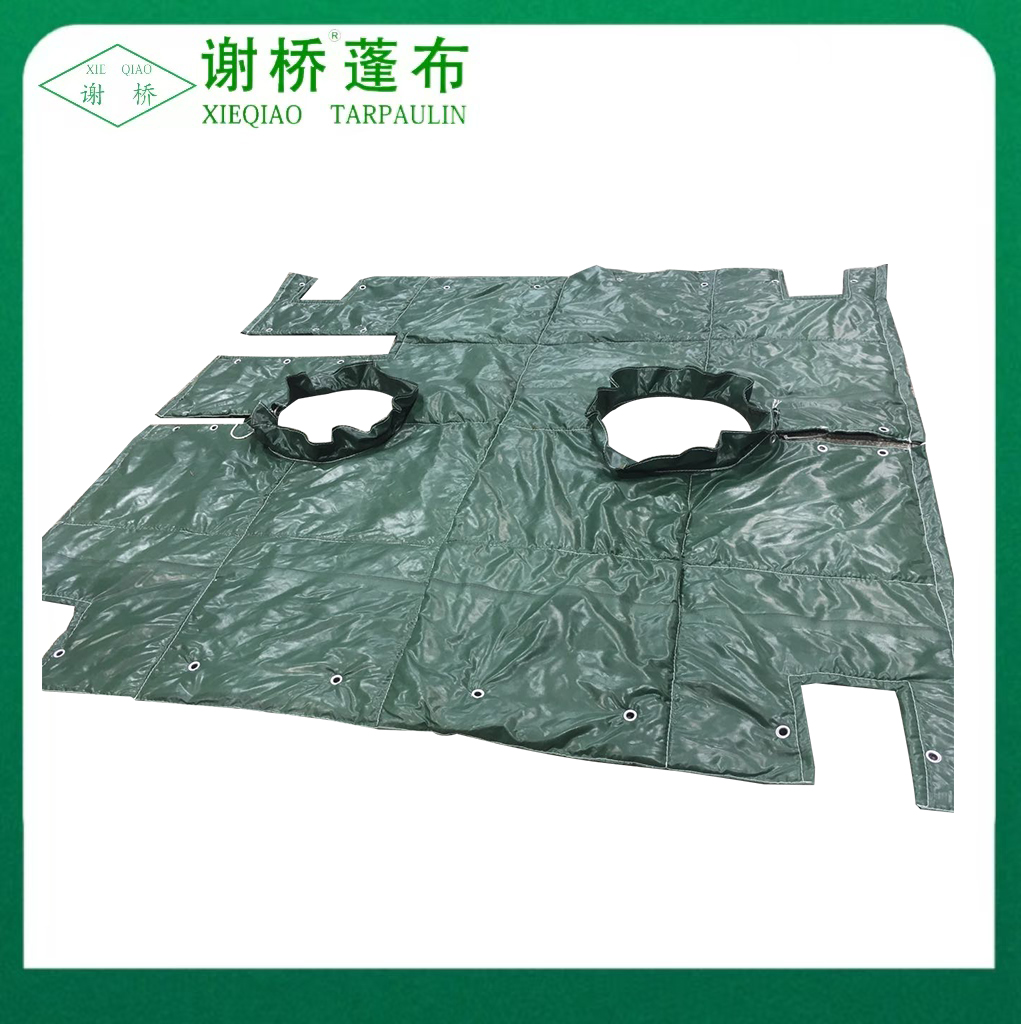
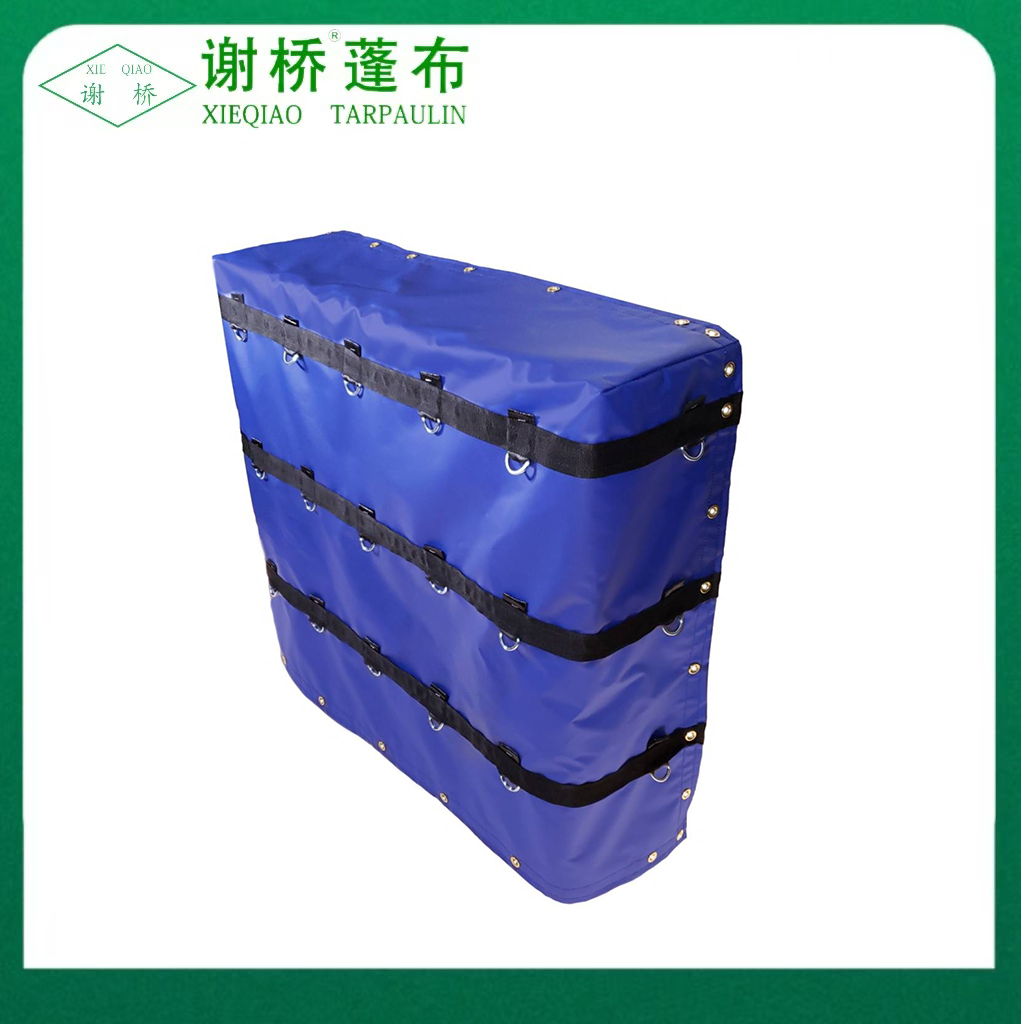
PVC-coated tarpaulins offer substantially higher performance than PE alternatives in terms of tear strength, abrasion resistance, dimensional stability, and longevity. They are manufactured by coating a woven polyester or nylon base fabric with PVC compound on both faces, typically achieving finished weights between 400 gsm and 900 gsm depending on the application. PVC tarpaulins are the preferred choice for truck and freight covers, scaffolding sheeting, industrial curtains, event shelters, and any application involving regular mechanical stress, prolonged UV exposure, or the need for flame-retardant properties. Their higher cost compared to PE tarpaulins is offset by significantly longer service life — a quality PVC tarpaulin used correctly can remain serviceable for ten years or more, while a light PE tarpaulin may need replacement after a single season of outdoor use.
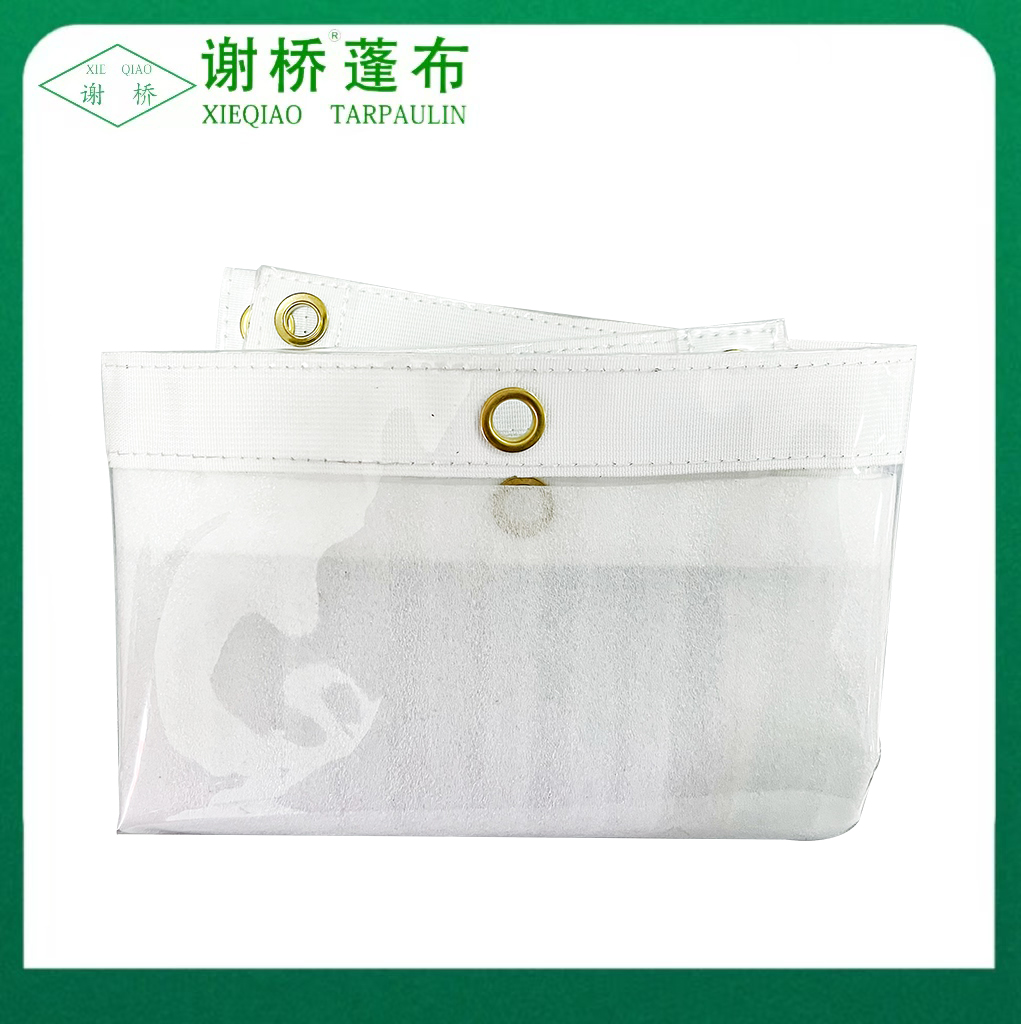
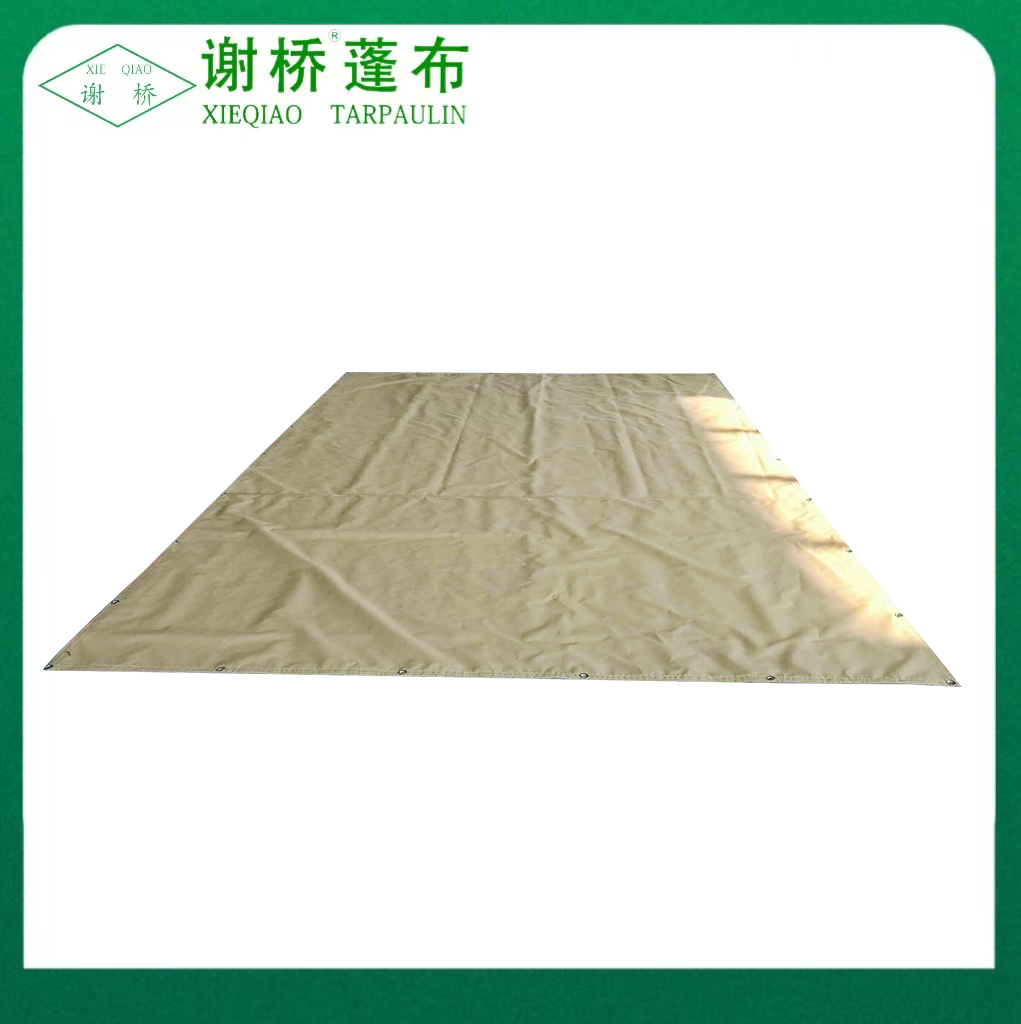
Traditional canvas tarpaulins made from cotton or cotton-polyester blends remain in use for specific applications where breathability is valued alongside water resistance. Canvas tarpaulins are typically treated with wax, paraffin, or synthetic waterproofing compounds rather than film lamination, which allows limited moisture vapor transmission while still shedding liquid water. This breathability prevents condensation buildup beneath the tarp, making canvas a preferred choice for covering equipment in storage, protecting vehicles in garages, and use in wood sheds where moisture-sensitive materials benefit from airflow. Canvas tarpaulins are heavier and more expensive than PE alternatives but are favored for their natural aesthetics, repairability, and the fact that they become more water-resistant after initial wetting as the cotton fibers swell to close the weave.
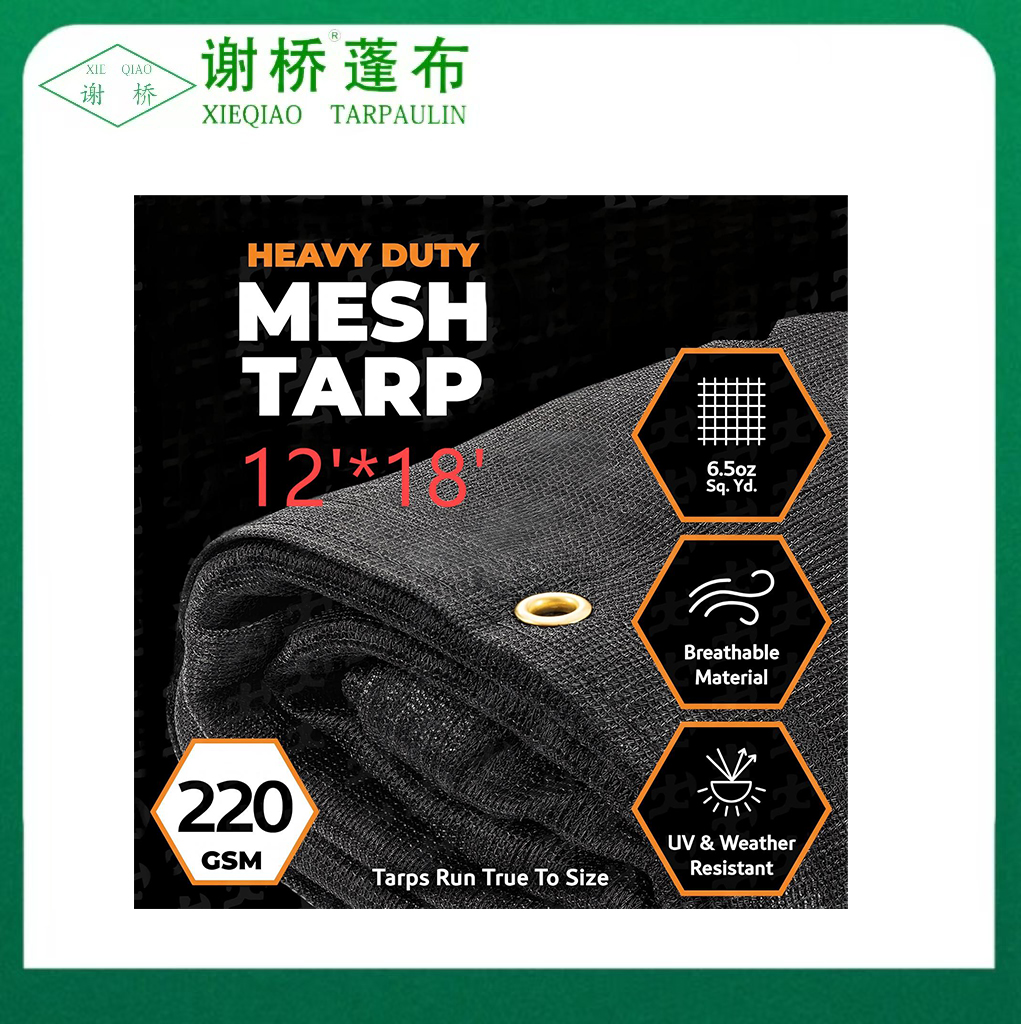
Mesh tarpaulins are manufactured from knitted or woven HDPE monofilament in an open-weave structure that provides partial shade, wind resistance reduction, and debris containment without full waterproof coverage. While not waterproof in the conventional sense, UV-stabilized mesh tarpaulins are widely used as scaffold debris netting, agricultural shade cloth, windbreak fencing, and truck load containment where full enclosure would create dangerous wind loading. Some mesh tarpaulins are treated with water-repellent coatings that shed light rain while still permitting significant airflow, offering a hybrid performance profile suited to vineyard protection and nursery applications.
Tarpaulin specifications are frequently quoted inconsistently between suppliers, making direct product comparison challenging without understanding what each parameter means and how it affects real-world performance. The following table summarizes the most important specifications and their practical significance:
| Specification | What It Measures | Practical Significance |
| GSM (grams per square meter) | Total weight of the finished tarpaulin per unit area | Higher GSM generally indicates heavier coating and greater durability |
| Denier (D) | Thickness of the yarn used in the base fabric | Higher denier yarns produce stronger, more tear-resistant base fabric |
| Thread Count (per inch) | Number of warp and weft threads per inch of fabric | Higher thread counts produce denser fabric with better puncture resistance |
| Hydrostatic Head (mm) | Water pressure the fabric resists before leaking | Values above 1500 mm are adequate for heavy rain; 3000+ mm for prolonged exposure |
| UV Stabilization Rating | Resistance to UV-induced degradation | Critical for tarpaulins used in permanent or semi-permanent outdoor installations |
| Tear Strength (N) | Force required to propagate a tear through the material | Determines resistance to ripping under wind loading or mechanical contact |
| Eyelet Spacing and Material | Frequency and construction of attachment points | Closer eyelet spacing and reinforced hems reduce tearing at fixing points |
A common mistake when purchasing tarpaulins is relying on GSM alone as a quality indicator. A tarpaulin with a high GSM rating achieved through a thick but low-quality coating compound may perform worse in service than a lighter tarpaulin with a high-grade coating. Requesting test data for tear strength, hydrostatic head, and UV resistance from suppliers gives a far more complete picture of actual performance than weight alone.
Different use cases impose fundamentally different demands on a waterproof tarpaulin, and matching the product specification to the application is the most effective way to balance cost and performance. The following guidance covers the most common application categories in detail.
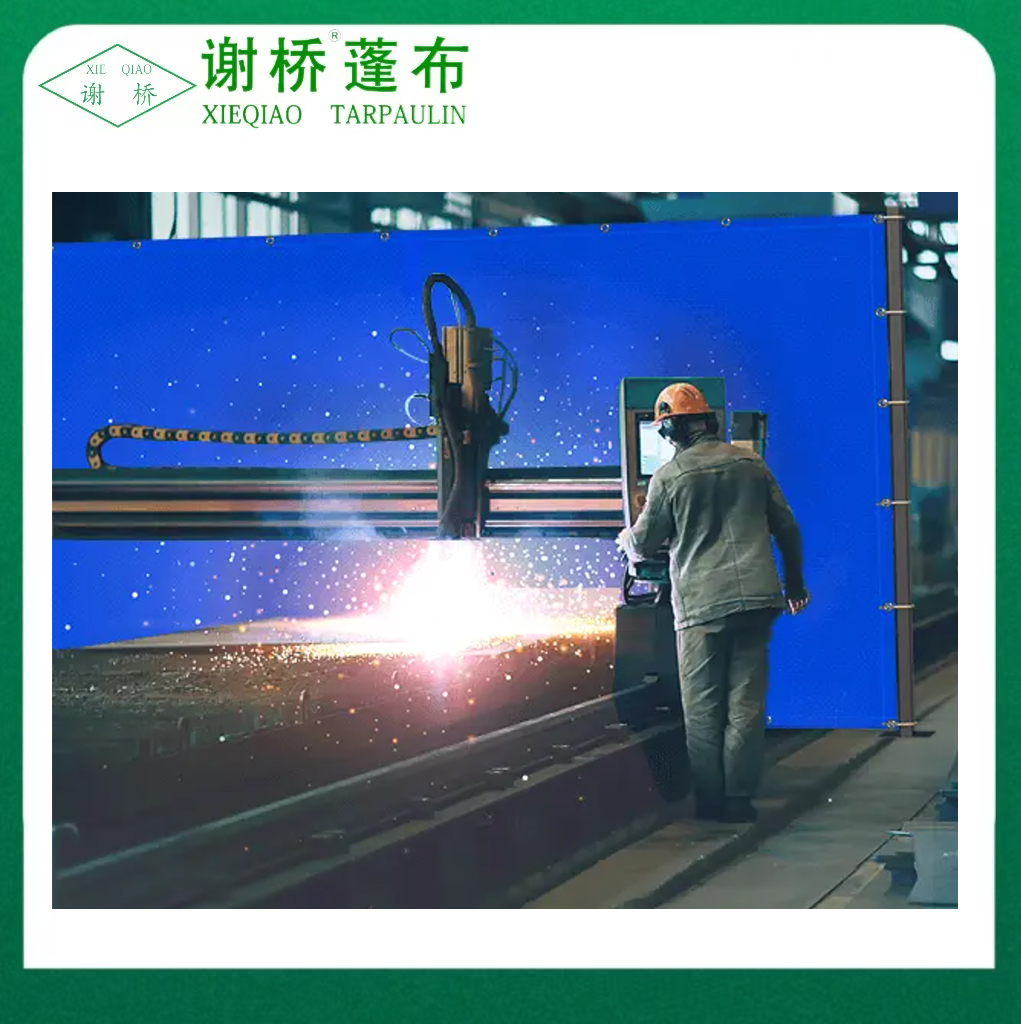
Construction sites use tarpaulins for emergency roof covering after storm damage, protection of materials and equipment during wet weather, and containment of dust and debris during demolition and renovation work. These applications require tarpaulins with high tear strength to resist wind uplift forces, reinforced hems and closely spaced eyelets to maintain fixing points under repeated tensioning, and UV stabilization for potentially extended outdoor deployment. Minimum 200 gsm PE or 400 gsm PVC tarpaulins with corner and intermediate webbing reinforcement are appropriate for roof covering applications. For scaffolding sheeting subject to sustained wind loading, fire-retardant PVC tarpaulins meeting EN 13501-1 classification are often required by site safety regulations.
Agricultural tarpaulins cover hay bales, silage clamps, grain stores, machinery, and livestock shelters across seasons of continuous outdoor exposure. UV resistance is the primary durability requirement for agricultural tarps, as degradation from solar radiation causes embrittlement and cracking that leads to rapid failure regardless of initial waterproof performance. Look for tarpaulins with specific UV stabilizer content rated for a minimum of three to five years outdoor life, expressed either as a percentage of UV stabilizer by weight or as a service life guarantee. Green or black tarpaulins typically contain higher concentrations of UV-protective carbon black pigment than light-colored alternatives and are preferred for permanent or semi-permanent agricultural installations.
Outdoor recreational tarpaulins prioritize low weight and compact packed size alongside waterproof performance. Silicone-impregnated ripstop nylon (silnylon) and silicone-coated polyester tarpaulins in the 40–70 gsm range offer exceptional waterproofing with minimal weight penalty, making them the preferred choice for backpacking and lightweight camping where every gram of pack weight matters. For car camping and base camp use where weight is less critical, a mid-weight 120–180 gsm PE tarpaulin provides robust coverage for cooking shelters, ground sheets, and equipment protection at very low cost. Multiple attachment points — including not just eyelets but also sewn webbing loops and tie-out tabs along the ridgeline — provide rigging versatility for different shelter configurations.
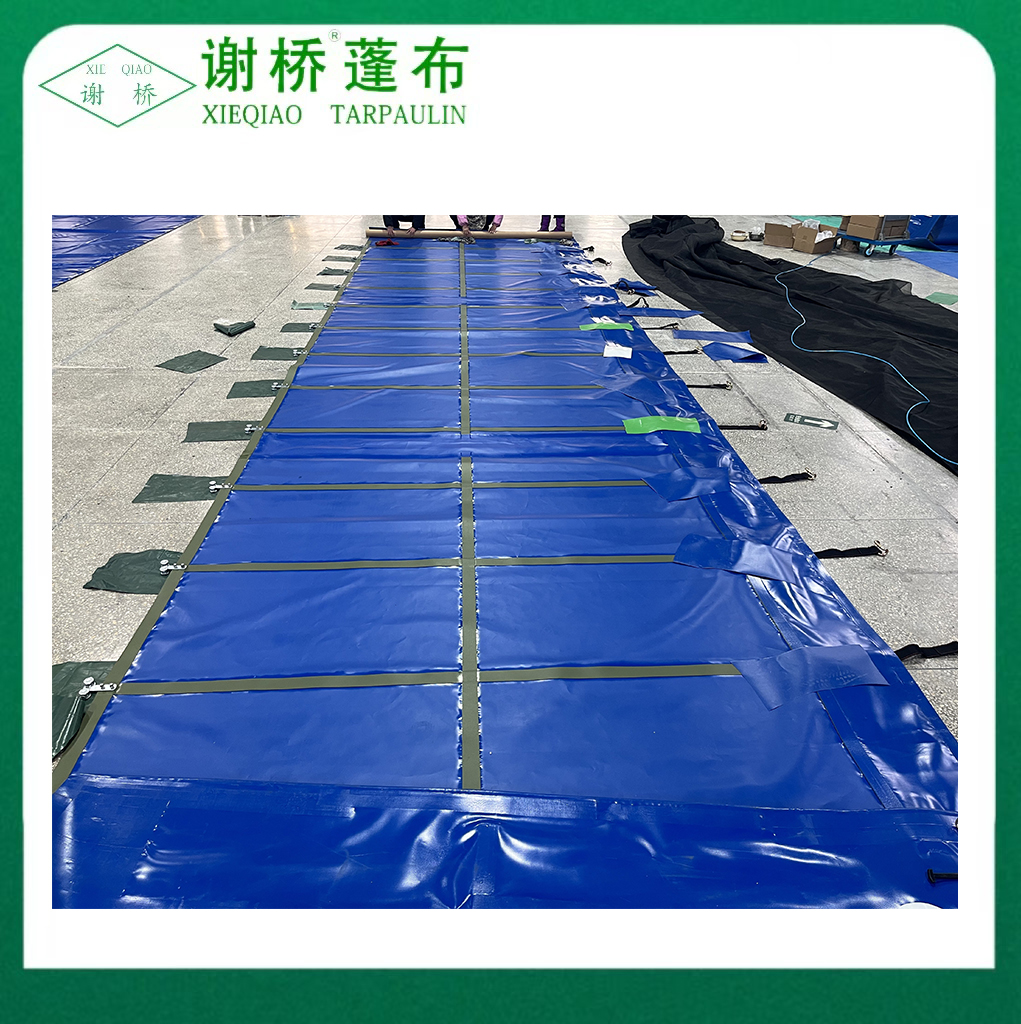
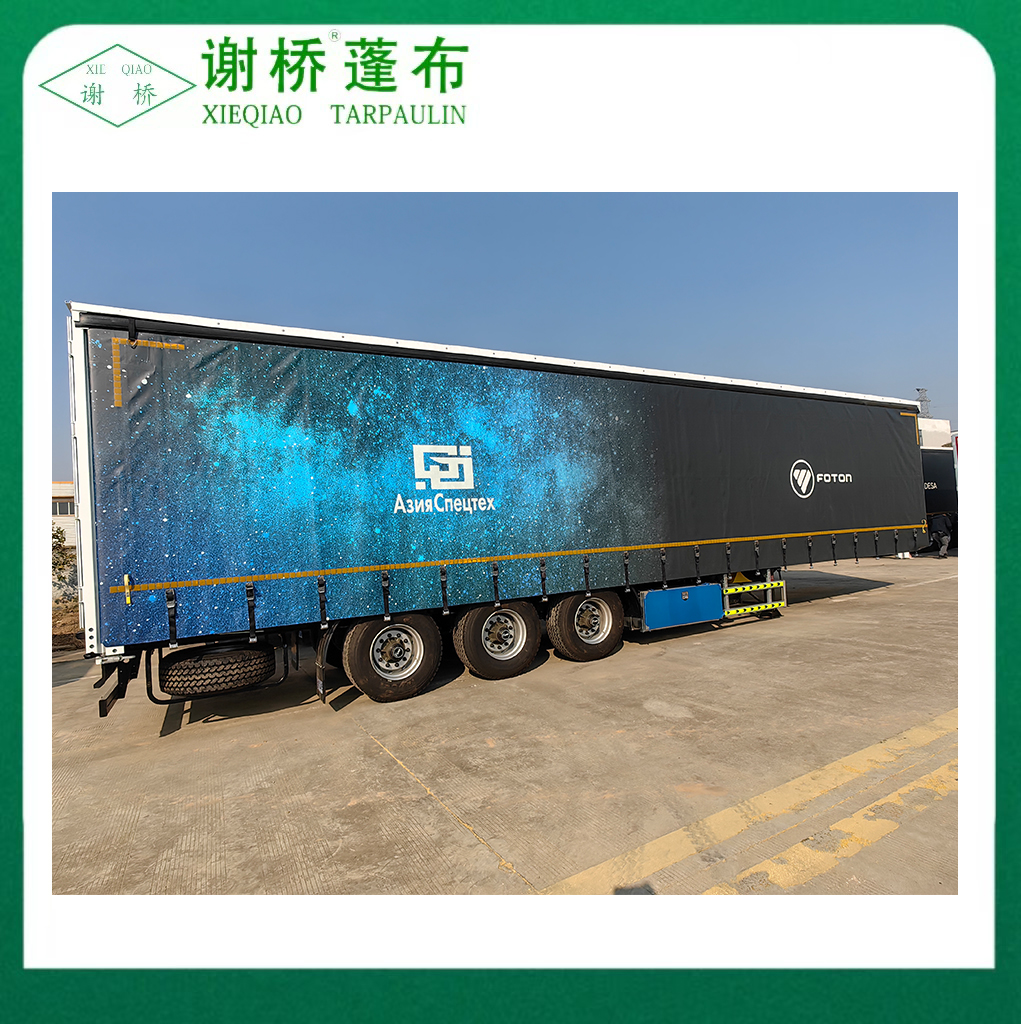
Truck and trailer tarpaulins must withstand high wind speeds during transit, repeated folding and unfolding during loading operations, and prolonged UV exposure across years of daily use. Heavy-duty PVC tarpaulins in the 650–900 gsm range with welded seams rather than sewn seams are standard for commercial transport use — welded seams maintain waterproof integrity along the join line in a way that sewn seams inherently cannot. Anti-rattle and anti-flap treatments, achieved through specific weave structures or surface texturing, reduce wind noise during transit and minimize vibration-induced abrasion where the tarpaulin contacts load edges or vehicle structures.
Even a high-quality waterproof tarpaulin will underperform or fail prematurely if it is rigged incorrectly. Proper installation technique dramatically extends service life and ensures reliable waterproof coverage in challenging weather conditions.
Regular maintenance significantly extends the service life of a waterproof tarpaulin and preserves its waterproofing performance over multiple years of use. The care procedures required are straightforward and require minimal time investment relative to the extended product life they deliver.
Recommended Products



 The Industrial Park of Wuqiao Town, Jiangdu District, Yangzhou City, Jiangsu Province, China.
  +86-15252561063
  +86-15252561063
  [email protected]