Specializing in all kinds of custom tarpaulins Custom Tarpaulin Product Manufacturers

 русский
 Français
News
 Home / News / Industry News / How Does a Fireproof Tarpaulin Actually Work — and Where Do You Really Need One?
  2026.04.16
 Industry News
Content
A fireproof tarpaulin is a specially engineered protective covering designed to resist ignition, slow flame spread, and shield people, equipment, and structures from heat exposure. Unlike standard polyethylene or PVC tarps, fireproof tarpaulins are manufactured using flame-retardant fabrics and heat-resistant coatings that help maintain structural integrity when exposed to sparks, embers, or direct flames for a limited period.
The working principle of a fireproof tarpaulin is based on thermal resistance and flame suppression. The surface material is often treated with flame-retardant chemicals or constructed from inherently fire-resistant fibers such as fiberglass, silicone-coated cloth, or specially treated canvas. These materials either prevent combustion altogether or significantly reduce the rate at which fire spreads across the surface.
When exposed to high temperatures, the outer layer acts as a thermal barrier, reducing heat transfer to the objects beneath it. In many industrial settings, this property is critical for protecting machinery, construction materials, and personnel during welding, cutting, or emergency fire situations.
The effectiveness of a fireproof tarpaulin depends on several scientific and material principles. These principles determine how well the tarp can withstand heat, flame, and prolonged exposure to hazardous environments.
One of the main principles is thermal insulation. Fireproof tarpaulins are designed with materials that have low thermal conductivity, which means heat does not easily pass through them. This helps protect the covered surface from temperature rise and potential damage.
Flame-retardant materials are either inherently non-combustible or chemically treated to resist ignition. When exposed to flames, these materials may char instead of burning, forming a carbonized protective layer that blocks oxygen and slows combustion.
In industrial environments, flying sparks and molten metal droplets are common hazards. Fireproof tarpaulins are specifically designed to resist puncture and melting from these hot particles, making them highly suitable for welding operations.
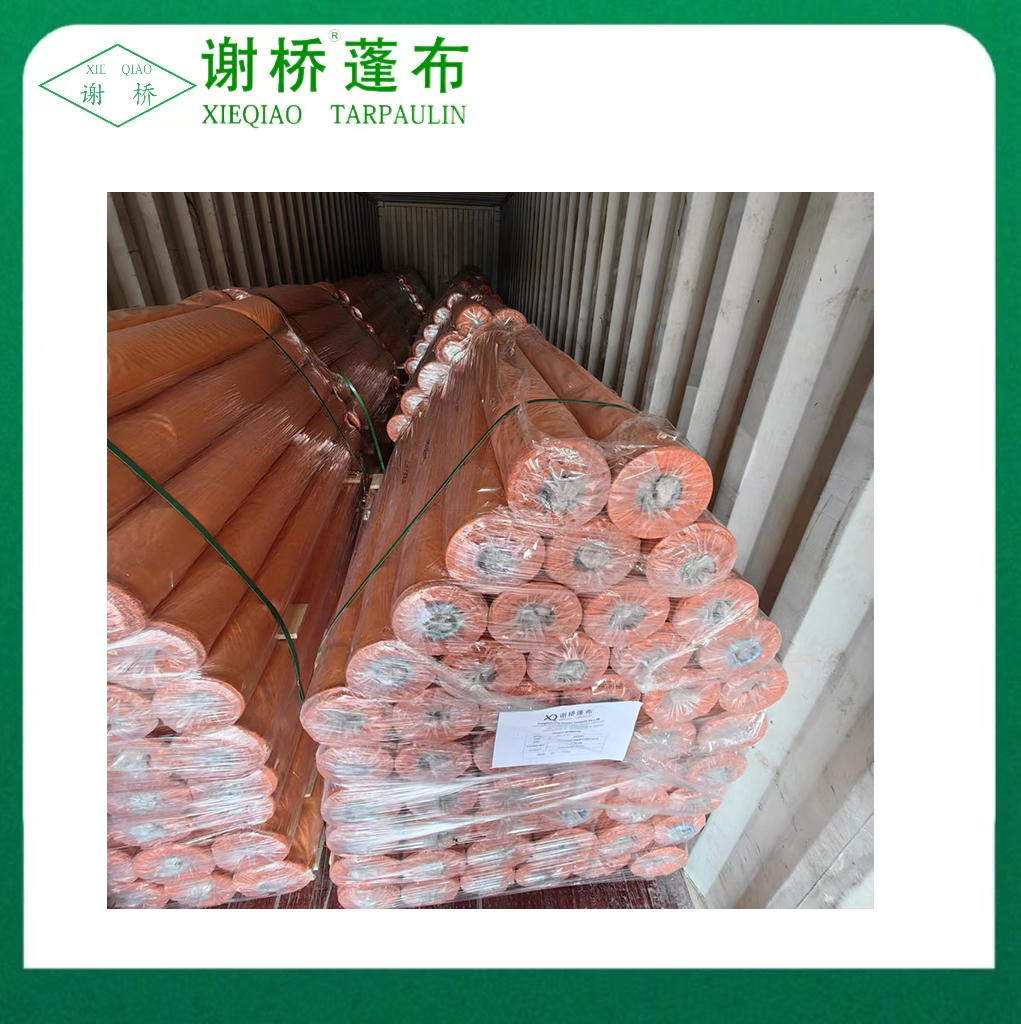
Material selection directly influences the tarp’s fire resistance, durability, and application range. Different industries often choose specific materials based on the level of protection required.
The usefulness of fireproof tarpaulins lies in their ability to provide practical safety solutions across multiple industries. Their protective performance helps reduce operational risks and property damage.
On construction sites, hot work such as welding and metal cutting is routine. Fireproof tarpaulins are used to cover scaffolding, materials, and surrounding structures to prevent accidental fires caused by sparks.
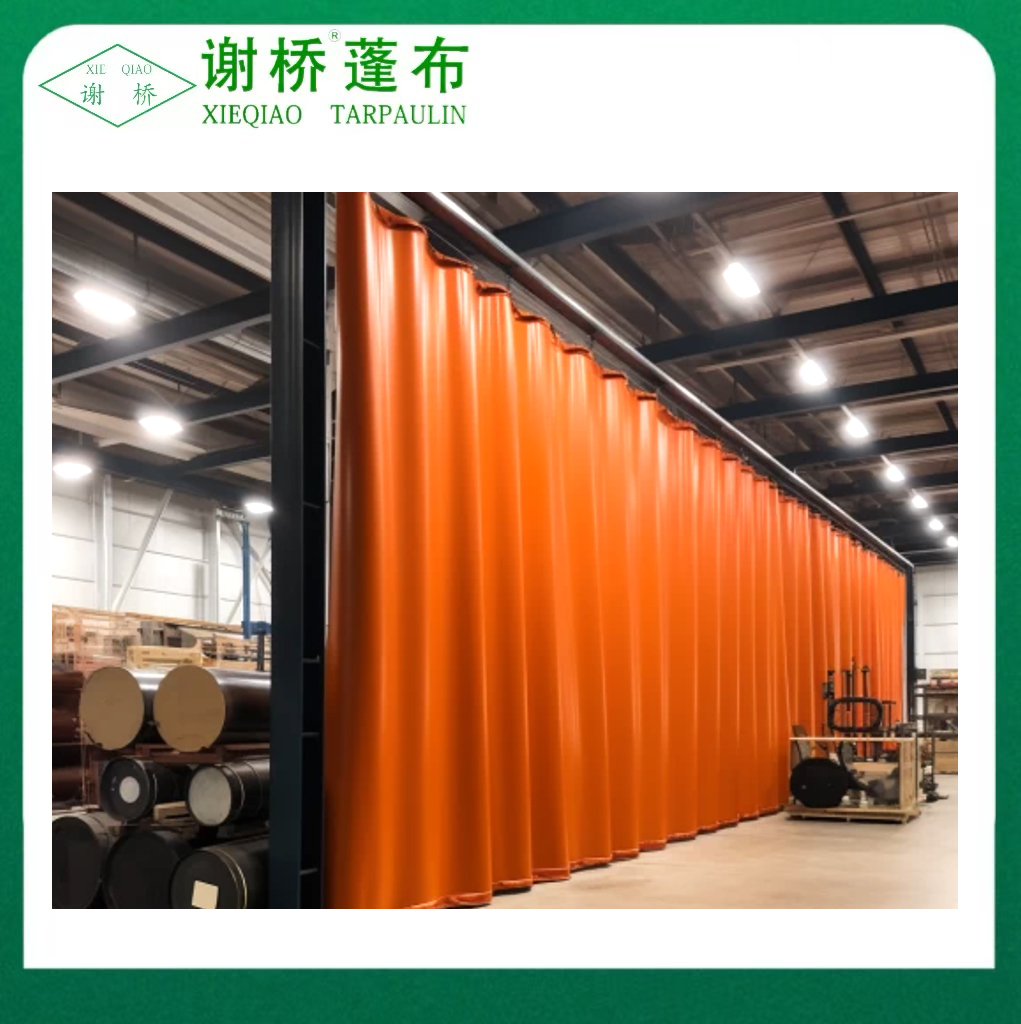
Factories and workshops often use these tarpaulins as machine covers, partition curtains, or temporary shields in areas where high temperatures are present. This helps improve workplace safety and ensures compliance with fire safety regulations.
In transportation, fireproof tarpaulins can protect flammable cargo or sensitive equipment during transit. They are especially useful for covering goods that may be exposed to heat sources or hazardous environments.
Fireproof tarpaulins are also used as emergency covers in fire-prone areas. They can serve as temporary barriers to slow the spread of flames and protect evacuation routes or critical assets.
Compared with standard tarpaulins, fireproof versions offer significantly better safety performance. The following table highlights the key differences.
| Feature | Fireproof Tarpaulin | Ordinary Tarpaulin |
| Flame Resistance | High | Low |
| Heat Insulation | Excellent | Minimal |
| Industrial Use | Highly Suitable | Limited |
| Durability Under Heat | Strong | Weak |
Choosing the right fireproof tarpaulin depends on the intended use. Factors such as temperature resistance level, thickness, material composition, waterproof capability, and outdoor durability should all be carefully evaluated.
The principles and usefulness of a fireproof tarpaulin make it an essential product in modern industrial safety and protection systems. By combining flame resistance, thermal insulation, and durable structural performance, it helps prevent accidents, reduce property loss, and improve operational reliability.
For businesses involved in construction, manufacturing, logistics, or emergency preparedness, investing in a high-quality fireproof tarpaulin is not only practical but also a critical step toward ensuring long-term safety and compliance.
Recommended Products



 The Industrial Park of Wuqiao Town, Jiangdu District, Yangzhou City, Jiangsu Province, China.
  +86-15252561063
  +86-15252561063
  [email protected]