Specializing in all kinds of custom tarpaulins Custom Tarpaulin Product Manufacturers

 русский
 Français
News
 2025.12.22
 Industry News
Content
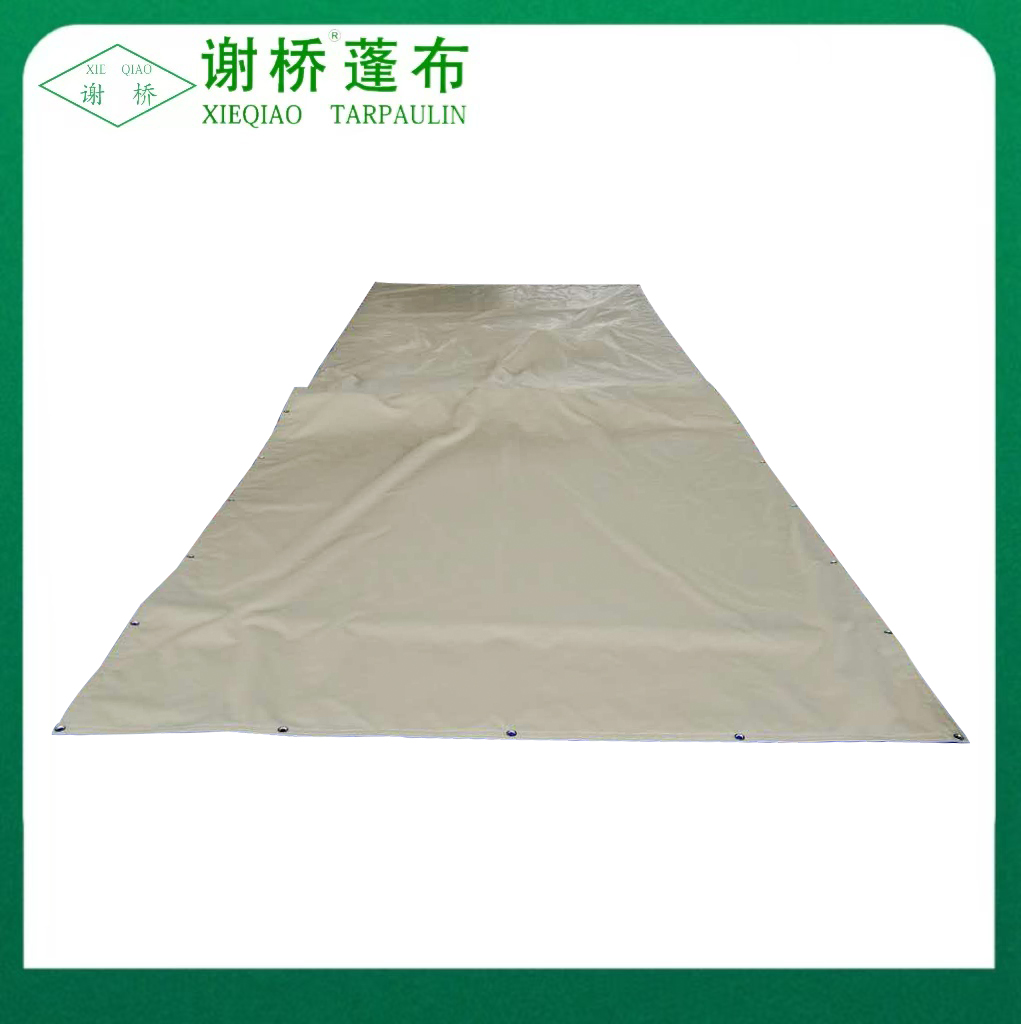
Fire retardant tarpaulin is a specially treated fabric designed to resist ignition and slow the spread of flames. Commonly used in industrial, commercial, and outdoor environments, this material provides a layer of protection against fire hazards. Its development has been driven by the increasing need for safety in workplaces, storage areas, and temporary structures, where flammable materials and open flames may be present. Understanding the effectiveness of fire retardant tarpaulin involves examining its materials, treatment processes, and real-world applications.
Fire retardant tarpaulins are typically made from durable synthetic fibers such as polyethylene (PE), polyester, or vinyl-coated fabrics. These fibers are coated or impregnated with fire retardant chemicals, which inhibit combustion. The type of fiber and the quality of the chemical treatment directly impact the tarpaulin's resistance to fire. Some tarpaulins also include UV stabilization to prevent degradation from sunlight, further extending their lifespan and maintaining fire resistance properties.
There are several common types of fire retardant coatings applied to tarpaulins:
Fire retardant tarpaulins are tested and certified according to international standards to ensure their reliability in critical applications. Common standards include:
These certifications provide assurance to industries, event organizers, and safety managers that the tarpaulin will perform effectively under fire exposure conditions.
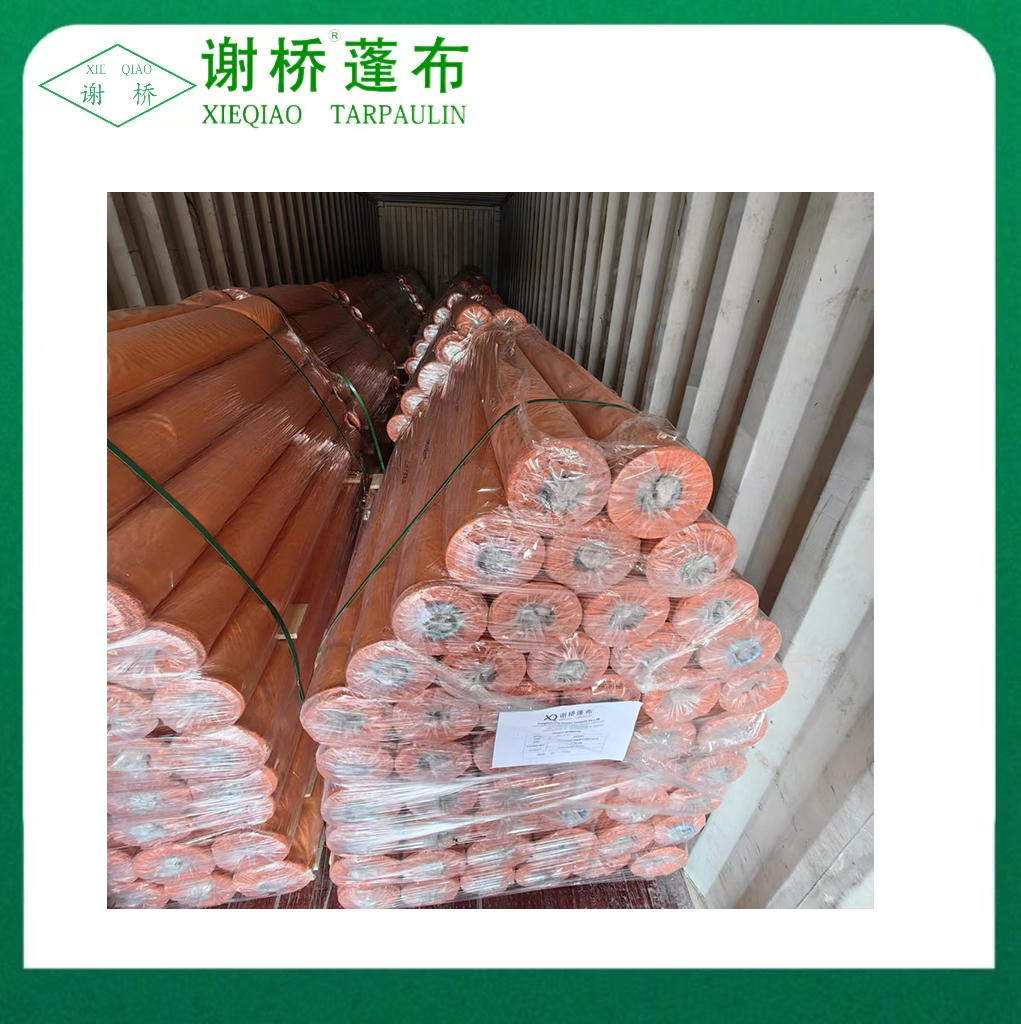
Fire retardant tarpaulins are widely used in environments where fire risk is significant. Their applications include:
High-quality fire retardant tarpaulins are designed to withstand harsh weather conditions including rain, wind, and UV exposure. This ensures that their fire-resistant properties remain effective over time, even when used outdoors for extended periods. Durability and resistance to wear and tear are critical in maintaining the protective function of these tarpaulins.
Fire retardant tarpaulins work primarily by:
Effectiveness depends on proper installation, usage, and maintenance. Over time, exposure to weather and repeated folding can reduce the chemical treatment's potency, so periodic inspection and re-treatment may be necessary.
To ensure maximum fire resistance, fire retardant tarpaulins require proper care:
While fire retardant tarpaulins significantly reduce fire risk, they are not completely fireproof. Considerations include:
Fire retardant tarpaulins are a practical and effective solution for mitigating fire hazards across various applications, from industrial and construction settings to outdoor events. By understanding the materials, certifications, applications, and maintenance requirements, users can maximize the protective benefits of these tarpaulins. While they do not make areas completely fireproof, they provide a critical layer of safety that can save lives, protect property, and ensure compliance with fire safety standards.
Recommended Products



 The Industrial Park of Wuqiao Town, Jiangdu District, Yangzhou City, Jiangsu Province, China.
  +86-15252561063
  +86-15252561063
  [email protected]