Specializing in all kinds of custom tarpaulins Custom Tarpaulin Product Manufacturers

 русский
 Français
News
 Home / News / Industry News / How to Choose the Right Heavy Duty Industrial Curtains for Your Facility?
  2025.12.18
 Industry News
Content
Heavy duty industrial curtains are an essential component in modern facilities, providing practical solutions for temperature control, dust containment, noise reduction, and workplace safety. Selecting the right curtains for your facility requires understanding your operational needs, environmental conditions, and the specific features offered by industrial curtain systems. This article explores how to make an informed choice to optimize efficiency, safety, and durability.
Before selecting industrial curtains, it is crucial to define their intended purpose within your facility. Heavy duty curtains are designed to perform in demanding industrial environments, including warehouses, manufacturing plants, cold storage areas, and workshops. They provide a barrier to control temperature, prevent dust and debris from spreading, reduce noise pollution, and improve safety by separating work zones or hazardous areas.
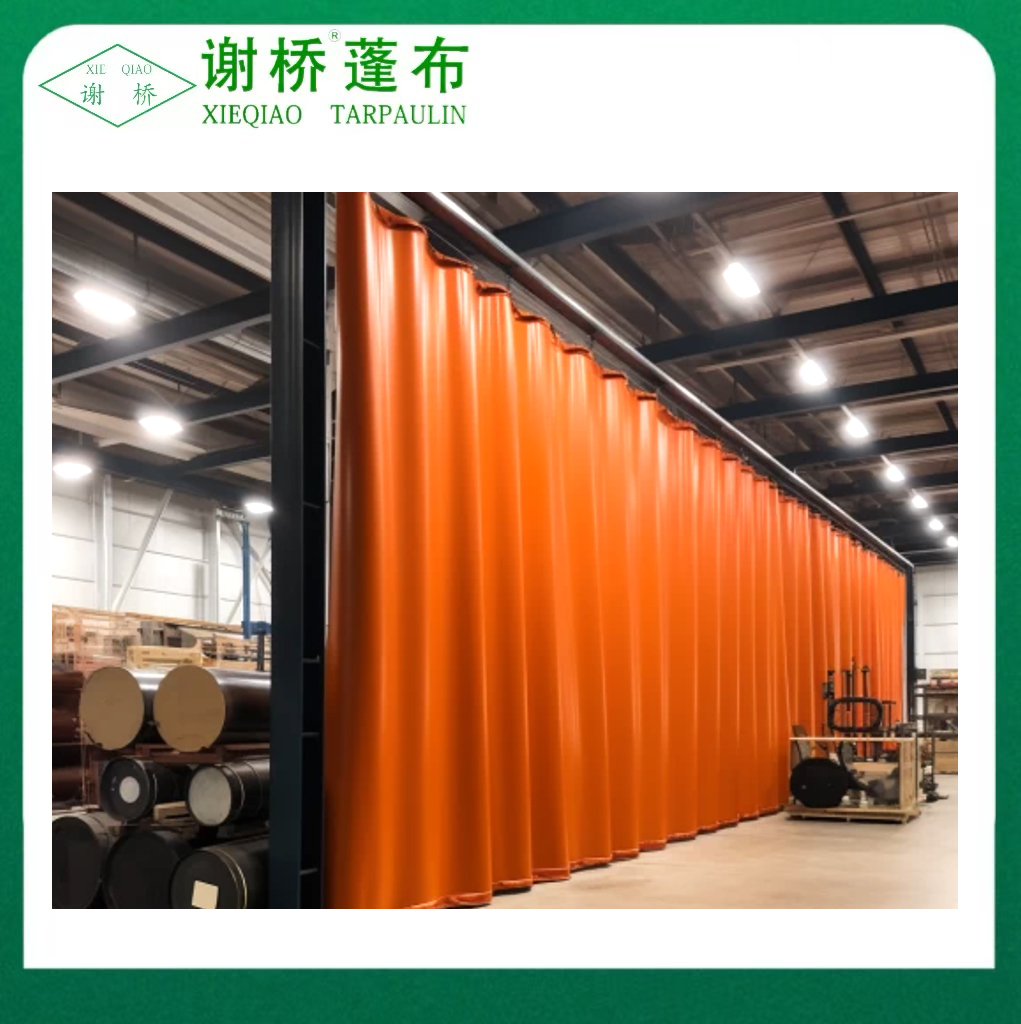
In facilities with heating or cooling requirements, industrial curtains help maintain consistent temperatures by reducing air movement between different zones. This is particularly important in cold storage facilities or areas where temperature-sensitive products are handled. Proper curtain selection ensures minimal energy loss and improved efficiency of HVAC systems.
Heavy duty industrial curtains act as a barrier against dust, debris, and airborne contaminants. In manufacturing plants, food processing units, and pharmaceutical facilities, controlling contamination is critical. Selecting curtains made from high-quality materials that are easy to clean and resistant to chemical exposure enhances hygiene and product safety.
Noise pollution is a common challenge in industrial environments. Heavy duty curtains, especially those made with thick or sound-absorbing materials, can significantly reduce noise transmission between work areas. Properly installed curtains create a quieter and safer working environment, improving employee comfort and productivity.
Choosing the right industrial curtains involves evaluating multiple factors to ensure the system meets operational needs. Consider the following key aspects:
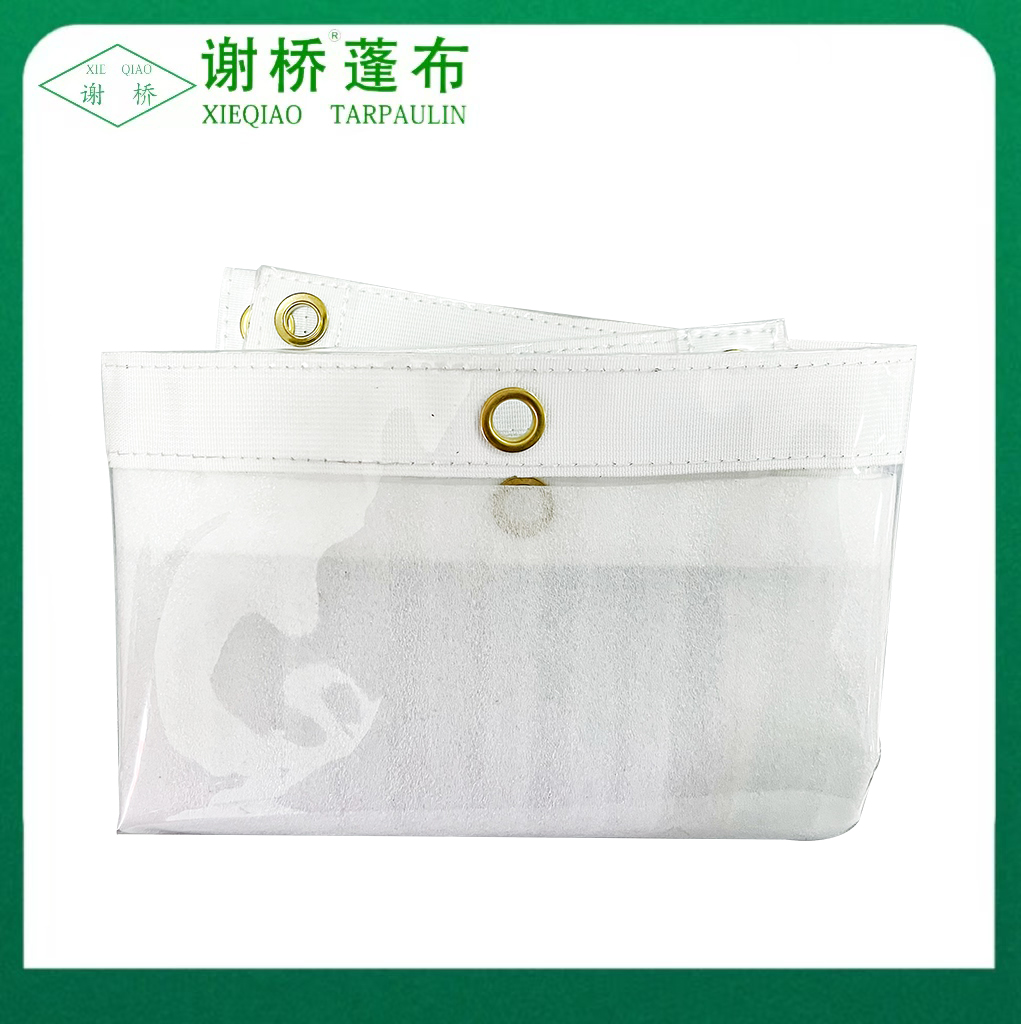
Materials determine durability, functionality, and maintenance requirements. Common options include PVC, vinyl, polyester, and reinforced fabrics. PVC curtains are popular for cold storage and hygienic areas due to their flexibility and easy cleaning. Heavy-duty vinyl and polyester offer enhanced durability in high-traffic areas and exposure to chemicals or abrasion.
Curtain thickness affects insulation, durability, and ease of operation. Thicker curtains offer better temperature control and noise reduction but may require heavier duty hardware. Lightweight curtains are easier to maneuver but may not withstand heavy traffic or abrasive environments. Choosing the appropriate thickness depends on facility requirements and curtain frequency of use.
Industrial curtains must comply with local fire safety regulations. Fire-retardant materials prevent the spread of flames and smoke, crucial in manufacturing, warehousing, and food processing facilities. Verify that curtains are certified for fire resistance and meet industry standards such as NFPA, UL, or EN certifications.
Consider environmental factors such as exposure to UV light, moisture, chemicals, or temperature fluctuations. Outdoor or semi-outdoor installations may require UV-stabilized materials resistant to fading and degradation. Indoor facilities exposed to high humidity or cleaning chemicals require water- and chemical-resistant fabrics.
Industrial curtains often accumulate dust, dirt, and grease. Materials that are easy to wipe clean, resistant to staining, and durable under repeated cleaning cycles are preferred. Regular maintenance prolongs curtain life and ensures hygienic conditions, especially in food and pharmaceutical sectors.
Proper installation is critical to maximize the performance and longevity of industrial curtains. Consider hardware, mounting options, and the type of curtain system suitable for your facility.
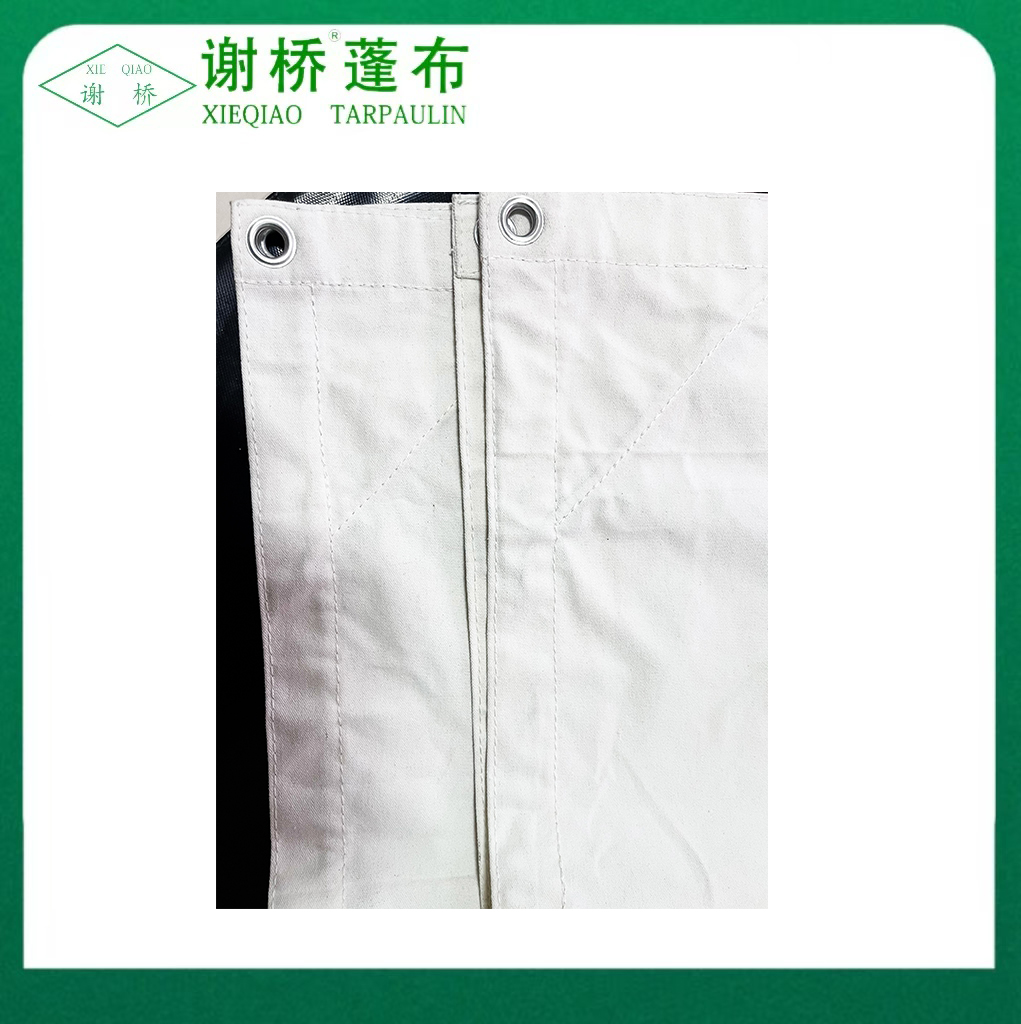
Heavy duty curtains require robust support systems. Options include ceiling tracks, wall-mounted brackets, and freestanding frames. Ceiling-mounted tracks are ideal for dividing work zones, while wall-mounted systems are suitable for areas with limited overhead space. Choose materials and fasteners that can support the weight of thick curtains.
Curtains can be manually drawn or operated automatically via motorized systems. Manual curtains are cost-effective for low-frequency use, while motorized curtains improve efficiency in high-traffic areas, cold storage access, or where hands-free operation is required. Automatic systems also minimize wear from frequent opening and closing.
Industrial curtains can be customized for width, height, color, transparency, and branding. Transparent panels allow visibility between work zones while maintaining barriers for dust and temperature control. Color-coding can enhance safety and workflow by clearly delineating different operational areas.
| Material | Durability | Temperature Resistance | Best Use | Maintenance |
| PVC | Moderate | -20°C to 60°C | Cold storage, food processing | Easy wipe clean |
| Vinyl | High | -10°C to 70°C | Workshops, chemical areas | Moderate cleaning required |
| Polyester | Very High | -10°C to 80°C | High-traffic industrial zones | Moderate cleaning required |
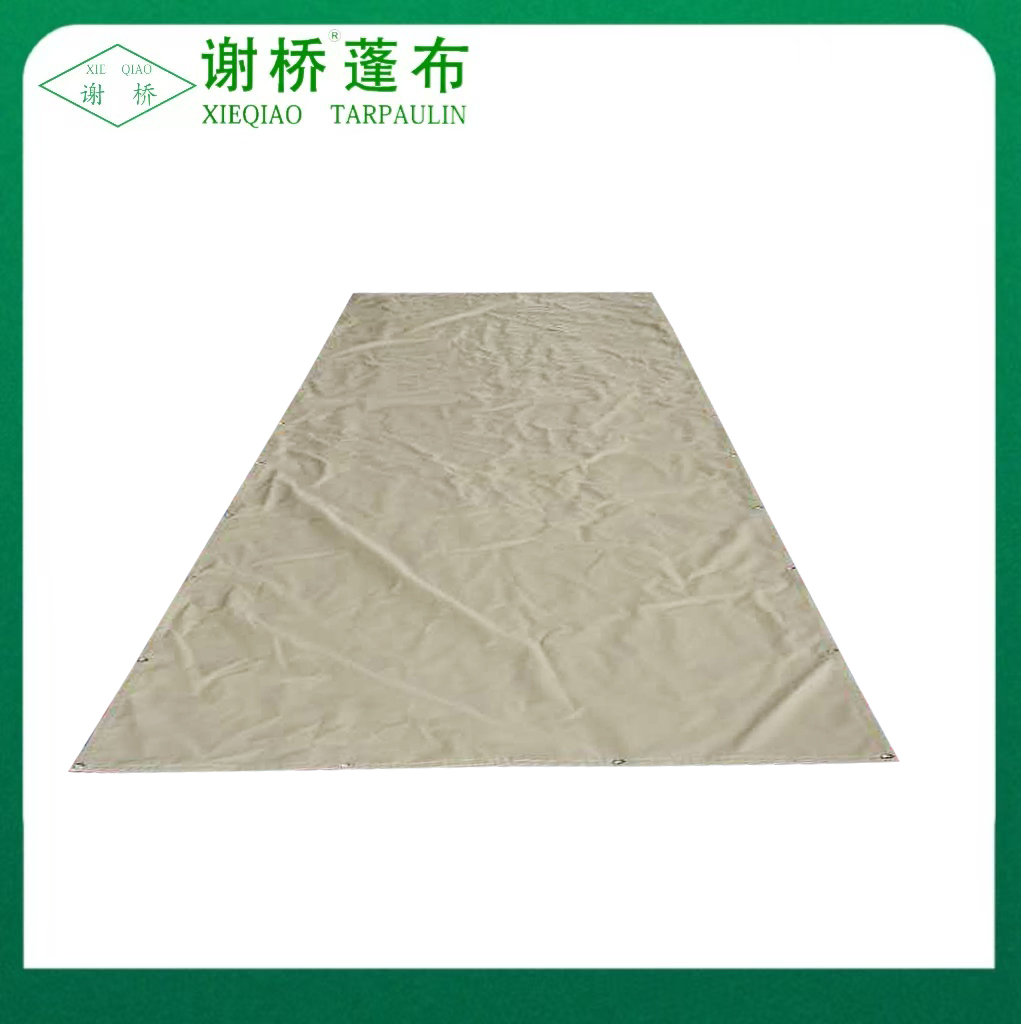
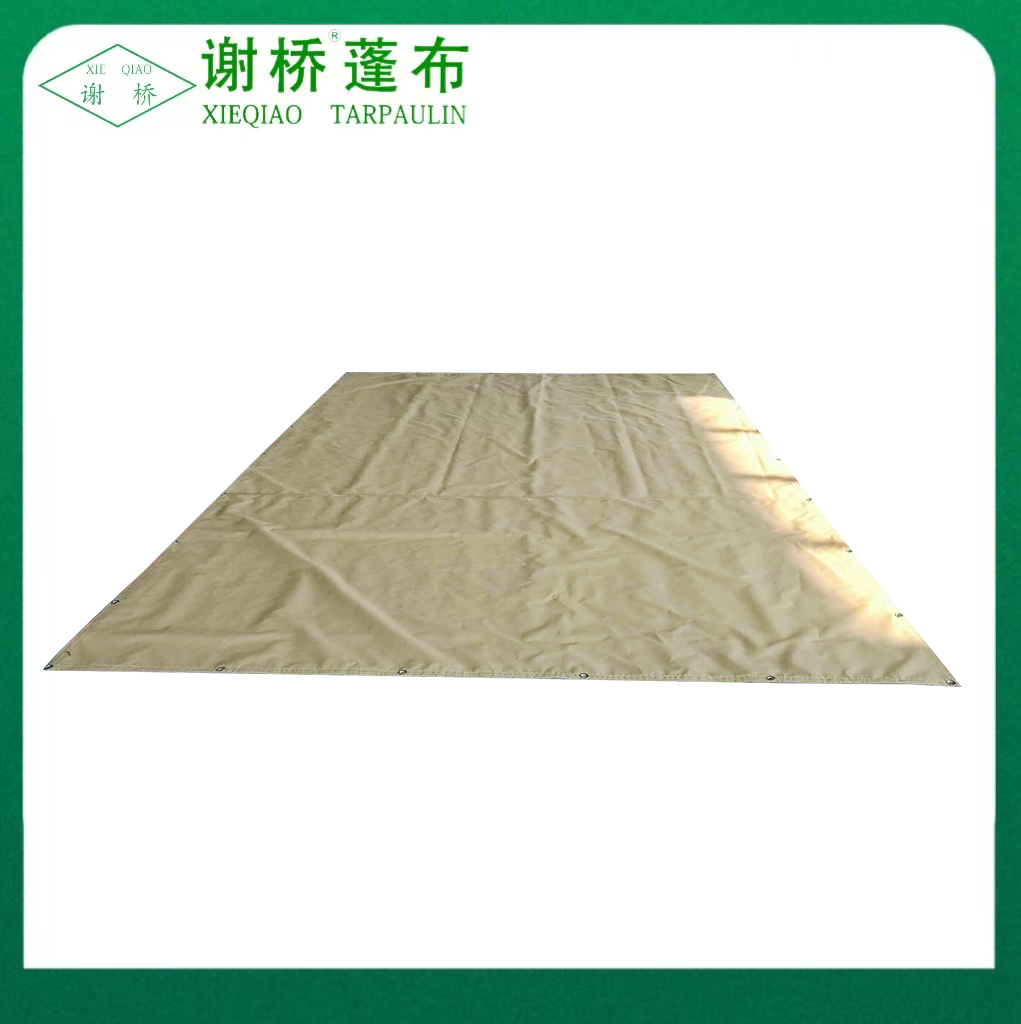
| Reinforced Fabric | Extreme | -20°C to 90°C | Heavy machinery, outdoor applications | Occasional cleaning required |
Budgeting for industrial curtains involves material costs, installation, hardware, and maintenance. While initial costs for heavy-duty curtains may be higher than standard partitions, the long-term benefits in energy savings, safety, and operational efficiency justify the investment. Consider total cost of ownership when selecting a curtain system.
Choosing the right heavy duty industrial curtains requires a clear understanding of your facility’s operational needs, environmental factors, material options, and installation methods. By carefully considering durability, fire safety, ease of maintenance, and functionality, facility managers can implement curtain systems that enhance efficiency, safety, and longevity. Investing in high-quality industrial curtains provides both immediate operational benefits and long-term value for any industrial or commercial facility.
Recommended Products



 The Industrial Park of Wuqiao Town, Jiangdu District, Yangzhou City, Jiangsu Province, China.
  +86-15252561063
  +86-15252561063
  [email protected]