Specializing in all kinds of custom tarpaulins Custom Tarpaulin Product Manufacturers

 русский
 Français
News
 2026.07.08
 Industry News
Content
Tarpaulins are used for a wide range of purposes, from covering construction materials and vehicles to providing temporary shelter and protecting agricultural equipment. Despite this broad range of applications, not all tarpaulins are built to perform the same way, and choosing the wrong type can lead to premature wear, water leakage, or material degradation from sun exposure. The base material, weave density, and coating type all influence how well a tarpaulin holds up under specific environmental conditions, making it important to match these characteristics to the intended use rather than choosing based on price or size alone.
Understanding the core factors that determine a tarpaulin's waterproofing ability, UV resistance, and overall durability allows buyers to make a more informed decision, particularly for applications where the tarpaulin will remain in place for extended periods or face harsh weather conditions on a regular basis.
Tarpaulins are manufactured from several base materials, each offering a different balance of strength, flexibility, and cost.
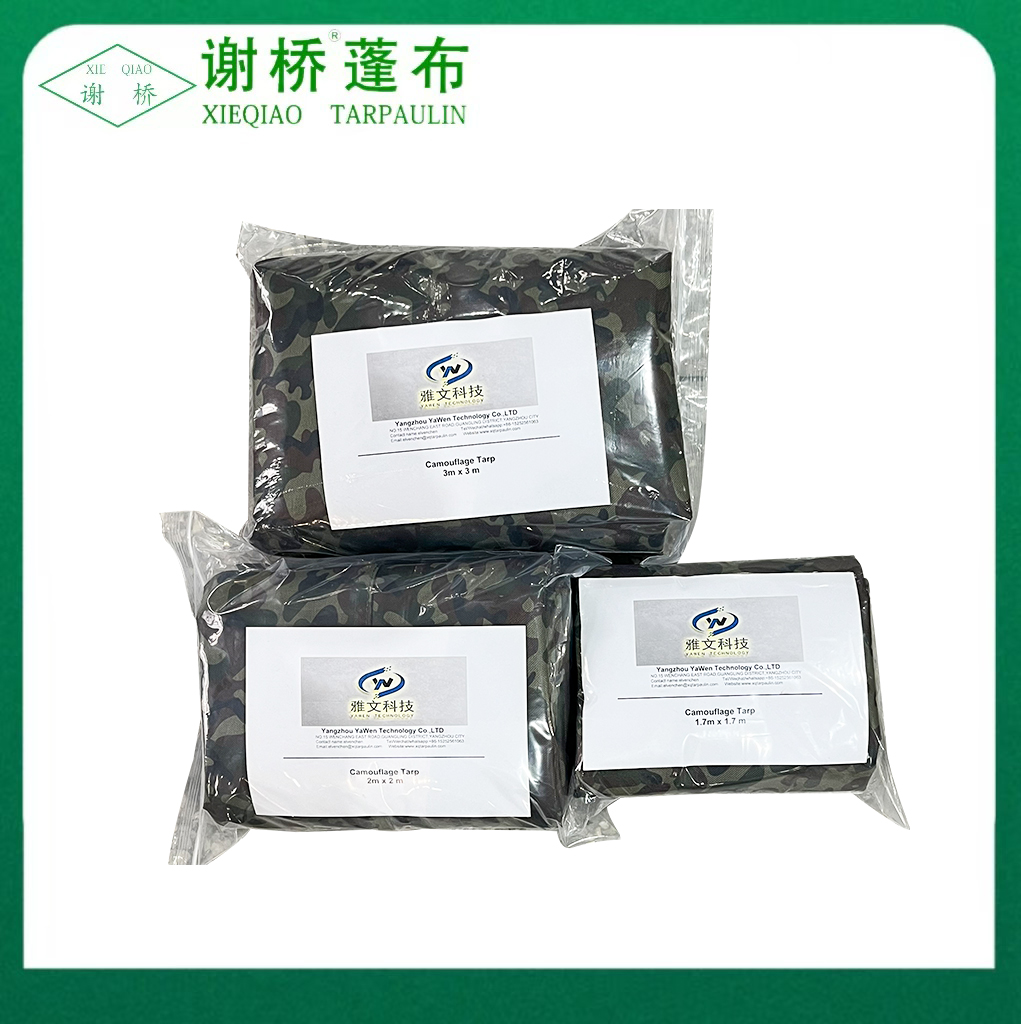
Polyethylene tarpaulins are among the most widely used and affordable options, typically constructed from woven polyethylene strips laminated with a plastic film on both sides. This construction provides good basic waterproofing and moderate UV resistance, making PE tarpaulins suitable for general-purpose covering tasks, though they tend to have a shorter service life than heavier-duty materials when exposed to constant outdoor conditions.
PVC-coated polyester tarpaulins combine a strong polyester fabric base with a polyvinyl chloride coating, resulting in a heavier, more durable material with excellent waterproofing and resistance to tearing. This type is commonly used in industrial, agricultural, and transportation applications where long-term outdoor exposure and heavy handling are expected.
Canvas tarpaulins, typically made from cotton or a cotton-polyester blend, offer a more breathable option compared to plastic-based materials. While canvas requires additional waterproofing treatment to perform well in wet conditions, its breathability makes it a preferred choice for covering items that need airflow, such as firewood or certain types of equipment prone to condensation buildup under non-breathable covers.
| Material | Waterproofing | Durability | Typical Use |
| Polyethylene (PE) | Good | Moderate | General covering, short-term use |
| PVC-Coated Polyester | Excellent | High | Industrial, long-term outdoor use |
| Canvas | Fair (with treatment) | Moderate to high | Breathable covering needs |
A tarpaulin's ability to resist water penetration depends largely on its coating and how tightly the base fabric is woven. Coated tarpaulins, whether treated with PVC, polyurethane, or acrylic finishes, create a barrier that prevents water from passing through the fabric, while uncoated woven materials rely primarily on tight weave density to slow water penetration, which generally offers less reliable protection during sustained rainfall.
Seam construction also plays a significant role in overall waterproofing performance, since even a highly water-resistant fabric can leak at poorly sealed seams. Heat-welded or double-stitched and taped seams generally offer better water resistance than simple stitched seams without additional sealing, particularly for tarpaulins that will be used in prolonged wet conditions or left in place through multiple rain events without being removed or repositioned.
Ultraviolet exposure is one of the primary causes of tarpaulin degradation over time, as UV rays break down the polymer structure in plastic-based materials, leading to brittleness, discoloration, and eventual cracking or tearing. Tarpaulins intended for long-term outdoor use should include UV stabilizers or inhibitors added during manufacturing, which slow this degradation process and extend the material's effective service life under continuous sun exposure.
Darker colored tarpaulins, particularly those in black or dark green, often provide somewhat better UV resistance than lighter colors due to how they absorb and dissipate sunlight, though the addition of UV stabilizing additives generally has a greater impact on longevity than color alone. Buyers working in regions with intense year-round sun exposure should specifically look for tarpaulins rated for extended UV resistance, since standard-grade materials without this treatment can degrade significantly faster in high-UV climates.
Tarpaulin weight, typically measured in grams per square meter (GSM) or ounces per square yard, provides a useful indicator of overall durability, though it should be considered alongside material type rather than as a standalone measure of quality.
Choosing a heavier tarpaulin than necessary can add unnecessary cost and weight, while an undersized weight rating for a demanding application often leads to premature failure, so matching this specification to actual use conditions is an important part of the selection process.
Different applications place different demands on a tarpaulin, and understanding these use-specific requirements helps narrow down the right material and specification combination.
Proper care can significantly extend the usable life of any tarpaulin, regardless of material type. Removing debris, dirt, and standing water regularly prevents added weight and material stress that can accelerate wear, particularly around grommets and seams where tearing is most likely to begin.
Storing tarpaulins in a dry location when not in use, rather than leaving them balled up while damp, helps prevent mold growth and material degradation, especially for canvas tarpaulins that are more susceptible to moisture-related damage. For tarpaulins used in high-wind areas, securing all grommet points with appropriate rope or bungee cords reduces the flapping motion that can accelerate fabric fatigue and tearing over time.
By carefully evaluating material type, coating, weight, and UV resistance against the specific demands of the intended application, buyers can select a tarpaulin that delivers reliable waterproofing and durability, reducing the need for frequent replacement and providing dependable protection across a wide range of outdoor and industrial uses.
Recommended Products



 The Industrial Park of Wuqiao Town, Jiangdu District, Yangzhou City, Jiangsu Province, China.
  +86-15252561063
  +86-15252561063
  [email protected]