Specializing in all kinds of custom tarpaulins Custom Tarpaulin Product Manufacturers

 русский
 Français
News
 Home / News / Industry News / What Are the Different Types of Truck Tarps and How Do You Choose One?
  2026.07.02
 Industry News
Content
Truck tarps are heavy-duty covers designed to protect cargo from weather, road debris, and moisture during transport, while also securing loose materials in place on flatbed or open trailers. Beyond basic protection, many jurisdictions legally require certain loads, particularly loose or granular materials like gravel, sand, or debris, to be covered during transport to prevent spillage and roadway hazards.
Selecting the right truck tarp involves balancing several factors, including the type of cargo being hauled, exposure to weather conditions, and how frequently the tarp will be used. A tarp that is too lightweight for the job may tear or wear out quickly, while an oversized or overly heavy tarp can add unnecessary weight and handling difficulty for drivers loading and unloading cargo regularly.
Unlike simple plastic sheeting, truck tarps are engineered with reinforced edges, grommets for securing rope or bungee cords, and coatings that resist UV degradation, abrasion, and tearing under constant highway wind exposure. This construction allows them to withstand repeated use across thousands of miles without failing.
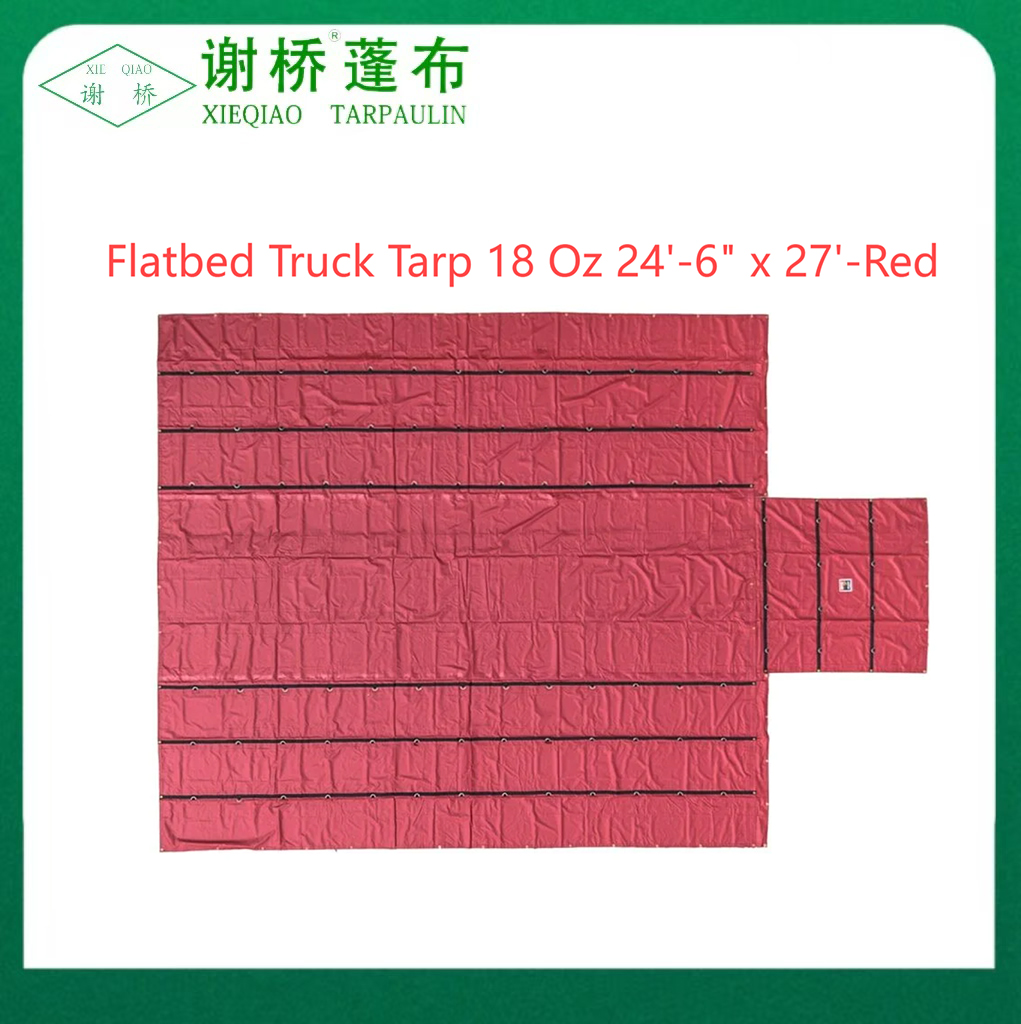
Truck tarps are manufactured from several different materials, each offering distinct advantages in terms of durability, weight, and cost. Choosing the right material depends on the specific hauling application and expected wear conditions.
| Material | Weight and Durability | Common Applications |
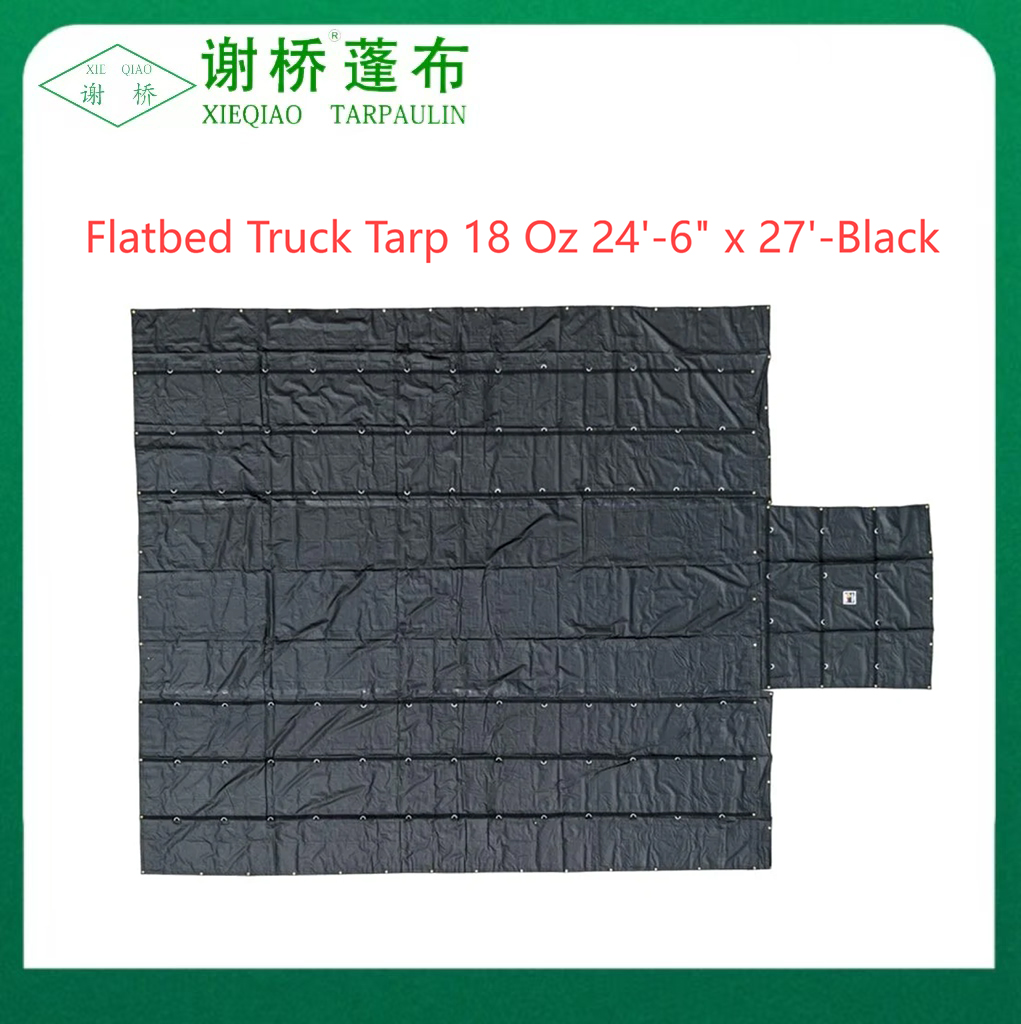
| Vinyl-Coated Polyester | Heavy, highly durable | Flatbed trucking, lumber, steel coils |
| Polyethylene | Lightweight, moderate durability | General cargo, temporary covering |
| Canvas | Breathable, moderate weight | Agricultural loads, hay, grain |
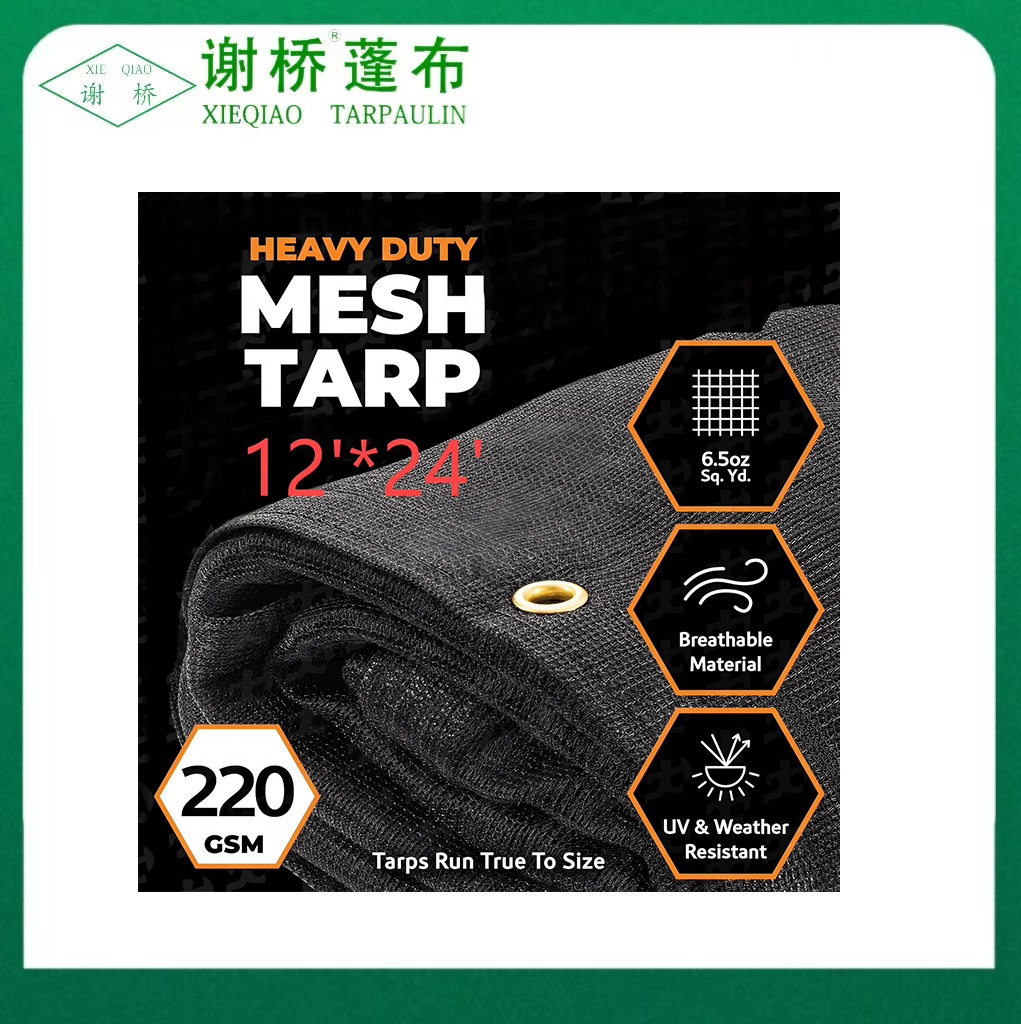
| Mesh Tarp | Lightweight, wind-permeable | Debris, gravel, dump truck loads |
Vinyl-coated polyester tarps are widely used in flatbed trucking because they resist tearing, abrasion, and UV exposure far better than lighter alternatives, making them suitable for hauling heavy or sharp-edged cargo like lumber and steel over long distances and repeated use cycles.
Beyond material differences, truck tarps are also designed in specific styles suited to different vehicle types and cargo configurations. Matching the tarp style to the trailer and load ensures proper coverage and secure fastening.
Several structural features distinguish a durable, long-lasting truck tarp from a lower-quality alternative. Reinforced grommets, spaced consistently along the edges, allow for secure attachment points that resist tearing under the constant tension and wind pressure experienced during highway transport.
Double or triple-stitched seams provide additional strength at points most likely to experience stress, while heat-welded seams offer superior waterproofing compared to sewn alternatives by eliminating needle holes that can allow moisture penetration. UV-resistant coatings also play an important role in extending tarp lifespan, particularly for tarps used regularly in sun-intensive climates.
Heavier tarps generally offer better durability but require more effort to handle, which becomes an important consideration for drivers who tarp and untarp loads multiple times per day. Some operators opt for lighter-weight materials specifically to reduce physical strain, even if it means more frequent tarp replacement.
When selecting a truck tarp, measuring the trailer bed and cargo dimensions accurately is essential to ensure full coverage without excessive overhang that could catch wind or drag on the road. Buyers should also consider the typical cargo type hauled, since a mismatch between tarp material and load characteristics, such as using a lightweight tarp for sharp-edged steel, can lead to premature tearing and costly replacement.
Regular inspection for small tears, worn grommets, or seam separation can help catch minor damage before it becomes a larger failure during transport. Storing tarps folded and dry when not in use, away from prolonged sun exposure, also helps extend their usable lifespan and maintain their protective performance over repeated hauling cycles.
Recommended Products



 The Industrial Park of Wuqiao Town, Jiangdu District, Yangzhou City, Jiangsu Province, China.
  +86-15252561063
  +86-15252561063
  [email protected]