Specializing in all kinds of custom tarpaulins Custom Tarpaulin Product Manufacturers

 русский
 Français
News
 2026.04.02
 Industry News
Content
Canvas in its natural state is a tightly woven fabric — traditionally made from cotton, and increasingly from synthetic fibers like polyester or a cotton-polyester blend — that offers impressive durability and tensile strength. However, raw canvas is not inherently waterproof. Water will eventually penetrate the weave under sustained exposure or pressure. What transforms standard canvas into waterproof canvas is the application of a treatment, coating, or finishing process that either seals the fibers themselves or creates a continuous barrier layer across the fabric surface.
There is an important distinction between water-resistant and waterproof canvas that buyers frequently overlook. Water-resistant canvas can repel light rain and brief exposure to moisture but will eventually wet out and allow water penetration under prolonged conditions. Truly waterproof canvas maintains its barrier integrity under sustained hydrostatic pressure — the standard measure used to rate waterproofing in technical fabrics. For applications like truck tarps, boat covers, and outdoor shelters where prolonged rain exposure is expected, the difference between these two performance levels is critical.
Understanding how a canvas has been waterproofed tells you a great deal about how it will perform in real-world conditions, how long the treatment will last, and what maintenance it will need. The most widely used waterproofing methods for canvas fabrics are:
Wax-treated canvas — most famously associated with brands like Barbour and used extensively in traditional outdoor gear — involves impregnating the cotton fibers with paraffin wax or a wax-oil blend. This method works by filling the spaces between fibers rather than coating the surface, which preserves the fabric's breathability to a significant degree. Oilskin canvas operates on a similar principle using linseed or other drying oils. The advantage of wax and oil treatments is their repairability: the treatment can be reapplied at home using commercially available wax bars or sprays, extending the life of the canvas indefinitely. The drawback is that waxed canvas softens and can transfer wax to surfaces it contacts in warm temperatures, and it requires periodic re-treatment to maintain performance.
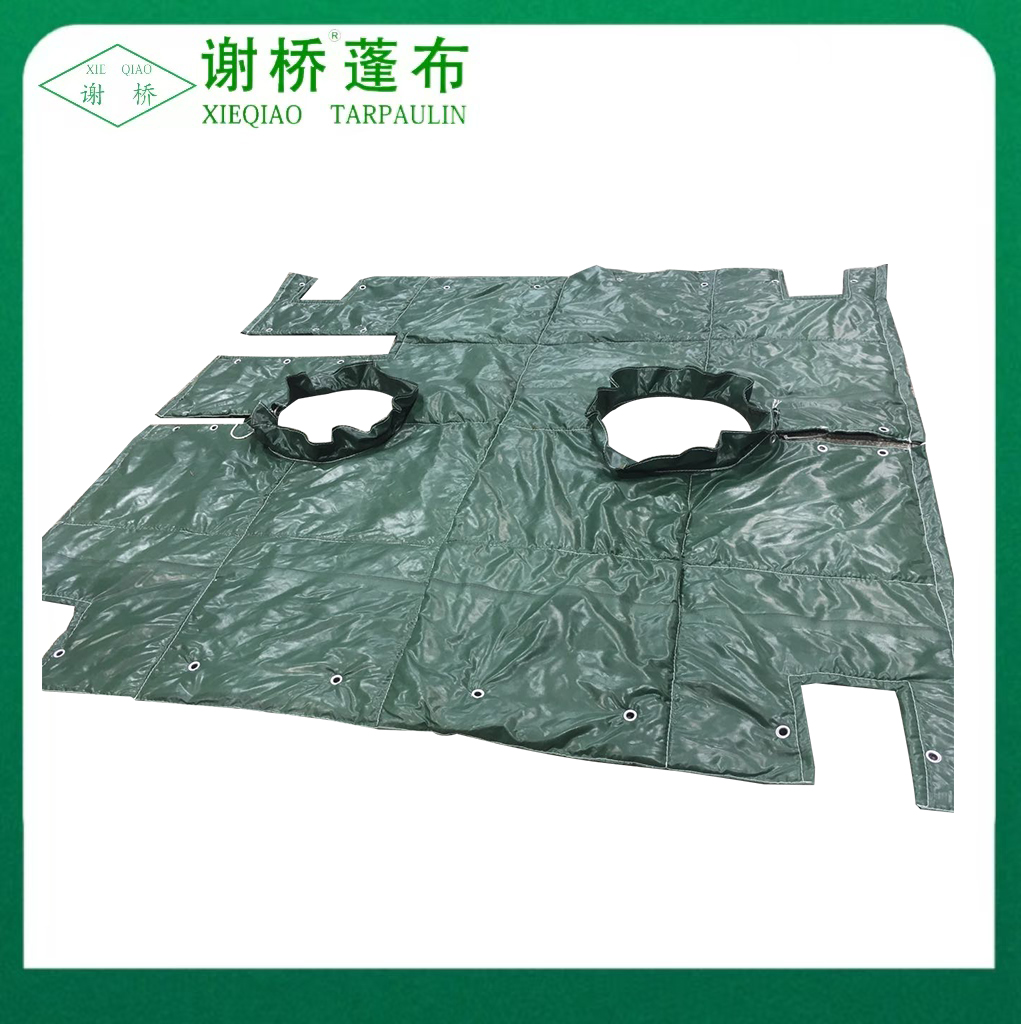
PVC-coated canvas is produced by laminating or coating a woven fabric substrate — typically polyester — with a layer of polyvinyl chloride. This creates an extremely effective waterproof barrier that is highly resistant to abrasion, UV degradation, and chemical exposure. PVC-coated canvas is the dominant material in heavy-duty industrial applications: truck tarps, construction site covers, agricultural covers, and industrial curtains. Polyurethane (PU) coatings offer a similar waterproof barrier with a softer hand and greater flexibility at low temperatures, making PU-coated canvas better suited to applications requiring frequent folding or use in cold climates. Both coatings add weight and reduce breathability compared to wax treatments, but they deliver superior waterproofing longevity without re-treatment requirements.
Acrylic-coated canvas, widely used in marine and outdoor furniture applications under brand names like Sunbrella, is produced using a solution-dyeing process where pigment is incorporated into the fiber before weaving, followed by an acrylic coating that provides water repellency. This method is prized for its exceptional color fastness — because the color is part of the fiber rather than applied to its surface, it resists fading from UV exposure far better than surface-dyed fabrics. Acrylic canvas is not fully waterproof in the same sense as PVC-coated canvas, but it provides excellent water repellency and dries rapidly, making it the preferred choice for boat covers, awnings, and outdoor cushion covers where breathability and appearance longevity matter as much as waterproofing.
Not all waterproof canvas products are created equal, and specifications vary significantly between suppliers and product lines. The following table outlines the most important technical parameters and what values to look for depending on your intended application:
| Specification | What It Measures | Recommended Value by Use |
| Weight (GSM) | Grams per square meter; indicates fabric density and durability | 300–400 GSM for bags; 500–900 GSM for tarps; 900+ GSM for industrial covers |
| Hydrostatic Head (mm) | Water pressure resistance before leaking occurs | 1,500 mm minimum for rain; 3,000+ mm for heavy outdoor use; 10,000+ mm for marine |
| UV Resistance Rating | Resistance to color fading and fiber degradation from sunlight | 500+ hours for general outdoor; 1,000+ hours for marine and awning use |
| Tensile Strength | Force required to tear the fabric | Higher values critical for tie-down points and high-wind applications |
| Mildew Resistance | Ability to resist mold and mildew growth when damp | Essential for storage covers, boat canvas, and humid climates |
Waterproof canvas serves a remarkably broad range of applications, and the right material choice differs significantly depending on the specific demands of each use case. Making the wrong selection — for instance, using a light acrylic canvas where a heavy PVC-coated tarp is needed — results in premature failure and increased cost over time.
For covering equipment, hay bales, firewood, or materials stored outdoors, heavy-duty PVC-coated polyester canvas in the 500 to 900 GSM range is the standard choice. The PVC coating provides excellent UV resistance, tear strength, and complete waterproofing even during extended periods of rain. Grommets reinforced with metal rings at regular intervals allow secure tie-down, preventing wind lift. For temporary agricultural use, lighter weight polyethylene-laminated canvas tarps offer a cost-effective alternative, though they sacrifice longevity for price.
Marine applications demand canvas that combines genuine waterproofing with UV stability, mildew resistance, and the ability to withstand salt air exposure without degrading. Solution-dyed acrylic canvas is widely used for boat cockpit covers, bimini tops, and sail covers where a finished, aesthetic appearance matters. For hull covers and storage applications where appearance is secondary to protection, heavier PVC-coated canvas or specialized marine-grade polyester canvas with welded seams provides more robust waterproofing. Seam treatment is particularly important in marine canvas — even highly waterproof base fabric will leak at sewn seams unless the stitching is sealed with seam tape or welded rather than stitched.
Waxed cotton canvas remains the material of choice for premium outdoor bags, rucksacks, and everyday carry goods where aesthetics and heritage matter alongside functionality. The characteristic matte, slightly textured appearance of waxed canvas ages gracefully, developing a patina with use that many buyers prize as part of the material's appeal. For bags requiring more consistent, maintenance-free waterproofing, PU-coated canvas offers a lighter weight alternative with excellent waterproofing performance and a softer drape that suits structured bag construction.
Fixed and retractable awnings are exposed to continuous UV radiation, repeated wetting and drying cycles, and wind loading over periods of years. Solution-dyed acrylic canvas is the premium standard for residential and commercial awnings due to its superior color retention — some manufacturers guarantee fade resistance for up to ten years under normal outdoor conditions. Polyester canvas with acrylic or PU coatings provides a more economical option. For awnings, breathability is also a consideration: fully waterproof membranes can trap moisture underneath the awning structure, promoting mildew and making the space beneath uncomfortably humid.
Even the highest quality waterproof canvas will underperform if improperly maintained. The maintenance requirements vary by canvas type, but several principles apply broadly across all waterproof canvas products:
The base fiber composition of waterproof canvas — whether natural cotton or synthetic polyester — influences performance characteristics beyond waterproofing alone. Cotton canvas has a natural softness, a distinctive texture, and breathability that many users prefer for lifestyle and fashion applications. It accepts wax treatments exceptionally well and ages in a manner that many buyers find appealing. However, cotton is heavier than polyester when wet, takes longer to dry, and is inherently more susceptible to mildew if not properly treated and maintained.
Polyester canvas dries faster, resists mildew more naturally, maintains its strength when wet, and is generally more dimensionally stable — it stretches and shrinks less with changes in temperature and humidity. These properties make polyester the practical choice for performance-oriented applications like truck tarps, construction covers, and marine use. Cotton-polyester blends attempt to balance the aesthetic appeal of cotton with the practical advantages of polyester, and they perform well in mid-range applications like workwear, bags, and casual outdoor covers.
Ultimately, selecting the right waterproof canvas means aligning the material's strengths with the specific demands of the application — considering weight, waterproofing performance level, UV exposure, maintenance requirements, and expected service life together rather than treating any single specification as the deciding factor.
Recommended Products



 The Industrial Park of Wuqiao Town, Jiangdu District, Yangzhou City, Jiangsu Province, China.
  +86-15252561063
  +86-15252561063
  [email protected]