Specializing in all kinds of custom tarpaulins Custom Tarpaulin Product Manufacturers

 русский
 Français
News
 2025.12.05
 Industry News
Content
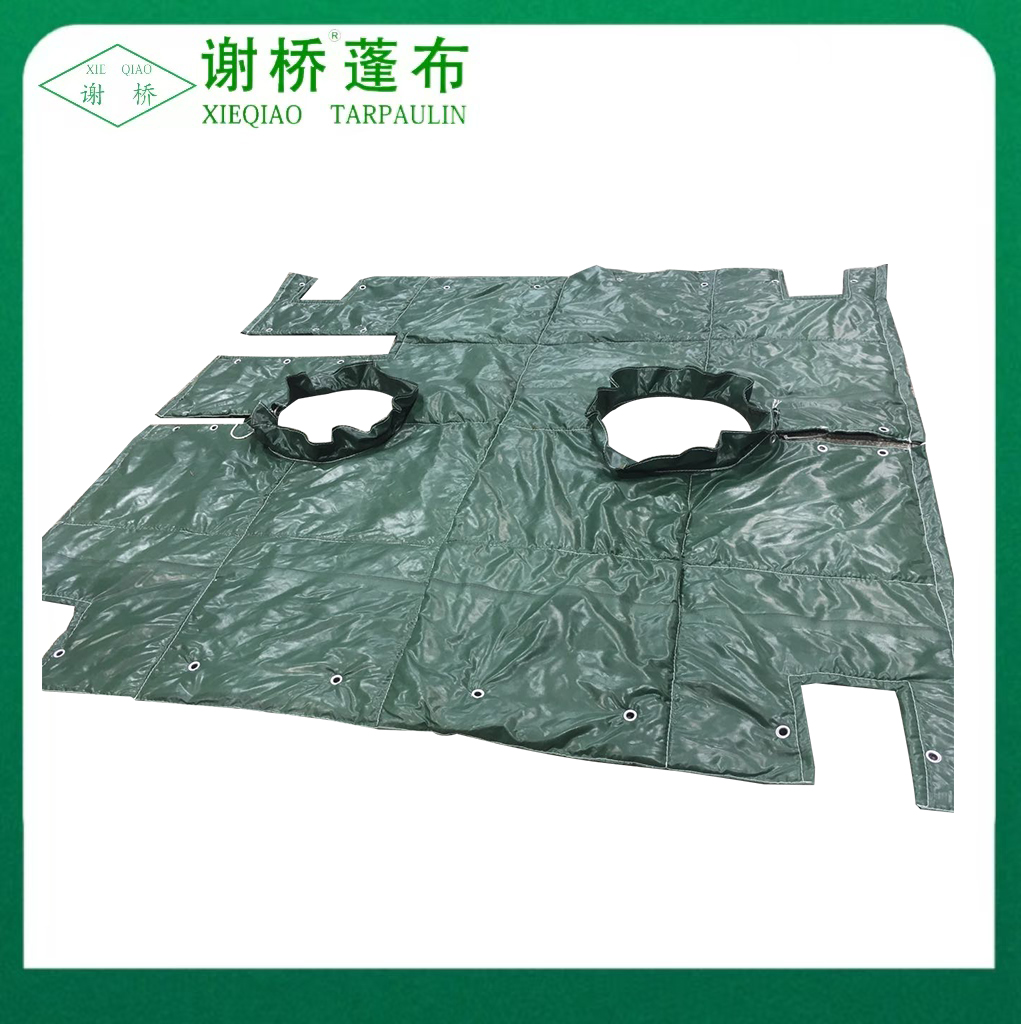
PVC waterproof covers are essential protective materials widely used across industries ranging from logistics and agriculture to construction and outdoor equipment. Known for their durability, excellent weather resistance, and cost-effectiveness, these covers provide a reliable shield against rain, sun exposure, dust, chemicals, and mechanical wear. Because the market offers many variations of PVC covers, it is important to understand their structure, performance capabilities, and best-use scenarios to ensure proper selection and long-term efficiency.
A PVC waterproof cover is typically made from polyvinyl chloride coated onto a polyester or nylon fabric base. This combination provides the strength of woven textiles with the impermeability of PVC, resulting in a material that resists water penetration while maintaining flexibility and mechanical stability. The thickness, coating density, and reinforcement pattern vary depending on the intended application, such as heavy-duty industrial use or lightweight temporary protection.
PVC covers come in a range of constructions and specifications designed to suit different environments. Differences in thickness, weave density, and coating weight significantly influence durability, price, and performance. Understanding these variations helps buyers match the right product with their operational needs.
| Type | Typical Thickness | Usage Scenario |
| Light-Duty PVC Cover | 0.25–0.35 mm | Home, garden, short-term outdoor use |
| Medium-Duty PVC Cover | 0.4–0.6 mm | Logistics, equipment protection, storage |
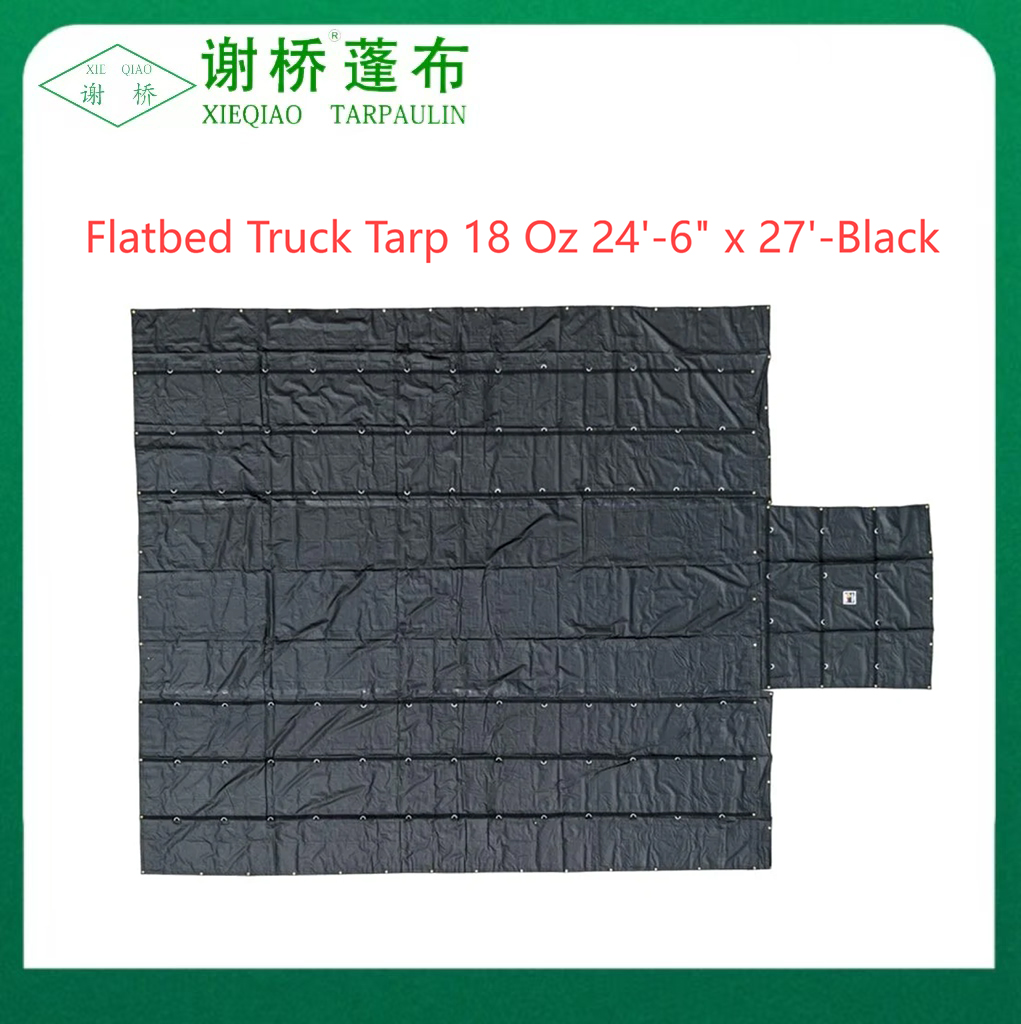
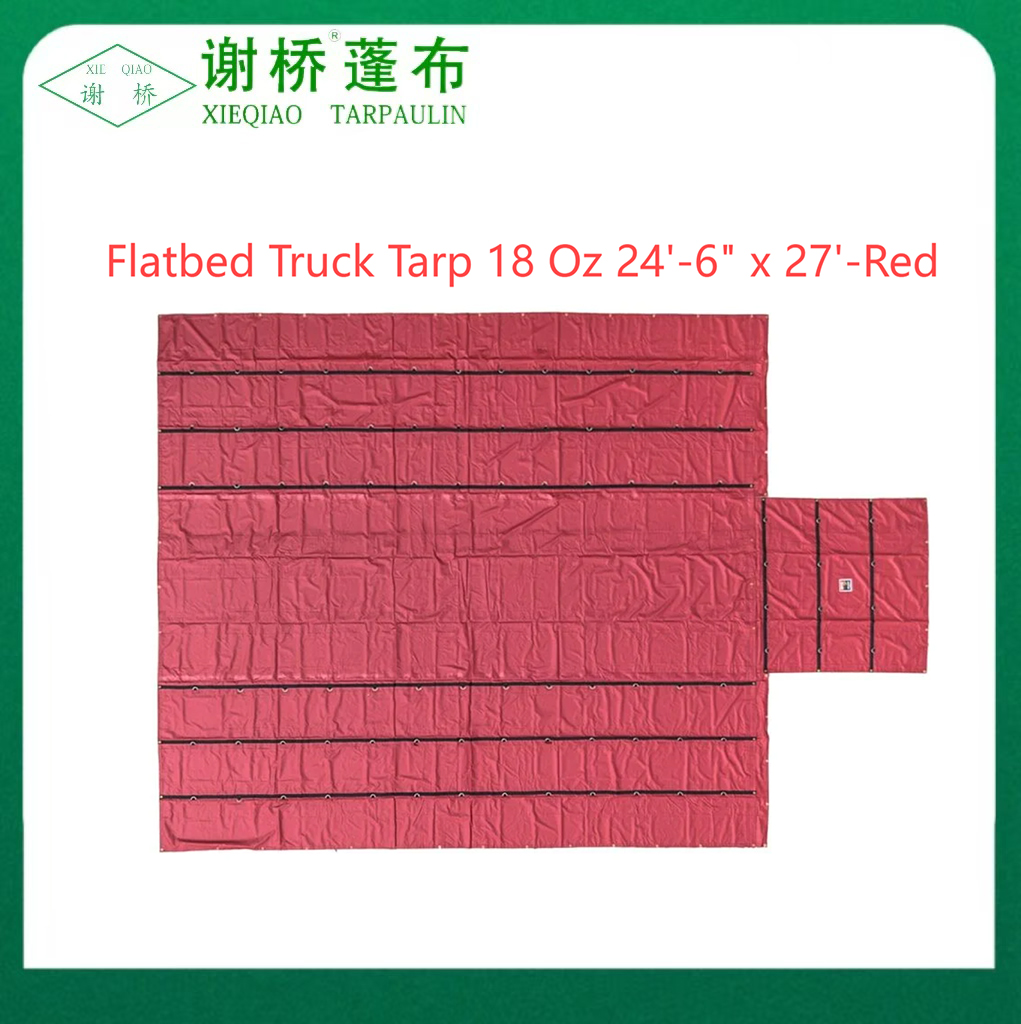
| Heavy-Duty PVC Cover | 0.7–1.2 mm | Construction, industrial machinery, transport trucks |
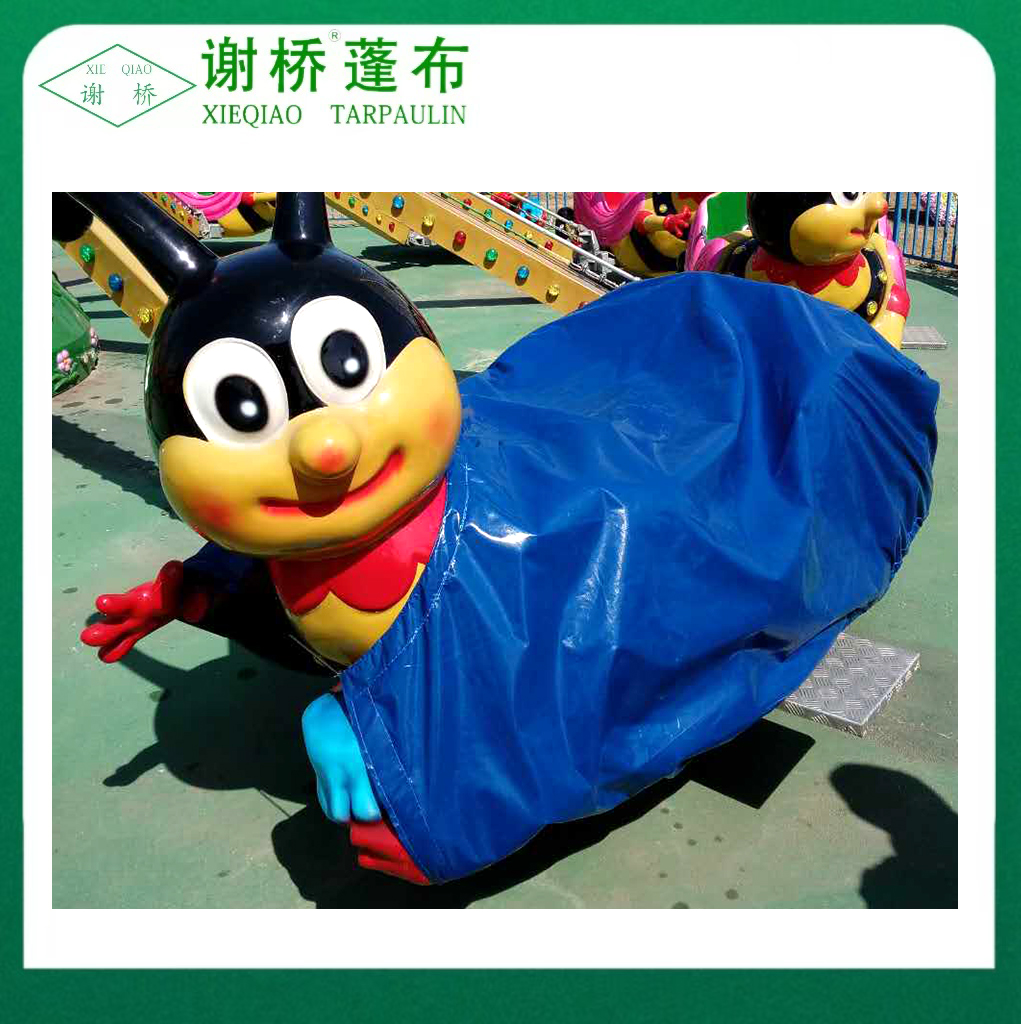
PVC waterproof covers serve a wide range of industries that require protection from environmental exposure, physical abrasion, and water damage. Because of their adaptability, they can be tailored for specific shapes, dimensions, and fastening systems. Their applications extend from simple household tasks to complex industrial operations.
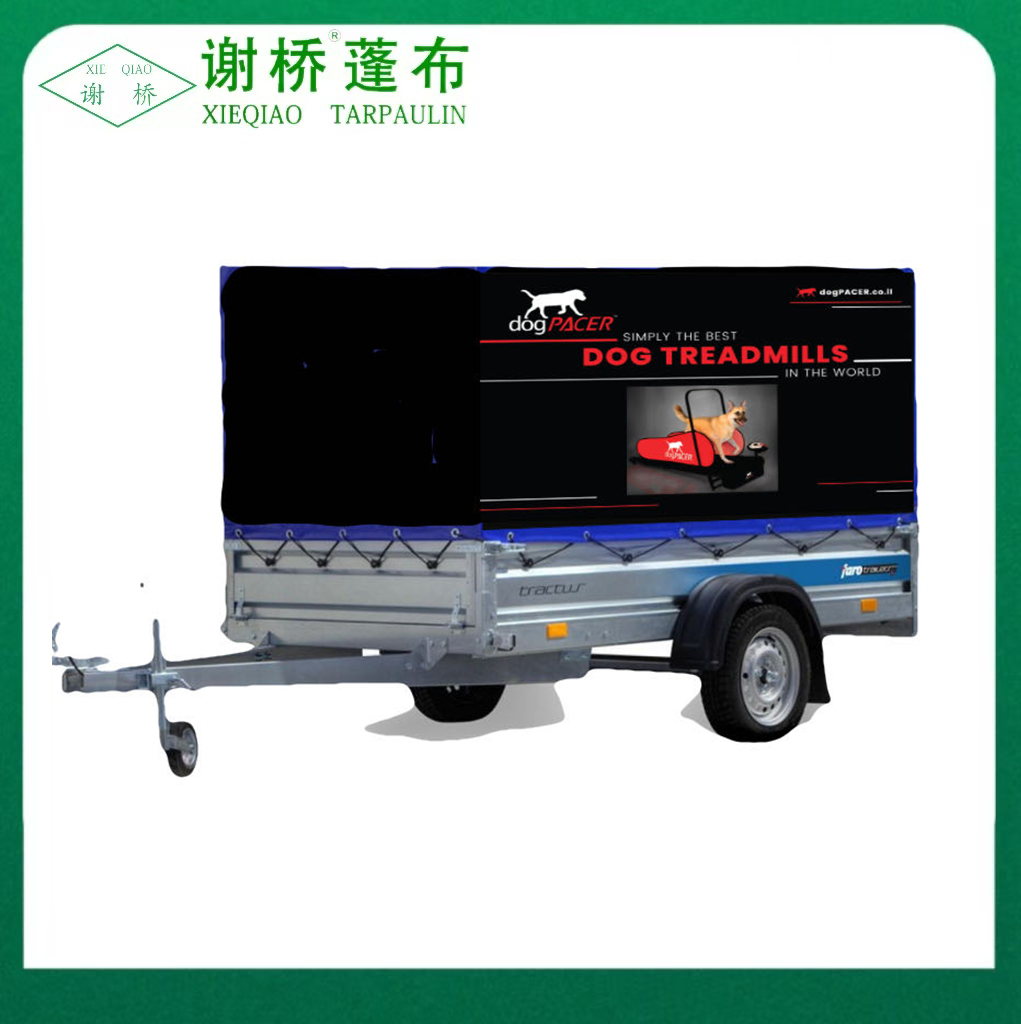
PVC covers are popular due to their impressive performance in adverse environments. They excel in resisting weather, chemicals, and mechanical stress, making them a long-lasting and cost-effective solution for protective applications. High-quality PVC covers are engineered to maintain their integrity even after long-term outdoor exposure.
Manufacturing PVC waterproof covers involves a combination of textile weaving, PVC coating, surface treatment, and fabrication. Each stage contributes to the final performance of the material, and manufacturers may adjust coating thickness, fiber density, or surface finishes to meet specific requirements.
Selecting the right PVC waterproof cover involves analyzing the environment, usage frequency, mechanical pressure, and required lifespan. Choosing the correct thickness and reinforcement level ensures the cover can withstand the specific conditions where it will be used. Evaluating design elements such as grommets, seams, and corner reinforcement also helps achieve better protection and durability.
Proper maintenance ensures maximum performance and longevity of PVC waterproof covers. Although PVC is durable, neglecting basic care can lead to premature wear, cracking, or mold growth. Following simple maintenance practices contributes significantly to product lifespan.
PVC waterproof covers stand out for their durability, waterproofing capability, weather resistance, and overall versatility. Whether applied in industrial environments, transportation, agriculture, or everyday outdoor protection, these covers offer dependable performance at a competitive cost. Understanding their material structure, performance strengths, and selection criteria helps ensure you choose the most suitable cover for long-term use. When selected thoughtfully and maintained properly, PVC waterproof covers provide an excellent balance of protection, longevity, and affordability.
Recommended Products



 The Industrial Park of Wuqiao Town, Jiangdu District, Yangzhou City, Jiangsu Province, China.
  +86-15252561063
  +86-15252561063
  [email protected]