Specializing in all kinds of custom tarpaulins Custom Tarpaulin Product Manufacturers

 русский
 Français
News
 2025.12.12
 Industry News
Content
Waterproof tarpaulins are a ubiquitous solution for temporary shelter, cargo protection, construction covers, and emergency response. But can they actually withstand extreme weather—high winds, heavy rain, snow loads, UV exposure, and extreme temperatures? The short answer is: some tarpaulins can perform well in severe conditions if they are correctly specified, installed, and maintained. This article gives a practical, evidence-based guide to how different tarpaulin materials behave in extreme weather, what construction features matter, how to install and secure covers against storms and snow, how to evaluate product ratings, and how to repair and maintain tarps for extended service life.
Material choice is the primary determinant of performance. The three most common waterproof tarpaulin materials are polyethylene (PE), polyvinyl chloride (PVC) laminated fabric, and heavy-duty coated canvas (cotton or poly-cotton). Each has different mechanical properties, UV resistance, temperature tolerance, and abrasion behavior that directly affect extreme-weather survivability.
PE tarps are lightweight and inexpensive. They are typically woven HDPE scrim with a polyethylene coating. Modern PE tarps can be waterproof and treated with UV stabilizers, but thin consumer-grade PE tarps are prone to tearing, UV embrittlement, and seam failure under sustained wind. Heavy-duty reinforced PE with high GSM (grams per square meter) and welded seams performs better, but expect limited long-term resistance to continuous high winds or prolonged UV exposure without replacement cycles.
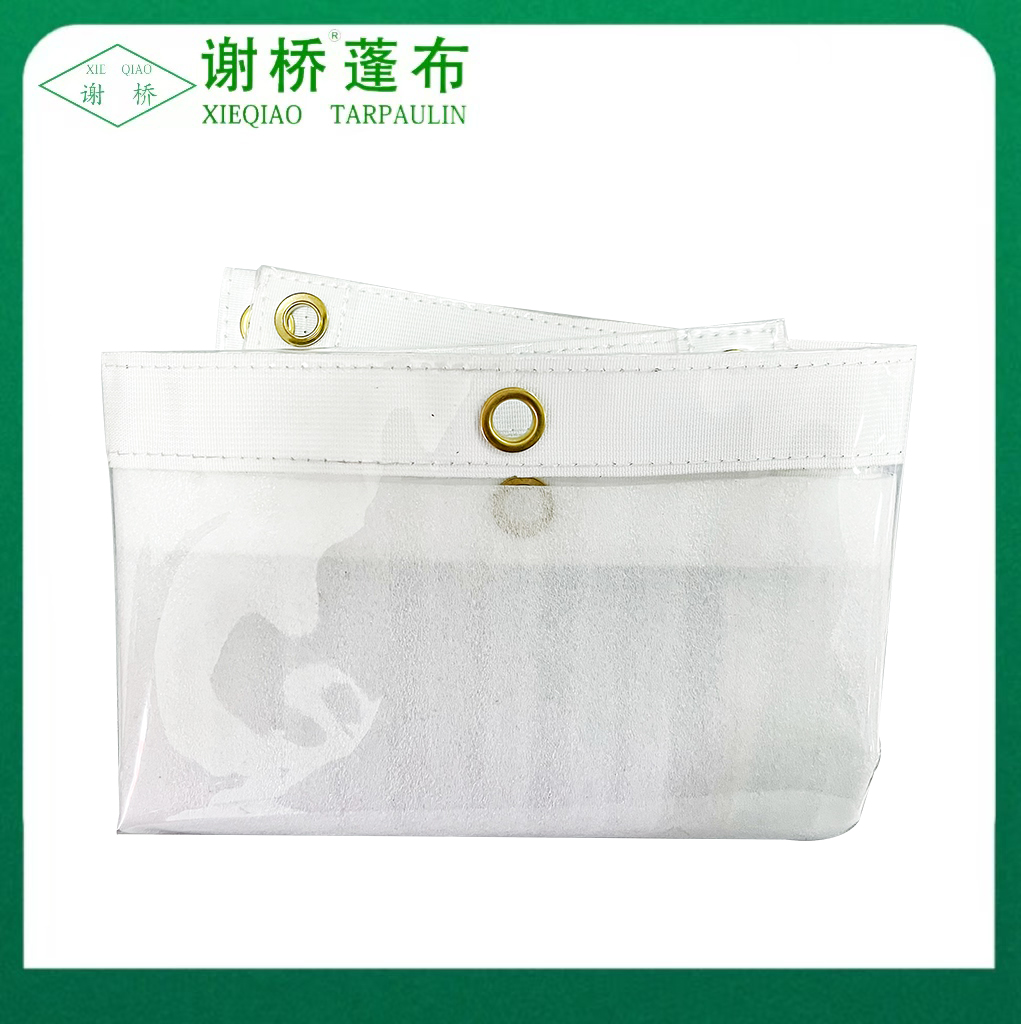
PVC tarps are built from woven polyester or nylon fabric coated on one or both sides with PVC. They combine high tensile strength, excellent abrasion resistance, and superior waterproofing. PVC tarps are frequently used in trailers, industrial covers, and construction sheeting and are much more durable in extreme conditions than cheap PE tarps. They also withstand wide temperature ranges and can be engineered with UV-stable pigments and flame-retardant formulations for demanding applications.
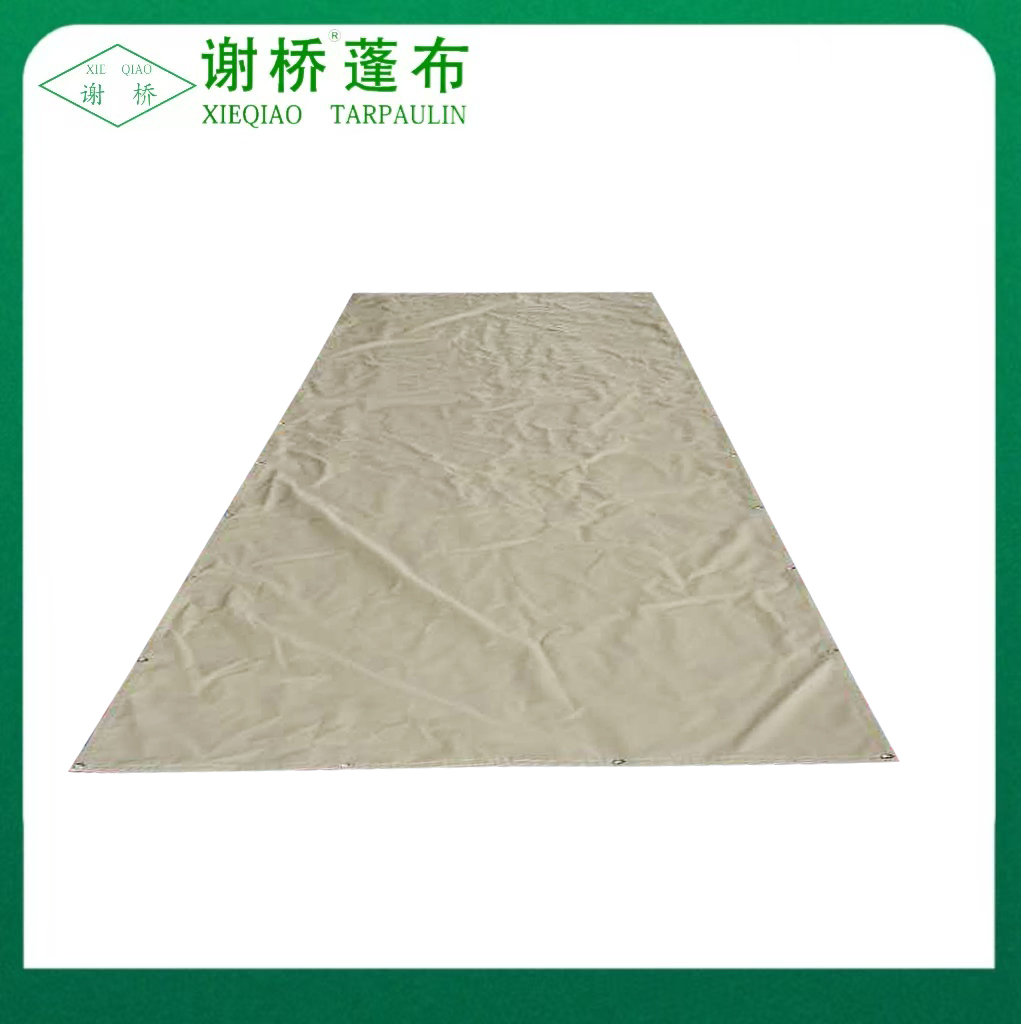
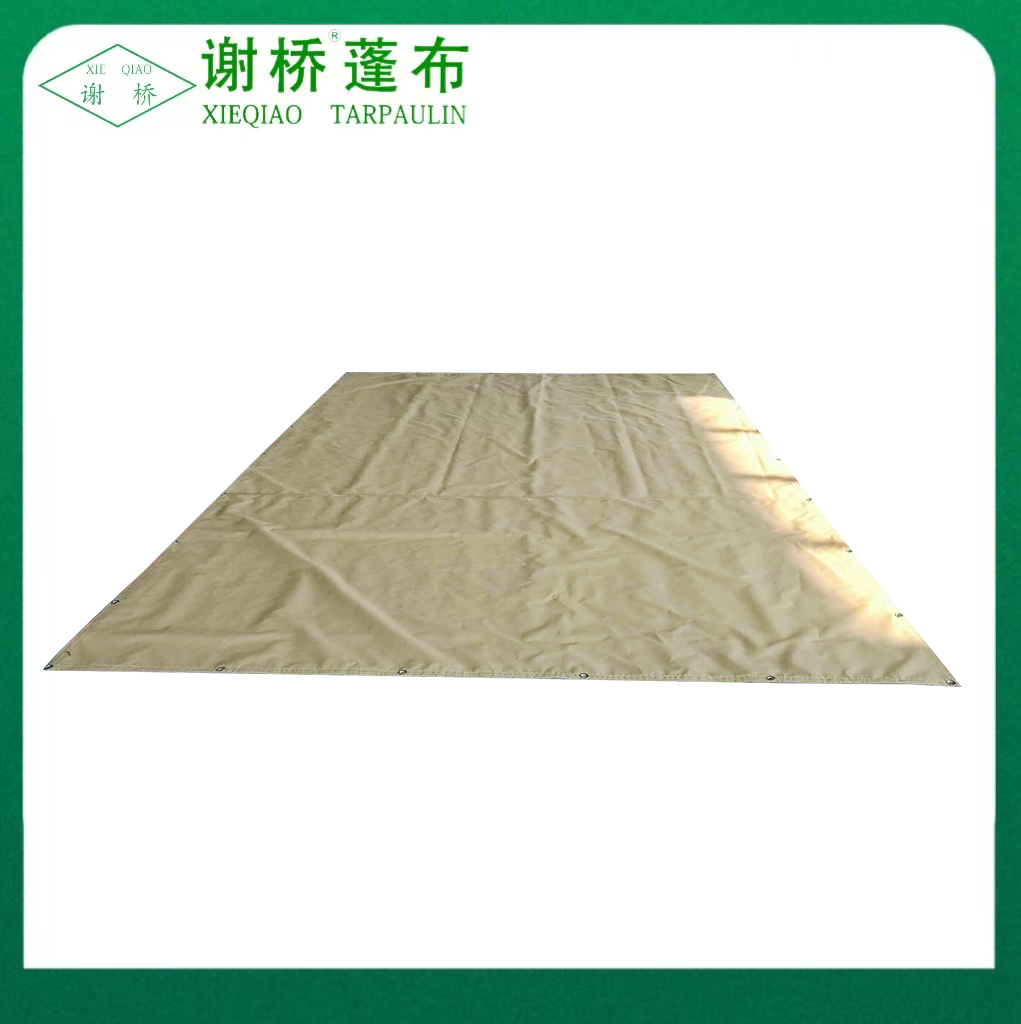
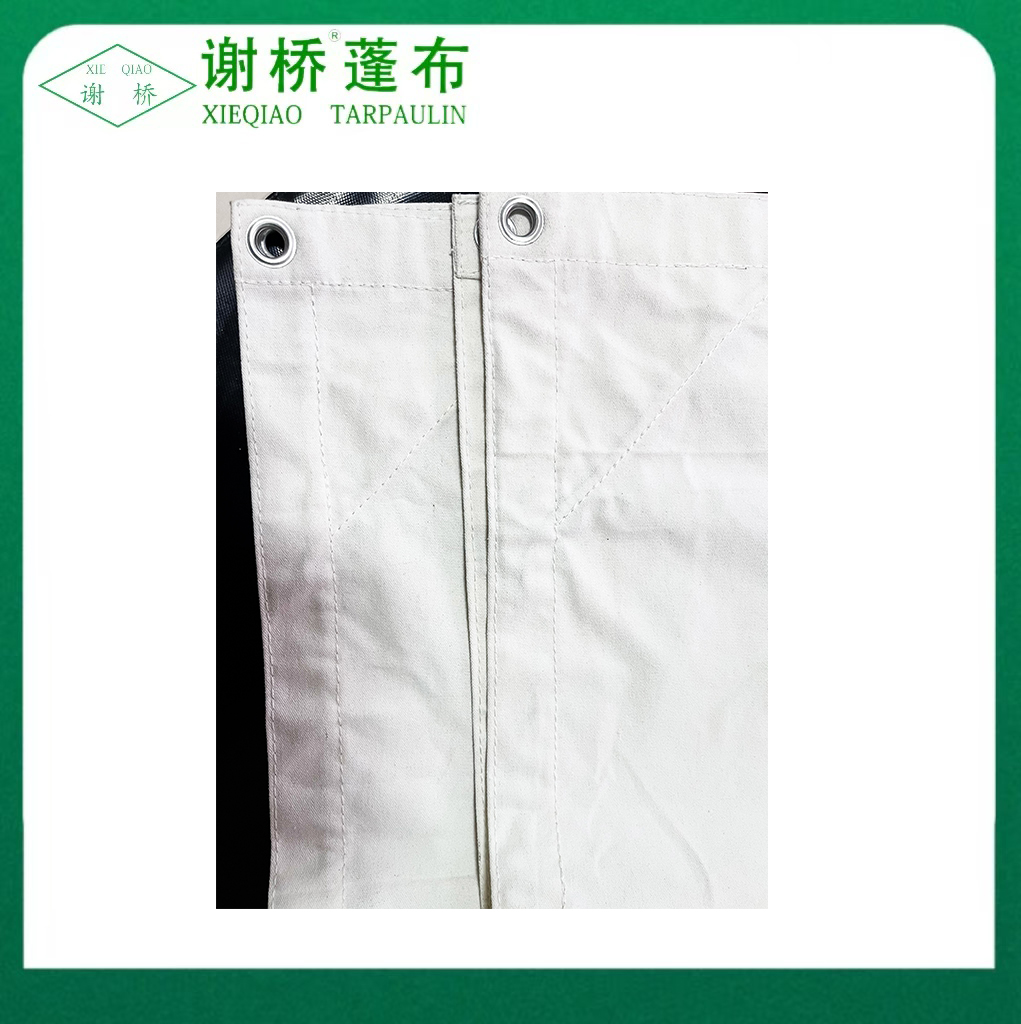
Canvas tarps (treated cotton or poly-cotton) are breathable and traditional. When heavily coated with waterproofing agents they perform well in wet conditions but are heavier and require more maintenance. Canvas resists abrasion and can be repaired easily, but untreated canvas is vulnerable to rot and prolonged wetting—so it’s usually chosen only where breathability and fire resistance matter.
When evaluating a tarpaulin for extreme weather, pay attention to objective metrics and certifications rather than marketing blurbs. Important parameters include tensile strength, tear strength, hydrostatic head (waterproof rating), seam construction, UV life/accelerated-weathering results, temperature range, and flame retardancy.
Wind—not water—is the leading cause of tarpaulin failure in storms. Strong gusts create uplift and flapping that rapidly fatigue fabrics and rupture seams. Proper anchoring, reduced sail area, and reinforced attachment points are crucial to survive high winds.
Always tension the tarp evenly and minimize loose spans. Use reinforced hems with heavy-duty grommets or D-rings at close spacing (e.g., every 30–50 cm) rather than large unsupported areas. Multi-point anchoring, ratchet straps, and continuous edge webbing distribute loads and reduce peak stresses. Consider aerodynamic shaping—sloping covers and venting reduce uplift by allowing air to pass rather than catching like a sail.
For prolonged heavy rain, the hydrostatic head rating tells you whether the fabric resists water penetration under pressure. Seams are the most common leakage path: stitched seams must be sealed with seam tape or be welded to be truly waterproof under pressure. High-quality industrial tarps use heat-welded seams and overlap designs that prevent capillary wicking.
Snow adds static, distributed loads and can accumulate rapidly on flat or low-slope covers. Tarps designed for snow must be able to carry the dead load without excessive sagging, which concentrates weight and can tear the tarp. In cold temperatures, some plastics (especially low-grade PE) become brittle—choose materials with proven low-temperature ductility or use thicker, reinforced tarps. For roofs and shelters, design the tarp with adequate pitch and incorporate snow-shedding measures.
High temperatures and solar UV can degrade polymer tarps: color fading, loss of tensile strength, and surface crazing are common. UV-stable pigments and stabilizers slow degradation; darker colors typically absorb more heat. Chemical exposure (solvents, salts, oils) can also attack coatings—select chemical-resistant laminates where exposure is expected and follow cleaning/maintenance practices recommended by manufacturers.
Even the best tarps may suffer punctures or seam damage during extreme weather. Fast, effective repairs can keep a tarp serviceable through a season. Use manufacturer-approved repair kits: PVC glue/patches for PVC tarps, heat-welded patches for thermoplastic materials, and heavy-duty seam tape for PE. Always clean and dry the area before patching and reinforce the repair from both sides if possible. Keep spare patches and portable welding/heat tools on site for critical covers.
Look for test reports rather than buzzwords. Common test standards include ASTM tensile and tear tests, hydrostatic head measurements, and UV accelerated weathering (ASTM G154). For industrial or protective applications, check for flame retardancy certifications (e.g., NFPA 701) and any food-contact or potable-water approvals if relevant. Manufacturers should provide technical data sheets (TDS) with measured values under standardized conditions.
Choose a tarp by matching the worst-case environmental stresses to material capability, then specify construction features to mitigate those stresses.
| Feature | PE Tarpaulin | PVC-Laminated | Coated Canvas |
| Typical Strength | Low–Medium | High | Medium–High |
| UV Resistance | Variable (depends on stabilizers) | High (engineered) | Medium (needs treatment) |
| Waterproof Seams | Often stitched; needs tape | Welded/heated — very good | Sealed/treated — moderate |
| Cold Flexibility | Poor on thin grades | Good (formulated) | Good (natural fibers) |
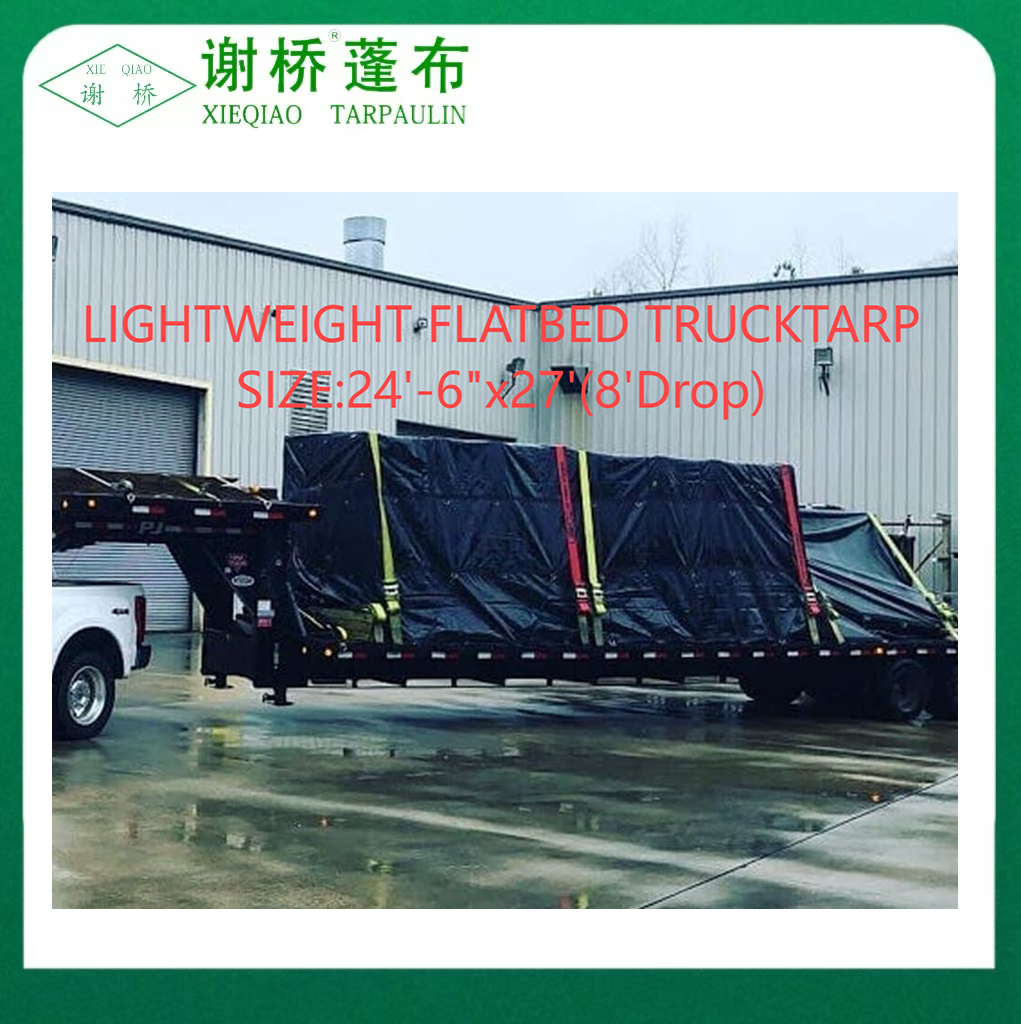
Emergency responders use PVC tarps for temporary shelters in storms because of strength and waterproof seams. Farmers often use reinforced PE tarps for seasonal hay covers but replace them every few seasons due to UV degradation. Construction sites often choose fire-rated PVC sheeting for scaffolding enclosures and wind-exposed areas. Practical tips: always pre-fit and tension tarps before a storm, reduce exposed surface area by folding or removing non-essential coverings, and monitor critical tarps during and after extreme events.
Can waterproof tarpaulins withstand extreme weather? Yes—when you choose the right material (preferably heavy-duty PVC or reinforced PE with welded seams), specify appropriate mechanical ratings, and install them with correct anchoring and geometry. No tarp will be fail-proof against catastrophic events unless combined with structural supports. Evaluate objective test data, follow best-installation practices to mitigate wind and snow loads, and maintain a repair kit and inspection routine. With that approach, tarpaulins can be a reliable first line of defense in many extreme-weather scenarios.
Recommended Products



 The Industrial Park of Wuqiao Town, Jiangdu District, Yangzhou City, Jiangsu Province, China.
  +86-15252561063
  +86-15252561063
  [email protected]