Specializing in all kinds of custom tarpaulins Custom Tarpaulin Product Manufacturers

 русский
 Français
News
 Home / News / Industry News / Why Is a PVC Waterproof Cover the Smartest Investment for Long-Term Protection?
  2026.04.30
 Industry News
Content
When it comes to protecting equipment, furniture, vehicles, or outdoor structures from moisture damage, the material choice is everything. PVC — polyvinyl chloride — has emerged as the dominant material for waterproof covers across industries, and for good reason. Unlike woven fabrics or basic polyethylene sheets, PVC offers a unique combination of structural integrity, chemical resistance, and near-total impermeability to water. Understanding what sets it apart starts at the molecular level: PVC is a thermoplastic polymer that, when properly formulated with plasticizers and UV stabilizers, creates a dense, flexible sheet that water simply cannot penetrate.
PVC waterproof covers are typically manufactured through a calendering or coating process, where the material is pressed into uniform sheets or laminated onto fabric substrates such as polyester mesh. This construction gives the final product both tensile strength and flexibility — two properties that are often difficult to achieve simultaneously. The result is a cover that can withstand mechanical stress, resist tearing under wind load, and still fold or roll for compact storage. Whether you need a tarpaulin for a construction site or a fitted cover for patio furniture, PVC delivers dependable performance that cheaper alternatives simply cannot match.
Not all waterproof covers are created equal, and the specific properties of PVC explain why it consistently outperforms competing materials. Before purchasing any cover, it pays to understand exactly what performance benchmarks matter most and how PVC measures up against each one.
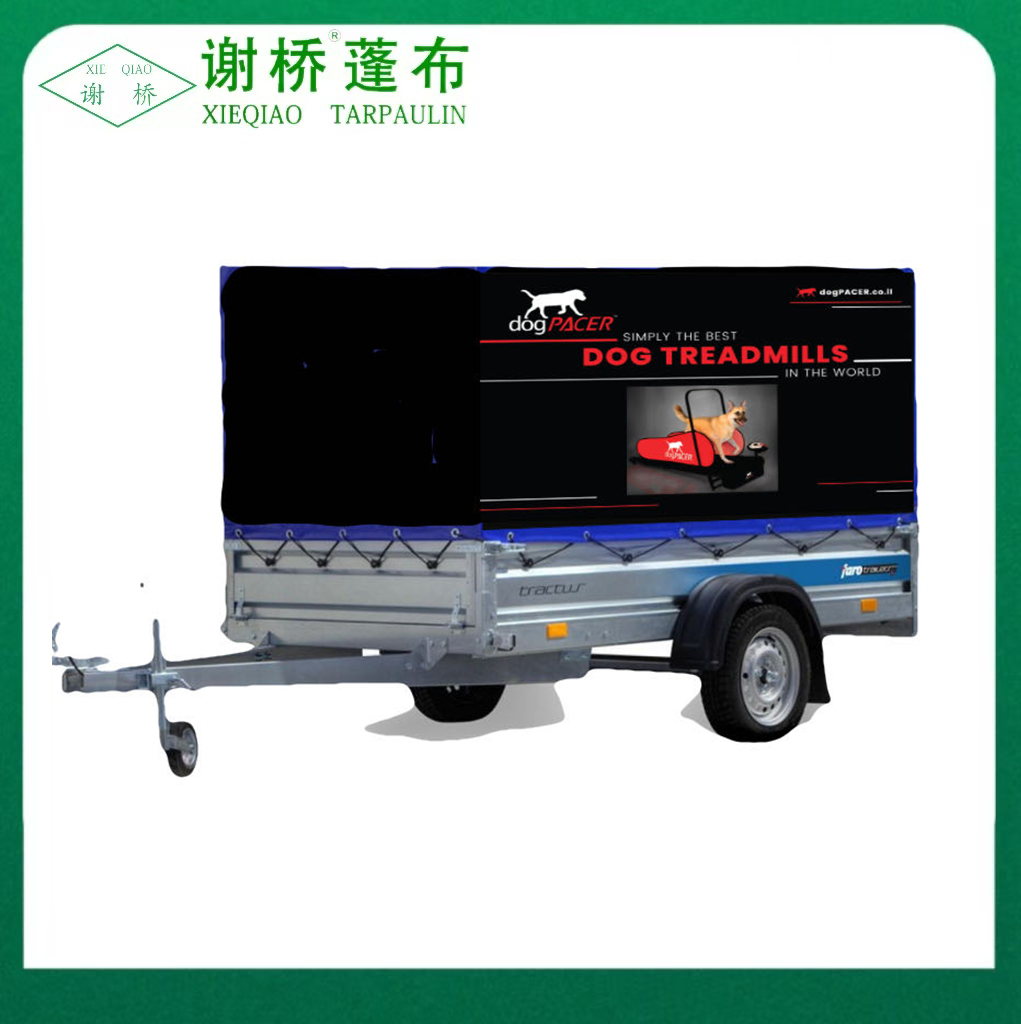
The versatility of PVC waterproof covers is one of their greatest strengths. From residential settings to heavy industrial operations, these covers serve a broad spectrum of protective roles. Understanding the most common applications helps buyers identify which specification they actually need rather than defaulting to a generic product.
In agricultural environments, PVC covers are used to protect hay bales, grain stockpiles, machinery, and greenhouse structures. Their resistance to mold and mildew growth is particularly valuable here, as stored organic material creates conditions that degrade lesser materials quickly. Heavy-duty PVC tarpaulins rated at 650–900 g/m² are standard for silage protection, where maintaining a completely airtight and waterproof seal is critical for feed quality.
Construction sites depend heavily on PVC covers to protect building materials, scaffolding, and unfinished structures from rain and weather damage. Flame-retardant PVC covers are often mandated on active sites to comply with safety regulations. These covers are also used as temporary roofing during renovation work, providing waterproofing while maintaining the site's workability.
Car, motorcycle, boat, and RV covers made from PVC protect vehicles from rain, bird droppings, tree sap, and UV fading. Fitted PVC covers designed for specific vehicle models include elastic hems, buckle straps, or drawcords to prevent wind lift, ensuring the cover stays securely in place during storms. Unlike polyester covers, PVC does not absorb water, meaning it will not drip condensation onto the vehicle's surface after rain.
Garden furniture, barbecue grills, trampolines, and pool equipment are routinely covered with PVC waterproof covers to extend their lifespan through wet seasons. In this residential context, aesthetics matter alongside function, so covers in this category are frequently available in multiple colors and feature ventilation grommets that prevent the buildup of condensation and wind billowing underneath.
To make an informed purchase decision, it helps to see how PVC stacks up against the most common alternative materials used in waterproof covers.
| Material | Waterproofing | Durability | UV Resistance | Weight | Cost |
| PVC | Excellent | High | High (with additives) | Medium–Heavy | Medium |
| Polyethylene (PE) | Good | Low–Medium | Low | Light | Low |
| Canvas (coated) | Moderate | High | Medium | Heavy | High |
| Polyester (coated) | Good | Medium | Medium | Light–Medium | Medium |
| HDPE Woven | Moderate | Medium | Medium | Light | Low–Medium |
As the table illustrates, PVC stands out in waterproofing performance and durability. While it is heavier than PE or HDPE alternatives, that weight is partly what contributes to its robustness. For applications where long-term protection is the priority over portability, PVC is the clear frontrunner.
Selecting the correct PVC waterproof cover involves more than simply picking a size. Several technical specifications directly influence how well the cover will perform in your specific conditions, and overlooking any one of them can lead to premature failure or inadequate protection.
PVC covers are rated by their weight in grams per square meter (GSM). Lighter covers in the 300–450 GSM range are suitable for casual or seasonal use, such as covering garden furniture during autumn. For heavy-duty applications like construction site tarps or marine use, opt for covers in the 650–900 GSM range. Industrial applications may require even heavier grades. Thicker covers also tend to resist punctures more effectively and maintain their shape in high winds.
Check whether the cover uses a reinforced scrim layer between two PVC coatings, as this dramatically improves tear resistance. Examine the eyelet spacing and construction — metal grommets placed every 50–100 cm around the perimeter allow for secure tie-down and prevent the cover from lifting in high winds. Rust-resistant aluminum or stainless steel grommets are preferable over zinc-coated alternatives in wet environments.
If the cover will be used outdoors year-round, ensure it carries a documented UV stabilization rating. For construction or event use, look for covers that meet fire safety standards such as EN 13501 (Europe) or NFPA 701 (USA). These certifications confirm the material has been tested and treated to resist ignition and slow flame spread.
A high-quality PVC waterproof cover is a durable investment, but proper care ensures you get the maximum service life from it. Following a few straightforward maintenance practices can significantly extend the functional lifespan of any PVC cover.
PVC is not without environmental criticism. Its production involves chlorine chemistry, and the plasticizers used to keep it flexible — historically phthalates — have raised health and environmental concerns. However, the industry has made significant strides in recent years. Modern PVC covers increasingly use non-phthalate plasticizers that meet REACH compliance standards, reducing the chemical risk profile considerably. Additionally, because PVC covers last significantly longer than PE or HDPE alternatives, they generate less total plastic waste over time on a per-year-of-use basis.
Buyers with strong sustainability priorities can look for covers manufactured with recycled PVC content or products certified under environmental standards such as the Blue Angel (Germany) or OEKO-TEX. Some manufacturers also operate take-back programs that recycle used PVC covers into new products, closing the material loop and reducing landfill burden. While PVC will never be the most eco-friendly option on the market, choosing a durable, high-quality PVC cover used and maintained properly is often a more sustainable choice than repeatedly replacing cheaper, shorter-lived alternatives.
Recommended Products



 The Industrial Park of Wuqiao Town, Jiangdu District, Yangzhou City, Jiangsu Province, China.
  +86-15252561063
  +86-15252561063
  [email protected]