Specializing in all kinds of custom tarpaulins Custom Tarpaulin Product Manufacturers

 русский
 Français
News
 2026.07.31
 Industry News
Content
A waterproof tarpaulin is a flexible sheet material designed to fully block the passage of water, distinguishing it from water-resistant covers that merely slow moisture penetration. True waterproofing typically comes from either the base material itself being non-porous, such as woven polyethylene coated on both sides, or from a laminated film layer bonded to a fabric substrate. This distinction matters considerably for buyers, since a tarp advertised as water-resistant may still allow gradual seepage under sustained rain or standing water, while a genuinely waterproof tarp is engineered to prevent water transmission entirely under normal use conditions.
Understanding the construction methods, material options, and grading systems used across the tarpaulin industry allows buyers to select a product suited to their specific application, whether that involves covering construction materials, protecting agricultural equipment, or providing temporary shelter in outdoor settings.
The base material of a tarpaulin significantly influences its durability, flexibility, and overall waterproofing performance. Several material types dominate the market, each suited to different use cases.
This is among the most widely used tarpaulin constructions, consisting of a woven polyethylene fabric sandwiched between two layers of polyethylene film. The woven core provides tear strength and structural integrity, while the laminate layers create a continuous waterproof barrier. This construction offers a favorable balance of cost, durability, and water resistance for general-purpose applications.
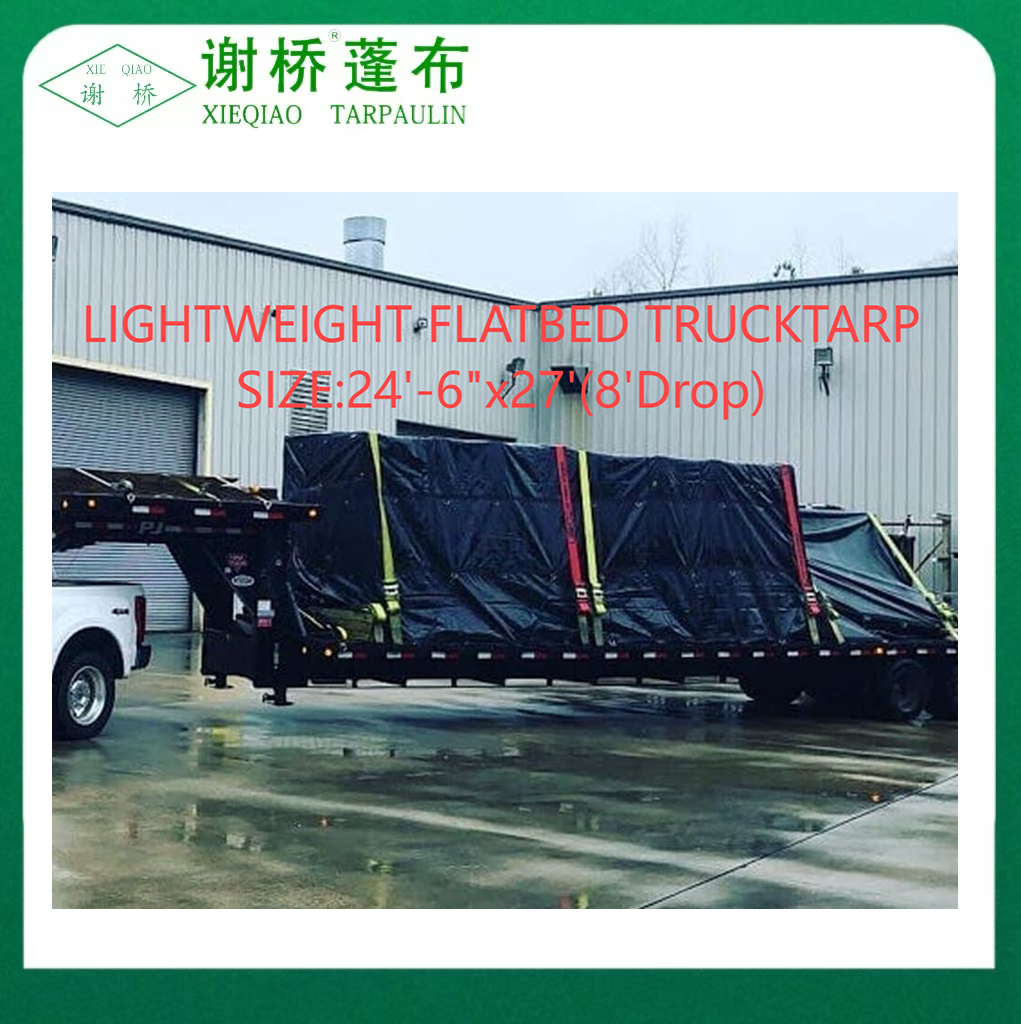
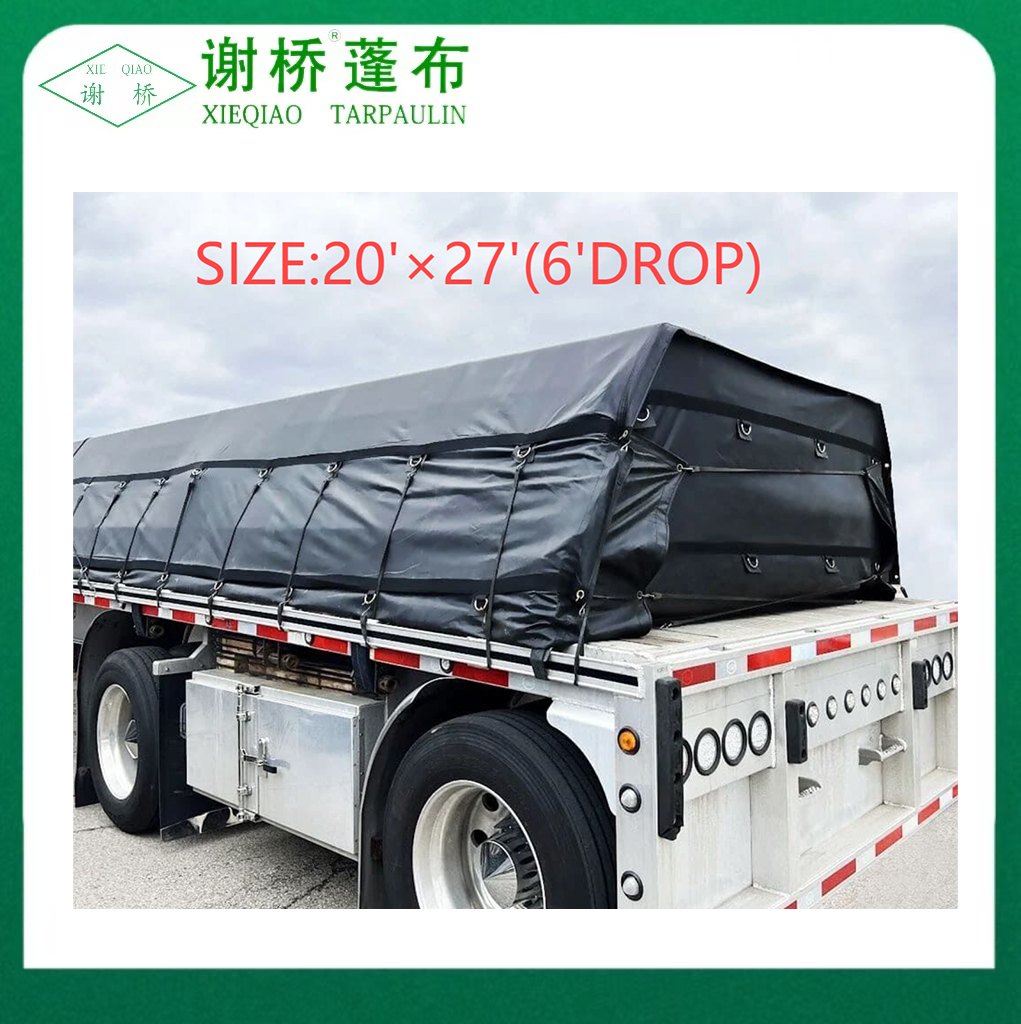
PVC-coated polyester tarpaulins use a woven polyester base coated with polyvinyl chloride, resulting in a heavier, more rigid material with excellent abrasion resistance and long-term UV stability. This construction is often chosen for demanding industrial applications, truck covers, and situations where the tarp will be exposed to prolonged outdoor use.
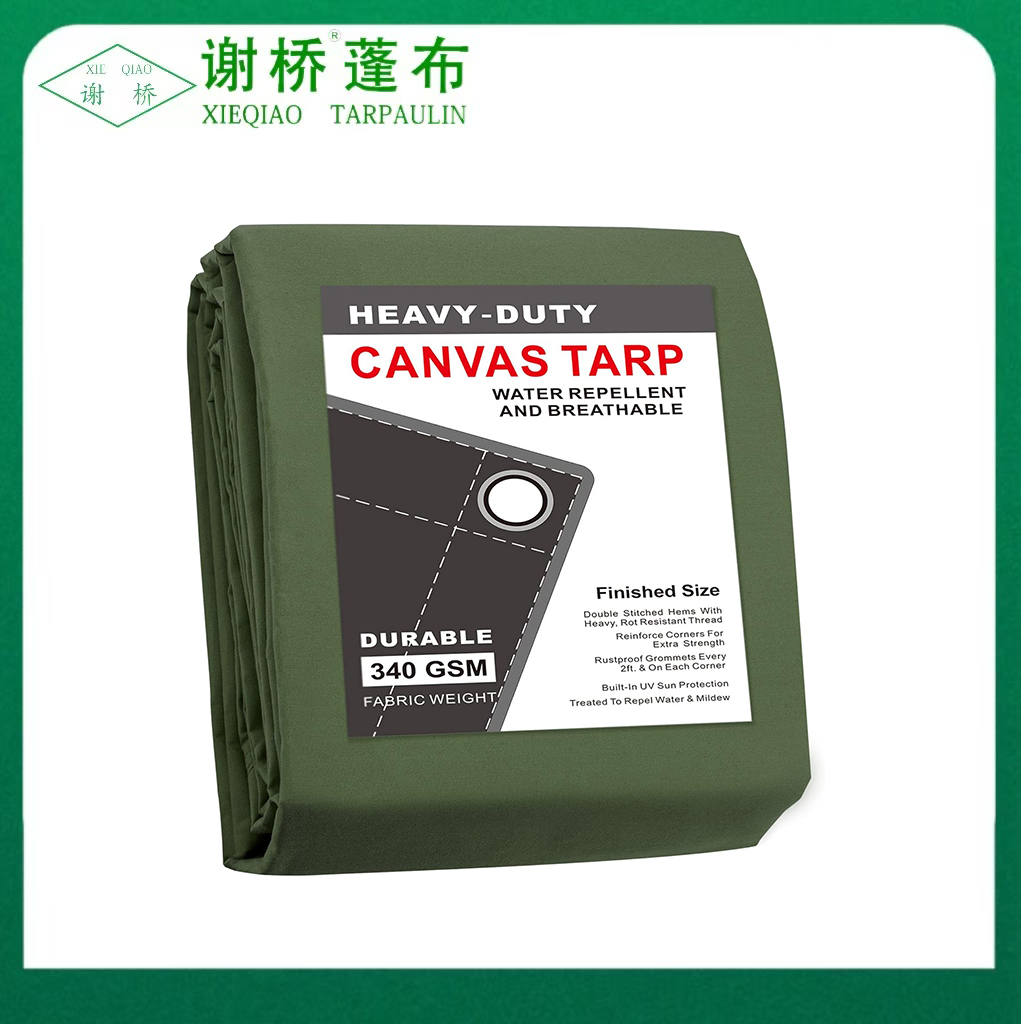
Traditional cotton or cotton-polyester canvas can be treated with waterproofing compounds such as paraffin wax or synthetic coatings to achieve water resistance. While canvas tarps offer excellent breathability and a more natural feel, their waterproofing tends to be less absolute than laminated synthetic options, making them better suited to applications where some breathability is desirable, such as covering items prone to condensation buildup.
Tarpaulin thickness and weight ratings, often expressed in grams per square meter or ounces per square yard, provide a useful indicator of durability and puncture resistance. Heavier tarps generally offer better protection against tearing and abrasion but come at a higher cost and added weight, which can be a consideration for applications requiring frequent handling or transport.
| Weight Class | Typical Use | Durability Level |
| Light Duty (60-90 gsm) | Temporary covers, light gardening use | Basic |
| Medium Duty (90-150 gsm) | General storage, equipment covers | Moderate |
| Heavy Duty (150-250 gsm) | Construction sites, truck covers | High |
| Extra Heavy Duty (250+ gsm) | Industrial, marine, long-term outdoor use | Very High |
Selecting the appropriate weight class depends on how frequently the tarp will be handled, whether it will remain in a fixed position or be moved regularly, and the level of exposure to sharp edges, abrasive surfaces, or harsh weather conditions.
Beyond the base material, several construction details significantly affect a tarpaulin's practical usability and longevity, particularly the placement and quality of grommets used for securing the tarp with rope or bungee cords.
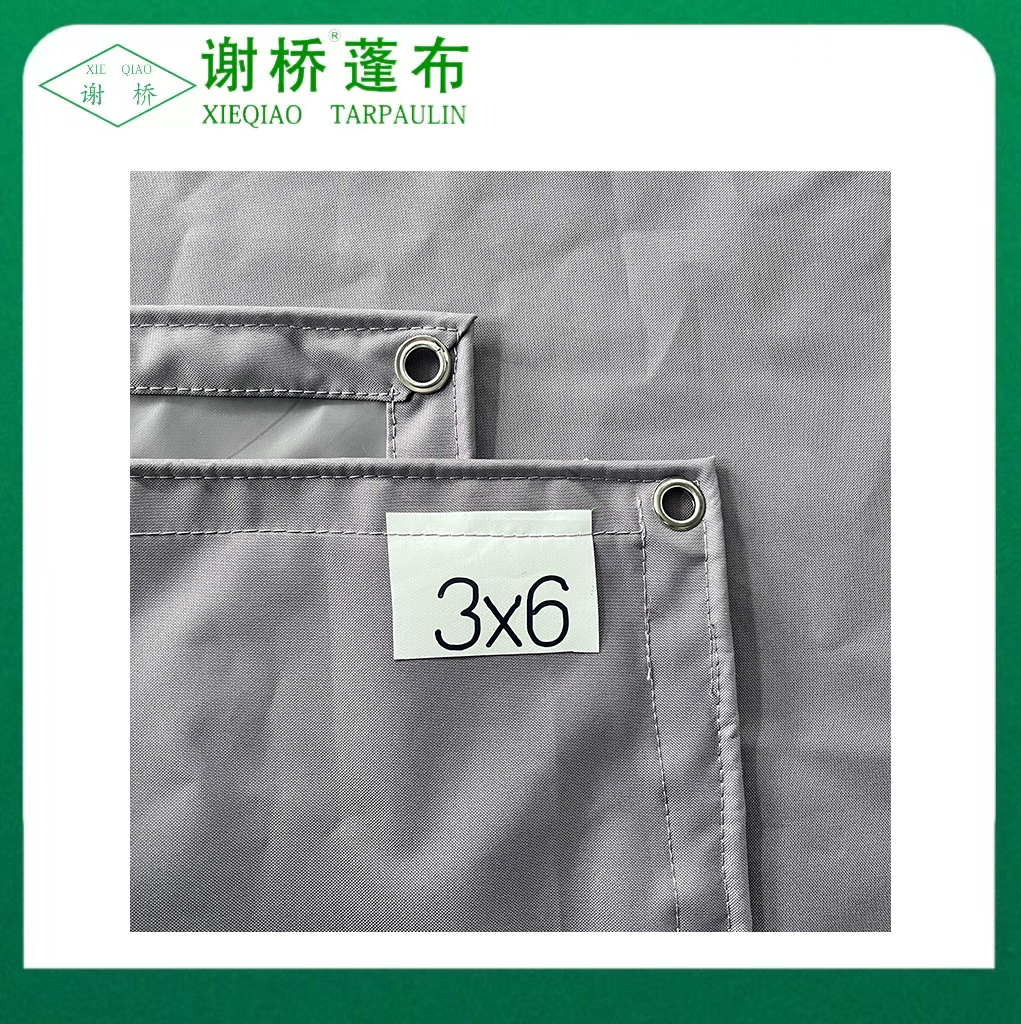
Grommets are typically spaced every 18 to 36 inches along the perimeter of the tarp, with closer spacing providing more secure anchoring points for high-wind applications. Brass grommets offer better corrosion resistance than plain steel, making them preferable for tarps that will be used in coastal or consistently wet environments.
Double or triple-stitched hems along the tarp's edges, along with reinforced corner patches, help distribute stress at the points most likely to experience tearing, particularly when the tarp is pulled taut or subjected to wind loading. Tarps intended for demanding outdoor use should always include these reinforcement features.
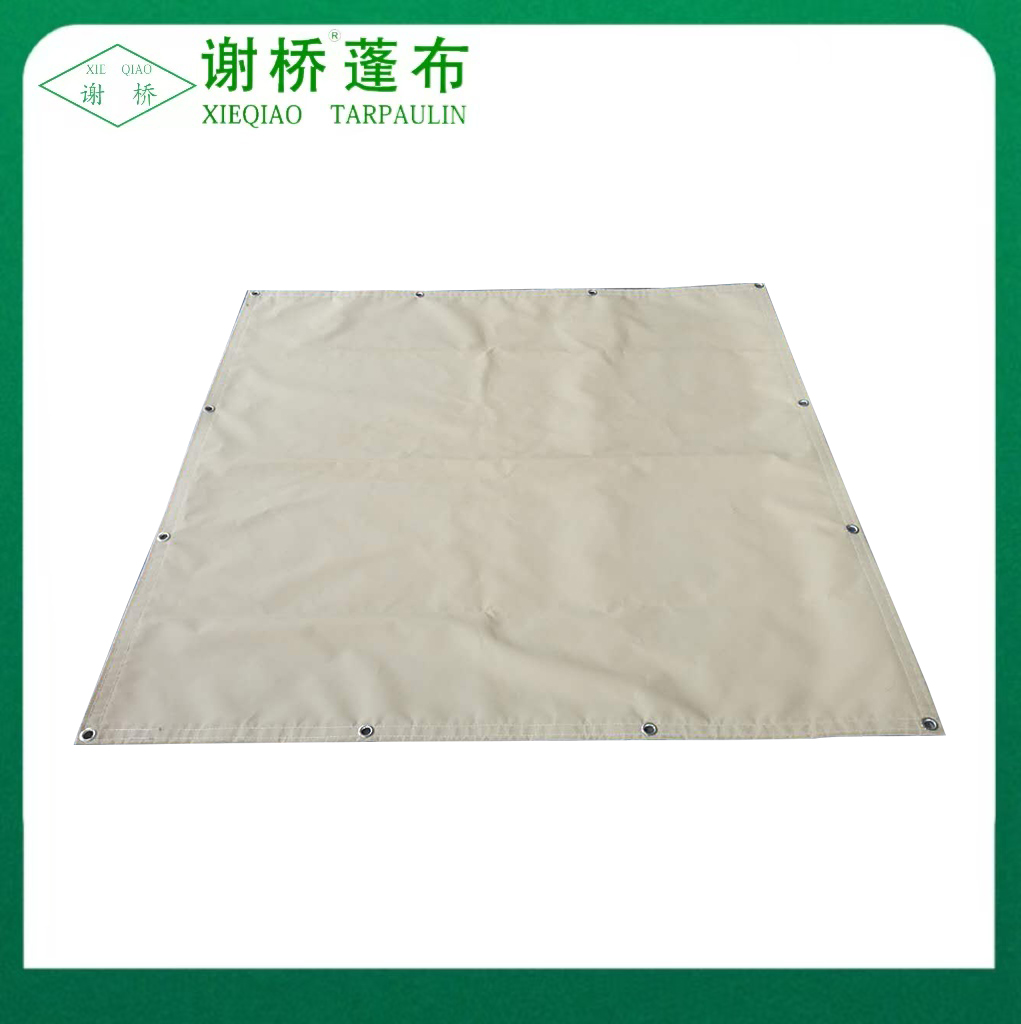
Waterproof tarps serve a wide variety of practical purposes across residential, commercial, and industrial contexts, with material and weight selection often varying significantly based on the specific application.
Each of these applications places different demands on the tarp in terms of UV exposure, handling frequency, and required puncture resistance, which should guide the selection of both material type and weight class.
Prolonged sun exposure is one of the primary causes of tarpaulin degradation over time, as ultraviolet radiation breaks down polymer bonds in both the base material and any coatings applied. Tarps intended for long-term outdoor installation, such as those used for semi-permanent equipment shelters, should include UV stabilizers in their formulation to slow this degradation process.
Without adequate UV protection, tarpaulins can become brittle within a single season of continuous sun exposure, leading to cracking, reduced waterproofing effectiveness, and eventual material failure. When evaluating tarps for long-term outdoor use, checking whether the product specifically advertises UV-stabilized or UV-treated construction is an important step in ensuring adequate service life.
Choosing an appropriately sized tarpaulin requires accounting for more than just the dimensions of the item being covered. Additional material is needed to allow for proper draping and secure anchoring at the edges.
A tarp should extend beyond the covered item by at least twelve to eighteen inches on all sides to prevent water from pooling at the edges and finding its way underneath. For irregularly shaped items, additional overhang may be necessary to ensure complete coverage.
When covering equipment or materials for extended periods, arranging the tarp with a slight slope helps prevent water pooling on the surface, which can add significant weight and stress to the material over time, particularly during heavy rainfall.
Proper care extends the usable life of a waterproof tarpaulin considerably. Tarps should be thoroughly dried before folding and storing to prevent mold or mildew growth, particularly for canvas or cotton-blend tarps that retain moisture more readily than fully synthetic options.
Storing tarps in a cool, dry location away from direct sunlight when not in use helps prevent premature UV degradation and material stiffening. Periodically inspecting grommets, seams, and edges for early signs of wear allows for minor repairs before small issues develop into larger tears that compromise the tarp's waterproofing performance.
Selecting the right waterproof tarpaulin involves carefully matching material type, weight class, and construction features to the specific demands of the intended application. By considering factors such as UV resistance, grommet quality, and proper sizing, buyers can select a tarp that provides reliable, long-lasting protection against water damage across a wide range of practical uses.
Recommended Products



 The Industrial Park of Wuqiao Town, Jiangdu District, Yangzhou City, Jiangsu Province, China.
  +86-15252561063
  +86-15252561063
  [email protected]