Specializing in all kinds of custom tarpaulins Custom Tarpaulin Product Manufacturers

 русский
 Français
News
 2026.08.04
 Industry News
Content
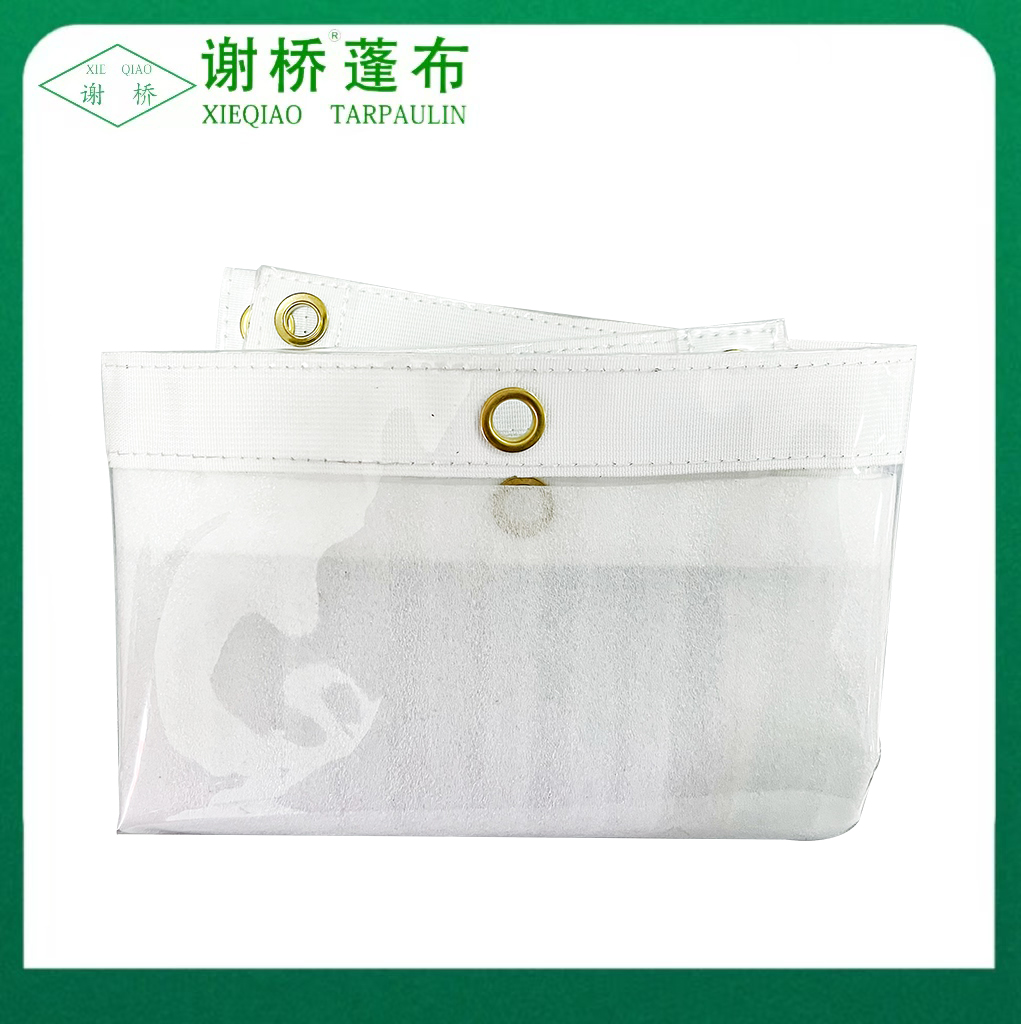
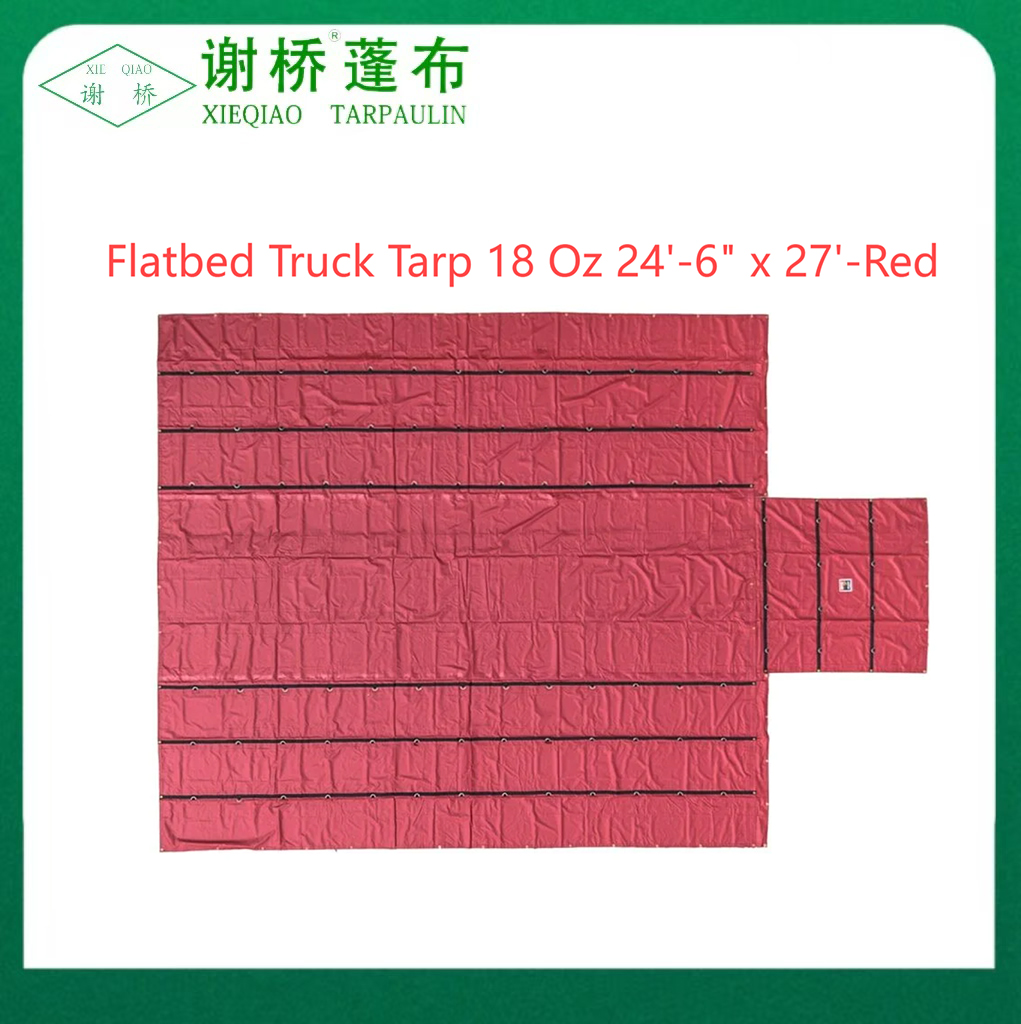
A PVC waterproof cover is a protective sheeting product made from polyvinyl chloride, designed to shield equipment, furniture, machinery, or materials from rain, moisture, dust, and general environmental exposure. PVC is favored for this application because it combines flexibility with strong water resistance, allowing covers to be molded, sewn, or heat-sealed into a wide range of shapes and sizes while still maintaining a reliable barrier against liquid penetration.
These covers are typically constructed from PVC-coated polyester fabric or PVC tarpaulin material, reinforced along seams and edges to prevent tearing under wind load or repeated use. Depending on the intended application, a PVC waterproof cover may include additional features such as grommets for tie-down points, elastic hems for a snug fit, or UV-stabilized coatings to prevent the material from becoming brittle under prolonged sun exposure.
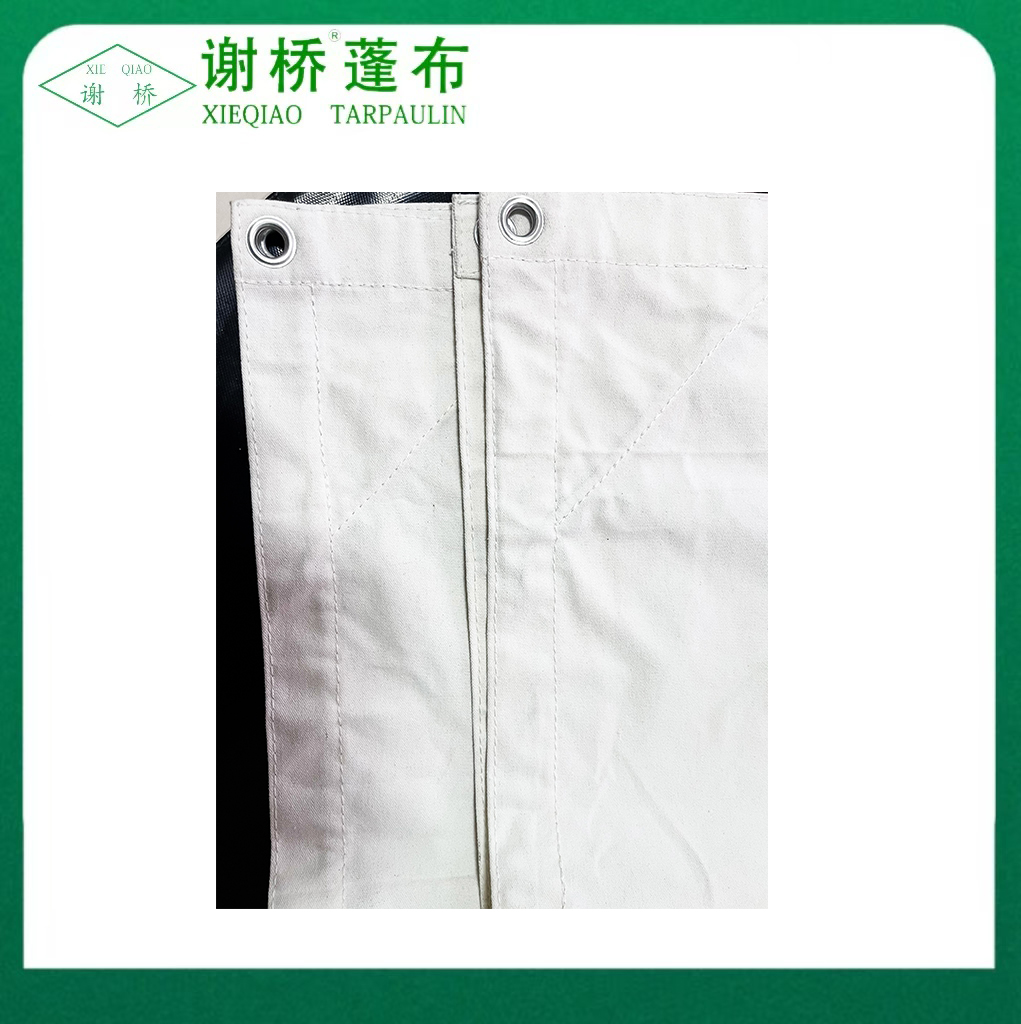
Several materials can be used to create waterproof covers, including polyethylene, canvas with waterproof treatment, and PVC-coated fabric. Each has distinct performance characteristics that make it suited to different environments and budgets.
| Material | Durability | Water Resistance | Typical Cost |
| PVC-Coated Fabric | High | Excellent | Moderate to high |
| Polyethylene Tarp | Moderate | Good | Low |
| Treated Canvas | High | Moderate | High |
PVC-coated fabric strikes a practical balance between durability and water resistance, making it a common choice for covers that need to withstand repeated outdoor use over multiple seasons rather than serving as a short-term, disposable solution like standard polyethylene tarps.
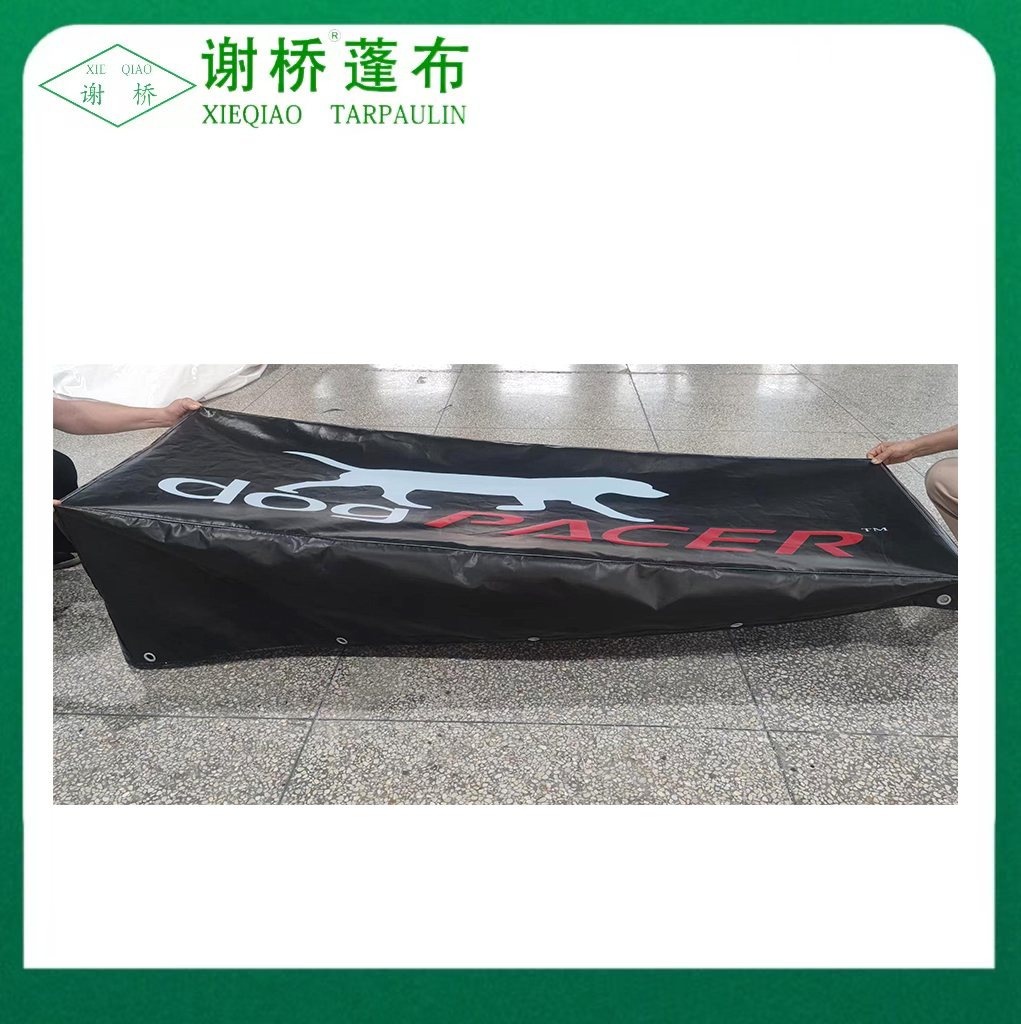
PVC waterproof covers are used across a wide range of settings, from residential outdoor furniture protection to industrial equipment safeguarding.
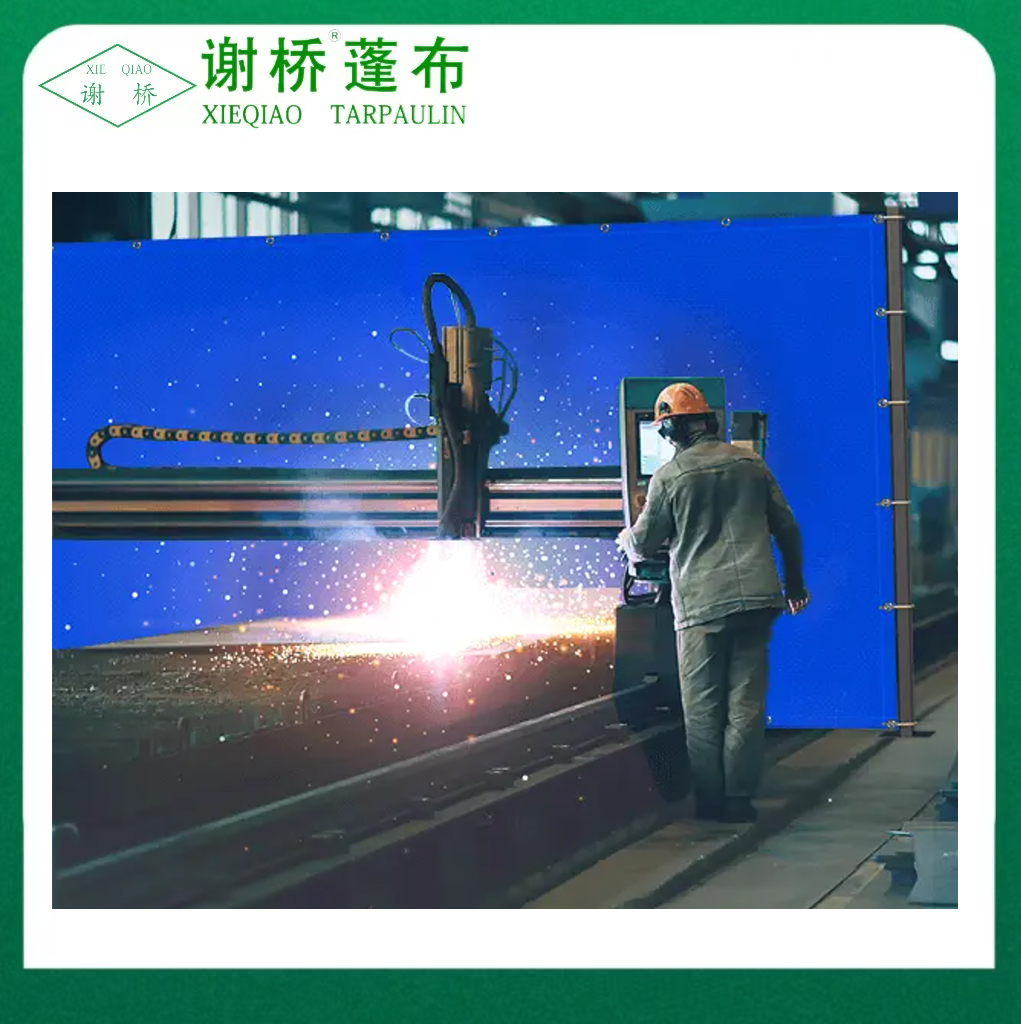
In industrial and construction settings, PVC waterproof covers often serve a dual purpose of protecting expensive equipment from weather damage while also reducing the risk of corrosion on metal components that would otherwise be exposed to rain and humidity for extended periods.
Selecting the right PVC waterproof cover involves evaluating several technical specifications that affect how well the cover performs in its intended environment.
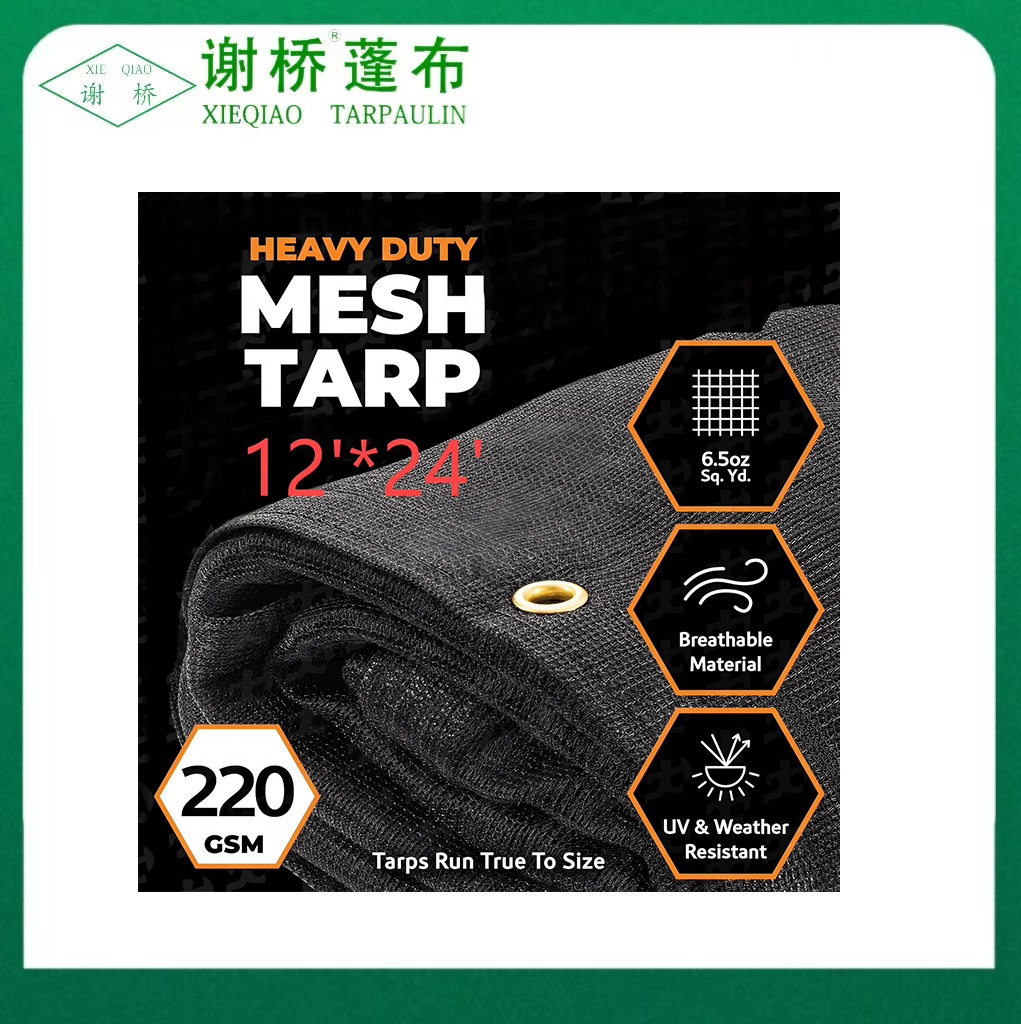
PVC cover material is typically measured in grams per square meter (GSM) or ounces per square yard. Heavier materials generally offer better puncture resistance and durability, making them suitable for demanding outdoor or industrial environments, while lighter materials are often sufficient for occasional use or smaller items.
Prolonged sun exposure can cause untreated PVC to become brittle and crack over time. Covers intended for permanent or long-term outdoor placement should include UV stabilizers in the material formulation to extend service life under direct sunlight.
Seams are often the weakest point in a waterproof cover. Heat-welded or double-stitched seams with waterproof tape reinforcement generally outperform simple stitched seams, which can allow water to seep through needle holes over time.
Grommets, drawstrings, elastic hems, and buckle straps all serve to secure a cover against wind and movement. The right fastening system depends on the shape and size of the item being covered, as well as the typical wind conditions in the installation environment.
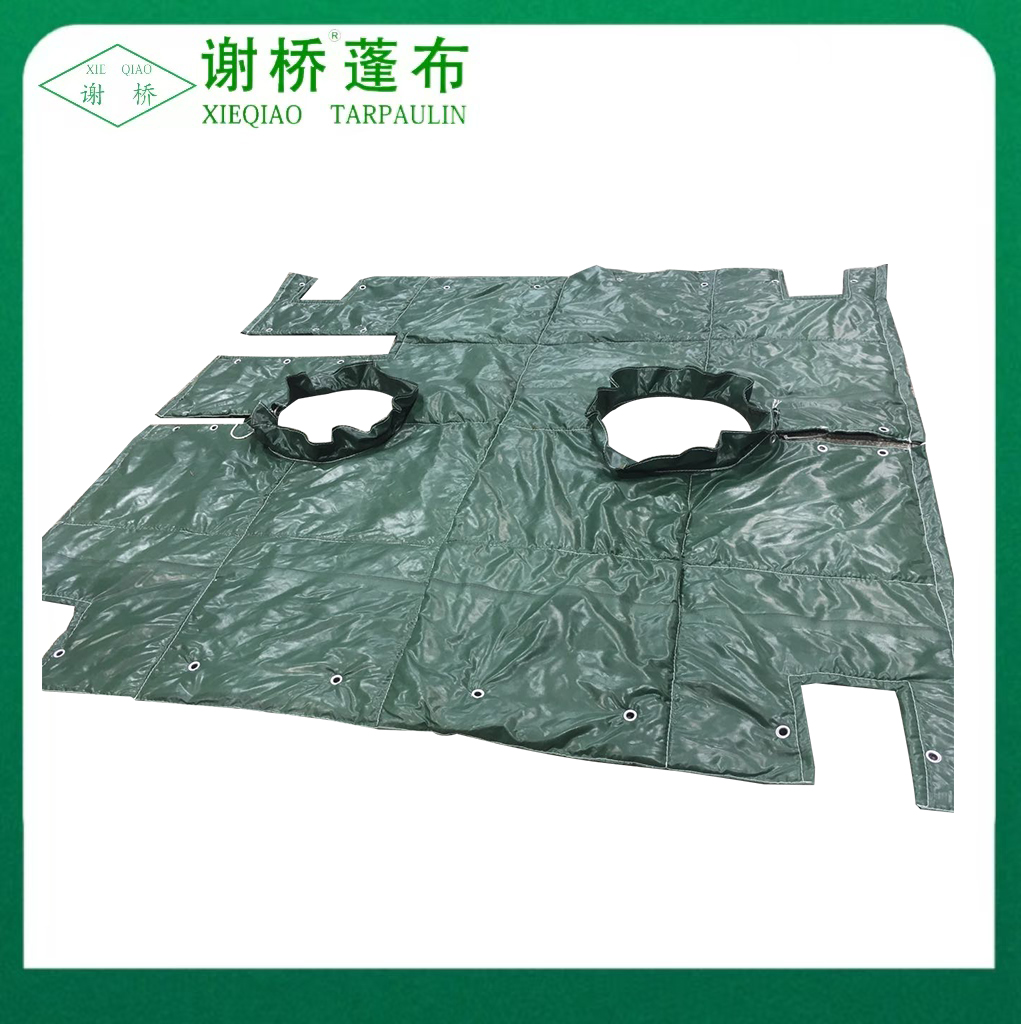
A properly sized PVC waterproof cover should extend fully over the item being protected, with enough overhang to prevent water from pooling at the base or running underneath the cover edge during heavy rain. Custom-fitted covers, which follow the exact contours of equipment like generators or HVAC units, tend to offer better protection than generic rectangular tarps, since they reduce loose fabric that can flap in wind and create wear points over time.
For irregularly shaped items, measuring the height, width, and depth at the widest points before purchasing helps ensure the cover fits snugly without excess material bunching at corners, which can trap water and accelerate material breakdown in those areas.
Proper care extends the working life of a PVC waterproof cover significantly. A few simple maintenance habits can prevent premature wear and material degradation.
Choosing the right PVC waterproof cover comes down to matching material thickness, UV protection, and fastening design to the specific item being protected and the environmental conditions it will face. For high-value equipment exposed to sun and rain year-round, investing in a heavier, UV-stabilized cover with reinforced seams typically pays off through reduced replacement frequency and better long-term protection against moisture damage.
Recommended Products



 The Industrial Park of Wuqiao Town, Jiangdu District, Yangzhou City, Jiangsu Province, China.
  +86-15252561063
  +86-15252561063
  [email protected]