Specializing in all kinds of custom tarpaulins Custom Tarpaulin Product Manufacturers

 русский
 Français
News
 2026.07.22
 Industry News
Content
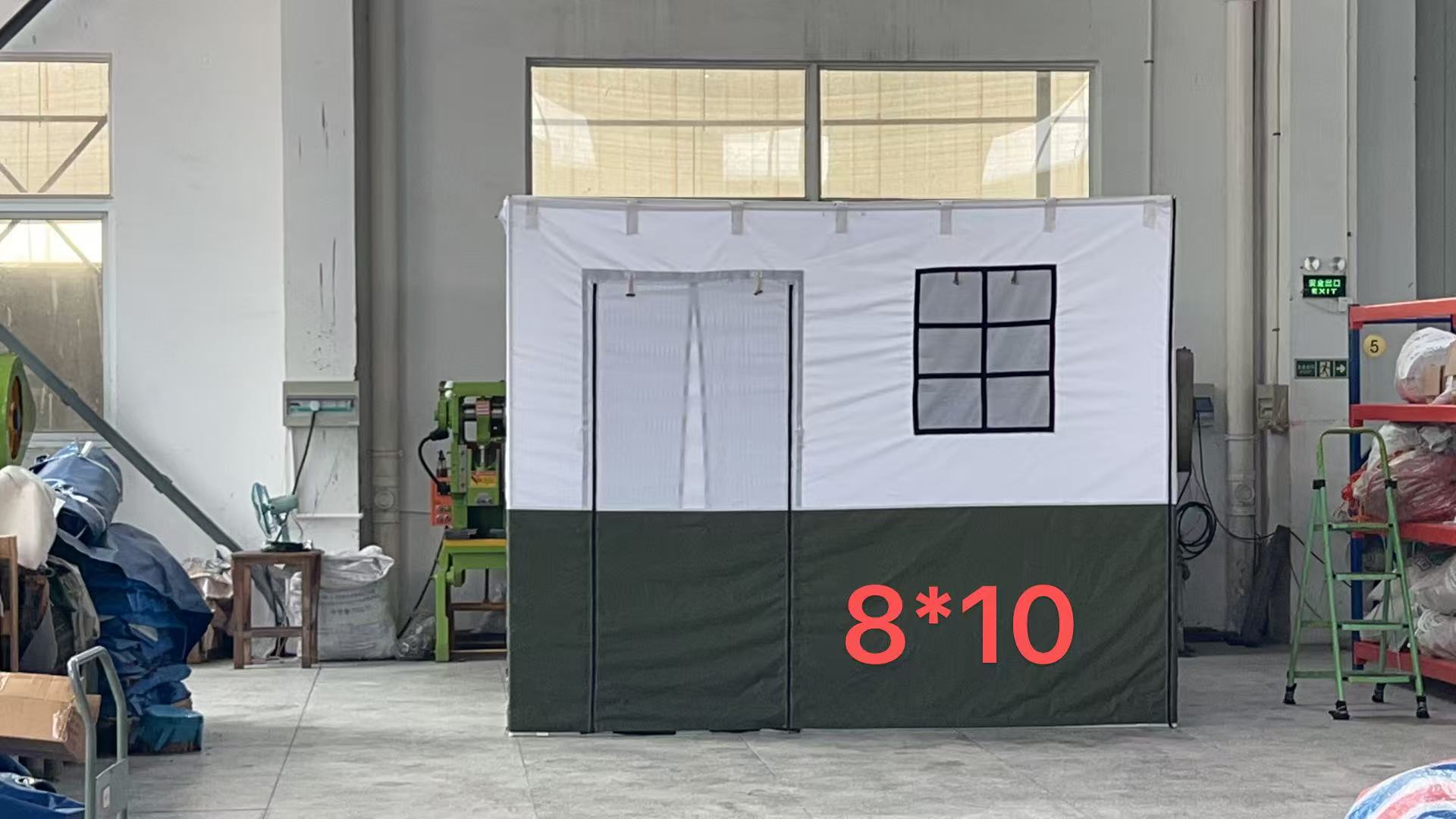
A sukkah tent is a temporary, easy-to-assemble structure designed to fulfill the requirements of the Jewish holiday of Sukkot, during which observant Jews are commanded to dwell in a sukkah for seven days. Traditionally built from wood, bamboo, or canvas panels, modern sukkah tents have evolved into pre-fabricated kits that combine a metal or PVC frame with fabric or vinyl walls, making them far quicker to assemble than traditional wooden constructions while still meeting the religious requirements for a kosher sukkah.
The defining feature of any sukkah, tent-style or otherwise, is the roof covering known as schach, which must be made from organic plant material that has been cut from the ground, such as bamboo poles, palm branches, or reed matting. Unlike the walls, which can be made from virtually any sturdy material including canvas or vinyl, the schach cannot be replaced with synthetic roofing, as its organic nature is central to the holiday's religious significance and its symbolic connection to the temporary shelters used during the Israelites' journey through the desert.
Understanding the individual components of a sukkah tent helps buyers evaluate different kits and ensure the structure they choose meets both practical and religious requirements. Most modern sukkah tent kits are built around a few essential elements that work together to create a stable, compliant structure.
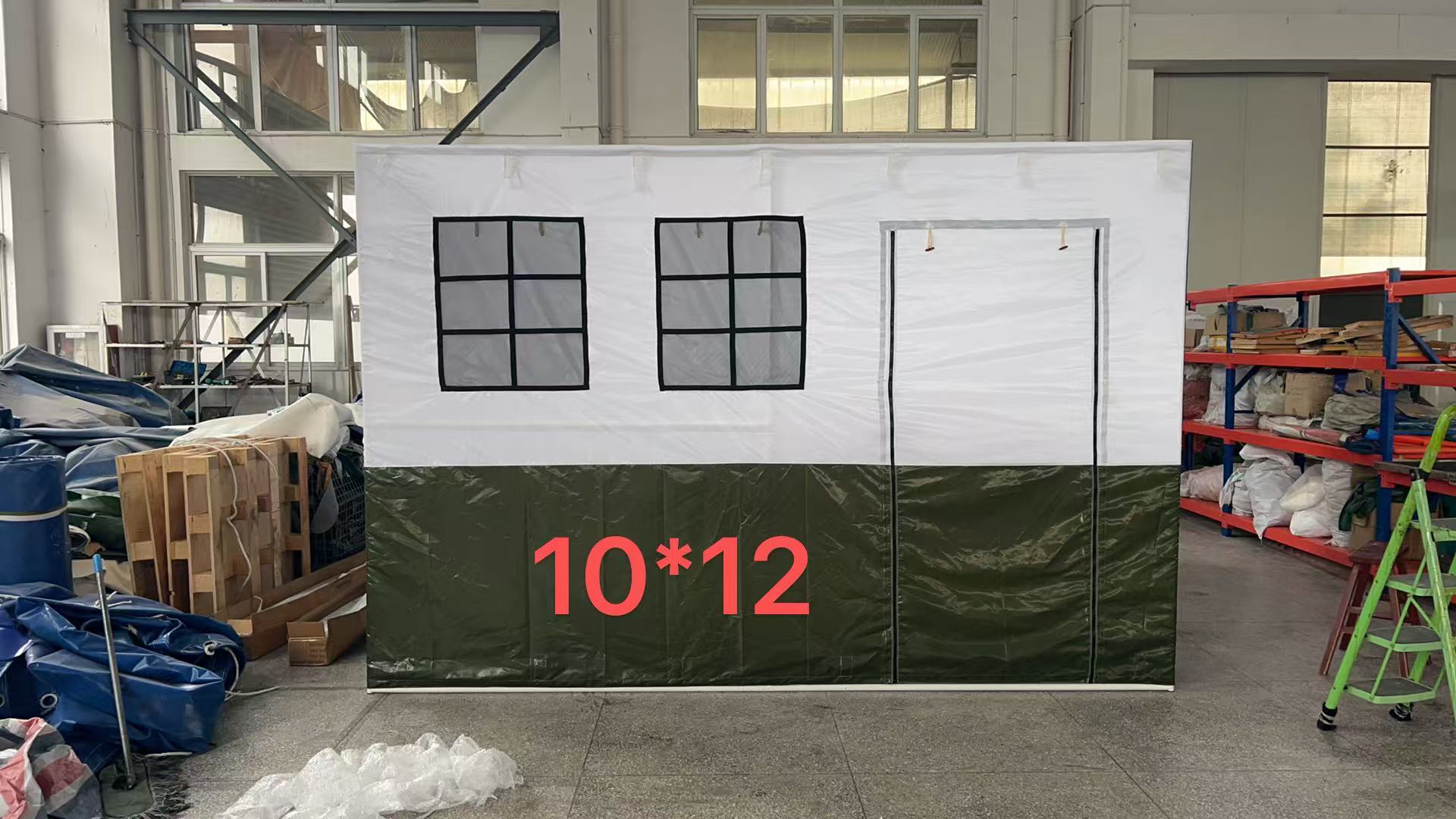
Many modern kits are designed with quick-assembly features such as color-coded poles, snap-fit connectors, or pre-sewn wall panels, allowing families to construct a sukkah in under an hour without specialized tools or carpentry experience.
Sukkah tents are available in several configurations, each suited to different space constraints, budgets, and levels of reuse. Choosing the right type depends largely on available outdoor space and how frequently the sukkah will be used year after year.
| Type | Typical Frame Material | Best Suited For |
| PVC Frame Kit | PVC piping | Budget-conscious, first-time buyers |
| Aluminum Frame Kit | Aluminum tubing | Frequent yearly use, better durability |
| Pop-Up Sukkah | Spring-loaded lightweight frame | Small balconies, quick setup needs |
| Steel Frame Kit | Heavy-gauge steel | Large families, windy climates |
Selecting the appropriate sukkah size depends on how many people it needs to accommodate during meals and the amount of outdoor space available, such as a backyard, patio, or balcony. A small sukkah designed for two to four people typically measures around six by eight feet, while larger family sukkahs intended to seat eight or more people may require dimensions closer to ten by twelve feet or larger.
When choosing a location, it is important to select a spot with a clear view of the sky directly above, since the schach roofing must allow visibility of the stars at night, a key requirement in Jewish law regarding the structure. The chosen site should also be relatively level and sheltered from strong winds where possible, as this improves both stability and comfort during meals held inside the sukkah.
Proper care extends the usable life of a sukkah tent across multiple holiday seasons. After Sukkot concludes, wall panels and frame components should be thoroughly dried before storage to prevent mold or mildew from developing on fabric surfaces. Most manufacturers recommend storing frame pieces in their original carrying case, while wall panels can be folded and placed in a breathable storage bag to prevent moisture buildup.
Schach material, being organic, is generally discarded after use unless it can be dried and preserved for reuse, which is common practice with bamboo poles that hold up well across several seasons if stored in a dry area. Regularly inspecting frame joints and fabric panels for wear before each holiday season helps identify any parts that may need replacement, ensuring the sukkah remains sturdy and functional year after year.
Recommended Products



 The Industrial Park of Wuqiao Town, Jiangdu District, Yangzhou City, Jiangsu Province, China.
  +86-15252561063
  +86-15252561063
  [email protected]