Specializing in all kinds of custom tarpaulins Custom Tarpaulin Product Manufacturers

 русский
 Français
News
 2026.07.16
 Industry News
Content
A sukkah is a temporary structure built for the Jewish holiday of Sukkot, meant to be lived in—eaten in, and sometimes slept in—for seven days. Unlike a permanent building, a sukkah must have at least two and a half walls and a roof covering called schach, which is typically made from organic materials like bamboo poles, palm fronds, or wooden slats. The idea is that the roof should provide more shade than sunlight while still allowing you to see the stars at night. For first-time builders, the appeal of a sukkah tent kit lies in its simplicity: pre-cut poles, connectors, and canvas walls that snap together without requiring carpentry skills. Understanding this basic structure before you buy anything will save you time, money, and frustration once assembly day arrives.
Location affects both the ease of construction and the comfort of using the sukkah throughout the holiday. Look for a flat, stable surface such as a patio, deck, or firm patch of grass. Avoid areas directly under low tree branches, since the schach needs open sky access above it. You'll also want to consider proximity to your kitchen or dining area, since many families carry food back and forth during meals. Wind exposure is another factor—corners of a yard shielded by a fence or wall tend to keep tents steadier than open, exposed spaces.
Most first-time builders choose a sukkah tent kit because it bundles the essential components together. Still, it helps to know what each part does so you can inspect the kit for completeness or source missing pieces locally.
| Frame Poles | Metal or PVC poles forming the skeleton of the walls and corners |
| Connectors | Joints that link poles at corners and along the top rail |
| Wall Panels | Canvas, vinyl, or fabric sheets that slide or tie onto the frame |
| Schach Material | Bamboo mats, palm branches, or wooden slats for the roof |
| Ground Stakes or Weights | Anchors to stabilize the structure against wind |
Start by laying out all the poles and connectors on the ground in the pattern shown in your kit's instructions, since most kits use color-coded or numbered pieces to simplify assembly. Begin with the base frame, connecting the bottom horizontal poles into a rectangle that matches your chosen footprint. Next, attach the vertical corner poles, making sure each one sits at a true right angle before tightening any locking screws or pins. Once the four corners are upright and stable, add the top horizontal rail that connects the corner poles and gives the structure its rigidity. Two people make this step much easier, since one can hold the frame steady while the other secures connectors.
After the basic rectangular frame stands on its own, walk around it and check for wobble. If any corner shifts when pushed gently, tighten that connector before moving forward. This is also the point to stake the frame into the ground or add weighted bases if you're building on a hard surface like concrete or a wooden deck.
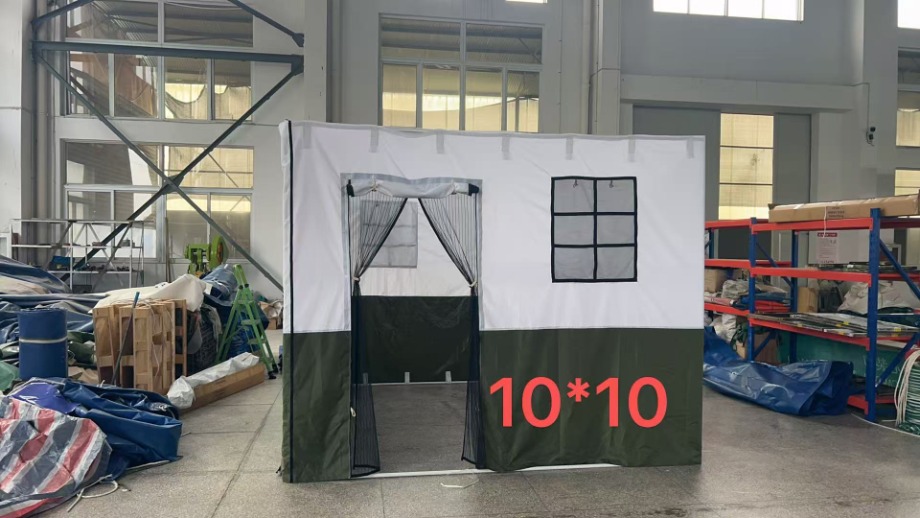
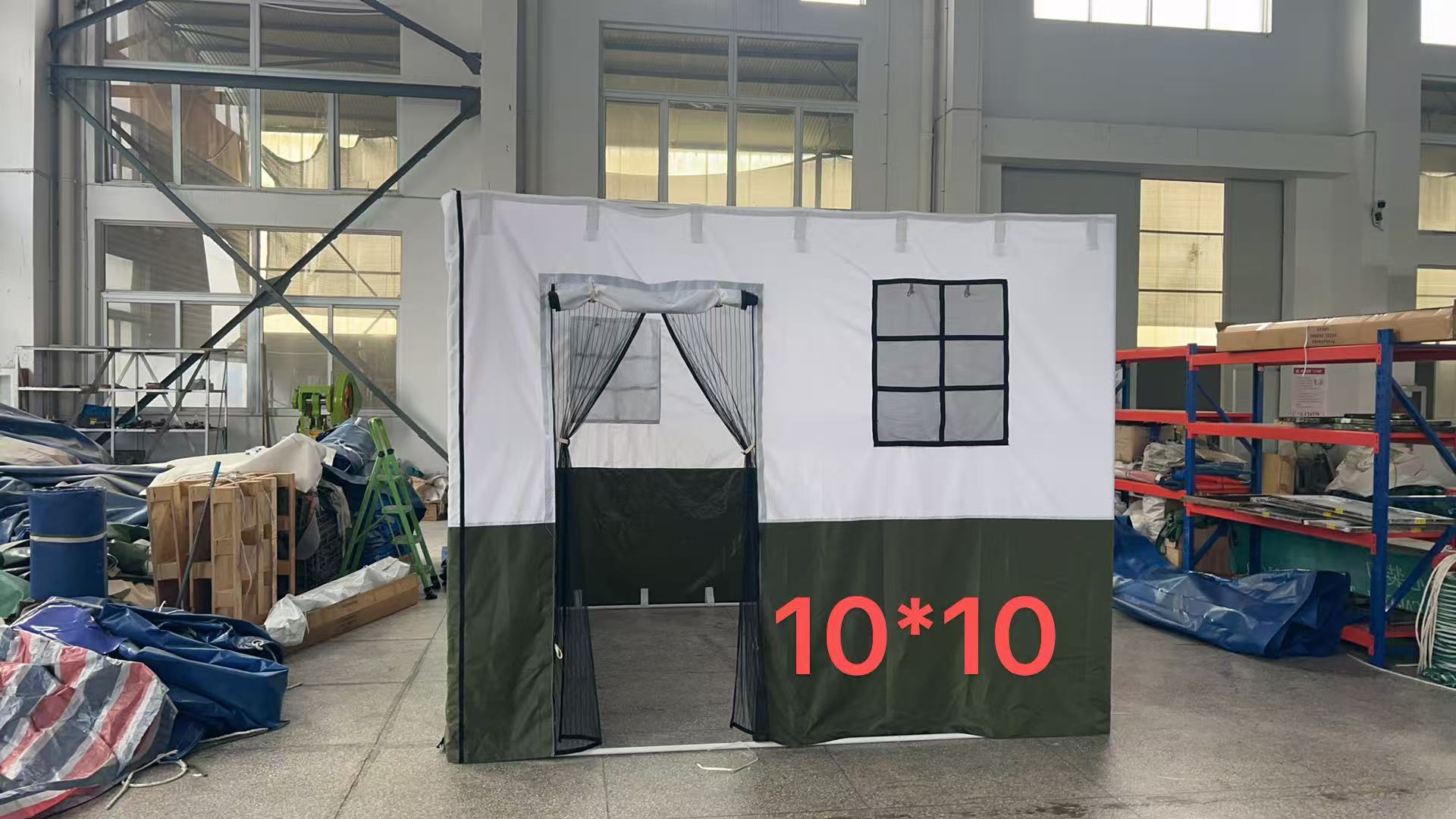
With the frame secure, slide or clip the wall panels onto the poles, working one wall at a time. Most kits use a track-and-slide system similar to a shower curtain, while others rely on ties or grommets. Leave one wall as an entrance, either with a zippered flap or an overlapping panel you can push aside. Pull each wall taut as you attach it, since a loose wall will flap in the wind and can loosen the connectors over time.
The schach goes on last, laid across the top rail so that it covers the majority of the roof while still leaving small gaps to see the sky. A good rule of thumb is that the shade created should be greater than the sunlight passing through, but the material shouldn't be so dense that it blocks stars from view at night. Bamboo roll mats are popular because they're lightweight, reusable, and easy to trim to size with basic scissors or a utility knife.
Once the structure is stable, decorating turns the sukkah from a bare frame into a welcoming space for meals and gatherings. Many families hang string lights along the top rail, drape fabric or paper chains from the schach, and display artwork made by children on the interior walls. Fresh or artificial fruit, gourds, and dried corn are traditional touches that reflect the harvest theme of the holiday. A folding table, comfortable chairs, and a few cushions can make the space practical for extended meals, especially if you plan to eat there daily throughout the week.
Even with a straightforward kit, a few recurring errors trip up new builders. Recognizing them ahead of time can save you a frustrating afternoon.
Once your sukkah is up and in use, a small amount of daily attention keeps it in good shape for the full week of Sukkot. Check the stakes or weighted bases each morning, especially after windy nights, and retighten any connectors that have loosened from repeated use. If rain is in the forecast, consider a clear tarp that can be temporarily placed over part of the schach and removed afterward, since a soggy roof covering can sag or mold over several days. Wipe down table surfaces and sweep out leaves or debris that fall through the schach, particularly if young children are eating meals inside. Taking these small steps daily means your sukkah will stay sturdy, clean, and comfortable from the first night through the last.
Recommended Products



 The Industrial Park of Wuqiao Town, Jiangdu District, Yangzhou City, Jiangsu Province, China.
  +86-15252561063
  +86-15252561063
  [email protected]