Specializing in all kinds of custom tarpaulins Custom Tarpaulin Product Manufacturers

 русский
 Français
News
 2026.02.17
 Industry News
Content
Waterproof Oxford fabric has become the material of choice for modern sukkah tents, offering a perfect balance between traditional requirements and contemporary weather protection needs. This specialized textile originates from a weaving technique that creates a basket-weave pattern, resulting in exceptional durability and water resistance. When used in sukkah construction, Oxford fabric typically features a denier rating between 210D and 600D, with higher numbers indicating thicker, more robust material suitable for extended outdoor use.
The waterproofing process for Oxford fabric involves coating the material with polyurethane (PU) or polyvinyl chloride (PVC), creating a barrier that prevents water penetration while maintaining breathability. The effectiveness of this coating is measured in millimeters of water column pressure, with quality sukkah tents typically rated between 2000mm and 5000mm. This rating indicates the fabric can withstand moderate to heavy rainfall without allowing moisture to seep through, protecting both the interior space and the occupants during the Sukkot holiday celebrations.
Modern sukkah manufacturers have refined the application of waterproof coatings to ensure they remain flexible in various temperatures, resist UV degradation, and maintain their protective properties over multiple holiday seasons. The fabric's inherent strength combined with waterproof treatment creates a shelter that honors traditional observance requirements while providing practical protection against unpredictable weather conditions that often occur during the fall festival period.
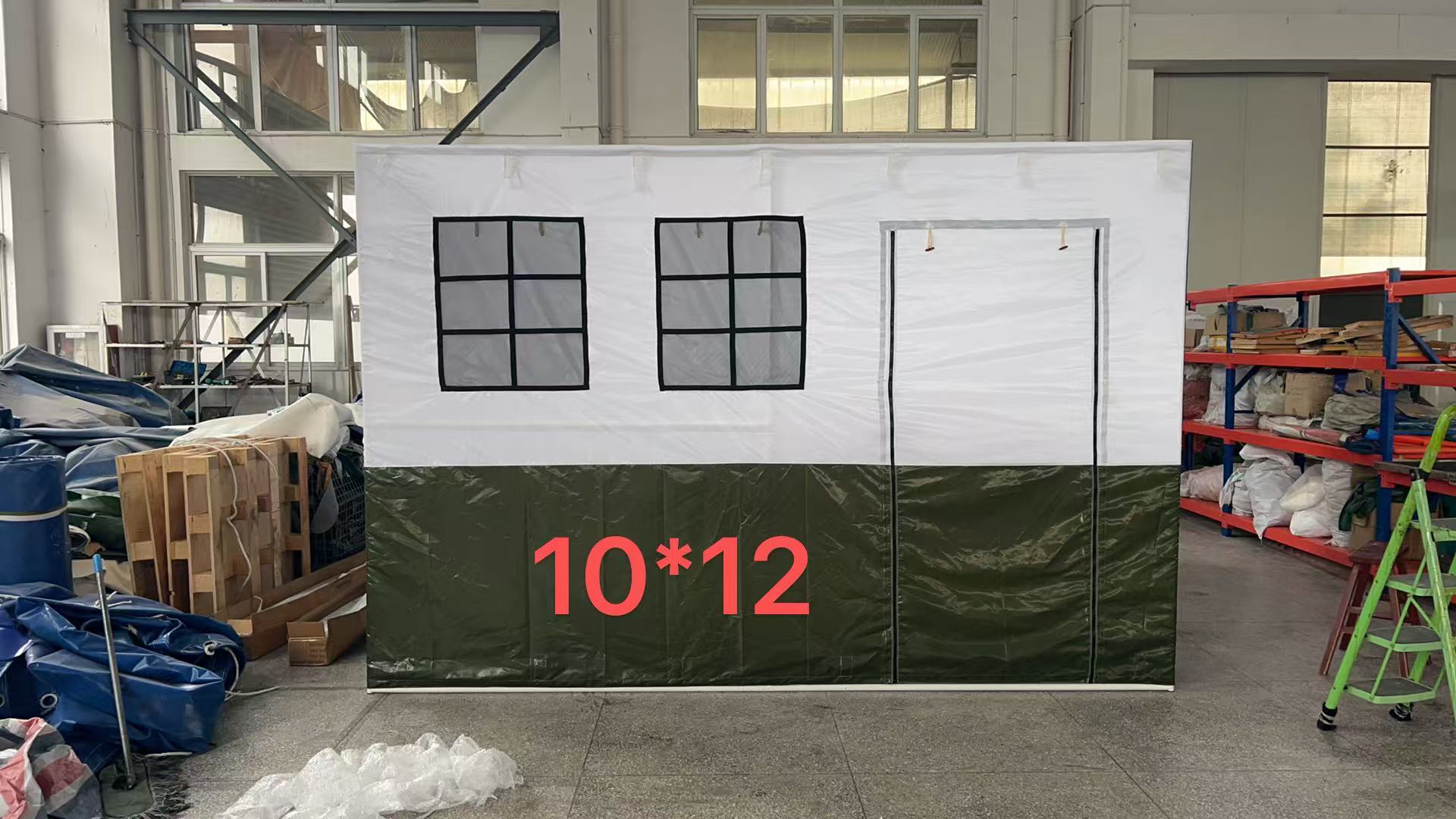
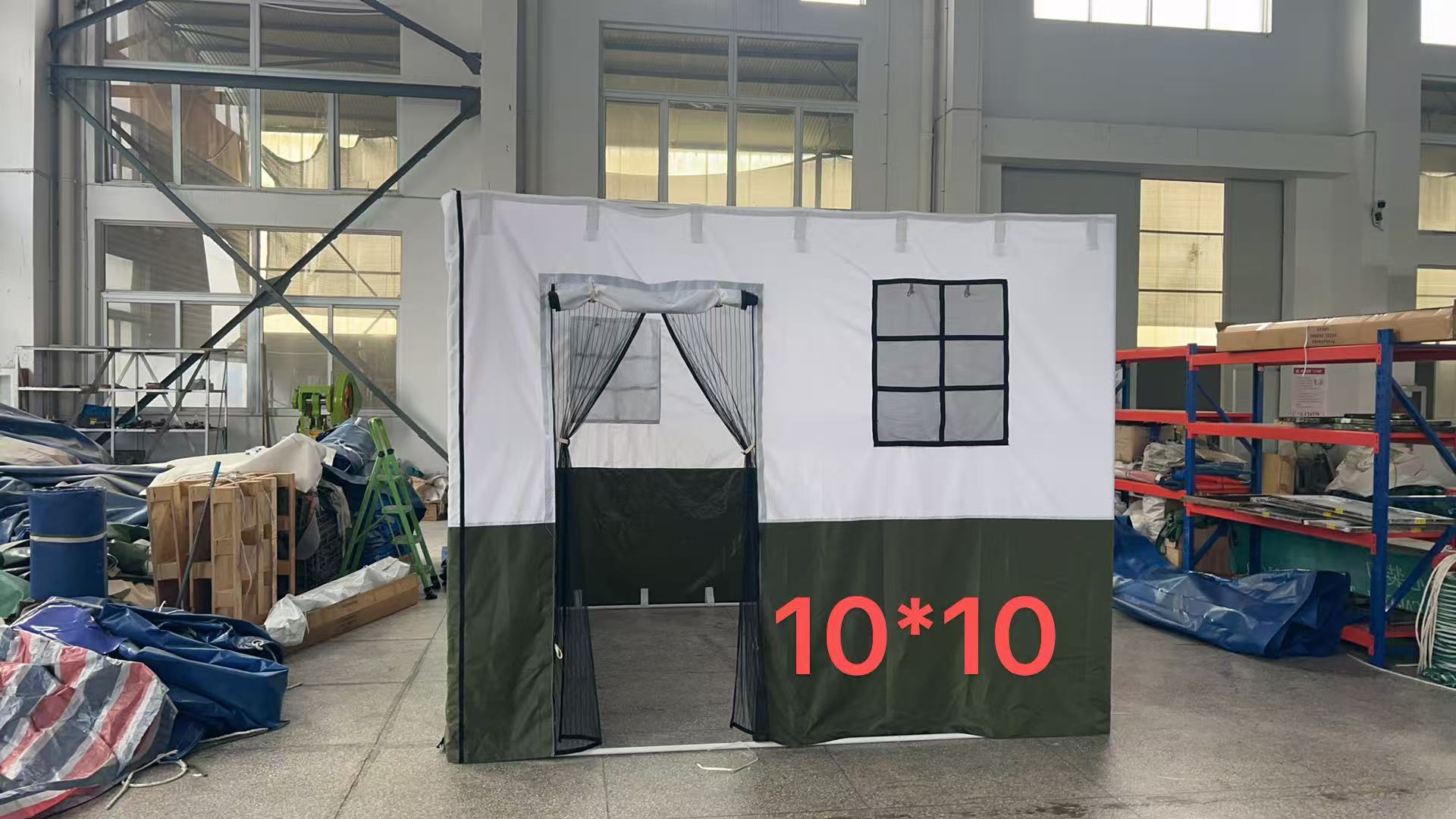
Zippered walls represent a significant advancement in sukkah tent design, transforming these temporary structures from simple shelters into versatile, weather-responsive enclosures. The zipper mechanism allows users to quickly adapt their sukkah to changing weather conditions, opening walls during pleasant weather to fulfill religious requirements for open-air dining and closing them when rain or wind threatens. Quality sukkah tents incorporate heavy-duty zippers, typically size five or larger, with water-resistant or waterproof coating on the zipper tape itself to prevent moisture infiltration along the closure line.
The placement and configuration of zippers in sukkah walls vary depending on the manufacturer's design philosophy and the specific needs of different communities. Common configurations include full-length vertical zippers that allow entire wall panels to be rolled up and secured, horizontal zippers that create window openings at various heights, and corner zippers that facilitate complete wall removal for maximum ventilation. Each zipper installation point requires reinforcement with additional fabric layers or binding tape to distribute stress and prevent tearing under tension from wind or repeated use.
Advanced zippered wall systems incorporate storm flaps that overlay the zipper from the exterior, providing an additional layer of protection against wind-driven rain. These flaps, when properly designed, redirect water away from the zipper teeth and tape, significantly reducing the likelihood of leakage during severe weather. The integration of these flaps with the waterproof Oxford fabric creates a comprehensive weather defense system that maintains the interior environment even in challenging conditions.
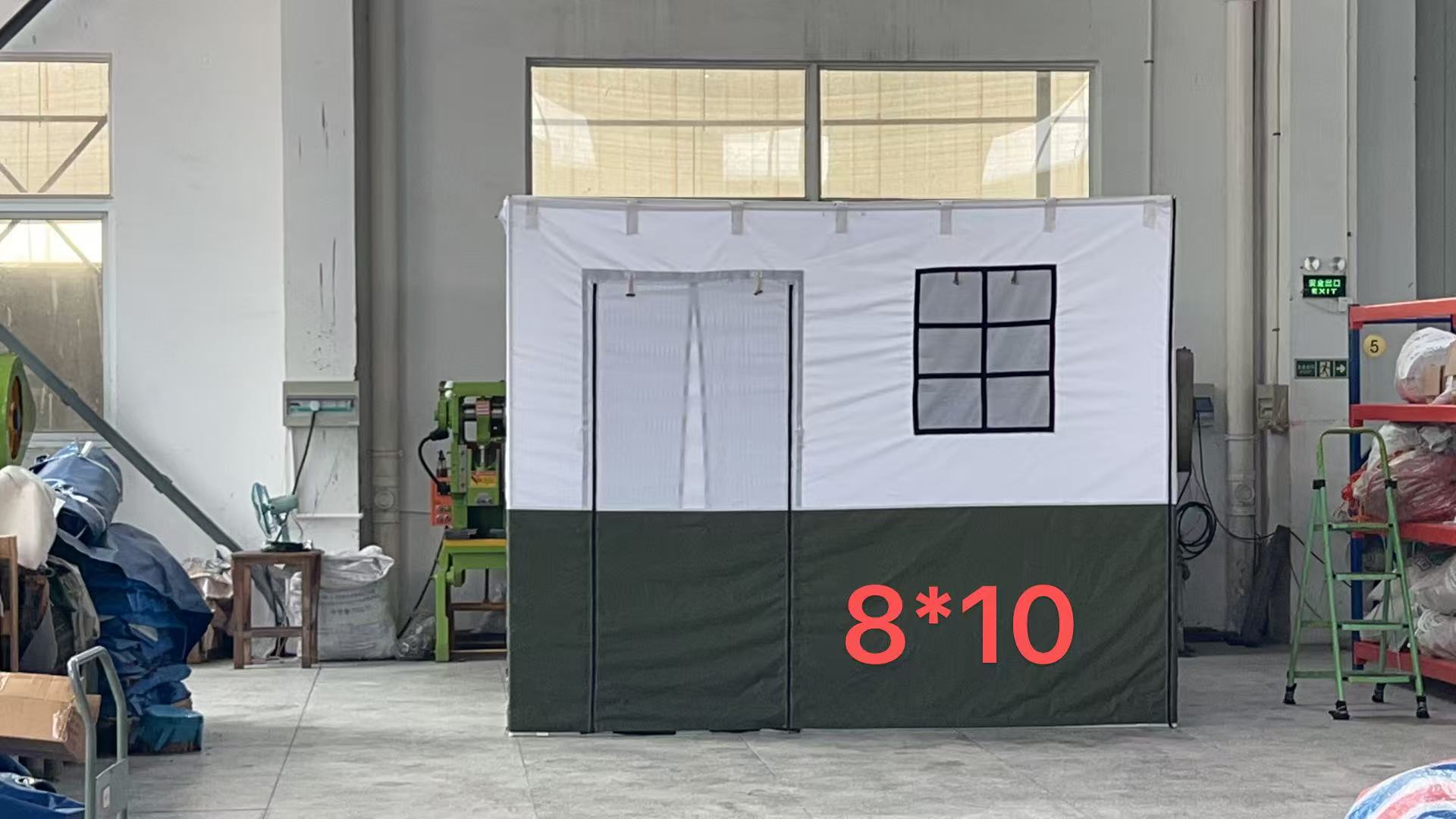
The synergy between zippered walls and waterproof Oxford fabric creates a waterproofing system that exceeds the capabilities of either component alone. When zippers are properly closed and maintained, they form continuous seals that complement the waterproof fabric panels, creating an integrated barrier against moisture. The key to this effectiveness lies in the overlap design, where fabric panels extend beyond the zipper closure line, creating multiple layers of protection at each seam.
Premium sukkah tents feature waterproof zippers with specialized coatings on both the teeth and the fabric tape that holds them. These coatings, often made from thermoplastic polyurethane (TPU), bond at the molecular level with the Oxford fabric's waterproof coating, creating seamless transitions between different sections of the wall. When combined with proper seam sealing techniques, these zippered joints become as waterproof as the surrounding fabric panels, eliminating potential weak points in the structure's weather defense.
The flexibility provided by zippered walls also contributes to waterproofing effectiveness by allowing users to adjust ventilation and prevent condensation buildup. Trapped moisture inside a sukkah can create discomfort and potentially damage decorations or furnishings. By partially opening zippered walls during dry periods, users can maintain air circulation that prevents condensation while retaining the ability to quickly seal the structure when rain approaches, maintaining optimal interior conditions throughout the holiday period.
Maintaining the waterproof integrity of Oxford fabric sukkah tents with zippered walls requires consistent care and attention to specific maintenance procedures. After each use during the Sukkot holiday, the fabric should be thoroughly cleaned with mild soap and water, removing organic debris, dust, and any substances that might degrade the waterproof coating over time. Harsh detergents, bleach, or abrasive cleaning methods should be avoided, as these can damage the protective coating and compromise the fabric's water-resistance capabilities.
Zipper maintenance forms a critical component of waterproofing preservation. After cleaning, all zippers should be lubricated with specialized zipper lubricant or pure silicone spray, which maintains smooth operation while enhancing the water-resistant properties of the zipper mechanism. Inspecting zipper teeth for damage or misalignment before storage prevents small issues from developing into major failures that could compromise the entire wall panel's weather protection during future use.
Proper storage techniques significantly extend the waterproof lifespan of sukkah materials. The fabric must be completely dry before folding and storage to prevent mildew growth, which can deteriorate both the Oxford weave and the waterproof coating. Storing the sukkah in a cool, dry location away from direct sunlight prevents UV degradation of the waterproof coating, while avoiding tight compression during storage maintains the fabric's structural integrity and coating adhesion for many years of reliable use.
| Configuration Type | Water Resistance Rating | Best Weather Conditions | Flexibility Level |
| Full zippered walls with storm flaps | 4000-5000mm | Heavy rain and wind | High |
| Partial zippered panels | 3000-4000mm | Moderate rain | Medium |
| Window-only zippers | 2000-3000mm | Light rain, variable weather | Low |
| No zippers (fixed panels) | 2000-3000mm | Predictable conditions | None |
Even with quality materials and construction, sukkah tents with zippered walls can experience waterproofing challenges that require attention and resolution. Zipper leakage represents one of the most common issues, typically occurring when the zipper is not fully closed, when debris becomes lodged in the teeth preventing proper closure, or when the storm flap has shifted out of position. Regular inspection before anticipated rainfall and ensuring complete zipper closure along the entire length prevents most zipper-related water intrusion problems.
Seam deterioration over time can compromise waterproofing effectiveness, particularly in high-stress areas where fabric panels attach to structural supports or where multiple seams converge. Field repair of compromised seams can be accomplished using seam sealing tape specifically designed for outdoor fabrics, applied according to manufacturer instructions after thoroughly cleaning and drying the affected area. For extensive seam damage, professional repair services can restore factory-quality waterproofing by replacing damaged sections or reapplying heat-sealed seam tape using specialized equipment.
Coating degradation manifests as beading failure, where water no longer forms discrete droplets on the fabric surface but instead spreads and eventually penetrates through the material. Restoring waterproofing to Oxford fabric experiencing coating failure involves applying specialized waterproofing treatments designed for outdoor synthetic fabrics. These treatments, available as spray-on or wash-in formulations, bond with the existing fabric and coating to restore water-repellent properties, extending the useful life of the sukkah tent for additional seasons of reliable service.
Recent technological advances have introduced new features that enhance the waterproofing capabilities of zippered sukkah walls beyond traditional construction methods. Welded seam technology, borrowed from high-performance outdoor gear manufacturing, uses heat and pressure to fuse fabric layers together without needle penetration, eliminating the primary pathway for water intrusion at seam lines. While more expensive than sewn-and-sealed seams, welded construction provides superior long-term waterproofing performance in critical junction areas.
Aquaguard and similar waterproof zipper systems represent another significant innovation, featuring a polyurethane coating that completely encapsulates the zipper teeth and tape, creating a continuous waterproof barrier when the zipper is closed. These specialized zippers, originally developed for diving equipment and marine applications, provide exceptional weather protection even without storm flaps, though premium sukkah designs often combine both technologies for maximum security against water intrusion during severe weather events.
Smart fabric treatments incorporating nanotechnology create ultra-hydrophobic surfaces that cause water to bead and roll off with minimal contact with the fabric surface. These treatments penetrate the Oxford fabric at the molecular level, maintaining breathability while providing enhanced water resistance that lasts significantly longer than traditional coating methods. Combined with advanced zipper systems and welded seams, these innovations represent the cutting edge of sukkah waterproofing technology, offering unprecedented weather protection while maintaining the flexibility and ease of use that makes zippered walls so valuable for temporary religious structures.
Emerging technologies promise even greater waterproofing performance and durability for future generations of sukkah tents. Researchers are developing self-healing fabrics that automatically seal small punctures or abrasions, preventing the development of leaks at damage points. Integrated moisture sensors could provide real-time alerts when waterproofing integrity becomes compromised, allowing preemptive maintenance before water intrusion occurs. These advances, combined with continued improvements in zipper technology and fabric coatings, will ensure that waterproof Oxford sukkah tents with zippered walls continue to provide reliable, comfortable shelter for religious observance regardless of weather conditions, honoring tradition while embracing modern materials science and engineering excellence.
Recommended Products



 The Industrial Park of Wuqiao Town, Jiangdu District, Yangzhou City, Jiangsu Province, China.
  +86-15252561063
  +86-15252561063
  [email protected]