Specializing in all kinds of custom tarpaulins Custom Tarpaulin Product Manufacturers

 русский
 Français
News
 2026.02.09
 Industry News
Content
Waterproof tarps are manufactured from various materials, each offering distinct advantages for specific applications and environmental conditions. Polyethylene tarps, commonly known as poly tarps, represent the most economical option and feature woven polyethylene fabric laminated on both sides with low-density polyethylene coating. These tarps provide basic waterproofing suitable for temporary coverage, construction sites, and general-purpose applications. Canvas tarps, traditionally made from cotton duck fabric treated with wax or oil coatings, offer breathability that prevents condensation buildup while providing water resistance rather than complete waterproofing. Modern canvas tarps increasingly incorporate synthetic treatments or vinyl coatings to enhance waterproof capabilities while maintaining the material's natural breathability and durability.
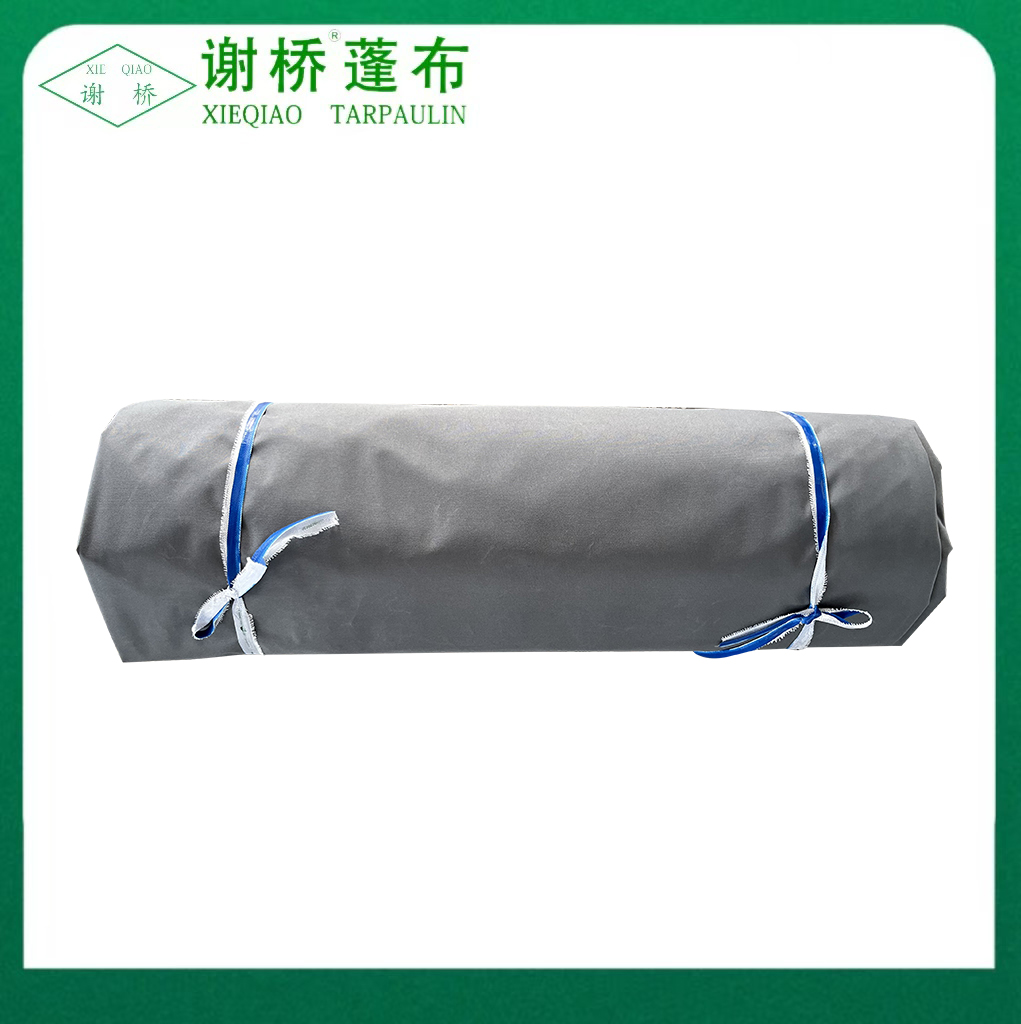
Oxford fabric tarps, often appearing in gray or other colors, utilize a specific basketweave construction that creates a distinctive textured appearance and enhanced durability compared to plain-weave fabrics. Oxford cloth typically consists of nylon or polyester fibers woven in a 2x1 or similar pattern, then coated with polyurethane (PU) or polyvinyl chloride (PVC) to achieve waterproof properties. The basketweave construction distributes stress more evenly across the fabric, reducing tear propagation and extending service life under challenging conditions. Gray Oxford tarps specifically have gained popularity due to their professional appearance, excellent UV resistance compared to lighter colors, and ability to conceal dirt and staining better than white or bright-colored alternatives. The coating thickness and quality significantly influence waterproof performance, with higher-grade Oxford tarps featuring multiple coating layers or specialized treatments that enhance water resistance, tear strength, and environmental durability.
Denier measurement indicates the linear mass density of fibers used in tarp construction, with higher denier numbers representing thicker, heavier fibers that generally provide greater durability and tear resistance. Common Oxford tarp specifications range from 210D (denier) for lightweight applications to 600D or higher for heavy-duty use. A 420D Oxford tarp offers excellent balance between weight and durability for most general applications, while 600D versions provide superior resistance to punctures and abrasion in demanding environments. Fabric weight, typically expressed in ounces per square yard or grams per square meter, provides another durability indicator, with heavier tarps generally offering longer service life but reduced portability and handling convenience.
Waterproof performance is measured using hydrostatic head testing, which determines the water column height a fabric can support before water penetration occurs. Ratings typically appear in millimeters, with higher numbers indicating superior waterproof capabilities. A tarp rated at 1,000mm provides basic water resistance suitable for light rain or temporary coverage, while 3,000mm ratings handle moderate rainfall effectively. Premium waterproof tarps achieve ratings of 5,000mm to 10,000mm or higher, providing complete protection even during heavy downpours or prolonged water exposure. Oxford fabric tarps with PVC coatings frequently exceed 5,000mm ratings, making them suitable for demanding outdoor applications requiring reliable long-term waterproof protection.
| Material Type | Typical Denier Range | Waterproof Rating | Best Applications |
| Polyethylene | N/A (woven strips) | 1,000-3,000mm | Temporary coverage, construction |
| Oxford Fabric (PU) | 210D-420D | 3,000-5,000mm | Equipment covers, camping |
| Oxford Fabric (PVC) | 420D-600D | 5,000-10,000mm+ | Heavy-duty outdoor, industrial |
| Vinyl/PVC | N/A (solid sheet) | Fully waterproof | Truck covers, industrial containment |
Waterproof tarps serve countless practical purposes across residential, commercial, and industrial settings. In residential applications, tarps protect outdoor furniture, grills, and equipment from weather exposure during off-seasons or between uses. Homeowners employ tarps for temporary roof repairs following storm damage, creating emergency waterproof barriers that prevent interior water damage while awaiting permanent repairs. Gray Oxford tarps particularly excel in these applications due to their professional appearance and ability to withstand extended outdoor exposure without significant UV degradation. Garden and landscaping applications include protecting wood piles, covering compost heaps, creating temporary greenhouses, and shielding plants from frost or excessive sun exposure.
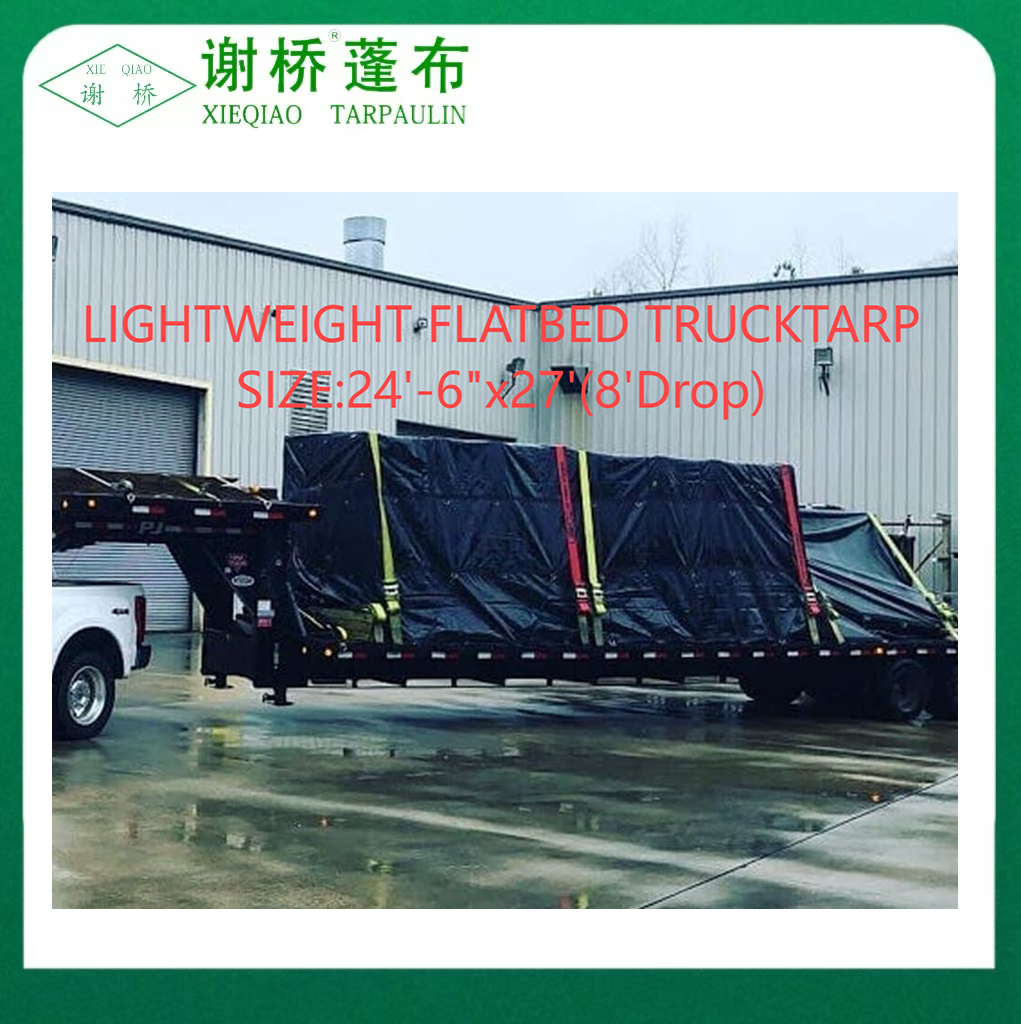
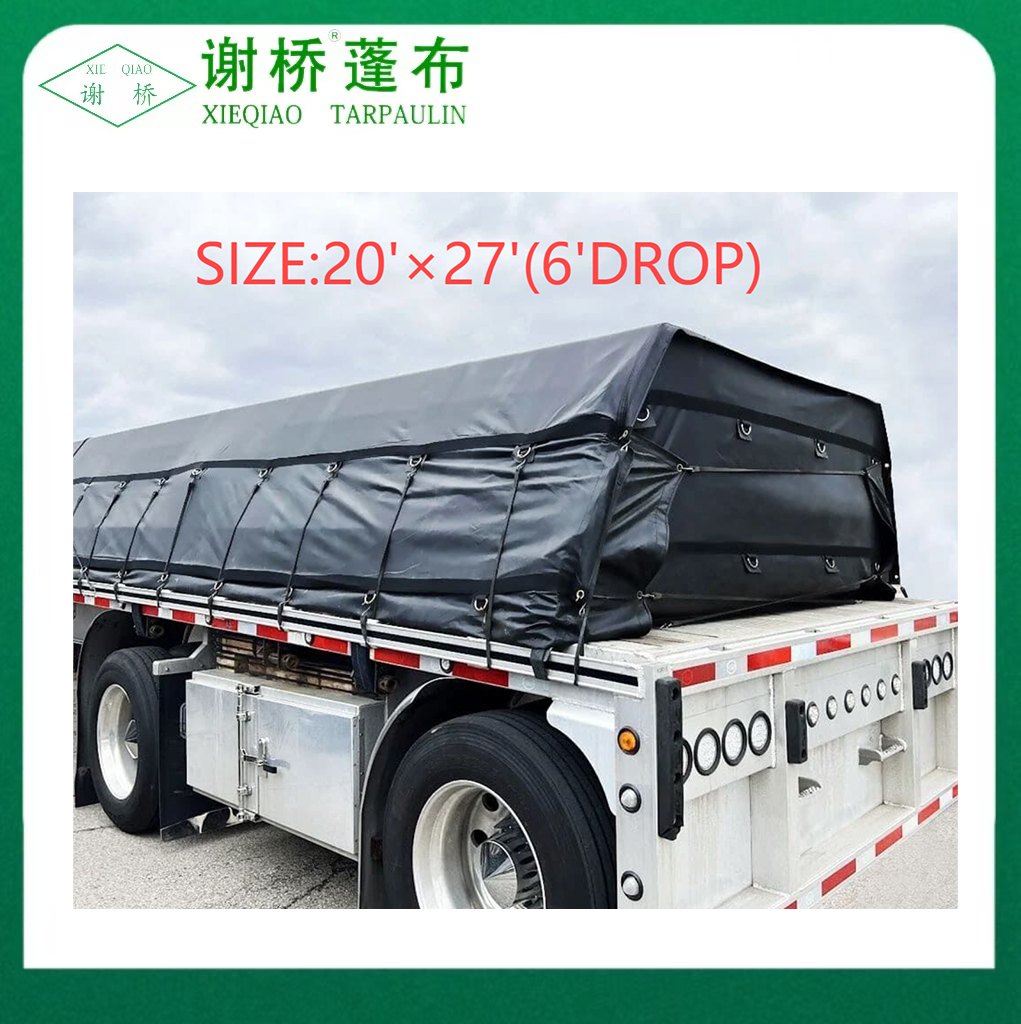
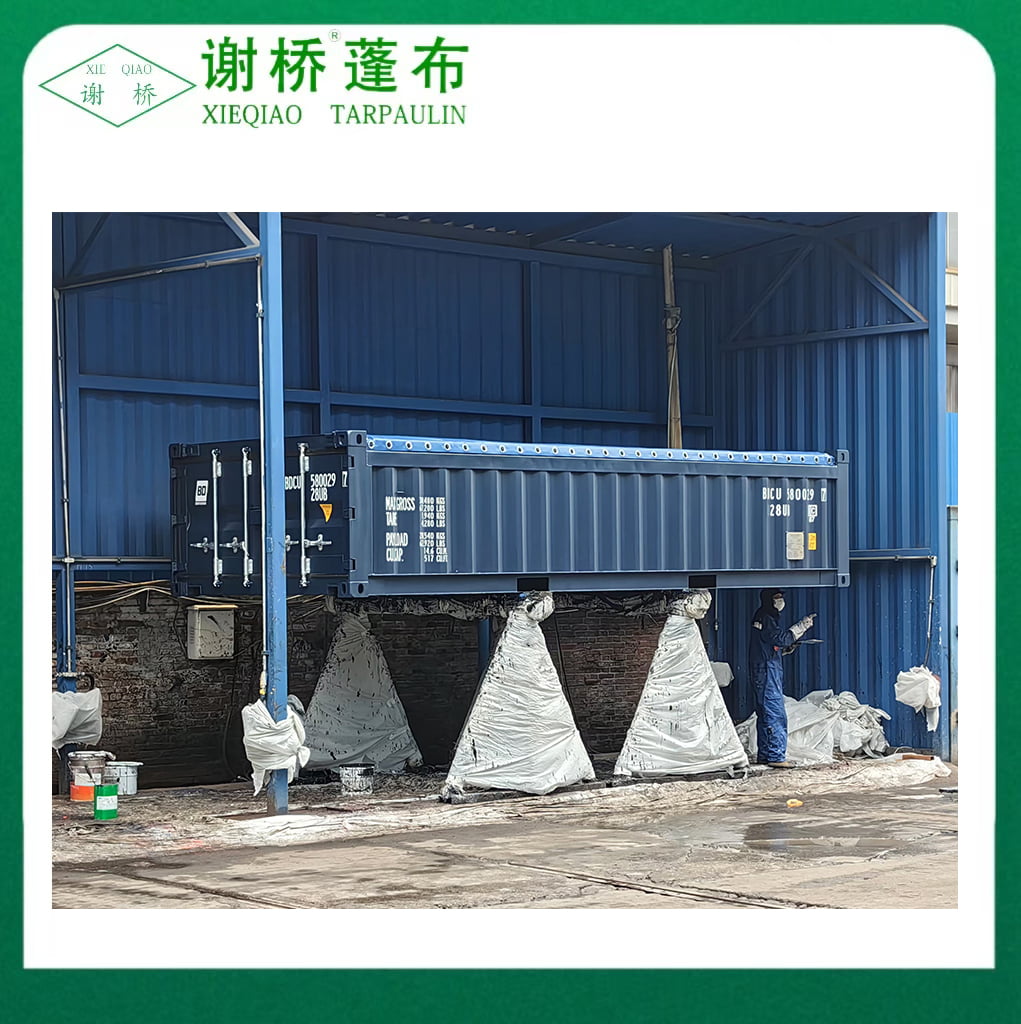
Construction and industrial sectors rely heavily on waterproof tarps for protecting materials, equipment, and work areas from precipitation. Contractors use tarps to cover lumber, drywall, cement, and other moisture-sensitive building materials stored at job sites. During active construction, tarps create temporary enclosures that allow work to continue during inclement weather, protecting partially completed structures from water infiltration. Transportation applications include securing and protecting cargo in truck beds and trailers, with heavy-duty Oxford or vinyl tarps providing reliable coverage that withstands highway speeds and weather exposure. Recreational users depend on waterproof tarps for camping applications including ground cloths, rain flies, emergency shelters, and gear protection. Marine environments demand tarps with enhanced UV resistance and waterproof capabilities, used for boat covers, dock equipment protection, and creating covered work or storage areas in challenging saltwater conditions.
Proper tarp sizing ensures adequate coverage while avoiding excess material that creates handling difficulties and water pooling issues. Measure the items or areas requiring coverage carefully, adding extra dimensions to account for desired overhang and securing methods. For ground coverage applications, add at least 12-18 inches beyond the footprint in each direction to ensure edges can be properly anchored without pulling coverage away from protected areas. When covering stacked materials or equipment, account for height in addition to length and width, calculating diagonal measurements to ensure the tarp can extend from ground level over the peak and back to ground on the opposite side with adequate securing margin.
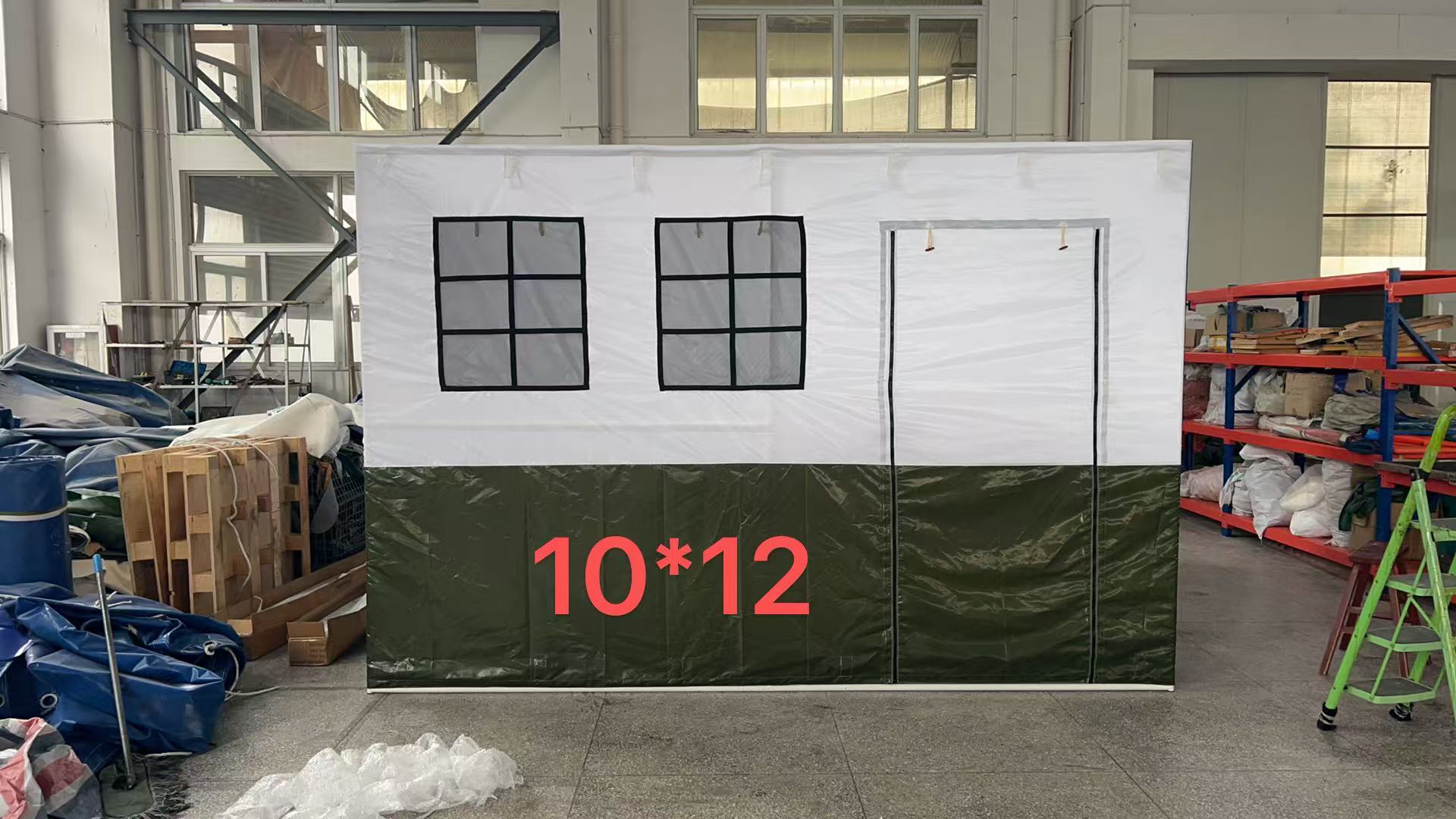
Tarp manufacturers typically offer standard sizes in even-foot increments, though custom dimensions are available for specialized applications. Common residential sizes include 8x10, 10x12, 12x16, and 20x20 feet, while commercial and industrial applications may require tarps measuring 30x40 feet or larger. Consider that advertised tarp dimensions may represent cut size rather than finished size, with hemming and grommeting reducing actual coverage area by several inches per side. Gray Oxford tarps are widely available in standard configurations, with grommets spaced at regular intervals, typically every 18-24 inches along edges and corners. Heavy-duty applications benefit from closer grommet spacing at 12-inch intervals and reinforced corner patches that distribute stress and prevent tearing at high-load attachment points.
Edge construction significantly influences tarp durability and longevity, as edges and attachment points experience the highest stress during use. Quality tarps feature hemmed edges where the fabric is folded and stitched, creating doubled material thickness that resists tearing and fraying. Heat-sealed edges, common in polyethylene tarps, use thermal welding to join and seal edges without stitching, providing waterproof edge seals but potentially less tear resistance than sewn hems. Premium Oxford tarps typically combine both techniques, using reinforced stitching with heat or ultrasonic sealing to achieve maximum edge strength and waterproof integrity. Look for double or triple-stitched hems with UV-resistant thread that won't degrade prematurely under sun exposure.
Grommets, the metal or plastic rings installed at regular intervals around tarp perimeters, provide secure attachment points for ropes, bungee cords, or other fastening systems. Rust-proof grommets, typically aluminum or stainless steel, prevent corrosion that weakens attachment points and stains the tarp fabric. Grommet size affects the maximum rope or cord diameter that can be used, with larger grommets accommodating thicker, stronger securing materials. Check that grommets feature reinforced backing washers on both fabric sides, distributing pull forces across larger areas and preventing tear-out under load. Some heavy-duty tarps incorporate D-rings or other alternative attachment systems in addition to or instead of traditional grommets, offering enhanced strength for demanding applications or providing different securing options for specific use cases.
Effective tarp installation requires proper securing methods that prevent wind damage, water pooling, and coverage displacement. Begin by positioning the tarp to provide adequate coverage with relatively even overhang on all sides when possible. For ground applications, ensure the tarp lies flat without wrinkles or folds that could collect water or create trip hazards. When covering equipment or materials, create gentle slopes that allow water to run off rather than pooling on the tarp surface, as standing water adds significant weight that can damage the tarp or underlying items and create breeding grounds for mosquitoes and algae.
Proper maintenance significantly extends waterproof tarp service life and maintains performance characteristics. Clean tarps periodically to remove dirt, organic debris, and contaminants that can degrade waterproof coatings or harbor mold and mildew. For routine cleaning, rinse tarps with water and scrub gently using a soft brush with mild soap or detergent specifically formulated for the tarp material. Avoid harsh chemicals, petroleum-based cleaners, or abrasive scrubbing that can damage waterproof coatings or weaken fabric fibers. Rinse thoroughly to remove all soap residue, as remaining detergent can attract dirt and accelerate coating degradation.
Allow tarps to dry completely before folding and storing, as moisture trapped in storage promotes mold, mildew, and material deterioration. Hang tarps in shaded, well-ventilated areas for drying rather than direct sun exposure, which can cause excessive UV damage during the drying process. Store tarps in cool, dry locations away from direct sunlight, as prolonged UV exposure degrades most tarp materials even when not in active use. Fold tarps loosely rather than creating tight creases that can crack waterproof coatings, or roll larger tarps around cardboard tubes to prevent crease formation entirely. Inspect tarps before and after each use for damage including tears, punctures, separated seams, or pulled grommets, repairing minor issues promptly before they propagate into major failures requiring tarp replacement.
Minor tarp damage can often be repaired effectively using appropriate materials and techniques, extending service life and avoiding replacement costs. Small punctures and tears in Oxford fabric or polyethylene tarps respond well to repair tape specifically designed for the tarp material. Clean and dry the damaged area thoroughly before applying repair tape, ensuring good adhesion between tape and tarp surface. Apply tape to both sides of the damage when possible, creating a sandwich repair that distributes stress and provides waterproof sealing from both directions. Smooth tape carefully during application to eliminate air bubbles that could allow water penetration or provide starting points for tape delamination.
For larger tears or edge damage, sewing repairs using heavy-duty thread and appropriate needles can restore structural integrity. Use UV-resistant polyester or nylon thread that matches the durability characteristics of the original tarp stitching. After sewing repairs, apply seam sealer or repair tape over stitching to restore waterproof qualities compromised by needle holes. Pulled or torn grommets often can be replaced using grommet kits available at hardware stores, though repairs require access to both tarp sides and basic tools including a grommet punch or installation tool. For valuable tarps or extensive damage, professional repair services can restore tarps using heat welding, industrial stitching equipment, and professional-grade materials that may exceed DIY repair capabilities, though repair costs should be weighed against replacement expenses for older or lower-quality tarps.
Environmental impact varies significantly across different tarp types, influencing purchasing decisions for environmentally conscious users. Polyethylene tarps, while economical and effective, present recycling challenges due to their multi-layer construction combining different plastic types. Many recycling facilities cannot process these materials, resulting in tarps ending up in landfills where they persist for decades without decomposing. Canvas tarps made from natural fibers offer better environmental profiles, as cotton is biodegradable and renewable, though synthetic waterproofing treatments may limit compostability. Some manufacturers now offer tarps made from recycled materials or incorporating biodegradable components, providing more sustainable options for environmentally focused applications.
When tarps reach end of service life, explore repurposing options before disposal. Damaged tarps can be cut into smaller pieces for use as drop cloths, garden mulch barriers, or protective coverings for less-demanding applications. Some organizations accept used tarps for disaster relief, homeless shelter construction, or other humanitarian purposes where perfect condition isn't required. For tarps that must be disposed of, check with local waste management authorities regarding proper disposal methods, as some jurisdictions operate special collection programs for difficult-to-recycle materials. Consider investing in higher-quality tarps that provide longer service life, reducing replacement frequency and overall environmental impact even if initial costs are higher than budget alternatives that require frequent replacement.
Waterproof tarp pricing varies dramatically based on material, size, and quality specifications, ranging from a few dollars for basic polyethylene tarps to hundreds of dollars for premium heavy-duty Oxford or vinyl alternatives. When evaluating tarp value, consider total cost of ownership including expected service life, replacement frequency, and performance reliability rather than focusing solely on initial purchase price. A premium gray Oxford tarp costing three times more than a basic poly tarp but lasting five times longer represents superior value despite higher upfront investment. Factor in the value of items being protected, as spending appropriately on quality tarps that reliably protect expensive equipment, materials, or structures proves far more economical than replacing damaged items due to inadequate coverage.
Application requirements should guide budget allocation, with temporary, short-term uses justifying economical options while permanent or critical applications warrant premium materials. Purchase tarps from reputable manufacturers or suppliers who provide clear specifications, warranties, and customer support, as these indicators correlate with product quality and performance reliability. Be wary of extremely low-priced tarps that may use inferior materials, thin coatings, or inadequate construction that fails prematurely. Read product reviews from users with similar applications to yours, gaining insights into real-world performance, durability, and potential issues that may not be apparent from specifications alone. For specialized applications or uncertainty about appropriate tarp selection, consult with knowledgeable suppliers who can recommend options based on specific requirements, environmental conditions, and performance expectations, ensuring you select tarps that deliver reliable protection and value for your particular needs.
Recommended Products



 The Industrial Park of Wuqiao Town, Jiangdu District, Yangzhou City, Jiangsu Province, China.
  +86-15252561063
  +86-15252561063
  [email protected]