Specializing in all kinds of custom tarpaulins Custom Tarpaulin Product Manufacturers

 русский
 Français
News
 2026.02.28
 Industry News
Content
PVC waterproof covers have become an indispensable protective solution across construction, agriculture, transportation, marine, and industrial sectors worldwide. Engineered from polyvinyl chloride-coated polyester or nylon fabric, these covers deliver a combination of waterproofing, tensile strength, UV resistance, and dimensional stability that natural canvas and polyethylene alternatives struggle to match at equivalent weight. Whether protecting cargo on a flatbed truck, covering stored agricultural produce, sheltering construction sites from rain, or serving as the outer skin of an industrial tent structure, PVC waterproof covers perform reliably in conditions that would degrade inferior materials within a single season. Understanding the material science behind PVC covers, how they are specified and graded, and how to select and maintain the right cover for a specific application translates directly into lower replacement costs, better protection outcomes, and fewer operational disruptions caused by cover failure.
A PVC waterproof cover is a composite material consisting of three functional layers working together to deliver waterproofing, mechanical strength, and surface durability simultaneously. Understanding each layer's role clarifies why PVC covers outperform simpler single-material alternatives in demanding applications.
The structural core of a PVC cover is a woven fabric scrim — typically polyester or nylon — whose thread count, yarn denier, and weave pattern determine the cover's tensile strength, tear resistance, and dimensional stability under load. Polyester scrims are the most widely used because polyester combines high tensile strength with low moisture absorption and good resistance to UV degradation, ensuring that the load-bearing layer of the cover maintains its mechanical properties even after prolonged outdoor exposure. The woven scrim is then coated on both faces with PVC compound — a formulation of PVC resin, plasticizers, stabilizers, pigments, and functional additives — through a calendering or knife-over-roll coating process that bonds the PVC intimately to the fabric and fills the interstices between warp and weft threads to create a continuous waterproof membrane. The outer PVC surface may receive additional treatments including UV stabilizer topcoats, anti-fungal treatments, anti-static finishes, or flame-retardant coatings depending on the intended application. The result is a material whose waterproofing performance, mechanical strength, and service life substantially exceed what either the fabric scrim or the PVC coating could deliver independently.
The performance of a PVC waterproof cover in service is determined by a set of measurable material properties that should be evaluated against application requirements during specification. Each property addresses a different aspect of the cover's ability to protect the items beneath it and withstand the mechanical and environmental demands of its operating environment.
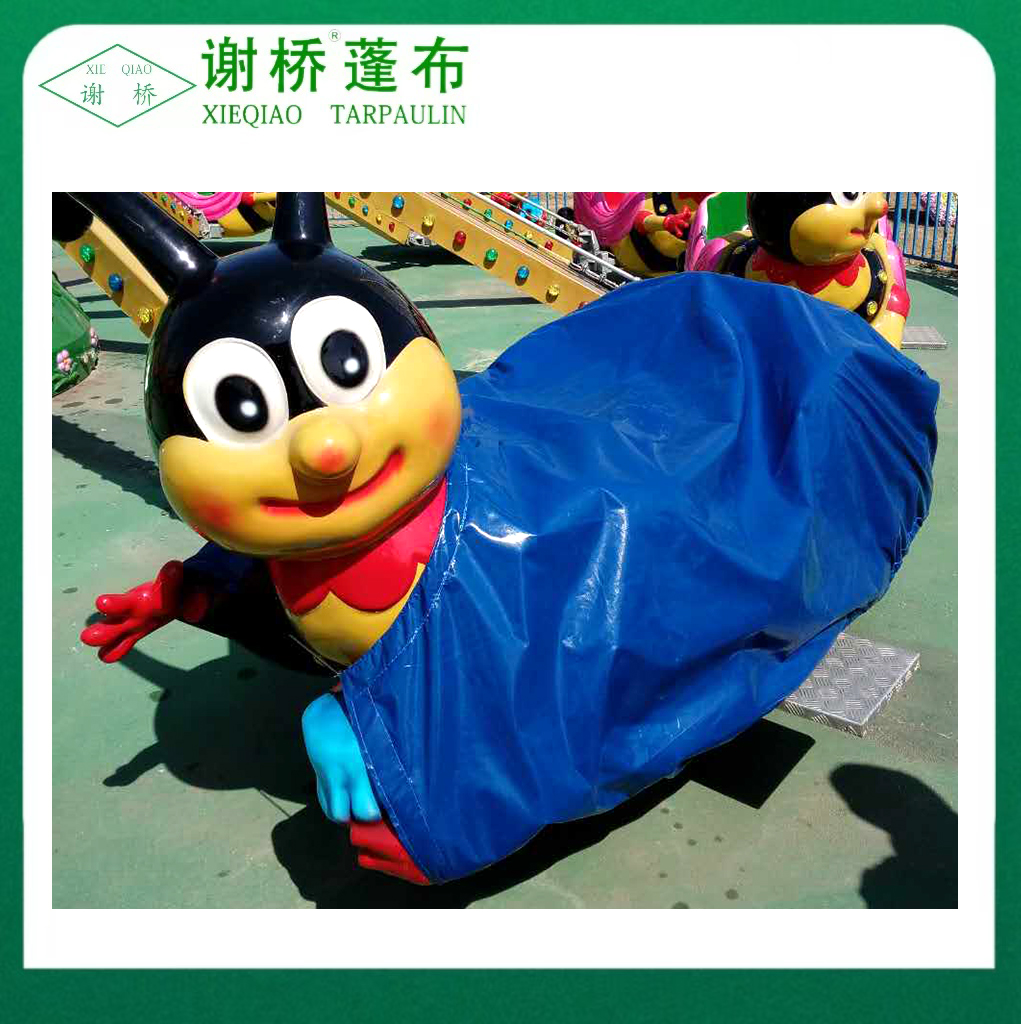
PVC waterproof covers are graded primarily by their weight per square meter (gsm — grams per square meter), which correlates broadly with coating thickness, scrim thread count, and overall mechanical performance. Selecting the correct weight grade for a given application is critical: under-specifying results in premature failure, while over-specifying adds unnecessary cost and weight without meaningful performance benefit.
| Weight Grade | GSM Range | Typical Scrim | Durability Level | Typical Applications |
| Lightweight | 300 – 450 gsm | 500D Polyester | Light duty | Garden furniture covers, temporary shelters |
| Medium Weight | 450 – 650 gsm | 1000D Polyester | Medium duty | Agricultural covers, light cargo, camping |
| Heavy Weight | 650 – 900 gsm | 1000D–1500D Polyester | Heavy duty | Truck tarps, construction site covers |
| Extra Heavy | 900 – 1200 gsm | 1500D+ Polyester | Industrial duty | Industrial tents, heavy machinery covers |
| Premium Industrial | 1200+ gsm | High-tenacity Polyester | Extreme duty | Structural membranes, military, mining |
Beyond GSM, thread count in the base scrim is an equally important indicator of mechanical performance. A 18×18 thread count per inch provides significantly better tear resistance than a 14×14 count at equivalent weight, because finer, more numerous threads distribute stress more evenly across the fabric and create smaller openings between threads that resist tear propagation more effectively. When comparing PVC covers from different suppliers, requesting both the GSM and the thread count — along with independently verified tensile and tear strength test results to ISO 1421 or equivalent standards — provides a more reliable basis for quality comparison than weight alone.
PVC waterproof covers serve as the primary protective barrier in an exceptionally diverse range of industries and applications. Their common thread is the need for reliable waterproofing combined with the mechanical strength to withstand repeated use, wind loading, and physical handling in demanding field conditions.
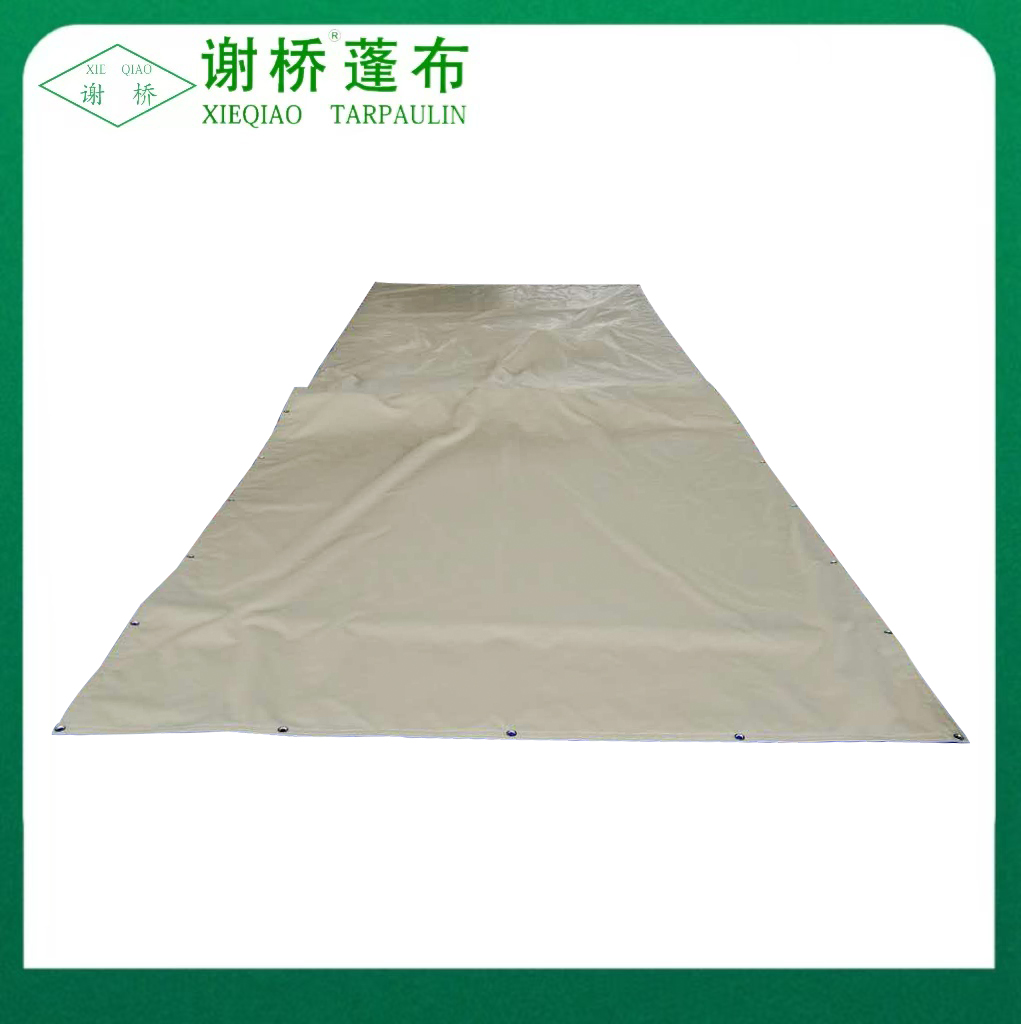
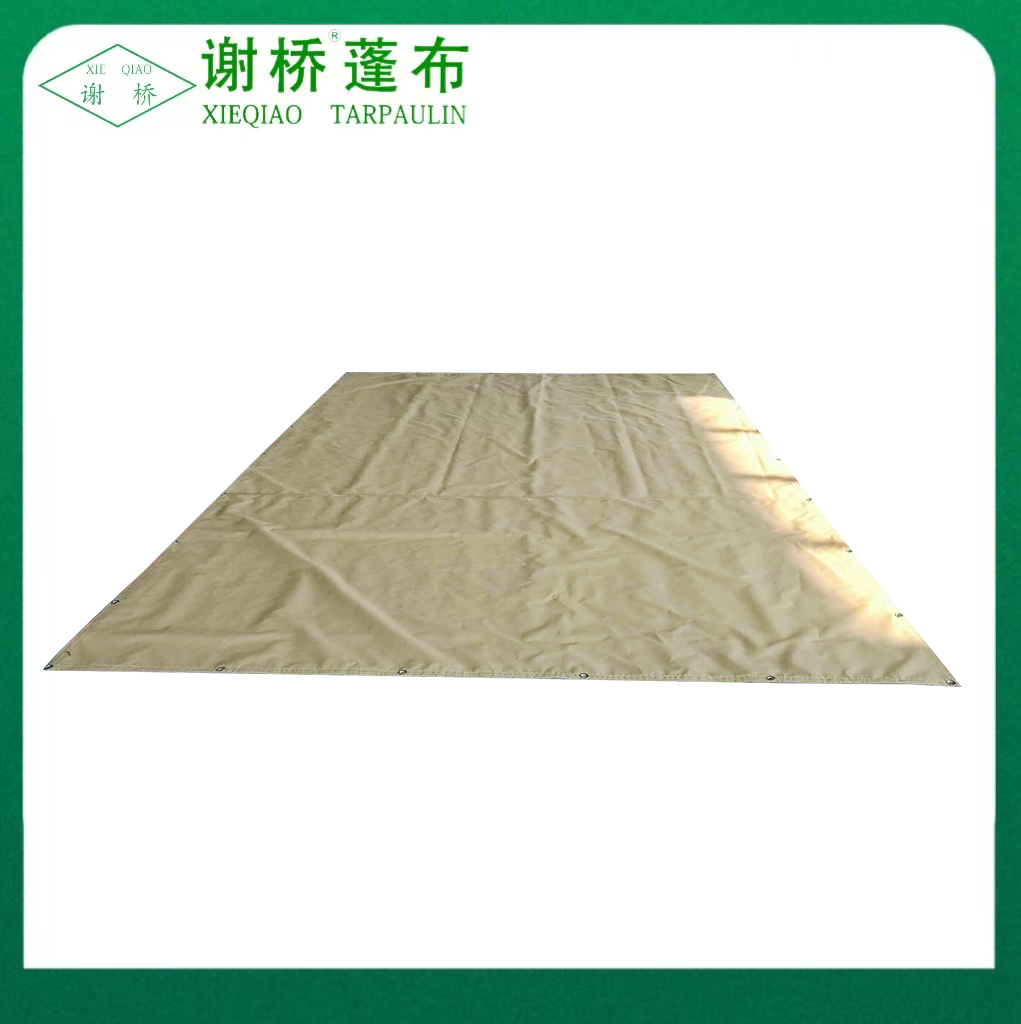
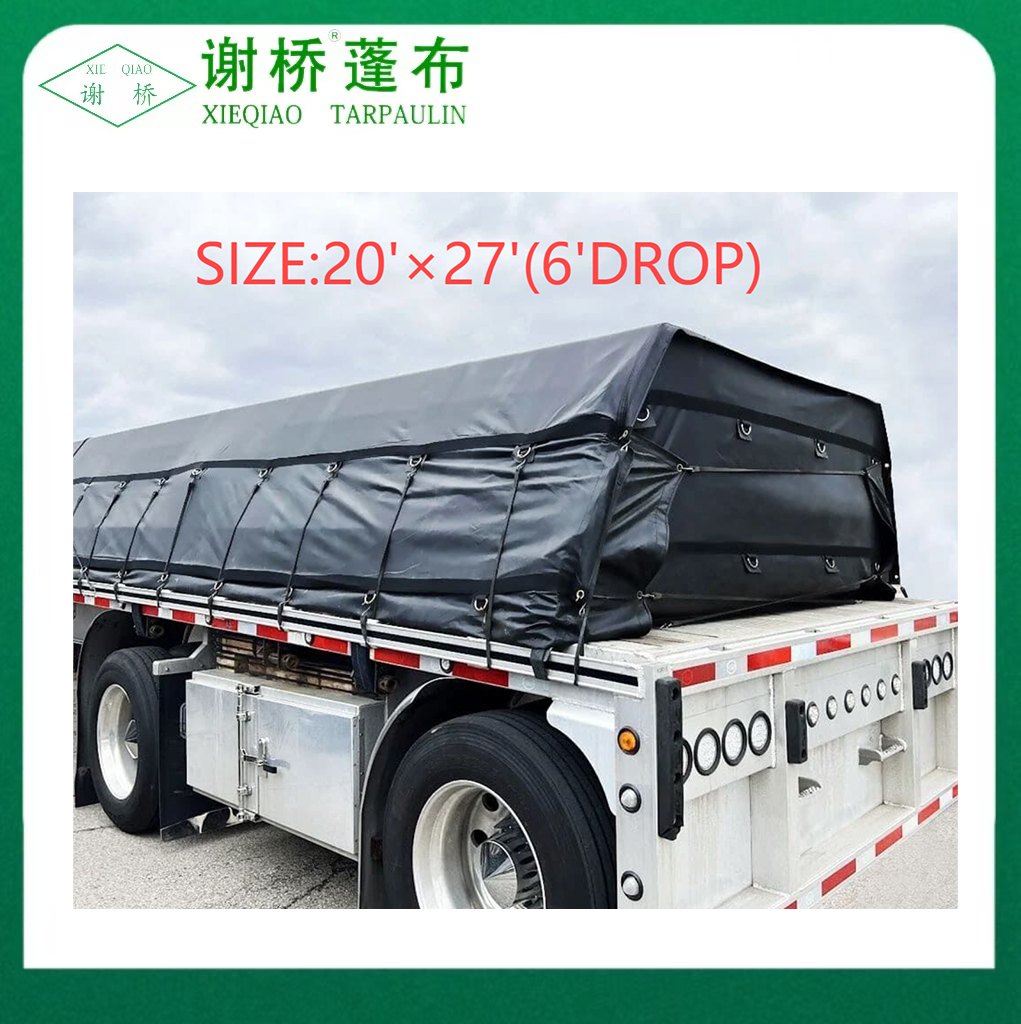
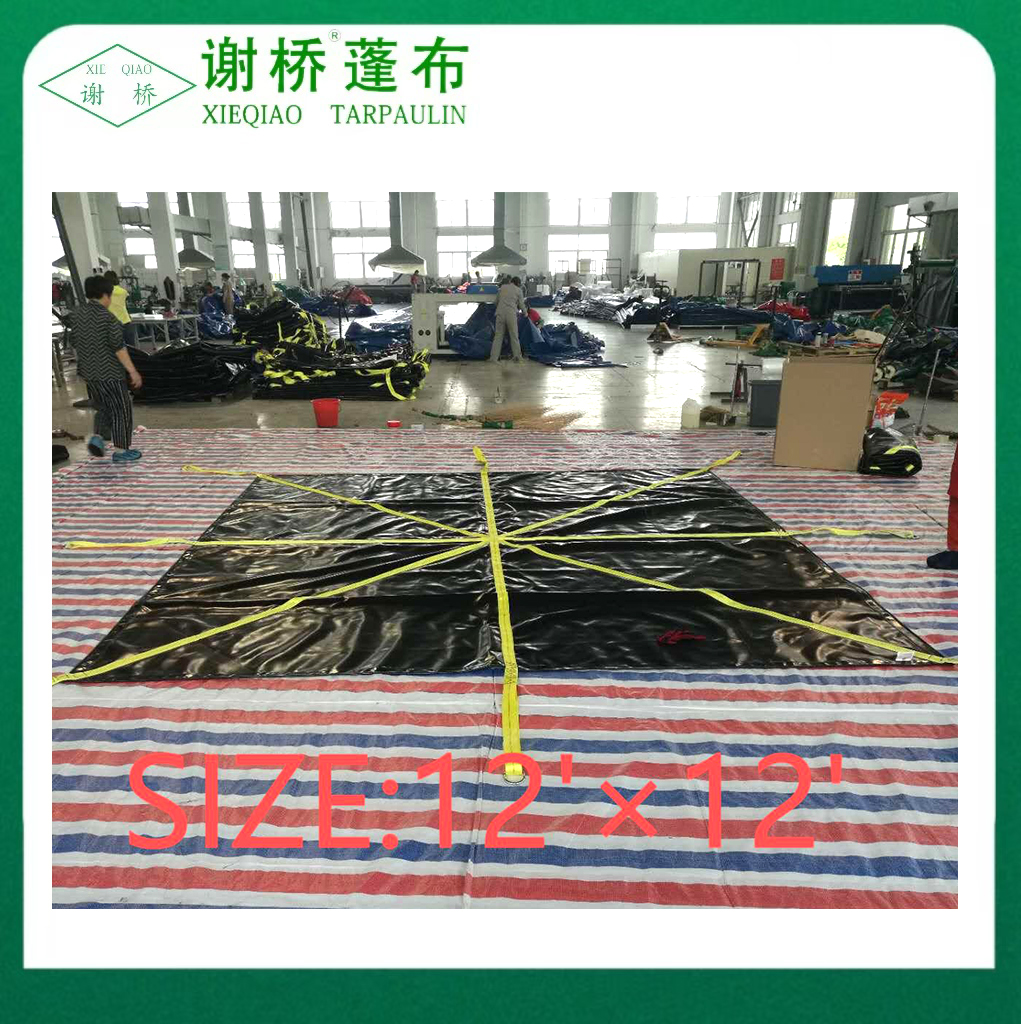
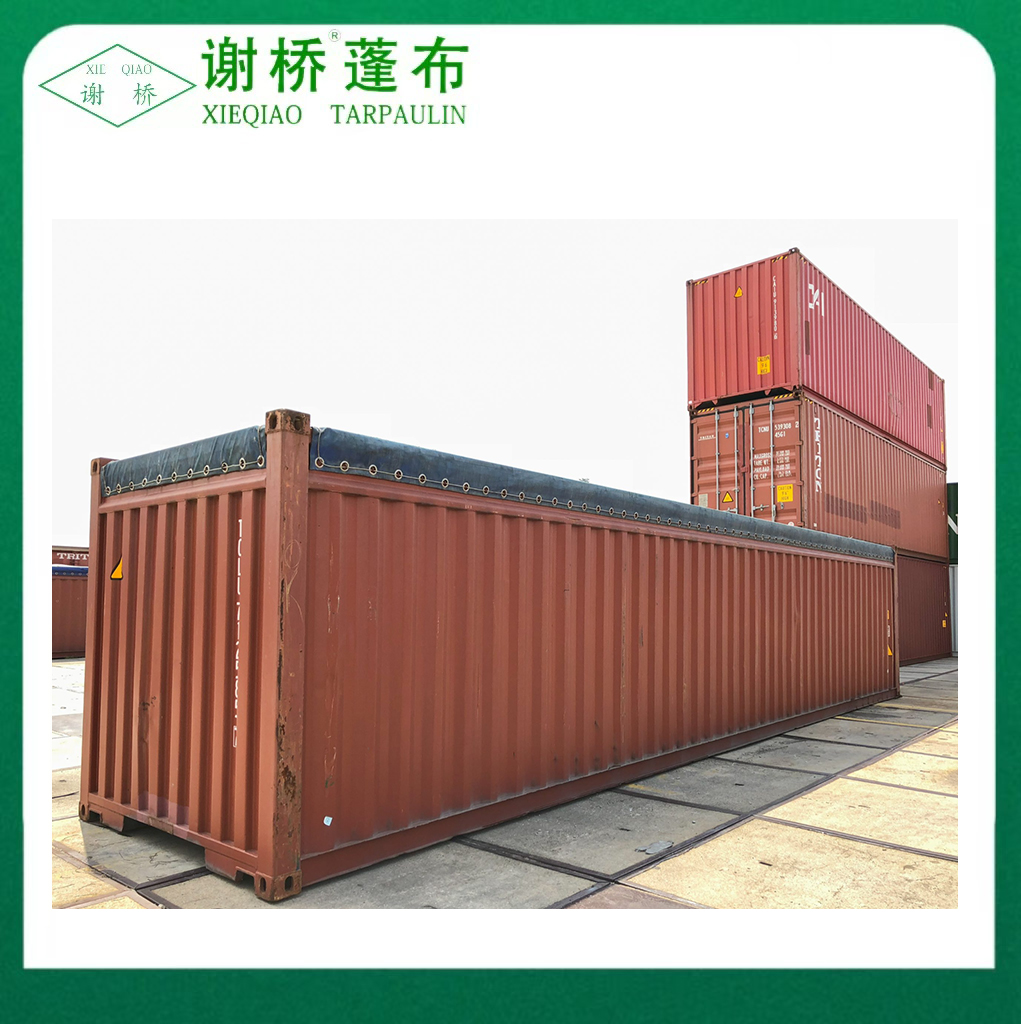
Flatbed truck tarps represent one of the highest-volume applications for heavy-duty PVC waterproof covers. These covers must withstand wind loads at highway speeds — which generate significant flutter forces on trailing edges — UV exposure through hundreds of hours of driving, repeated folding and deployment cycles, and contact with the sharp edges and protrusions of varied cargo profiles. Heavy-weight PVC tarps in the 650–900 gsm range with reinforced edges, welded seams, and stainless steel or galvanized steel grommets at regular intervals are the standard specification for transport applications. Side curtains on curtain-sided trailers and intermodal freight covers are similarly demanding applications where PVC's combination of strength, waterproofing, and flexibility under cold conditions makes it the industry standard material.
Construction sites generate constant demand for PVC waterproof covers to protect building materials, equipment, and partially completed structures from rain, dust, and UV degradation. Scaffold sheeting — large PVC covers draped over scaffolding frameworks to enclose building facades during renovation or construction — must provide both weatherproofing and containment of dust, debris, and noise while withstanding significant wind pressure loading. Flame-retardant PVC covers complying with standards such as DIN 4102 B1 or EN 13501-1 are mandatory for scaffold sheeting on occupied buildings in many jurisdictions, where fire spread risk from temporary coverings must be managed. Concrete curing blankets in PVC-coated fabric protect freshly poured concrete from rain washout, frost damage, and rapid moisture evaporation during the critical early curing period.
Agricultural applications for PVC waterproof covers range from grain and silage covers protecting bulk stored crops from moisture ingress, to hay stack covers, equipment protection tarps, and polytunnel cladding materials. Silage covers require specific formulations that combine UV resistance for prolonged outdoor exposure with flexibility at low temperatures — silage is typically covered in autumn and uncovered in spring, meaning the cover must remain pliable during winter storage conditions in cold climates. Anti-condensation treatments on the inner face of agricultural covers reduce drip formation that can cause localized mold growth on stored produce directly beneath the cover. In commercial horticulture, PVC covers are used as temporary frost protection for vulnerable crops and as shade netting supports in integrated growing systems.
Marine environments impose particularly demanding requirements on waterproof covers due to the combined effects of UV radiation, salt spray corrosion, constant moisture exposure, and the mechanical demands of securing covers against wind on open water. PVC boat covers, bimini tops, and cockpit enclosures use marine-grade PVC formulations with enhanced UV stabilization and anti-mold treatments. The combination of flexibility — important for conforming the cover to complex boat geometries — and resistance to salt water degradation makes PVC a preferred material over canvas in cost-sensitive marine applications. In outdoor recreation, PVC covers protect camping and event equipment, provide temporary shelter structures, and serve as ground sheets and tarpaulins where their waterproofing and durability advantages justify the weight premium over polyethylene alternatives.
Understanding how PVC waterproof covers compare to polyethylene (PE) tarps, canvas, and polypropylene covers in the key performance dimensions helps clarify which material is most appropriate for a given application and budget.
Selecting the right PVC waterproof cover requires matching specifications to the specific demands of the application rather than defaulting to the heaviest or most expensive option available. Working through a structured set of selection criteria ensures that the chosen cover delivers the necessary performance at the appropriate cost point.
PVC waterproof covers represent a significant investment in operational infrastructure, and consistent maintenance practices can extend their service life substantially beyond what neglected covers achieve. The primary threats to PVC cover longevity are UV degradation, plasticizer volatilization, physical abrasion and puncture damage, and biological growth — all of which are manageable with correct care.
Cleaning PVC covers regularly with mild soap solution and a soft brush removes dirt, biological growth, and chemical deposits that can accelerate surface degradation if left in contact with the PVC compound over extended periods. Avoid solvents, petrol-based cleaners, and high-pressure washing at close range — solvents attack the plasticizers in the PVC and high-pressure water can force water through the coating-to-scrim interface, compromising the bond and creating delamination. After cleaning, allow the cover to dry completely before folding and storing — folding a wet or damp PVC cover for extended periods promotes mold and mildew growth between the folded layers, creating unsightly surface staining and eventually degrading the PVC surface. When storing covers for extended periods, avoid tight folding at fixed crease lines where possible — rolling rather than folding reduces the development of permanent crease marks that can become initiation sites for cover cracking over time. Store PVC covers away from direct UV exposure, sources of ozone — electrical equipment generates ozone that accelerates PVC degradation — and sharp objects that could puncture the material during storage. Promptly repair any punctures, tears, or delaminated seams using self-adhesive PVC repair tape or professional hot-air welding — minor damage left unrepaired propagates rapidly under the mechanical stresses of normal use and converts a simple repair into a cover replacement.
Recommended Products



 The Industrial Park of Wuqiao Town, Jiangdu District, Yangzhou City, Jiangsu Province, China.
  +86-15252561063
  +86-15252561063
  [email protected]