Specializing in all kinds of custom tarpaulins Custom Tarpaulin Product Manufacturers

 русский
 Français

News
 Home / News / Industry News / Waterproof Tarp for Roof: Choosing Durable Emergency and Temporary Protection
 2026.10.14
 Industry News
Content
A roofing contractor receives a call on a Friday afternoon. A storm is forecast for the weekend, and a commercial building has a large open seam in its membrane roof. Water is already dripping through the ceiling in two rooms. The fastest fix is a waterproof tarp for roof protection. A heavy-duty tarp placed over the damaged section stops the water within an hour and gives the building owner time to schedule a proper repair.
The core issue is that a roof tarp is a protective tool, not a decorative cloth. It controls water flow, blocks rain and snow, and protects the building's interior and structure. The practical difference between a good roof tarp and a bad one is how much weight and weather it can handle without failing.
Roof tarps are commonly used in these situations:
For commercial buildings with active ceiling leaks, an emergency roof drip tarp is a specific solution. Instead of simply blocking the water, this type of tarp channels the leak to a controlled discharge point, keeping water away from office equipment and stored goods.
The conclusion is straightforward: if the tarp will be on a roof, choose a heavy-duty PVC or vinyl material. It offers the best combination of tear resistance, UV stability, and waterproofing. Lightweight polyethylene tarps can look like a bargain, but they rarely survive the wind, sun, and water load of a rooftop environment.
| Material | Typical Weight | Waterproof Rating | Best Use |
|---|---|---|---|
| PVC / Vinyl | 450–680 gsm | Excellent | Long-term, heavy-duty, commercial |
| Polyethylene (PE) | 100–200 gsm | Good | Short-term, budget, emergency |
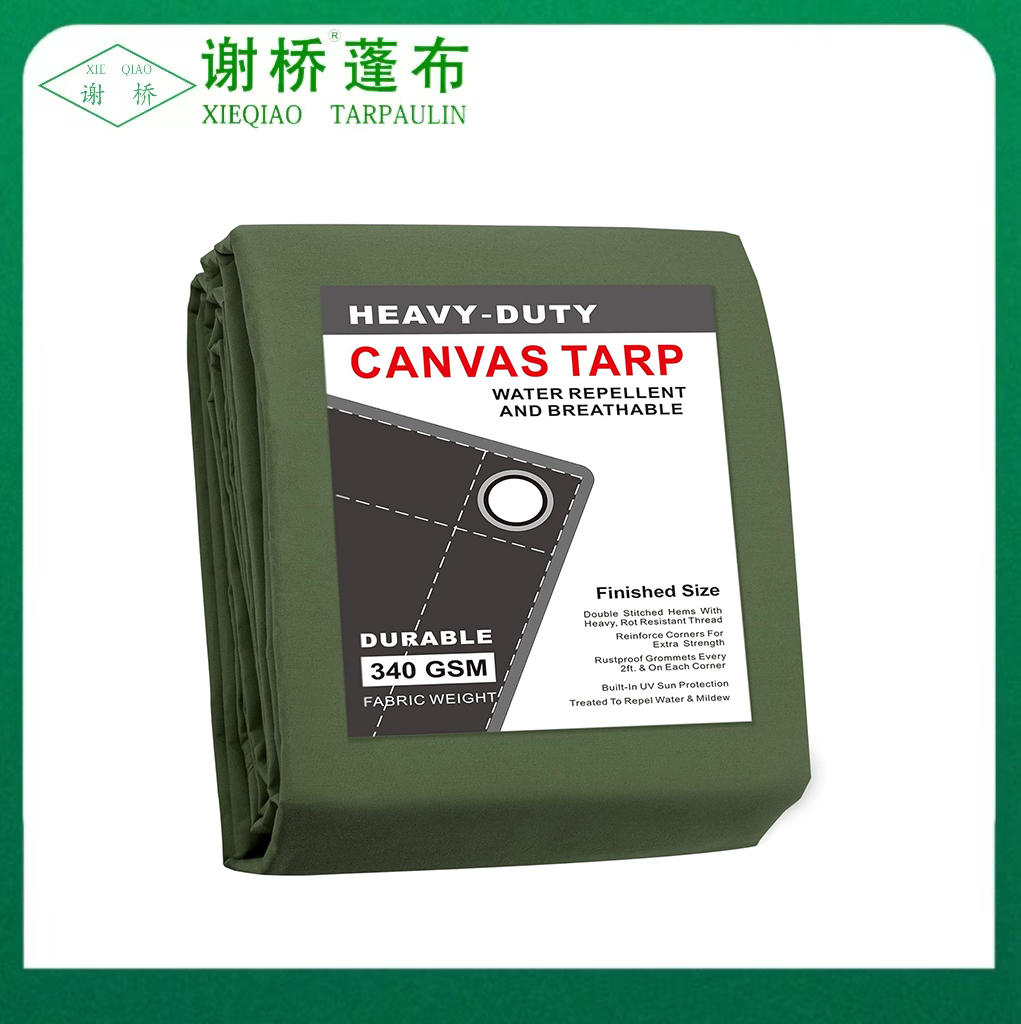
| Canvas | 300–400 gsm | Good (treated) | Breathable, moderate duty |
Weight is not just a technical detail. A 450 gsm PVC tarp has a much higher resistance to punctures and seam failure than a 120 gsm PE sheet. A 1000D tear-resistant roof tarp with rustproof metal grommets is a good example of a roof-specific product. The high denier fabric, reinforced edges, and metal grommets are engineered to hold the tension needed when the tarp is tied tight across a roof edge.
A roof tarp fails in two ways: it is too small to stay in place, or it is too large and collects excessive water. The answer is a simple calculation. Measure the damaged area, then add at least 2 to 3 feet of overlap on each side. This extra material gives you space to wrap over the roof edge and create a run-off slope.
On a pitched roof, place the high side of the tarp toward the ridge and let the low side extend beyond the eaves. This allows water to flow off the roof instead of pooling. On a flat roof, secure the tarp to the highest available structure point to create a gentle angle. If you cannot create a slope, a drain tarp is a better tool because it actively channels water away.
Never cut the tarp to make an anchor hole unless the reinforced edge is fully preserved. Use the existing grommets and pass ropes or bungees through them. Anchor points should be spread evenly across the tarp, with equal tension to avoid stretching the fabric beyond its strength. A heavy tarp on a large roof often needs anchors on every side, plus additional points in the middle to prevent billowing.
The majority of roof tarp failures are caused by four predictable mistakes. Avoiding them dramatically improves the chance that the tarp will hold until the repair is complete.
When a roof is actively leaking, a simple cover tarp does not solve the problem if the water has already entered the building. A drain tarp is the most effective way to control active water infiltration. It catches the water at the source and routes it through a controlled discharge point, usually outside the building.
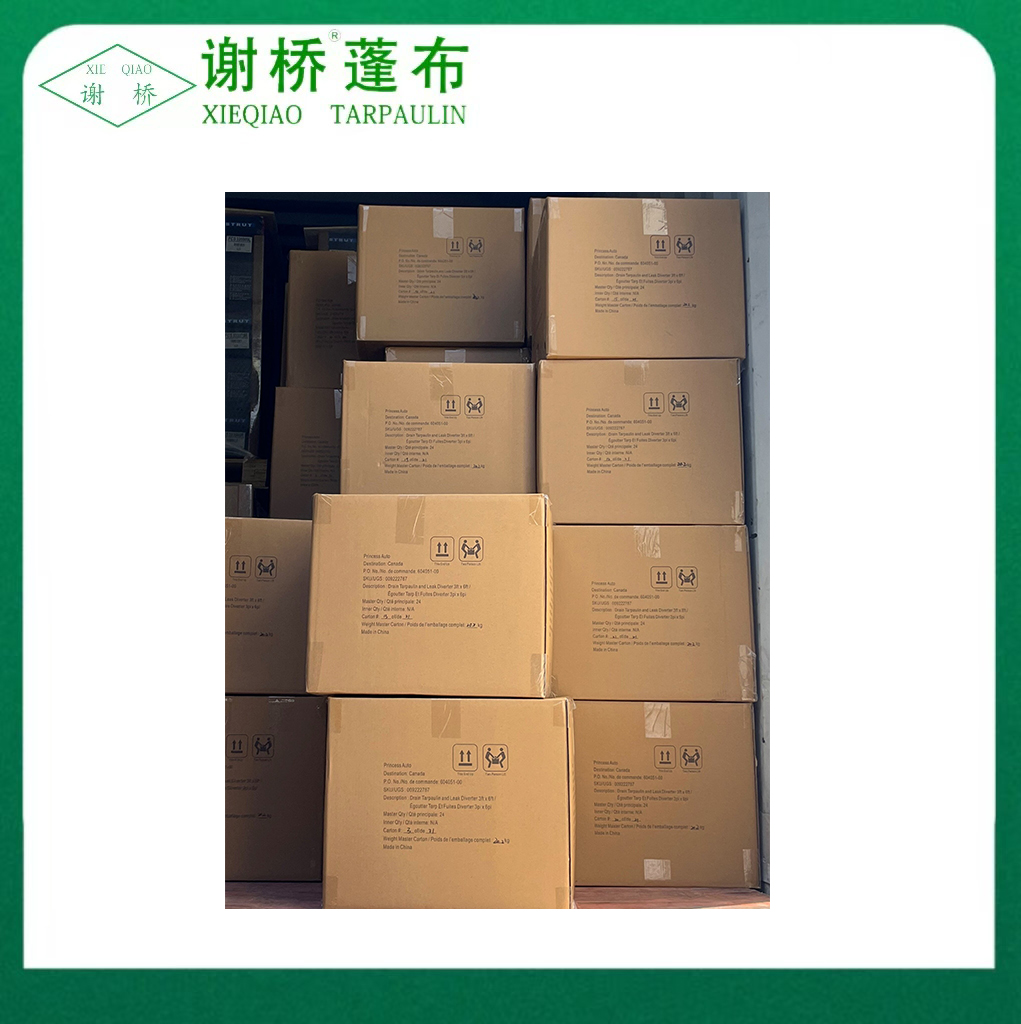 Yellow Vinyl Drain Tarp for Roof Leak ControlThis waterproof vinyl tarp directs active roof leaks to a controlled discharge point, with a bright color that aids inspection and ensures consistent water flow without overflow.View Product →
A yellow vinyl drain tarp is a proven solution for this situation. It is waterproof, durable, and engineered to move water consistently without the risk of overflow. The bright color also makes it visible during inspections, which helps maintenance teams confirm that the drainage path is working.
Snow changes the performance demand on a roof tarp. Snow is heavier than water, and a tarp that works fine in summer may not hold up when ten inches of snow settles on top of it. A cold-resistant tarp must stay flexible at low temperatures and have the tear resistance to carry a heavy, static load.
 Heavy Duty Blue Construction Snow Tarp 20x20Designed for snow removal, this 18 oz PVC tarp resists cracking in cold temperatures and features reinforced edges and lifting loops to safely handle heavy, static snow loads on roofs.View Product →
For winter applications, a blue construction snow tarp is designed to handle exactly this kind of load. It is reinforced at the edges and uses a material that resists cracking in subzero conditions, making it the practical choice for roof protection through the colder months.
Many roofs are not simple rectangles. Vents, skylights, AC units, and parapet walls make it difficult to fit a stock-sized tarp correctly. A custom-shaped tarp solves this problem by matching the exact dimensions of the building, with grommets placed according to the actual anchor points.
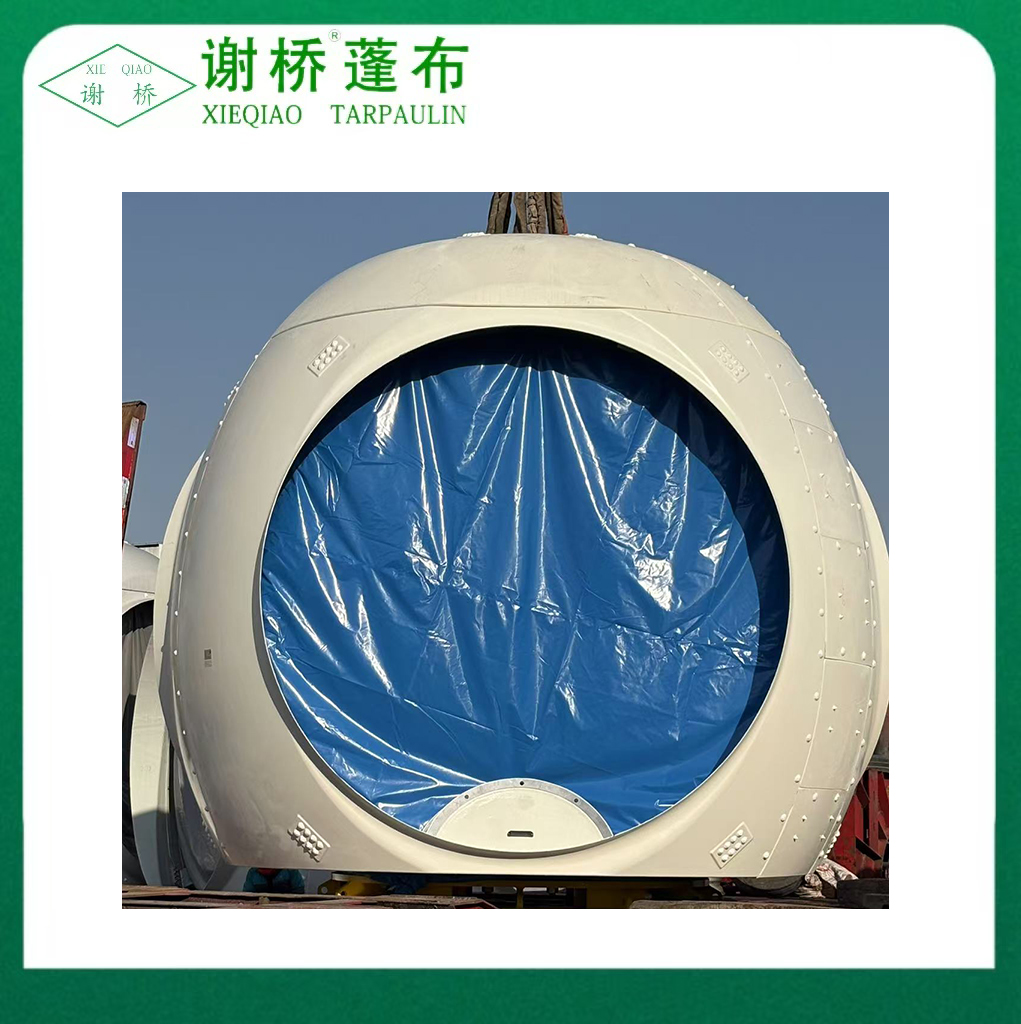 Custom Shape Waterproof Tarp Cover for Irregular RoofsCustom-made to fit roof features like vents and skylights, this PVC tarp includes pre-placed grommets and a secure double-layer tie-down system, reducing waste and ensuring a tight seal.View Product →
A custom shape tarp cover is worth considering when the roof has irregular features that prevent a standard sheet from sealing the damaged area properly. The custom approach also reduces wasted material and provides a more professional installation result.
The final point is about quality control and manufacturing capability. A roof tarp is a safety-related product, and the difference between a reliable manufacturer and a raw commodity supplier is visible in the details. A trustworthy supplier should provide:
Yangzhou City XieQiao Tarpaulin Co., Ltd. has been producing PVC tarps, canvas, and custom covers since 1999. Its product range includes roof tarps, drain tarps, and custom-shaped protective covers for commercial and industrial clients. The company manufactures at its own facility, which means buyers can request specific sizes, weights, and reinforcement details without relying on a third-party importer.
Recommended Products



 The Industrial Park of Wuqiao Town, Jiangdu District, Yangzhou City, Jiangsu Province, China.
 +86-15252561063
 +86-15252561063
 [email protected]