Specializing in all kinds of custom tarpaulins Custom Tarpaulin Product Manufacturers

 русский
 Français

News
 Home / News / Industry News / five uses of vinyl tarps in industries daily: Practical Applications, Selection
 2026.10.19
 Industry News
Content
Walk through almost any industrial yard on a normal Tuesday and you will see them: a sheet of vinyl hanging from a scaffold, a side curtain rolled back on a trailer, a grain cover weighted down at the corners. Vinyl tarps, usually PVC-coated polyester, have become quiet workhorses because they handle rain, abrasion, UV and repeated folding without much fuss. Since 1999, our own work has centered on making and adapting these covers for transport, building, agriculture and equipment protection, and the same five uses keep coming up in industries' daily operations. If you are still comparing base fabrics, this practical guide to waterproof tarp materials and applications is a useful starting point. Below are the five uses we see most often, with the details that tend to matter on site.
Construction work rarely stops for a passing shower. Vinyl tarps are used to cover fresh concrete, shield openings, wrap scaffolding, catch roof drips, and create temporary dry zones for tools and materials. In daily operations, the advantage is not just waterproofing but reusability: a 13oz or 18oz PVC tarp can be folded, moved and fixed again as the work front changes. Fire-retardant grades make sense near hot work, while reinforced hems and metal grommets matter on windy sites. A blue construction snow tarp is a familiar example, simple, visible and easy to tension over a pour or a stack of supplies. For roof repairs, a dedicated drip tarp or leak diverter keeps water out of the work area instead of letting it spread across the floor. The practical check is the surface: smooth concrete, sharp scaffold ends and rough brick all affect how long a tarp lasts, so a reinforced edge and a sensible weight matter more than a long list of claims.
 Blue 20 ft x 20 ft Vinyl Snow Removal TarpHeavy-duty 18 oz PVC-coated tarp with webbing loops and brass grommets, sized for lifting fresh snow from roofs and construction sites.View Product →
On winter sites, flexibility becomes part of the safety conversation. A cover that turns stiff in the cold is harder to handle, more likely to crack at a fold, and slower to install. That is why cold-crack resistance and sensible handling habits belong in the same purchasing discussion as size and weight.
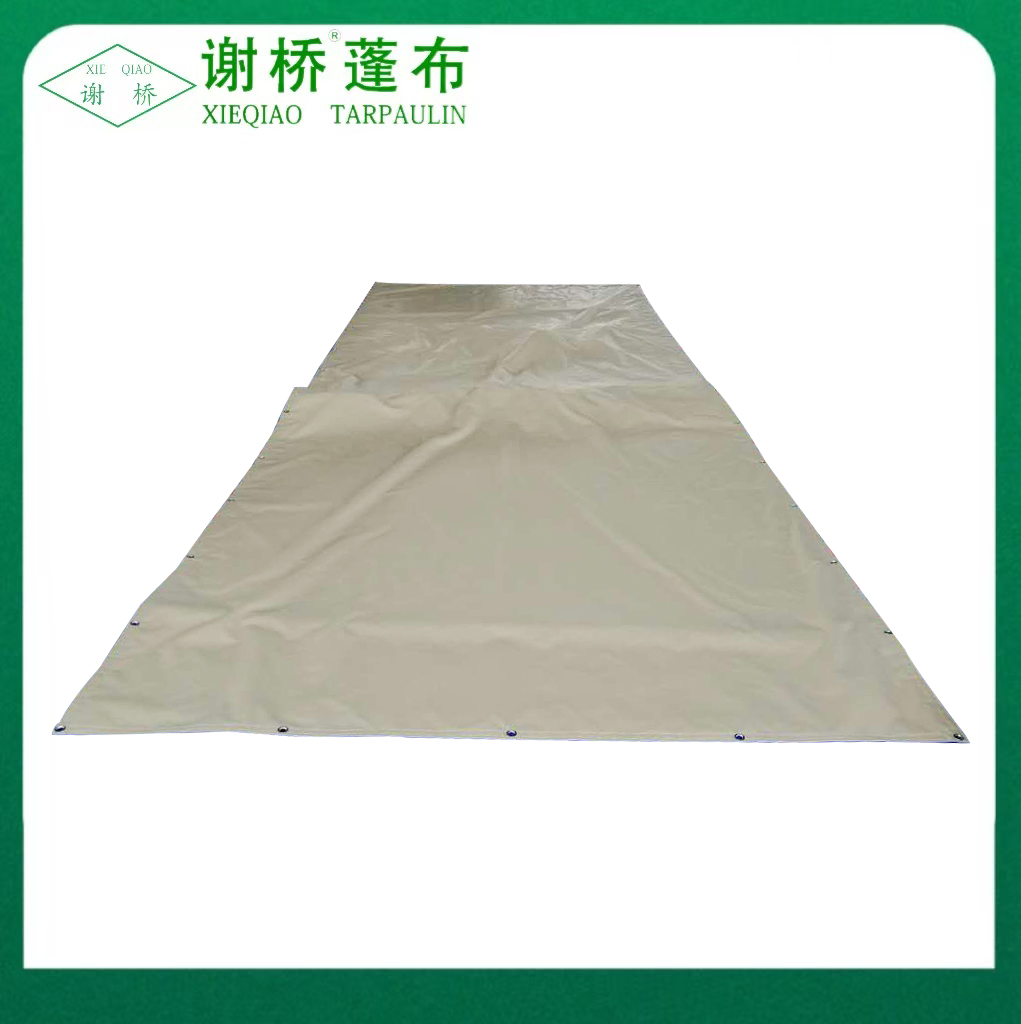
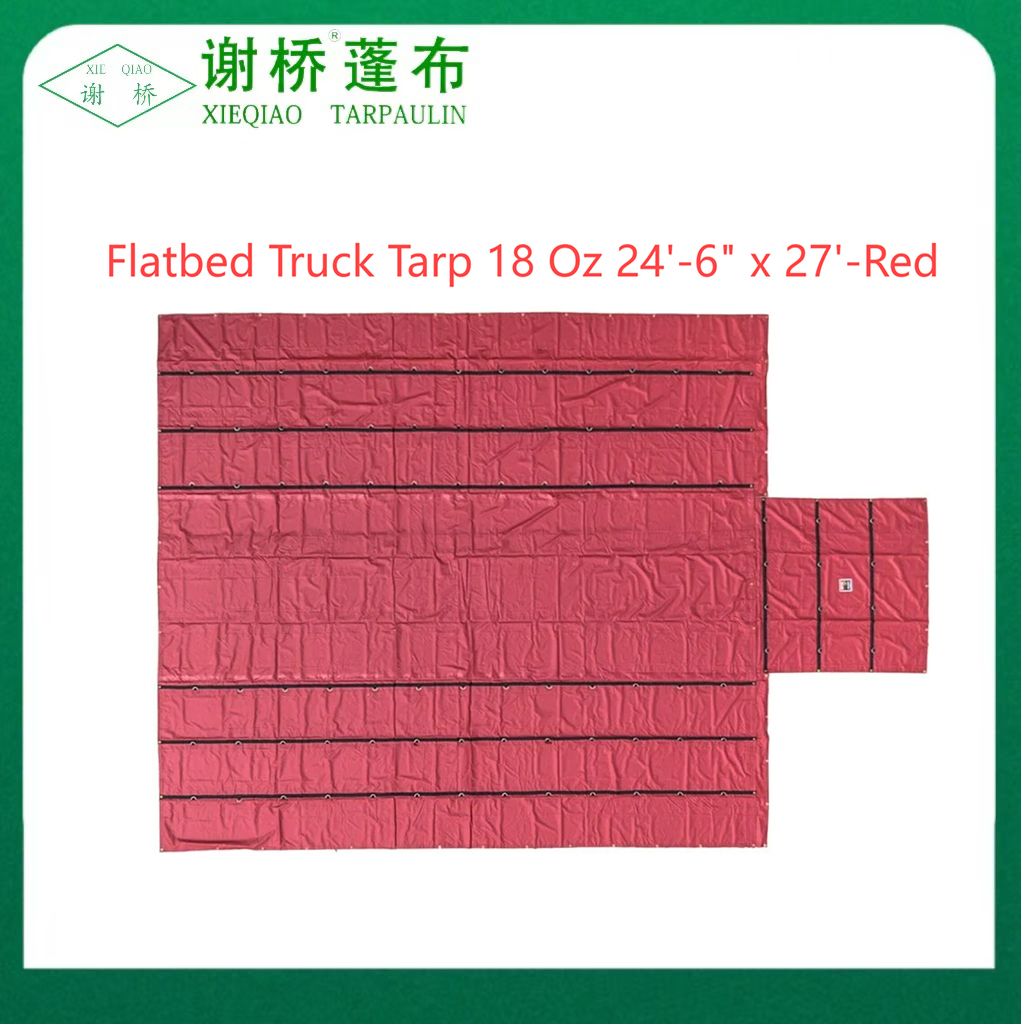
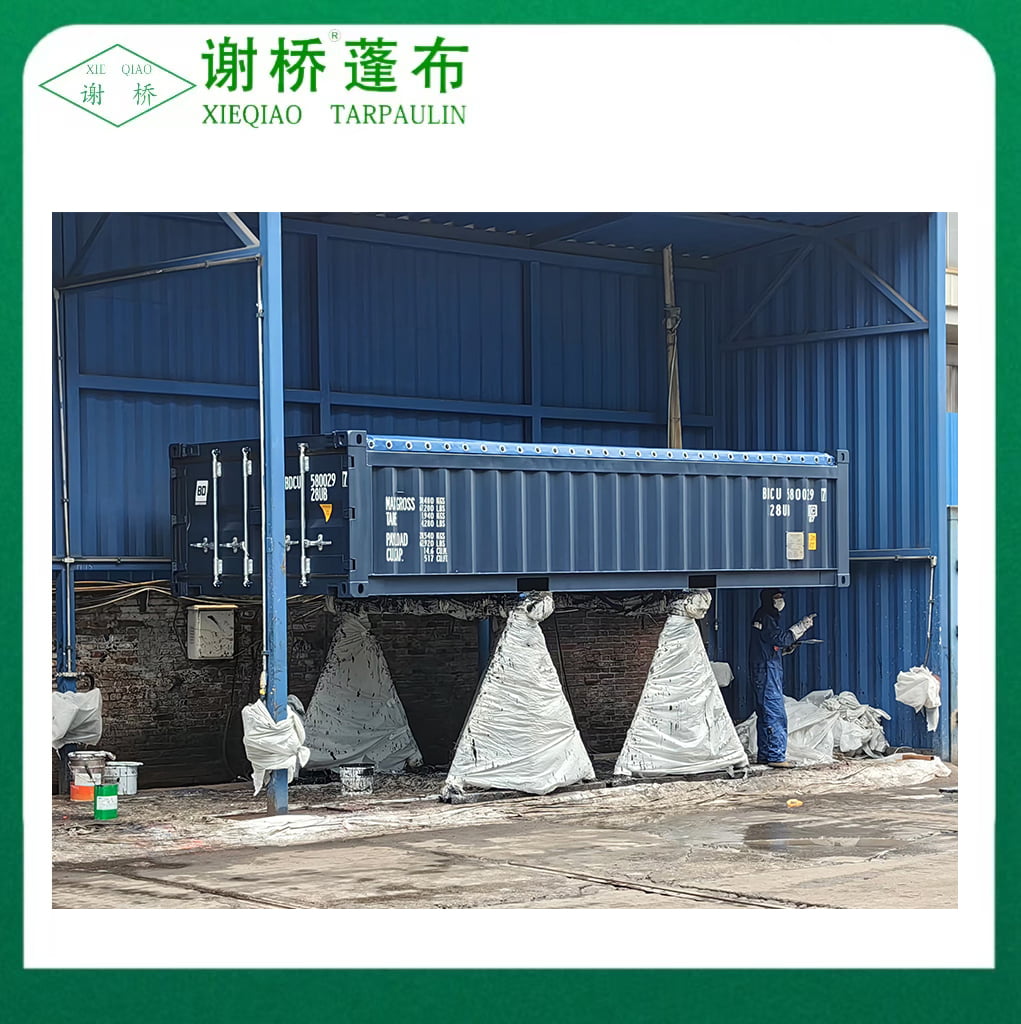
Transport and logistics teams live by turnaround time. A flatbed load might need a cover at 6 a.m., a side curtain might be rolled open at a dock, and an open-top container might sit in rain between transfers. Vinyl truck tarps handle this rhythm because they resist water, wind flap and road grime, and they can often be repaired rather than replaced after a small tear. Side curtain systems are especially common in daily fleet work: the curtain protects cargo from weather and prying eyes, then rolls or slides out of the way for loading. Flatbed tarps need strong grommets, solid hem reinforcement and enough weight to stay put at highway speed. In colder regions, cold-crack resistance is worth checking before winter, because a stiff tarp is harder to handle and more likely to split. A 13.75m truck side curtain tarpaulin is the kind of long, fleet-oriented size that fits regular trailer work; the right choice still depends on trailer length, load height and how often the cover is opened.
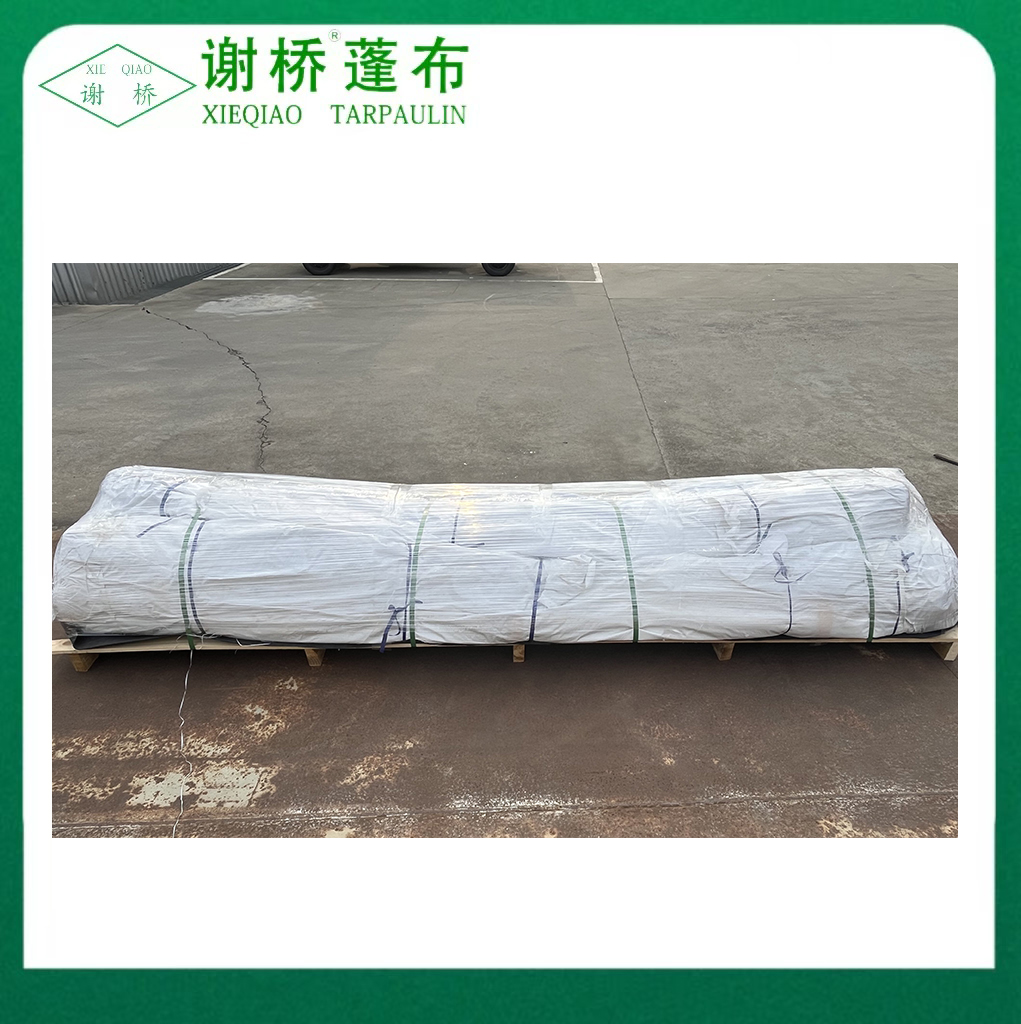 13.75m Truck Side Curtain Tarpaulin for Flatbed SystemsHeavy-duty 27 oz vinyl side curtain with reinforcement ribs and cold-crack resistance, suited to fleet flatbed loading and weather protection.View Product →
Daily fleet use also exposes the small details that specifications often miss. Stitching at the tension points, the position of the tie-downs and the way the cover folds into storage all affect how quickly a driver can secure a load and get back on the road.
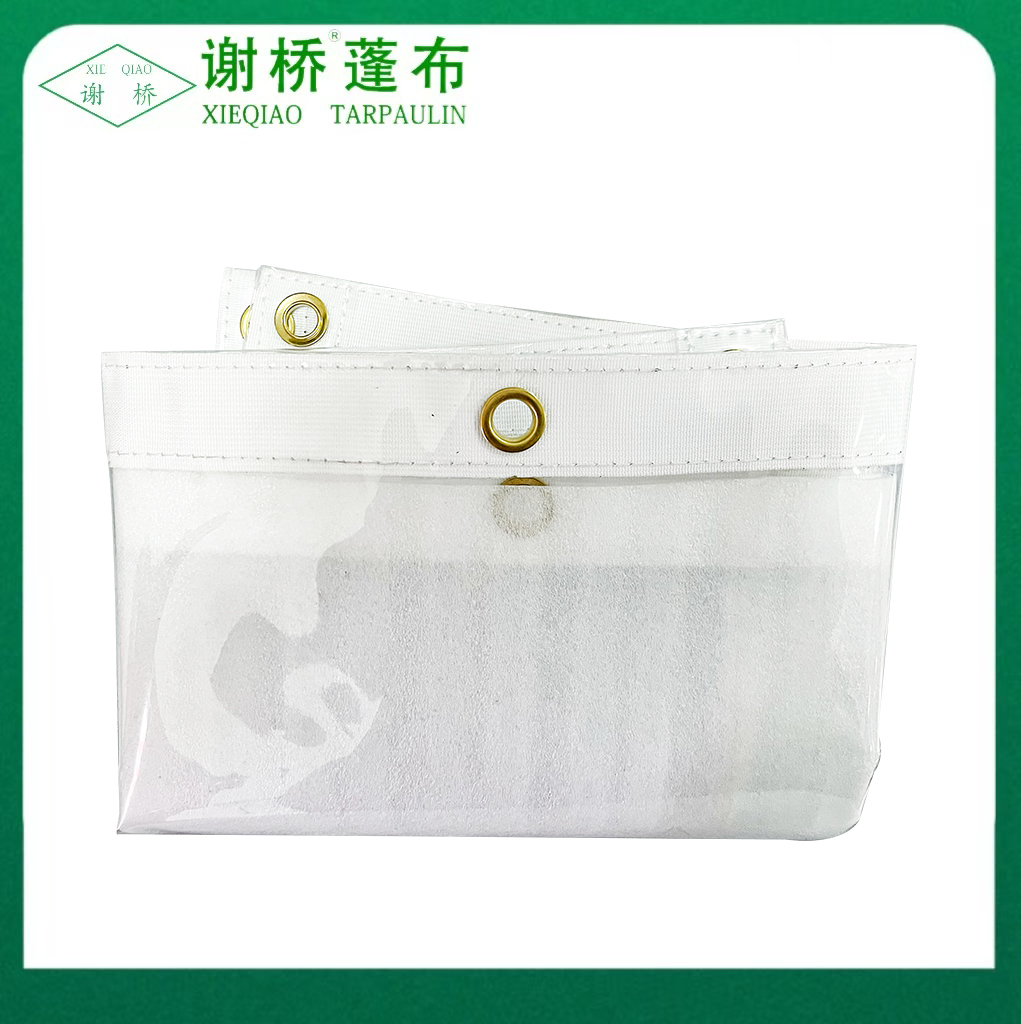
Industrial manufacturing and maintenance teams use vinyl tarps as flexible infrastructure. A welding bay needs a screen that contains sparks without closing off the area. A machine shop needs a cover that keeps dust and coolant mist off idle equipment. A warehouse needs a temporary partition or a floor cover while a section is cleaned or painted. For these tasks, the useful properties are fire retardancy, anti-static behavior, chemical resistance and tear strength. A 450g/m² welding curtain, for example, is selected for its density and flame resistance, not simply because it is called heavy duty. Equipment covers with eyelets and reinforced corners are easier to tie down and less likely to tear at the stress points. Clear vinyl also has a place where workers need light or visibility while keeping a barrier in place. The list below covers a few common daily jobs:
Because these tarps are often handled daily, the stitching, hem and grommet quality usually decide the service life more than the headline fabric weight. A cover that is easy to hang, wipe down and store is more likely to be used properly, and proper use is what keeps a maintenance team coming back to the same specification.
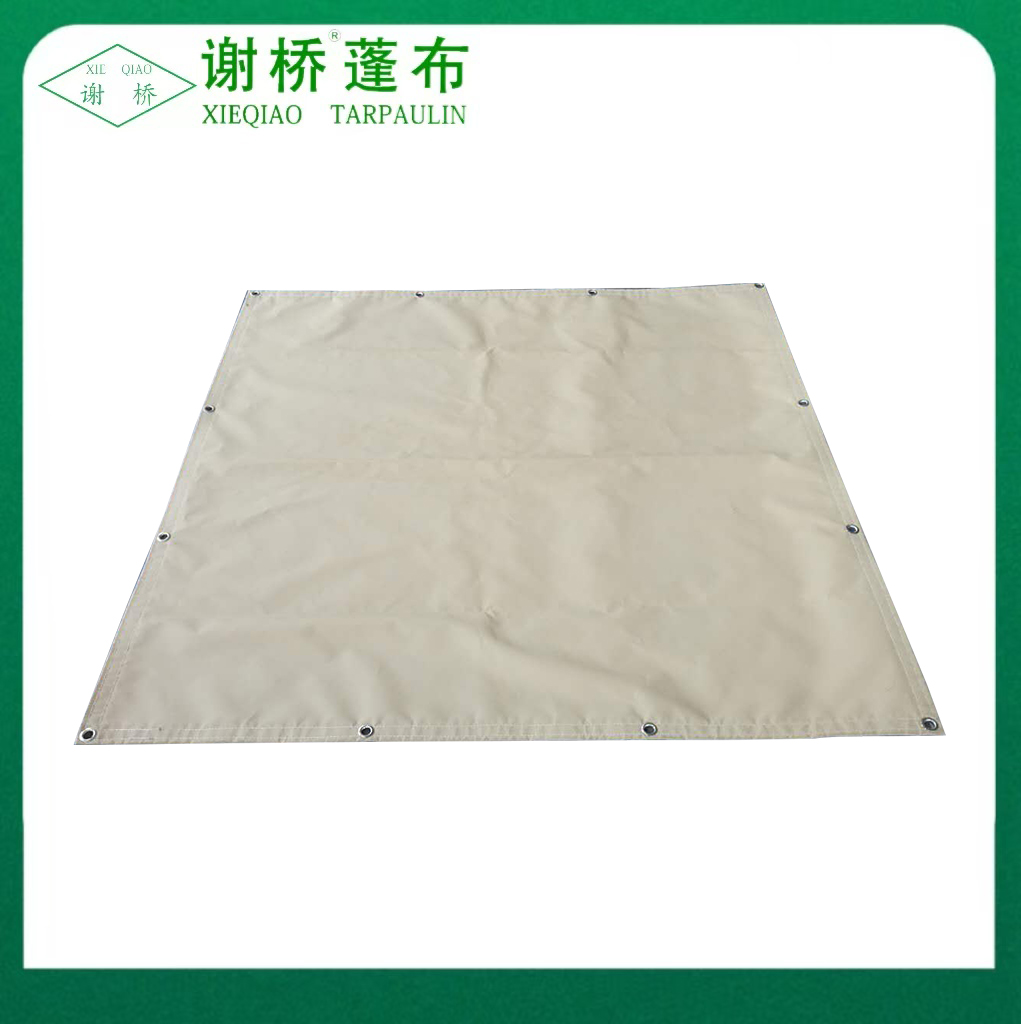
Agriculture and storage work is seasonal in rhythm but daily in detail. Grain covers protect bulks from rain and condensation; hay and straw covers keep feed dry; woodpile covers keep fuel usable; tractor and implement covers keep seats, hydraulics and electronics out of the weather. Vinyl is valued here for its ability to shed water, resist mildew growth on the surface, and be swept or hosed down between uses. The grain cover range includes large rectangular covers sized for bunkers and temporary piles, along with custom shapes for odd footprints. A huge grain cover is not just a sheet thrown over a heap: it needs enough weight to stay put, reinforced corners for tie-downs, and a layout that lets water run off instead of pooling in the middle. In daily operations, the small habits matter, such as lifting rather than dragging the cover, drying it before folding, and storing it away from sharp implements, because they add years to the working life.
 Custom Waterproof PVC-Coated Grain Cover for StorageCustom-sized 600 gsm PVC-coated polyester cover with UV and fire-retardant ratings, intended for grain piles and modular storage facilities.View Product →
Yard work brings its own wear patterns. Wind, UV and repeated tying can be harder on a cover than heavy rain, so a reinforcement patch at the corners and a tie-down layout that spreads the load are worth more than a slightly thicker sheet with weak edges.
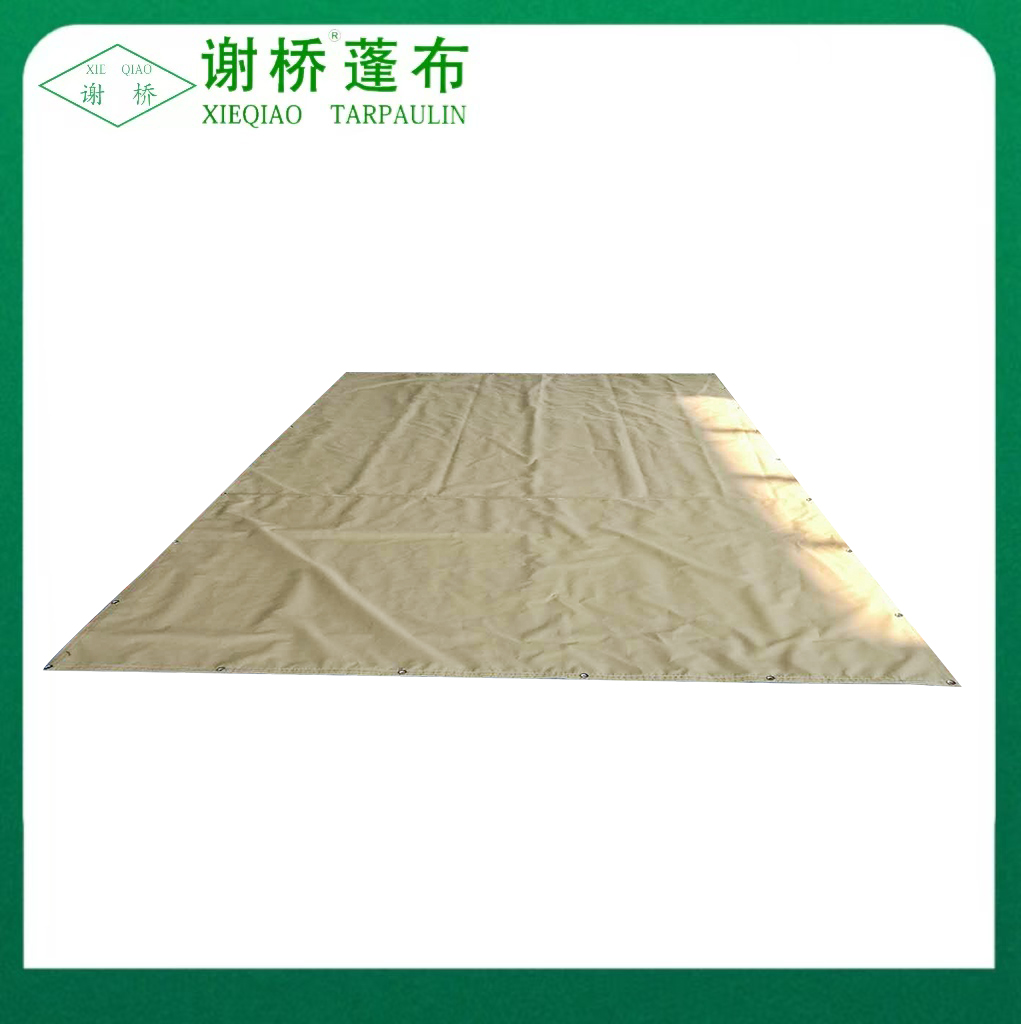
Marine yards, outdoor equipment operators and rental fleets share a simple problem: valuable equipment sits outside for long periods and still has to work when needed. Vinyl tarps protect boat hulls, trailers, pumps, generators and yard equipment from rain, UV, bird droppings and dust. A heavy-duty 18oz vinyl equipment cover is a common choice for stationary machinery, while lighter covers suit items that are moved often. Clear vinyl panels can be useful where a worker needs to check a gauge or inspect a cover without removing it. In coastal or sunny locations, UV stabilization and heat resistance matter; in cold storage yards, flexibility at low temperature matters just as much. The best daily habit is to keep covers off the ground when they are not in use, because grit trapped in a fold can abrade the coating each time the cover is handled.
After enough site visits, the selection process becomes fairly grounded. Start with the job the tarp performs daily, not with the lowest price per square meter. Then check the handling pattern: is it opened and closed every shift, dragged over rough edges, or left in one place for months? That answer tells you whether to prioritize tear strength, flexibility, fire performance or UV life. The table below is a simple cross-check for the five uses above.
| Operation | Typical vinyl tarp setup | Properties to prioritize |
|---|---|---|
| Construction | Scaffold sheets, ground covers, roof drip tarps | Fire retardancy, tear strength, reinforced edges |
| Trucking | Flatbed covers, side curtains, open-top container tarps | Waterproofing, cold-crack resistance, strong grommets |
| Industrial maintenance | Weld screens, machine covers, temporary partitions | Flame resistance, anti-static behavior, chemical resistance |
| Agriculture | Grain covers, hay covers, implement covers | UV stability, mildew resistance, secure tie-downs |
| Marine and yards | Boat covers, equipment covers, rental fleet protection | UV life, flexibility, abrasion resistance |
Two final checks are worth making before ordering. First, confirm the fixing method, whether grommets, D-rings, ropes or a rail system, because a good tarp with the wrong fixings becomes a daily irritation. Second, ask for the actual weight and coating specification rather than relying on a generic heavy-duty label. We have found that clear specifications reduce returns and make reordering much easier. Vinyl tarps are not complicated products, but they are working products. When the material, size and fixing suit the daily routine, they quietly do exactly what industrial operations need: keep water out, keep equipment protected and keep the work moving.
Recommended Products



 The Industrial Park of Wuqiao Town, Jiangdu District, Yangzhou City, Jiangsu Province, China.
 +86-15252561063
 +86-15252561063
 [email protected]