Specializing in all kinds of custom tarpaulins Custom Tarpaulin Product Manufacturers

 русский
 Français
News
 Home / News / Industry News / What Makes a Tarpaulin Truly Waterproof and How to Choose the Right One?
  2026.02.05
 Industry News
Content
Waterproof tarpaulins are engineered protective covers designed to provide complete barrier protection against water penetration, moisture accumulation, and weather-related damage. The fundamental construction involves a base fabric—typically polyethylene, vinyl (PVC), canvas, or polyester—that receives waterproofing treatments through coating, lamination, or inherent material properties. True waterproof performance differs significantly from water-resistant capabilities, with waterproof tarpaulins preventing any water passage even under sustained exposure or pressure, while water-resistant materials may eventually allow moisture penetration under prolonged contact or heavy rainfall conditions.
Polyethylene tarpaulins represent the most common and economical waterproof option, manufactured from woven polyethylene strips that are laminated on both sides with additional polyethylene coating. This construction creates a completely impermeable barrier that blocks 100% of water transmission while maintaining flexibility and tear resistance. The weave density, measured in denier or fabric count, directly influences strength and durability, with heavy-duty polyethylene tarps featuring 10x10 to 14x14 weave counts compared to 8x8 or lighter weaves in economy versions. The lamination thickness and quality determine puncture resistance and service life, with premium polyethylene tarps incorporating UV stabilizers that prevent degradation from sunlight exposure.
Vinyl tarpaulins deliver superior waterproofing performance and durability compared to polyethylene alternatives, constructed from woven polyester fabric coated with polyvinyl chloride (PVC) on both sides. The vinyl coating creates an absolutely waterproof barrier while the polyester scrim provides exceptional tear strength and dimensional stability under load. Vinyl tarps typically range from 10 oz to 22 oz per square yard, with heavier weights offering increased puncture resistance and longevity but reduced flexibility and portability. The manufacturing process for quality vinyl tarpaulins involves heat-sealing rather than stitching seams, eliminating potential water entry points that could compromise waterproof integrity in critical applications.
Understanding waterproof ratings enables informed selection based on exposure conditions and protection requirements. The hydrostatic head measurement, expressed in millimeters, quantifies the water pressure a fabric can withstand before leakage occurs, with higher values indicating superior waterproof performance. Entry-level waterproof tarpaulins typically achieve 1,000-3,000mm ratings suitable for moderate rainfall and general coverage, while premium options exceed 10,000mm for extreme weather exposure including heavy storms, snow accumulation, or long-term outdoor storage applications requiring absolute moisture protection.
Industry standards and certifications provide objective performance verification beyond manufacturer claims. ASTM D751 testing protocols evaluate coated fabrics for water resistance through standardized hydrostatic pressure testing, while ISO 811 establishes international testing methods for waterproof textiles. Military specifications including MIL-DTL-43511 define requirements for heavy-duty waterproof tarpaulins used in defense applications, setting rigorous benchmarks for civilian commercial and industrial uses. Third-party certification from organizations like UL or SGS offers independent validation of waterproof performance claims, providing confidence in material selection for critical protection applications.
| Material Type | Waterproof Rating | Typical Weight | Best Applications |
| Economy Polyethylene | 1,000-2,000mm | 3-5 oz/sq yd | Light coverage, temporary use |
| Heavy-Duty Polyethylene | 3,000-5,000mm | 6-12 oz/sq yd | Construction, general outdoor |
| Standard Vinyl | 5,000-8,000mm | 10-14 oz/sq yd | Truck covers, equipment protection |
| Heavy-Duty Vinyl | 10,000mm+ | 18-22 oz/sq yd | Industrial, long-term outdoor |
| Coated Canvas | 3,000-6,000mm | 10-18 oz/sq yd | Breathable coverage, camping |
Construction and industrial sites deploy waterproof tarpaulins for protecting building materials, equipment, and work areas from precipitation damage and environmental exposure. Lumber, drywall, concrete bags, and metal components require complete moisture protection to prevent warping, mold growth, corrosion, or chemical degradation that renders materials unusable. Heavy-duty polyethylene or vinyl tarpaulins spanning 12x16 feet to custom sizes exceeding 100 feet provide flexible coverage solutions that adapt to varying storage configurations and project requirements. The UV resistance built into quality construction tarps enables extended outdoor use spanning multiple months without material breakdown or waterproof performance degradation.
Agricultural applications utilize waterproof tarpaulins for protecting harvested crops, covering hay bales, creating temporary shelters for livestock, and controlling moisture in grain storage. The breathability requirements vary significantly by application, with some scenarios demanding completely impermeable coverage to exclude all moisture, while others benefit from breathable waterproof fabrics that prevent condensation accumulation while blocking rainfall. Farmers commonly employ reinforced polyethylene tarps for covering equipment during off-seasons, protecting against rust formation and weather-related deterioration that reduces machinery lifespan and operational reliability.
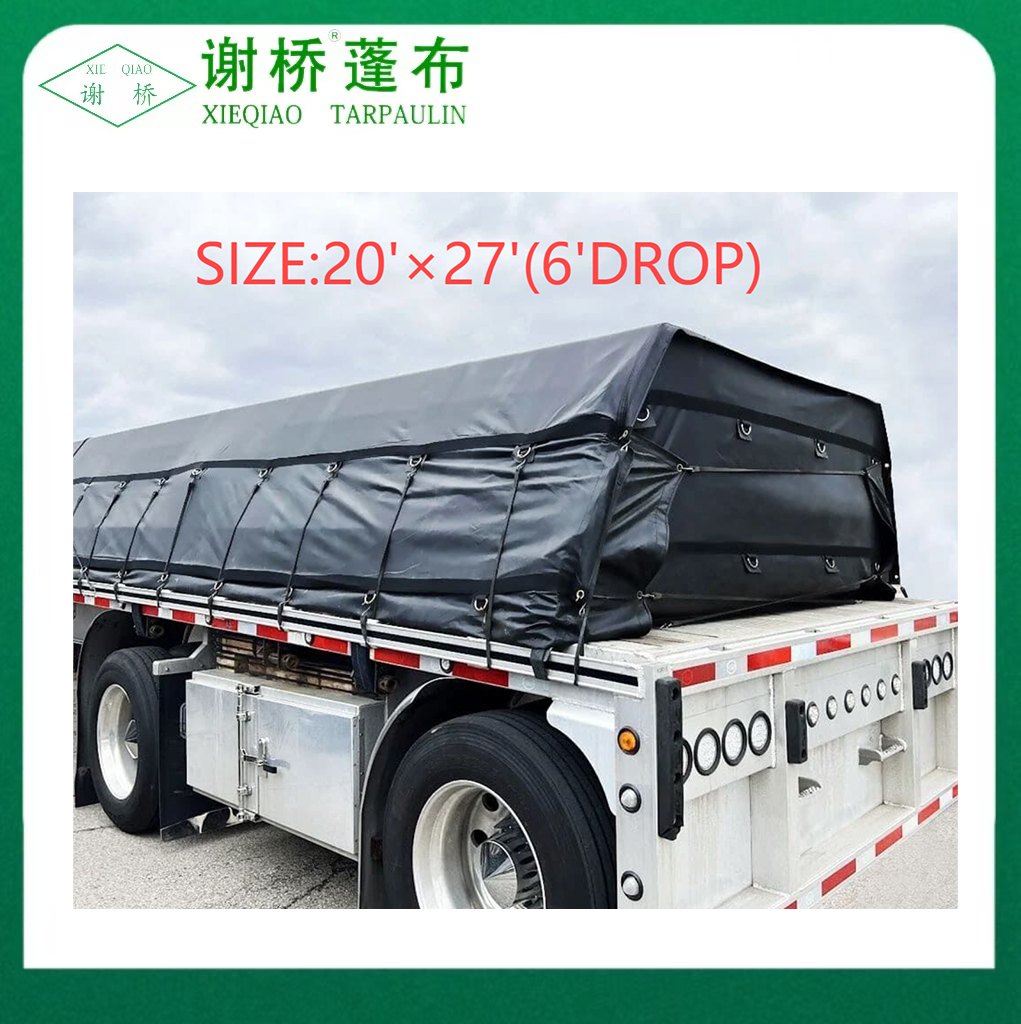
Transportation and logistics industries depend on waterproof tarpaulins for securing and protecting cargo during transit via truck, rail, or maritime shipping. Truck tarps specifically engineered for flatbed trailers incorporate D-rings, reinforced edges, and precise sizing that ensures secure attachment and complete coverage during highway transport at speeds exceeding 60 mph. The waterproof integrity must withstand not only direct rainfall but also road spray, pressure washing, and the dynamic forces of wind buffeting during extended cross-country hauls. Military-specification vinyl tarps provide maximum protection for sensitive equipment, electronics, or moisture-susceptible materials requiring guaranteed dry delivery regardless of weather conditions encountered during transport.
Size determination requires measuring the coverage area and adding sufficient margin for secure anchoring and water runoff. A tarp covering a 10x12 foot pile should measure at least 12x14 feet to provide 1-2 feet of overhang on all sides, preventing water from channeling underneath and ensuring adequate material for tie-down points. Custom-sized tarpaulins eliminate the waste and handling difficulties associated with oversized generic tarps, while also preventing the inadequate coverage that occurs when undersized tarps are stretched beyond their effective dimensions. Manufacturers typically offer both standard sizes and custom fabrication services for applications requiring precise dimensional matching.
Reinforcement features significantly impact durability and service life in demanding applications. Grommets or eyelets spaced 18-36 inches apart along edges provide tie-down points, with closer spacing offering more secure attachment and better resistance to wind uplift or tension stress. Rust-proof aluminum or brass grommets outlast steel alternatives that corrode from moisture exposure, though they require larger diameter holes and heavier reinforcement patches. Corner reinforcements, edge binding with rope or webbing, and heat-sealed or double-stitched seams prevent tear propagation from stress concentration points that typically initiate tarpaulin failures.
Effective tarpaulin installation begins with proper surface preparation and strategic positioning for optimal water shedding. The covering should be oriented to promote water runoff away from the protected area, with the highest point centered over the load or structure and edges sloping downward at angles sufficient to prevent water pooling. Pooling water creates excessive weight loads that stress the tarpaulin material and securing points, potentially causing tears, grommet failures, or complete coverage collapse. A minimum slope of 1 inch per foot generally prevents pooling while maintaining secure coverage in most applications.
Securing methods must balance adequate tension to prevent wind-driven water infiltration and flapping damage against excessive stress that tears grommets or stretches material beyond recovery. Bungee cords offer elasticity that accommodates wind movement and prevents stress concentration, though they can overstretch in high winds or gradually lose tension over time. Rope tie-downs provide more secure fastening with better long-term tension retention, particularly when using truckers' hitches or other adjustable knot systems that enable periodic retightening as material settles or weather conditions change. Ball bungees and tarp clips supplement grommet tie-down points, allowing attachment along edges between grommets for enhanced wind resistance and water exclusion.
Wind loads impose the most severe stress on tarpaulin installations, with uplift forces from sustained winds or gusts potentially exceeding hundreds of pounds of force on large tarps. The perimeter attachment points bear most of this stress, requiring robust anchoring to ground stakes, structural tie-off points, or weighted edges that resist uplift without tearing through grommets. Center tie-down points or support poles prevent the tarpaulin from becoming a sail that catches wind and generates massive forces at edge attachment points. For large coverage areas exceeding 20x30 feet, intermediate support structures or guy lines are virtually mandatory for survival during storms or high-wind events.
Ventilation considerations prevent dangerous pressure differentials that can explosively lift tarps from their securing points. Small vents or gaps that allow air pressure equalization dramatically reduce wind loads while having minimal impact on waterproof protection, as rain typically approaches at angles rather than rising vertically through bottom gaps. Strategic placement of sandbags, lumber weights, or other ballast along ground-contact edges prevents wind infiltration underneath the tarp while maintaining the downward-sloping orientation necessary for water drainage.
Regular inspection and maintenance procedures extend waterproof tarpaulin service life by identifying and addressing minor damage before it propagates into catastrophic failures. Weekly or monthly inspections should examine grommets for tearing or pull-through, check seams for separation, identify punctures or cuts requiring repair, and verify that tie-down systems remain secure and properly tensioned. Small holes or tears can be effectively repaired using tarpaulin repair tape, patch kits designed for the specific material type, or heat-welding for vinyl tarps, preventing water infiltration and stress concentration that accelerates damage expansion.
Cleaning protocols remove accumulated dirt, organic growth, or chemical residues that degrade waterproof coatings and material strength over time. Mild soap solutions with soft brushes or low-pressure washing effectively clean most tarpaulin materials without damaging waterproof treatments, while harsh chemicals, high-pressure washing, or abrasive scrubbing can strip coatings or damage the base fabric. Thorough drying before storage prevents mold and mildew growth that degrades materials and creates foul odors, with tarps ideally stored in cool, dry locations away from direct sunlight when not in active use.
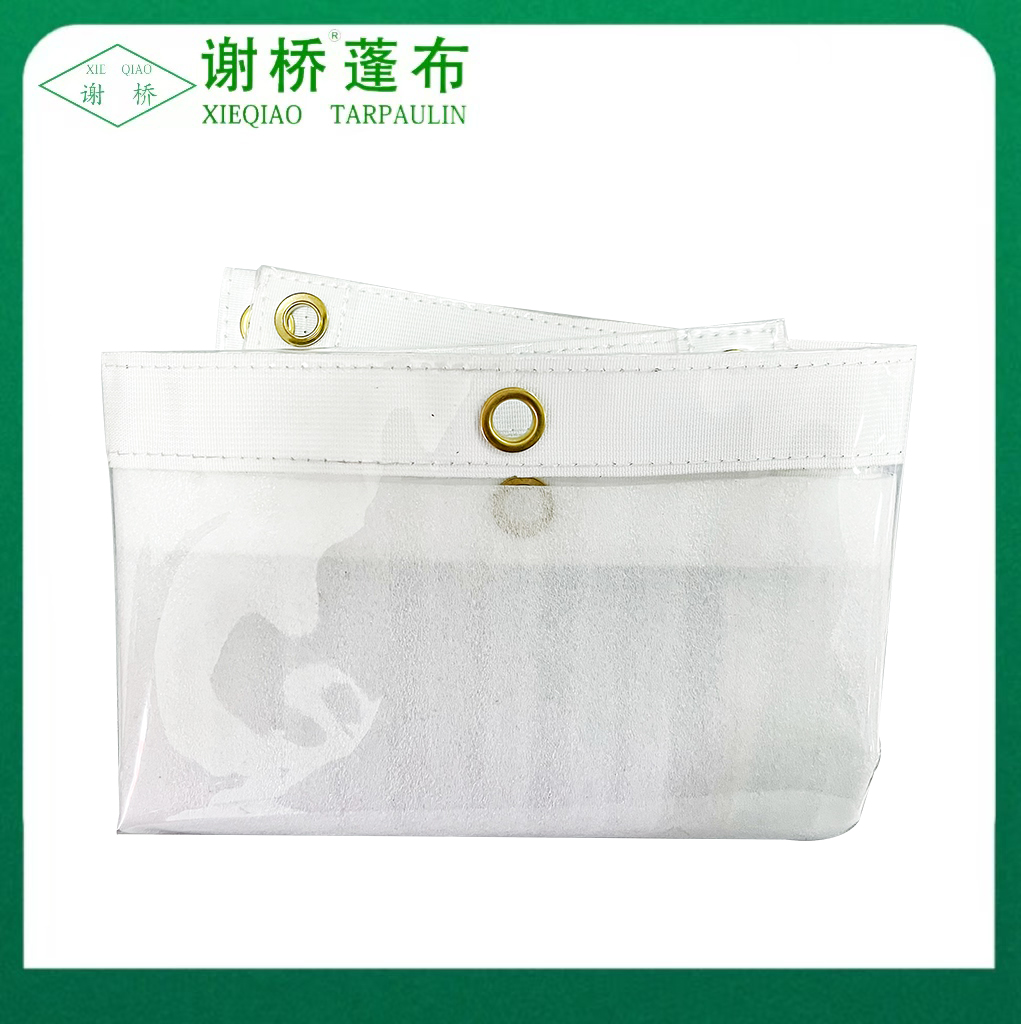
Proper storage during off-seasons or between uses significantly impacts tarpaulin condition and readiness for redeployment. Tarps should be completely dry before folding and storage to prevent mold growth and material degradation from trapped moisture. Loose folding or rolling rather than tight creasing prevents permanent crease lines that become weak points susceptible to tearing and water infiltration. Storage in ventilated containers or bags protects against rodent damage, UV exposure, and physical abuse while allowing air circulation that prevents mildew development. Temperature-stable storage locations prevent material embrittlement from freezing or plasticizer migration from excessive heat exposure.
Initial purchase price represents only one component of total ownership cost for waterproof tarpaulins, with durability and service life critically impacting long-term value. Economy polyethylene tarps priced at $20-50 for common sizes may provide adequate performance for short-term applications lasting weeks or months, but frequently require replacement that ultimately exceeds the cost of premium materials offering multi-year service life. Heavy-duty vinyl tarpaulins costing $100-500 depending on size and specifications deliver superior longevity often exceeding five years with proper care, justifying higher initial investment through reduced replacement frequency and more reliable protection of valuable materials or equipment.
Application-specific cost optimization balances material quality against protection requirements and exposure duration. Temporary coverage for a weekend project justifies economy materials, while year-round outdoor storage of expensive equipment or inventory demands premium waterproof tarpaulins despite higher initial cost. The potential damage to protected items from waterproof failure often exceeds tarpaulin costs by orders of magnitude, making adequate material selection an insurance investment rather than discretionary expense. Replacement cost consideration including disposal fees, labor for installation, and downtime or exposure risk during changeover further favors durable materials that resist frequent replacement cycles.
Traditional polyethylene and vinyl tarpaulins present environmental challenges due to petroleum-based materials, limited recyclability, and disposal difficulties at end of service life. Polyethylene tarps technically qualify as recyclable plastic, but contamination from dirt, adhesives, or mixed materials often prevents acceptance by recycling facilities, resulting in landfill disposal where they persist for decades without biodegrading. Vinyl tarpaulins pose even greater environmental concerns due to PVC production impacts, plasticizer leaching during use, and chlorine release if incinerated at end of life.
Sustainable alternatives including organic cotton canvas with natural wax coatings, recycled polyester fabrics with eco-friendly waterproof treatments, and bio-based polymer tarpaulins offer reduced environmental impact for applications where their performance characteristics prove adequate. These materials typically cost more than conventional petroleum-based tarps while offering comparable waterproofing with reduced service life in harsh outdoor exposures. The total environmental equation must account for manufacturing impacts, use-phase performance and longevity, and end-of-life disposal or recycling potential, with longer-lasting conventional materials sometimes presenting lower total impact than frequently replaced "green" alternatives requiring multiple production cycles over equivalent service periods.
Extending service life through proper selection, installation, and maintenance represents the most impactful environmental strategy regardless of material choice. A heavy-duty tarpaulin lasting five years delivers one-fifth the environmental impact per year of service compared to annual replacement of economy alternatives, while also reducing disposal volume, replacement costs, and the inconvenience and risk associated with coverage failures requiring emergency replacement. Repair rather than replacement of damaged tarps further extends useful life and reduces environmental footprint, making maintenance and care protocols important sustainability practices beyond their economic benefits.
Recommended Products



 The Industrial Park of Wuqiao Town, Jiangdu District, Yangzhou City, Jiangsu Province, China.
  +86-15252561063
  +86-15252561063
  [email protected]