Specializing in all kinds of custom tarpaulins Custom Tarpaulin Product Manufacturers

 русский
 Français
News
 Home / News / Industry News / What Makes 100% Polyester Canvas a Practical Choice for Outdoor and Industrial Use?
  2026.06.16
 Industry News
Content
100% polyester canvas is a woven fabric made entirely from polyester fibers, constructed using the same plain or basket weave technique traditionally used for cotton canvas. Unlike cotton or cotton-polyester blends, fabrics made from pure polyester yarn do not rely on natural fibers, which changes how the material behaves in terms of moisture absorption, stretch, and resistance to environmental damage. Manufacturers produce polyester canvas in a range of weights, typically measured in ounces per square yard or grams per square meter, allowing it to be tailored for everything from lightweight signage to heavy-duty outdoor covers.
Because polyester is a synthetic, petroleum-based fiber, the resulting fabric has inherent characteristics that differ meaningfully from natural fiber canvas. These differences are central to why polyester canvas has become a preferred material across industries ranging from outdoor furniture to industrial tarps.
Several physical properties make 100% polyester canvas suitable for demanding applications where natural fiber fabrics might degrade more quickly.
Understanding how polyester canvas differs from traditional cotton canvas helps clarify which material fits a given project. The comparison below outlines the most relevant distinctions.
| Characteristic | 100% Polyester Canvas | 100% Cotton Canvas |
| Moisture Absorption | Low | High |
| UV Resistance | High | Moderate |
| Mildew Resistance | Good | Poor without treatment |
| Breathability | Lower | Higher |
| Color Retention Outdoors | Excellent | Fades faster |
Cotton canvas remains popular for applications where breathability and a natural hand feel matter, such as apparel or fine art canvas. Polyester canvas, by contrast, is generally the better choice when long-term outdoor exposure, moisture resistance, or chemical durability is the priority.
The combination of durability and weather resistance makes polyester canvas a practical material across several industries.
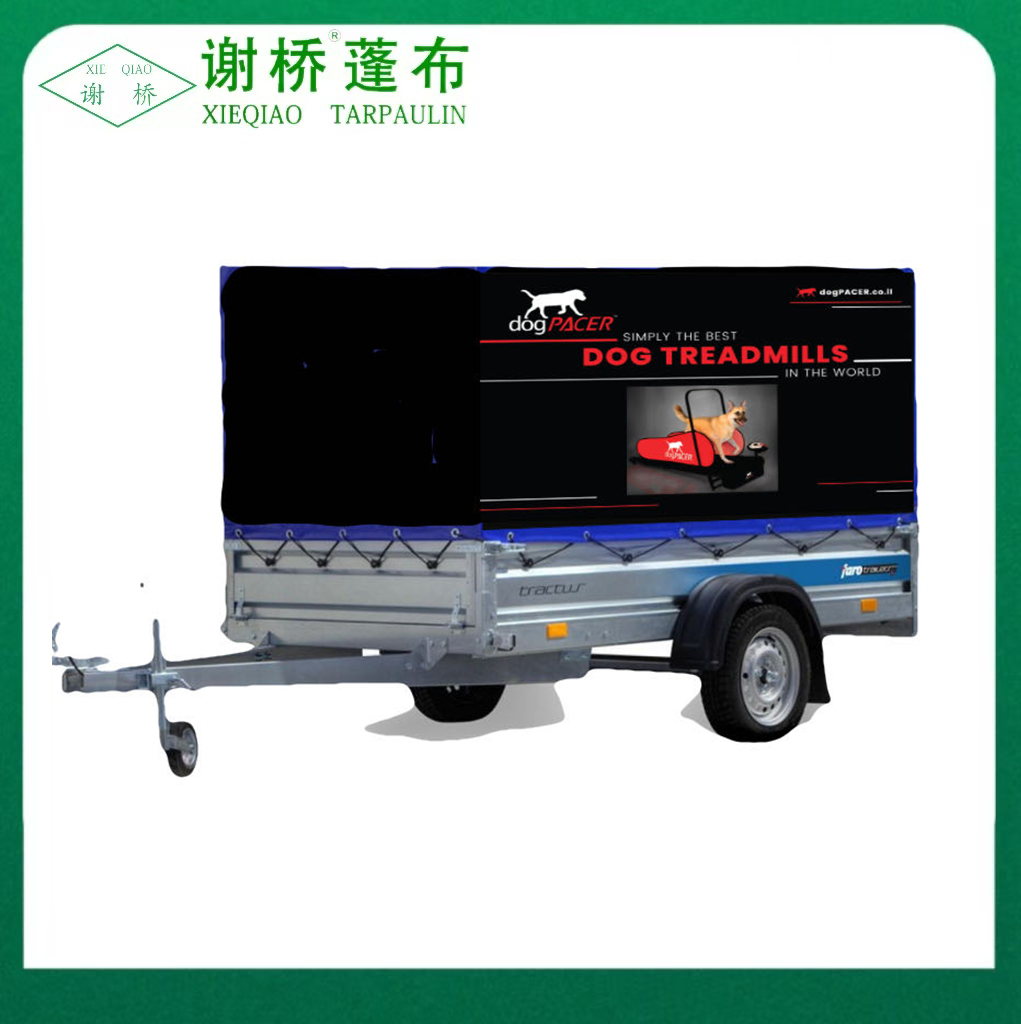
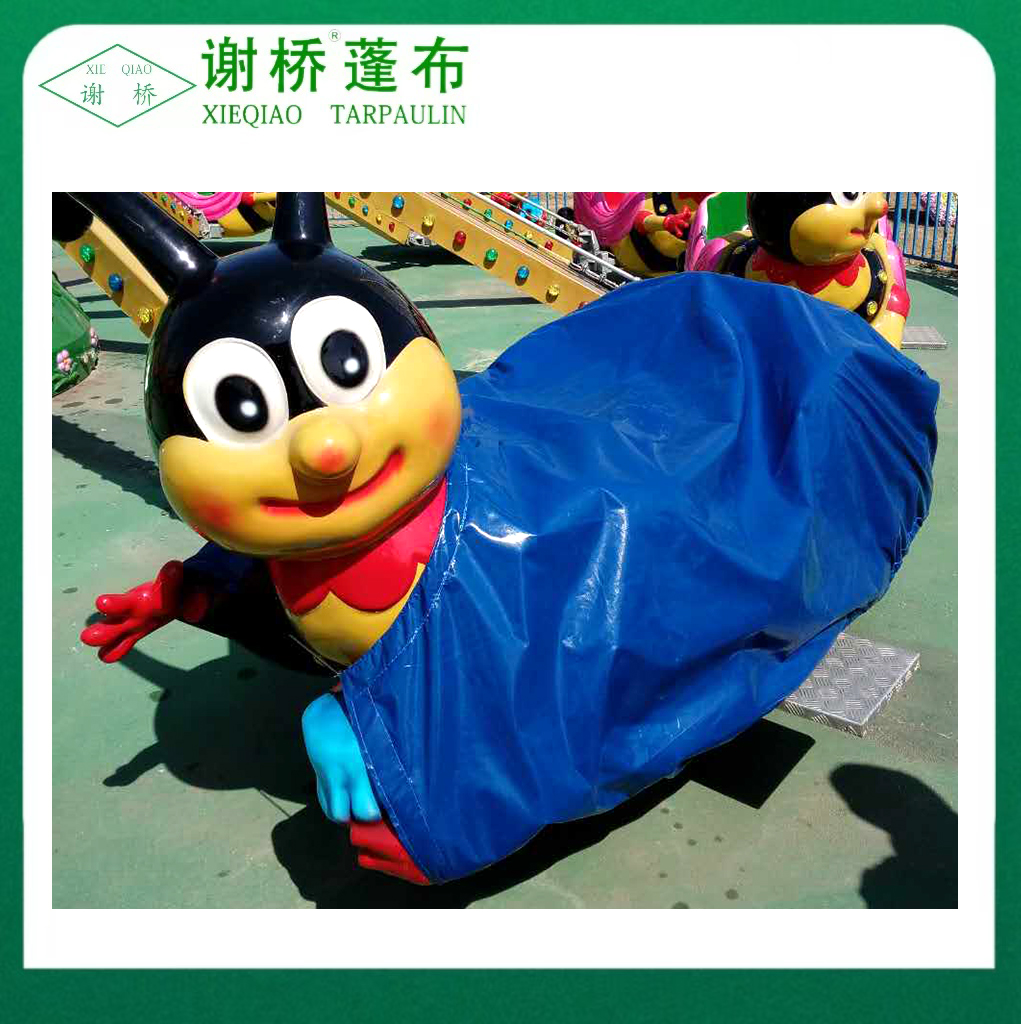
Patio furniture cushions, umbrella canopies, and protective covers for grills, boats, and vehicles frequently use polyester canvas because it withstands repeated sun exposure and occasional rain without rapidly deteriorating. Many manufacturers also apply additional water-repellent or fire-retardant coatings to polyester canvas to further enhance its performance in these settings.
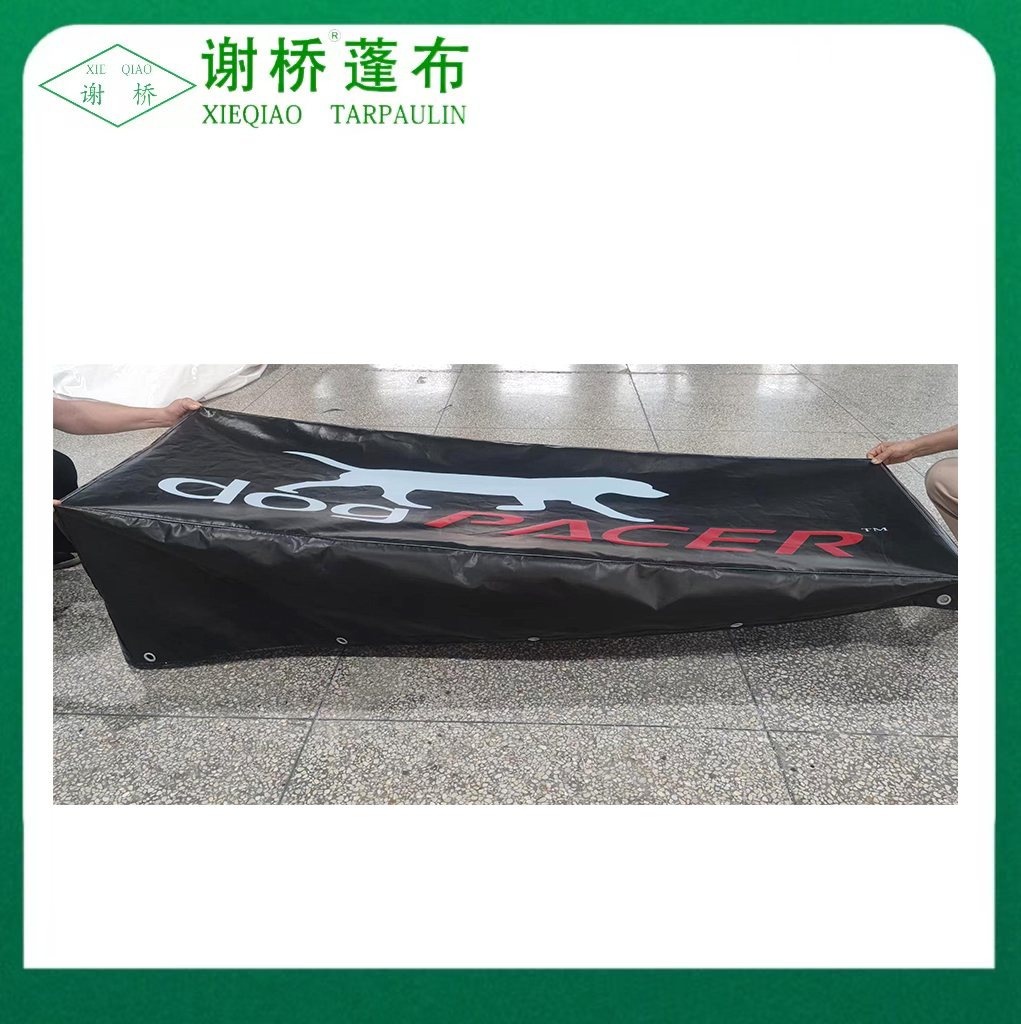
Because polyester canvas resists stretching and holds printed ink well, it is commonly used for banners, event tents, and trade show displays that need to maintain a crisp appearance through multiple uses and varying weather conditions. Its dimensional stability also helps printed graphics stay aligned and free of distortion.
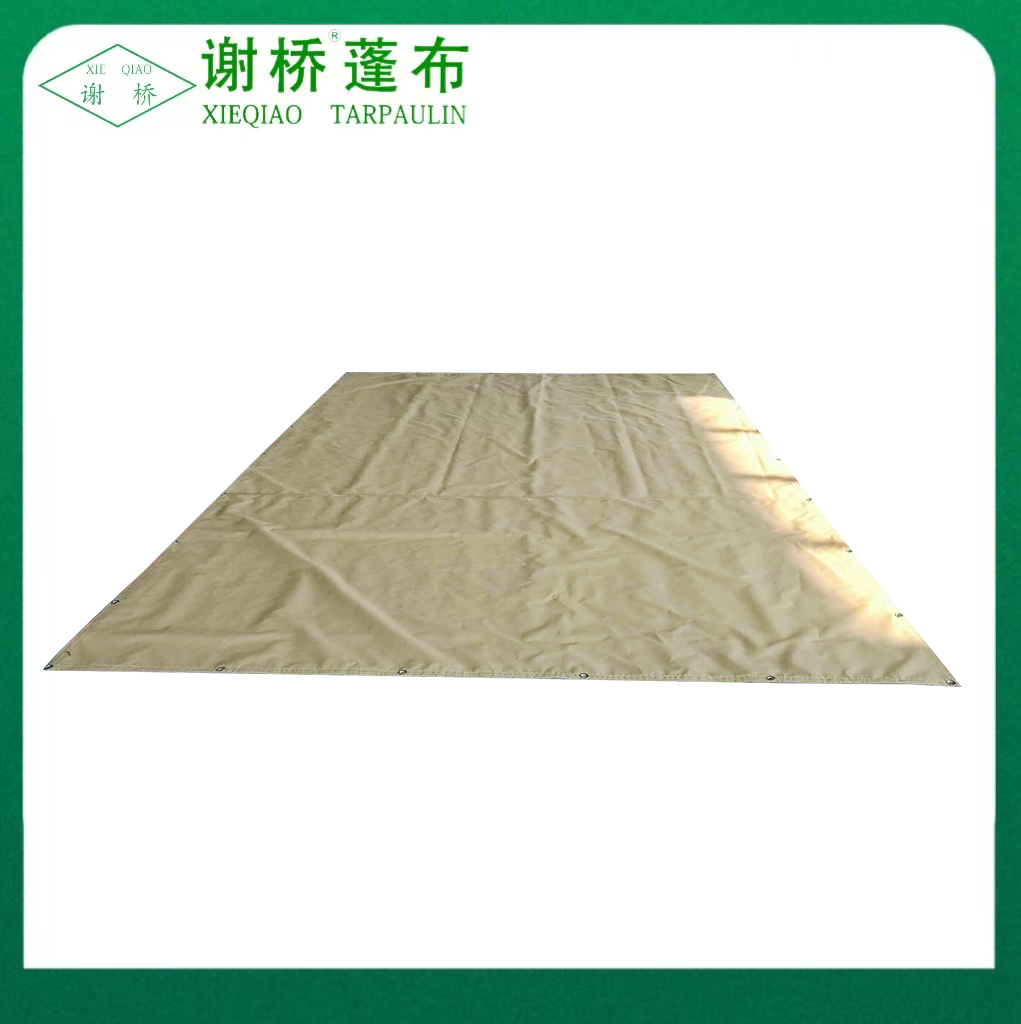
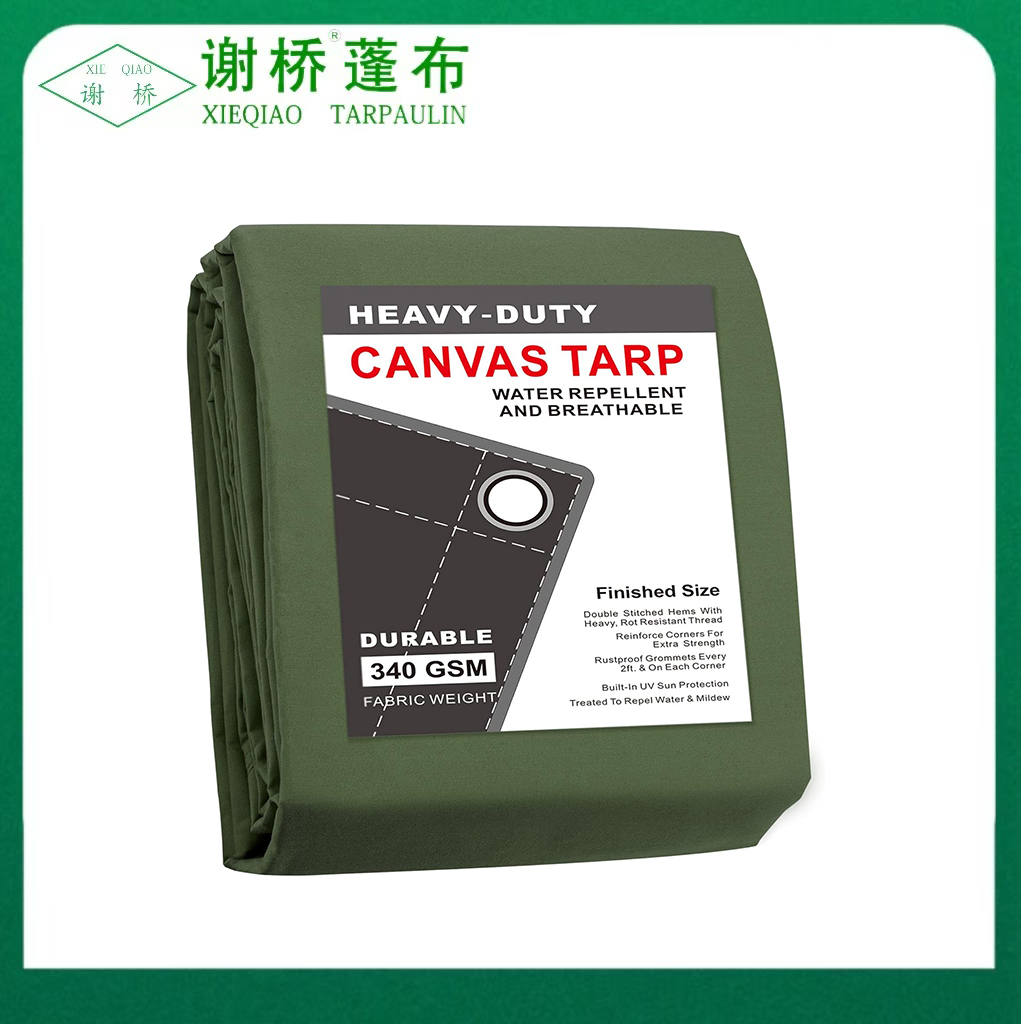
Polyester canvas is sold in multiple weight categories, and selecting the right one depends on the intended application. Lighter weights, generally falling in the 8 to 10 ounce range, suit applications like tote bags, lightweight tarps, and craft projects where flexibility matters more than maximum durability. Mid-weight options between 12 and 16 ounces are common for outdoor furniture covers, awnings, and general-purpose tarps that need to balance durability with manageable weight. Heavier weights above 18 ounces are typically reserved for industrial tarps, truck covers, and applications requiring maximum abrasion and puncture resistance.
While polyester canvas requires less maintenance than natural fiber alternatives, a few practices help preserve its performance and appearance over time.
When selecting 100% polyester canvas, consider the specific demands of the intended use, including expected sun exposure, moisture conditions, and how much physical stress the fabric will encounter. Checking whether the fabric has been treated with additional finishes, such as water repellency or flame resistance, can also influence suitability for specialized applications like commercial signage or marine covers. Comparing fabric weight, weave density, and any certifications relevant to your industry will help ensure the polyester canvas you choose performs reliably for its intended purpose over the long term.
Recommended Products



 The Industrial Park of Wuqiao Town, Jiangdu District, Yangzhou City, Jiangsu Province, China.
  +86-15252561063
  +86-15252561063
  [email protected]