Specializing in all kinds of custom tarpaulins Custom Tarpaulin Product Manufacturers

 русский
 Français
News
 2026.06.03
 Industry News
Content
When it comes to protecting equipment, cargo, structures, and outdoor assets from moisture, PVC waterproof covers have established themselves as one of the most reliable and cost-effective solutions across a wide range of industries. PVC, or polyvinyl chloride, is a synthetic polymer that can be formulated into flexible sheeting with outstanding resistance to water, UV radiation, abrasion, and chemical exposure. Unlike canvas covers that absorb moisture over time or polyethylene tarps that degrade quickly under prolonged sun exposure, a well-manufactured PVC waterproof cover offers a durable barrier that maintains its protective properties across seasons and demanding outdoor conditions. From construction sites and agricultural operations to marine environments and outdoor events, PVC covers are deployed wherever reliable waterproofing is non-negotiable.
Understanding the construction of a PVC waterproof cover helps buyers evaluate quality and match product specifications to their specific application. Most commercial-grade PVC covers are not made from a single layer of PVC film alone. Instead, they are manufactured as a laminated composite structure in which a woven polyester or nylon fabric core is coated or calendered on both sides with PVC compound. This sandwich construction gives the cover its combined strength and waterproofing capability — the textile core resists tearing and puncture while the PVC coating creates the impermeable barrier that prevents water ingress.
The thickness of the PVC coating, the density of the base fabric, and the additives blended into the PVC compound all influence the cover's final performance. UV stabilizers prevent the PVC from becoming brittle and cracking under prolonged sunlight. Plasticizers maintain flexibility across a broad temperature range, preventing the cover from stiffening and cracking in cold weather. Flame retardants can be added for applications in construction or public event settings where fire safety standards apply. Anti-fungal additives prevent mold and mildew growth on covers stored in humid environments.
PVC waterproof covers are sold with a range of technical specifications that directly relate to their suitability for different applications. Buyers who understand these parameters can make more informed purchasing decisions and avoid selecting covers that are either over-engineered for simple tasks or inadequate for demanding environments.
| Specification | Typical Range | What It Indicates |
| Weight (gsm) | 300 – 1200 gsm | Overall material density and durability |
| Tensile Strength | 800 – 4000 N/5cm | Resistance to tearing and pulling forces |
| Tear Resistance | 100 – 600 N | Ability to resist propagation of cuts or punctures |
| Water Column Resistance | 1500 – 10000+ mm | Waterproofing performance under hydrostatic pressure |
| Temperature Range | -30°C to +70°C | Flexibility and integrity across climate extremes |
| UV Resistance Rating | 500 – 2000+ hours (xenon arc) | Longevity under prolonged sun exposure |
For light-duty applications such as covering garden furniture or seasonal equipment storage, a 300–500 gsm cover with standard UV resistance is typically sufficient. For heavy industrial use — covering machinery, stockpiles, or scaffolding on construction sites — covers in the 650–1000 gsm range with high tensile and tear strength are the appropriate choice. Marine and agricultural covers exposed to year-round weather extremes benefit from the highest-grade formulations with extended UV stability and broad temperature performance.
PVC waterproof covers serve an extraordinarily diverse range of applications, each with its own performance priorities and design requirements. The following are the most significant categories where PVC covers are routinely specified.
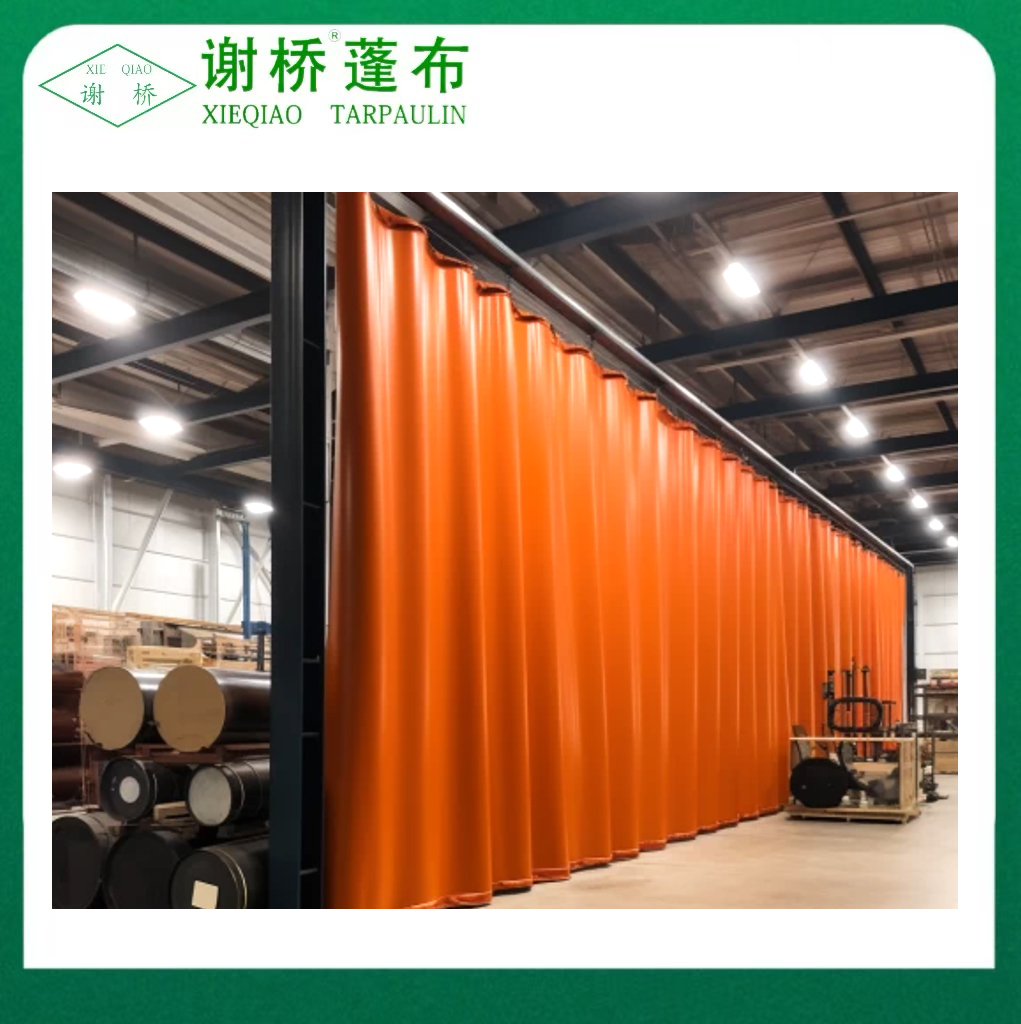
On construction sites, PVC waterproof covers protect building materials, scaffolding, exposed structural elements, and equipment from rain, wind-driven debris, and contamination. Heavy-duty PVC scaffold sheeting is a specific product category designed to wrap the exterior of scaffolding frames, providing both weather protection for workers and containment of dust and debris at height. These covers are typically reinforced with high-density polyester mesh cores and fitted with eyelets or attachment points at regular intervals for secure fastening. Flame retardant treatment is often a regulatory requirement for construction site covers, particularly in urban environments where fire safety codes apply.
In agriculture, PVC waterproof covers are used to protect hay bales, grain stockpiles, silage pits, and harvested crops from rainfall, moisture infiltration, and contamination. Silage covers in particular require highly specialized PVC formulations that combine low oxygen permeability with high resistance to UV degradation, puncture from agricultural equipment, and wind uplift forces. Farm equipment such as tractors, sprayers, and combine harvesters that are stored outdoors during off-seasons benefit significantly from fitted or semi-fitted PVC covers that prevent rust formation, protect electronic components, and keep cab interiors clean and dry through prolonged storage periods.
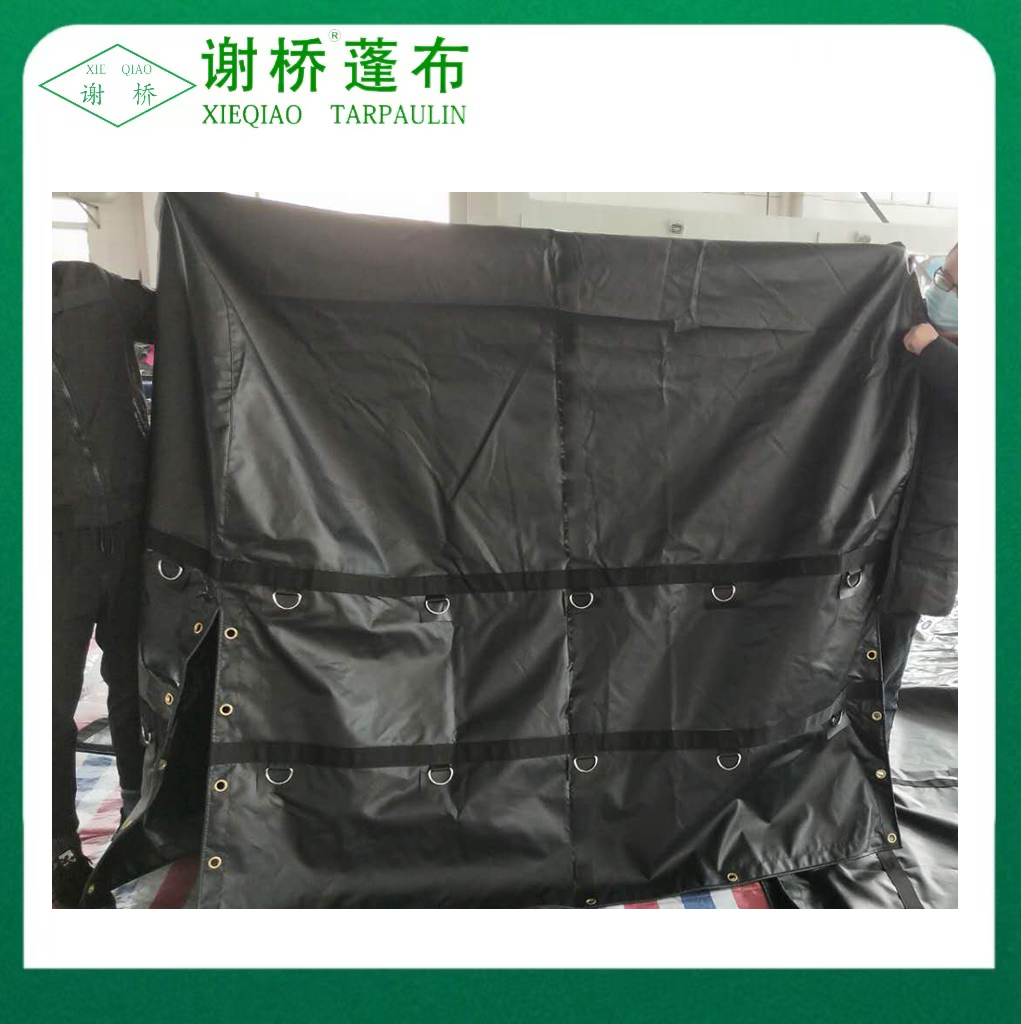
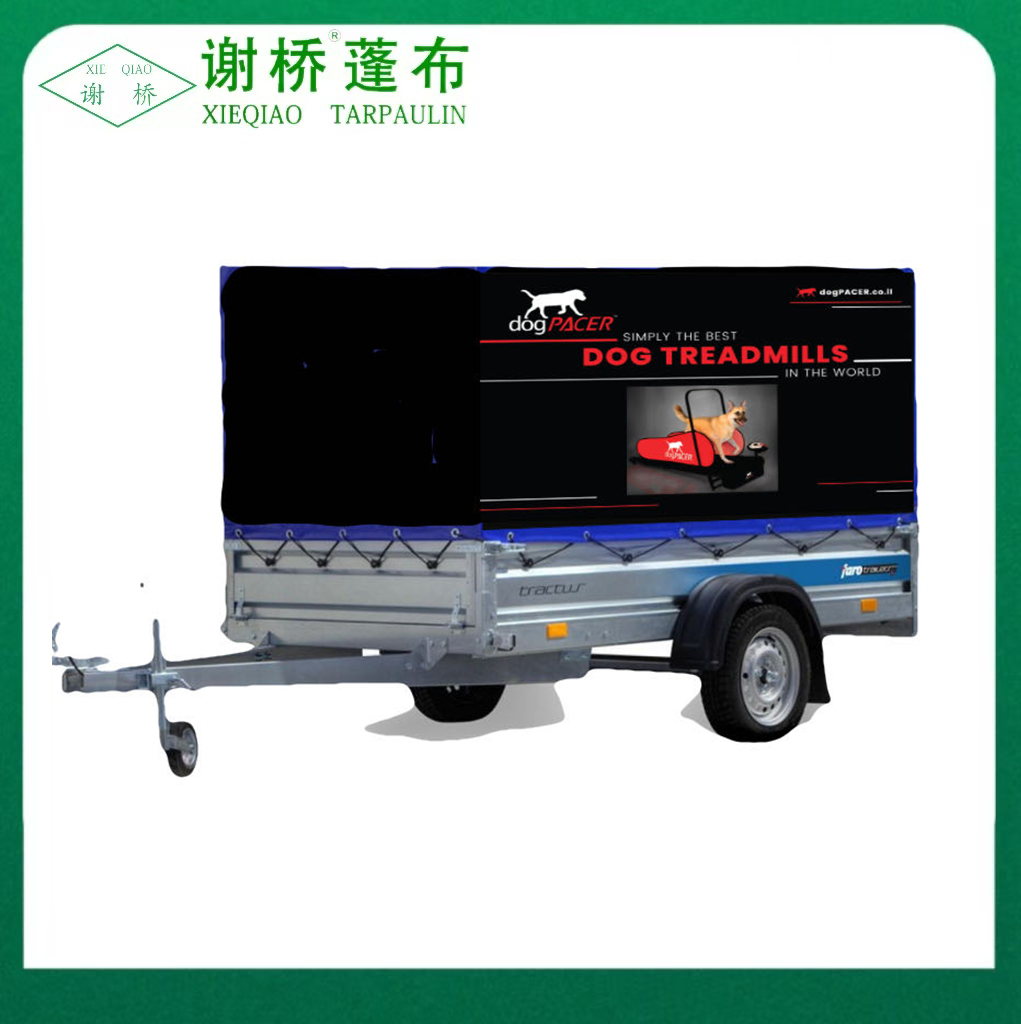
Truck tarps and trailer covers represent one of the largest volume applications for PVC waterproof covers globally. Heavy transport operators use PVC-coated fabric covers to protect open loads of building materials, aggregates, machinery components, and general cargo from rain and road spray during transit. These covers must combine waterproofing with high tensile strength, abrasion resistance at tie-down points, and flexibility for easy handling by drivers in all weather conditions. Curtainsider trailer systems, which use side-curtain PVC panels on a sliding rail, are a permanent vehicle body application of the same material technology.
Marine environments place exceptionally demanding requirements on waterproof cover materials. Salt air, UV intensity at the water surface, humidity, and the mechanical stress of wind loading on moored vessels combine to degrade lower-quality materials rapidly. PVC covers designed for marine use incorporate marine-grade UV stabilizers, anti-mildew additives, and reinforced edges with corrosion-resistant grommets. Boat covers, cockpit covers, bimini top fabrics, and dock locker lids are all common marine applications where PVC waterproof fabric performs reliably over multi-year service periods.
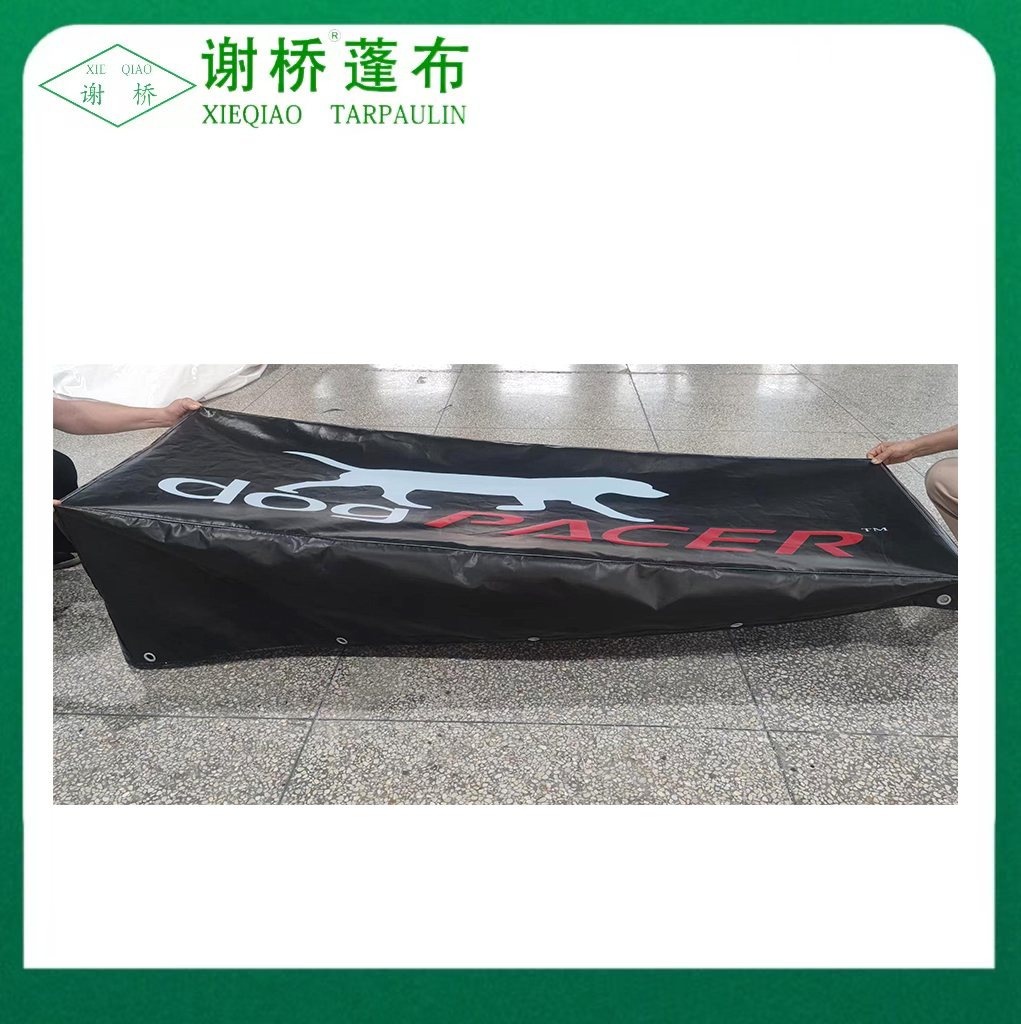
Event tents, festival marquees, temporary warehouses, and emergency shelters are all constructed using PVC waterproof cover fabric stretched over frame structures. In this application, the cover must be not only waterproof but also fire retardant, dimensionally stable under tension, and printable for branding or signage purposes. PVC event fabrics are available in a range of colors and can be digitally printed with high-resolution graphics using solvent or UV-curable inks, making them dual-purpose as both structural weatherproofing and large-format brand communication surfaces.
PVC is not the only material used for waterproof covers, and understanding how it compares to alternatives helps buyers make the right choice for their specific budget and performance requirements.
Beyond raw material specifications, several design and construction features determine whether a PVC waterproof cover will perform reliably in its intended application. Buyers should evaluate the following before committing to a purchase:
A PVC waterproof cover that is properly maintained will deliver many years of reliable service. The following maintenance practices are recommended by manufacturers and experienced users to maximize service life and prevent premature deterioration:
Selecting the right PVC waterproof cover comes down to clearly defining the application requirements before evaluating products. Buyers should establish the size and shape of what needs to be covered, the severity of weather exposure the cover will face, how long it needs to remain in service, whether fire retardancy or other regulatory compliance is required, and what budget is available. Armed with these parameters, it becomes straightforward to match weight class, seam type, and feature set to the application. Purchasing a slightly higher-specification cover than the minimum required is generally a sound investment, as the cost difference between mid-grade and premium PVC covers is small compared to the cost of replacing a cover that fails prematurely or the losses incurred when inadequate protection allows water damage to equipment or stored materials.
Recommended Products



 The Industrial Park of Wuqiao Town, Jiangdu District, Yangzhou City, Jiangsu Province, China.
  +86-15252561063
  +86-15252561063
  [email protected]