Specializing in all kinds of custom tarpaulins Custom Tarpaulin Product Manufacturers

 русский
 Français
News
 2026.08.12
 Industry News
Content
Not every tarp labeled "water-resistant" performs the same way as one that is genuinely waterproof, and understanding this distinction matters before making a purchase. A water-resistant tarp typically sheds light moisture but can eventually let water seep through seams or thinner sections during sustained rain. A truly waterproof tarp, by contrast, uses a continuous coated or laminated surface that prevents water penetration entirely, even under standing water or heavy downpours.
Most waterproof tarps achieve this through a coating process, where a base fabric such as polyethylene or polyester is laminated with a waterproof layer on one or both sides. The seams are then heat-sealed or reinforced with additional coating to eliminate weak points where water could otherwise enter. Buyers should look specifically for terms like "coated," "laminated," or "sealed seams" on product descriptions, since these indicate genuine waterproofing rather than basic water resistance.
The material a tarp is made from determines its weight, flexibility, durability, and price point. Choosing the right material starts with understanding how each option performs under different conditions.
| Material | Durability | Best Use |
| Polyethylene (Poly) | Moderate, lightweight and affordable | General outdoor covering, temporary shelters, equipment protection |
| Vinyl (PVC-coated) | High, heavy-duty and puncture-resistant | Truck covers, industrial use, long-term outdoor exposure |
| Canvas (Waxed or Coated) | High, breathable yet water-resistant | Agricultural use, camping, applications needing airflow |
| Ripstop Nylon | Moderate to high, tear-resistant | Backpacking, lightweight camping shelters |
| Mesh-Reinforced Poly | High, resists tearing and wind stress | Construction sites, boat covers, high-wind environments |
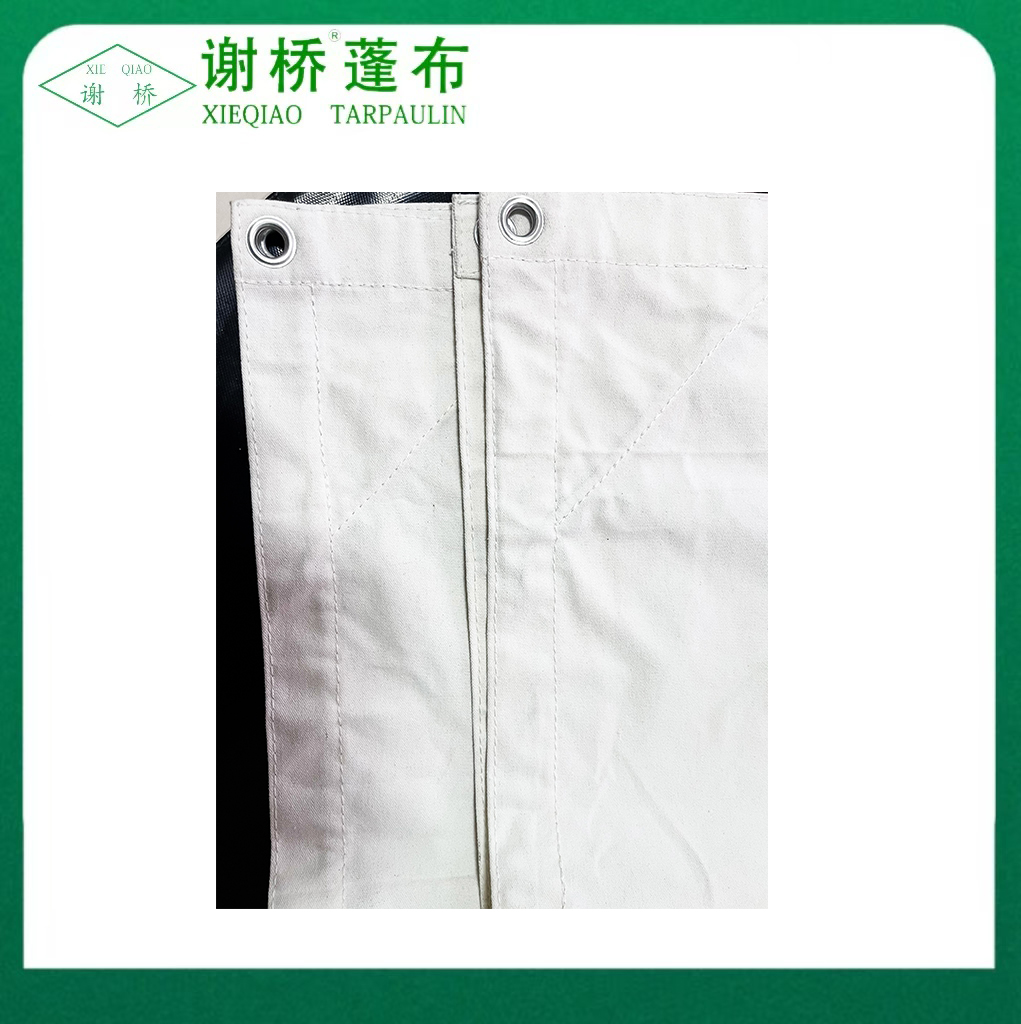
Despite the rise of synthetic materials, waxed or oil-treated canvas remains popular for applications where breathability matters as much as waterproofing. Unlike fully sealed poly or vinyl tarps, treated canvas allows some airflow, which reduces condensation buildup underneath the tarp. This makes it a preferred choice for covering firewood, farm equipment, or camping setups where trapped moisture could cause mold or mildew.
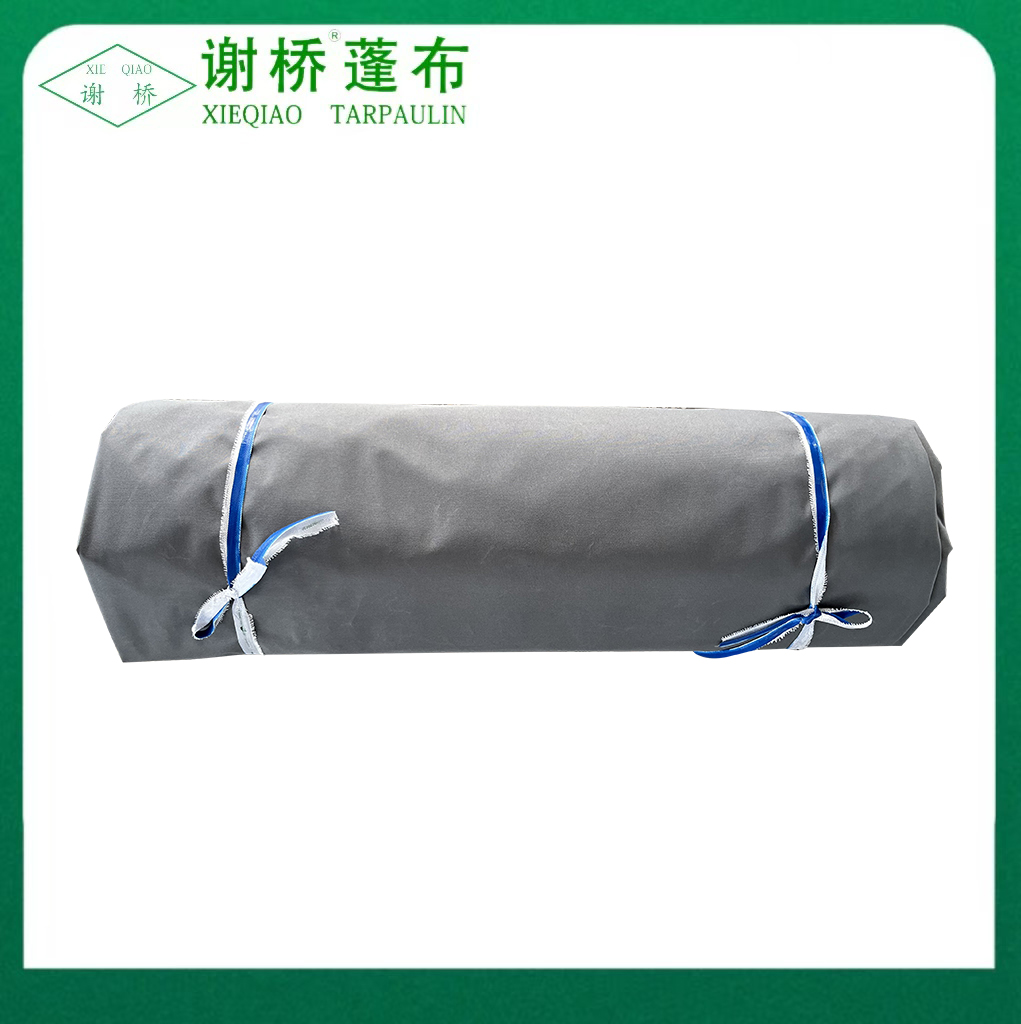
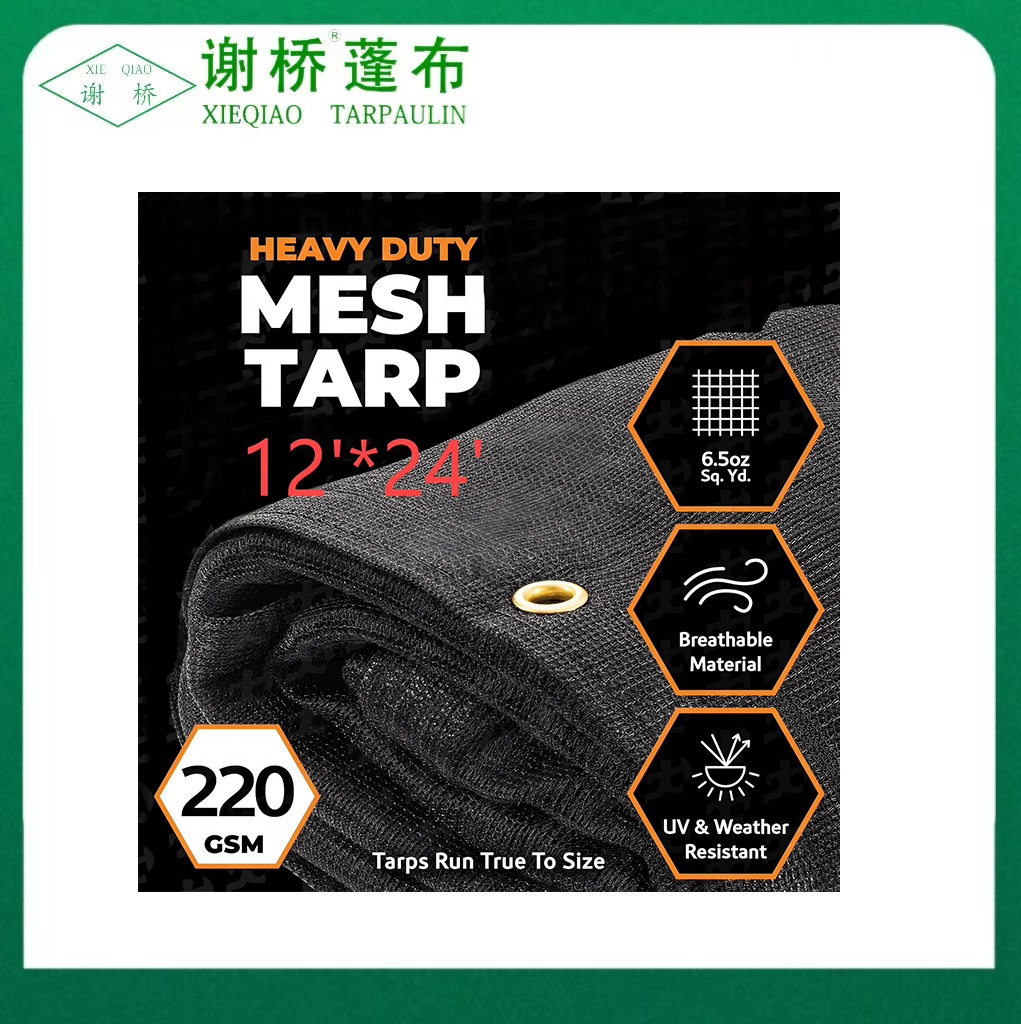
Tarp thickness and durability are often measured in GSM, or grams per square meter, which indicates how much material is packed into each section of fabric. A higher GSM generally means a thicker, more durable tarp, though it also adds weight and cost. Light-duty tarps in the 60 to 90 GSM range work fine for short-term covering tasks like protecting patio furniture or covering a woodpile for a few weeks. Medium-duty tarps between 100 and 150 GSM handle more frequent use and moderate weather exposure, making them suitable for job sites or seasonal storage. Heavy-duty tarps above 200 GSM are built for constant outdoor exposure, industrial applications, or covering vehicles and equipment for extended periods.
Beyond material and thickness, several construction details determine how well a tarp will perform over time and how easy it will be to secure in real-world conditions.
Selecting the right tarp often comes down to matching material and features to the specific task at hand rather than choosing based on price alone. For roof repairs after storm damage, a heavy-duty poly or vinyl tarp with reinforced grommets provides the durability needed to withstand wind and prevent further water intrusion until permanent repairs can be made. For construction sites, mesh-reinforced tarps handle the stress of wind loads while still providing full waterproof coverage over materials and equipment.
Campers and backpackers typically prioritize lightweight ripstop nylon tarps that pack down small and provide reliable rain protection without adding significant weight to a pack. Farmers and equipment owners often turn to waxed canvas for covering hay, firewood, or machinery, since the breathability prevents moisture buildup that could otherwise cause rot or rust underneath the cover. Boat owners and RV users generally benefit from marine-grade vinyl tarps, which resist saltwater exposure, UV degradation, and the repeated flexing that comes with securing covers over irregular shapes.
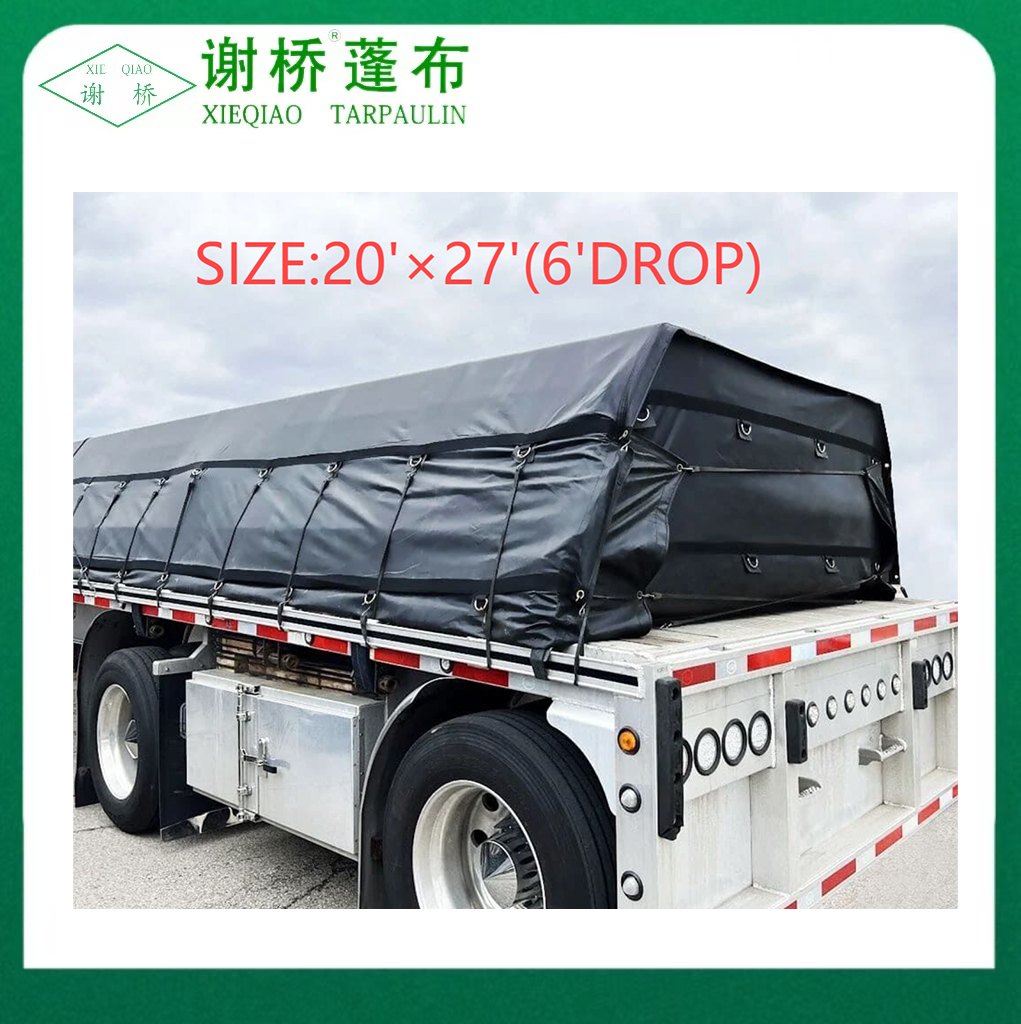
Choosing the correct size involves more than just matching the tarp to the object being covered. It is generally recommended to add extra length and width beyond the item's dimensions to allow for proper overhang and secure tie-down points, particularly when covering irregularly shaped objects like woodpiles or vehicles. A tarp that is too tight will place stress on the grommets and seams, increasing the likelihood of tearing during wind or heavy rain.
Proper securing also plays a major role in how well a tarp performs over time. Using bungee cords or tarp clips at each grommet, rather than tying rope directly through the holes, reduces wear at the attachment points and allows the tarp to flex slightly under wind pressure instead of tearing. Angling the tarp to allow water runoff, rather than leaving flat sections where water can pool, further extends the life of the material and prevents sagging that could eventually lead to leaks or structural failure over extended use.
Recommended Products



 The Industrial Park of Wuqiao Town, Jiangdu District, Yangzhou City, Jiangsu Province, China.
  +86-15252561063
  +86-15252561063
  [email protected]