Specializing in all kinds of custom tarpaulins Custom Tarpaulin Product Manufacturers

 русский
 Français
News
 Home / News / Industry News / Blackout Tarp Guide: How to Choose a Light-Blocking Tarp That Actually Works
  2026.09.15
 Industry News
Content
A black tarp is not automatically a blackout tarp. Hold a thin economy poly tarp toward the sun and the weakness becomes visible immediately: pinpricks of light through the weave, translucent halos around folded edges, and bright lines along stitched seams. For a greenhouse grower running photoperiod trials, a haunted-attraction crew building a light-tight maze, or a camper who simply wants to sleep past sunrise, the difference between a dark-colored tarp and a genuine blackout tarp is the difference between a failed result and a finished job.
The deciding factors are construction weight, coating, and closure detail—not the shade of the surface. This guide explains what separates a true blackout tarp from an ordinary dark tarp, which specifications to check first, and how each common use case changes the buying decision.
Color alone does very little. A lightweight polyethylene tarp that is dyed black still transmits noticeable light because the film is thin and the weave sits close to the surface. Reliable light blocking starts at roughly 13 oz per square yard (about 450 g/m²) for vinyl-coated polyester and becomes dependable at 18 oz (about 610 g/m²). At that weight, the PVC coating forms a continuous film over the fabric, which removes the pinholes and thin patches that let daylight through.
The backing finish matters just as much. A tarp with a black top face and a white or reflective underside blocks light from above while bouncing heat and grow-light radiation back downward. That construction is valuable in greenhouses, where a plain black sheet absorbs solar energy and can push internal air temperature far above the crop's tolerance.
Vinyl (PVC) coating is the most direct route to a genuine blackout tarp because the coating seals the weave completely. PE tarps are cheaper and lighter but rely on lamination that can fail after prolonged UV exposure, gradually increasing light transmission. Coated cotton or polyester canvas blocks light well but adds weight and cost, which only makes sense for premium custom covers. For indoor venues and public spaces, a fire-retardant finish is the binding constraint: a material such as NFPA 701-rated vinyl provides opacity and self-extinguishing behavior at the same time.
The table below summarizes how common tarp constructions behave under direct sunlight. Use it as a starting point, then confirm the supplier's weight and coating specifications before ordering.
| Construction | Typical Weight | Light Transmission | Best Use |
|---|---|---|---|
| Laminated PE poly tarp | 5–7 oz/yd² | Partial; pinholes common | Short-term cover, debris, light shade |
| PVC vinyl-coated polyester | 13–18 oz/yd² | Near zero at 18 oz | True blackout, transport, industrial enclosures |
| Woven black mesh | 180–250 g/m² | Blocks 70–90% of sunlight but never total | Ventilation, shade structures, animal shelters |
| Coated canvas | 12–15 oz/yd² | High, but seam-dependent | Custom covers, long-term outdoor storage |
Light-deprivation growing works by extending the night period: a tarp is rolled over the crop at a set time and removed in the morning, which forces short-day plants to flower on schedule. The system only works when darkness is absolute. A single gap along a row of grommets, a wrinkled overlap, or a corner lifted by wind can reset the plant's photoperiod response and delay the harvest by days. That is why greenhouse buyers should treat the tarp as part of a closure system—hems, weights, and fastening points included—rather than as a simple sheet of fabric.
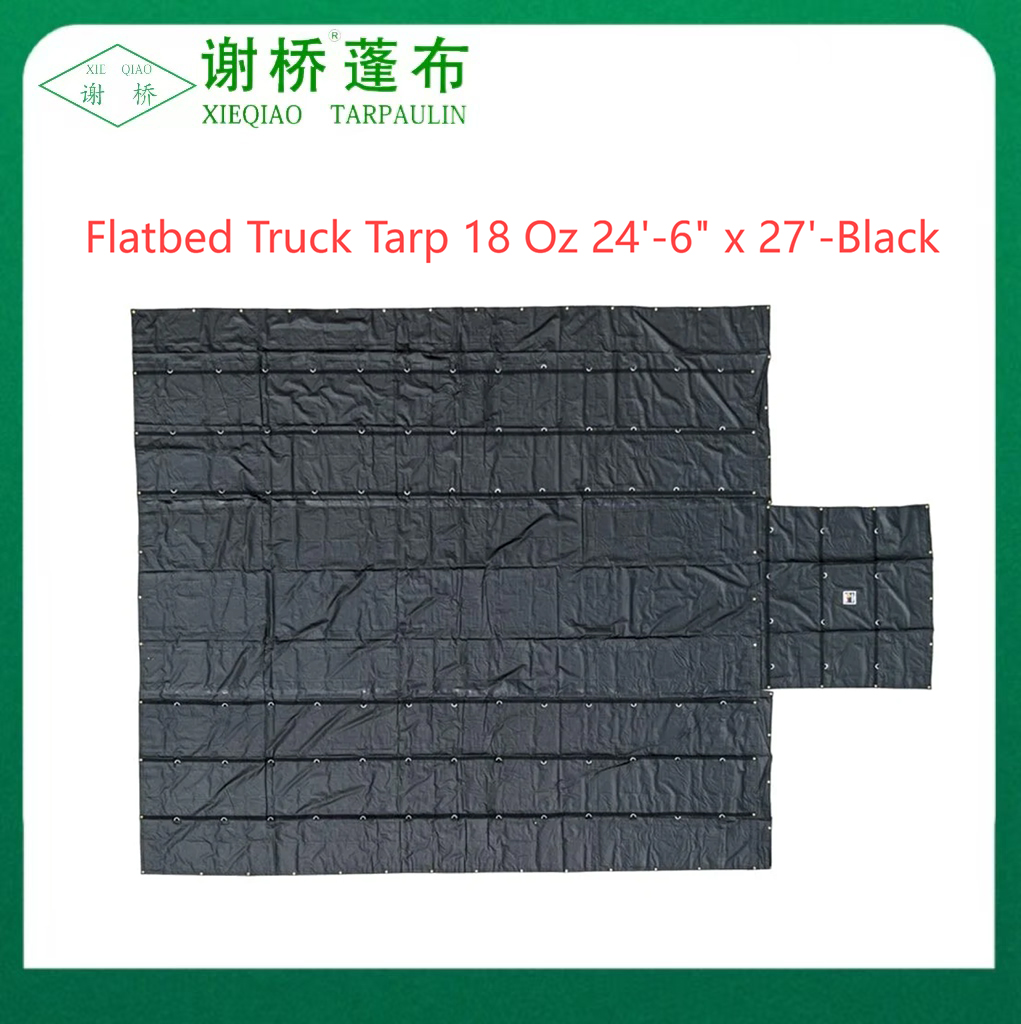
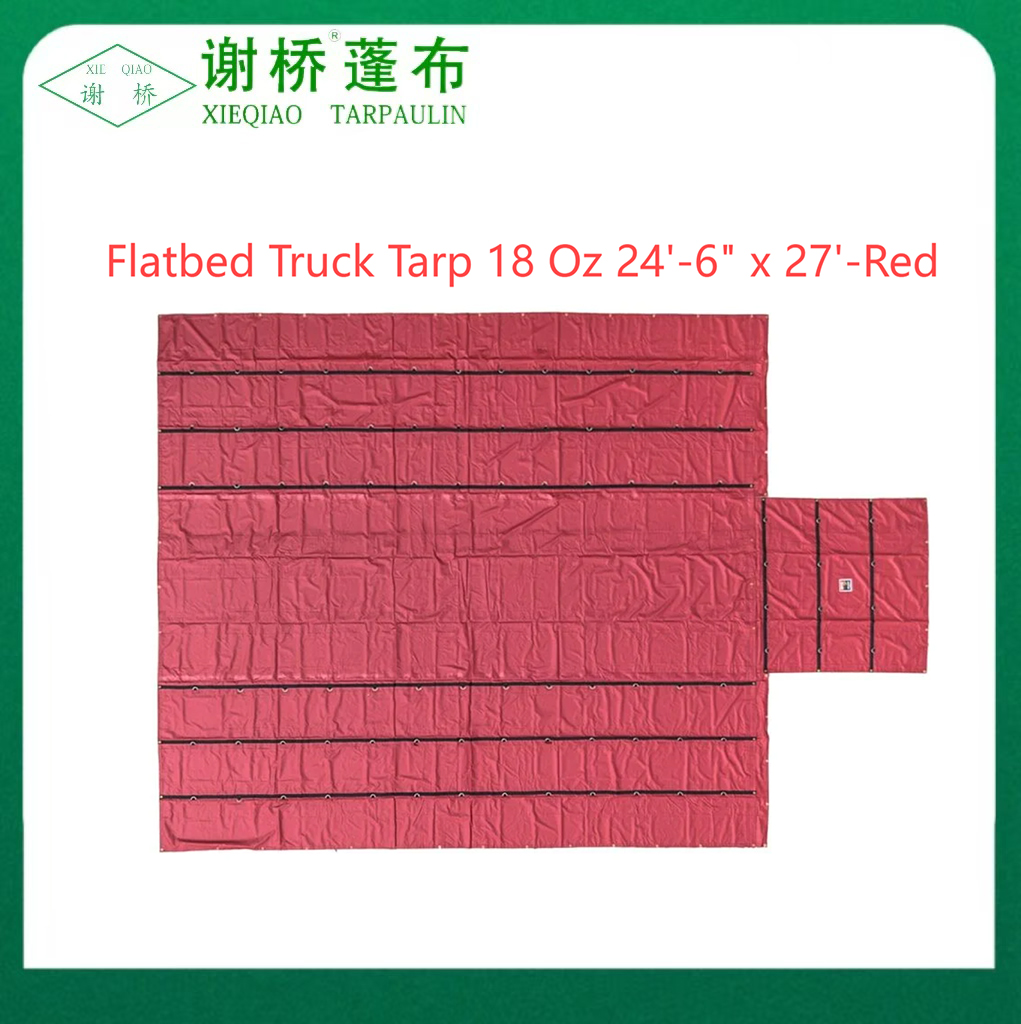
Every solid tarp traps heat. Black absorbs solar radiation, and a blackout layer draped over a greenhouse can raise internal temperatures dramatically within an hour of sunrise. The most common mistake is choosing a purely black sheet and then discovering the crop overheats before noon. A black/white tarp with the reflective side facing the canopy reduces that heat load, and a ventilation strategy—either passive vents or a lift-and-roll schedule—should be planned before installation, not after the first hot day. If the grower needs a ready-made, transport-grade blackout panel, a heavy-duty 18 oz black flatbed truck tarp offers the same dense vinyl construction in sizes designed to span large areas.
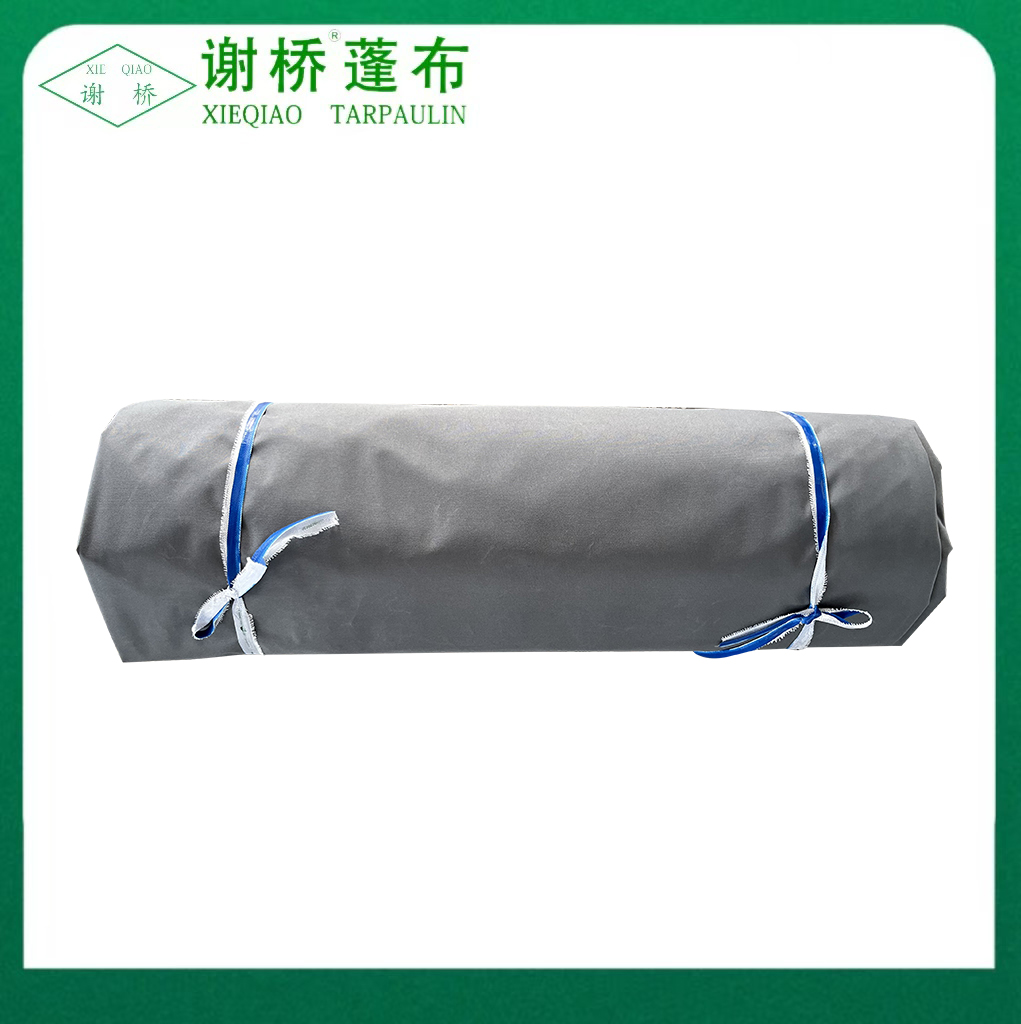
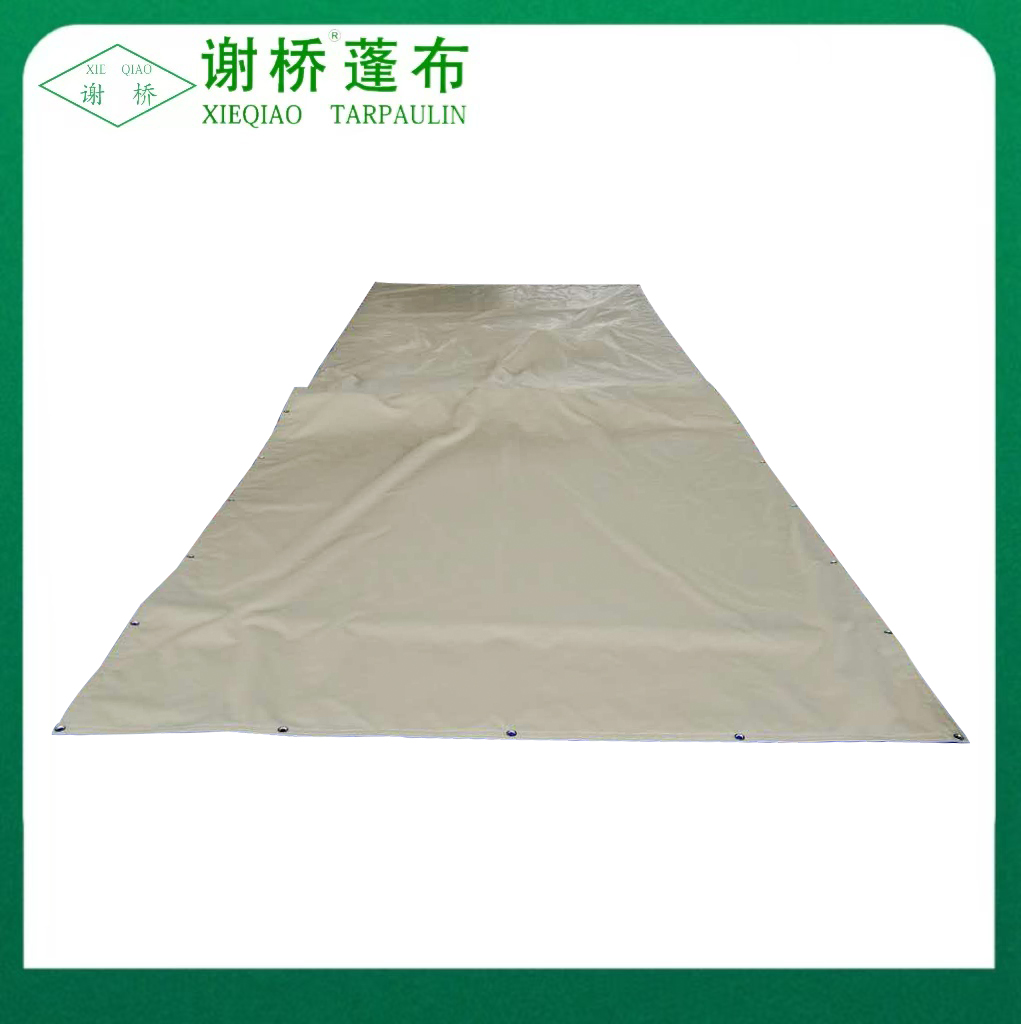
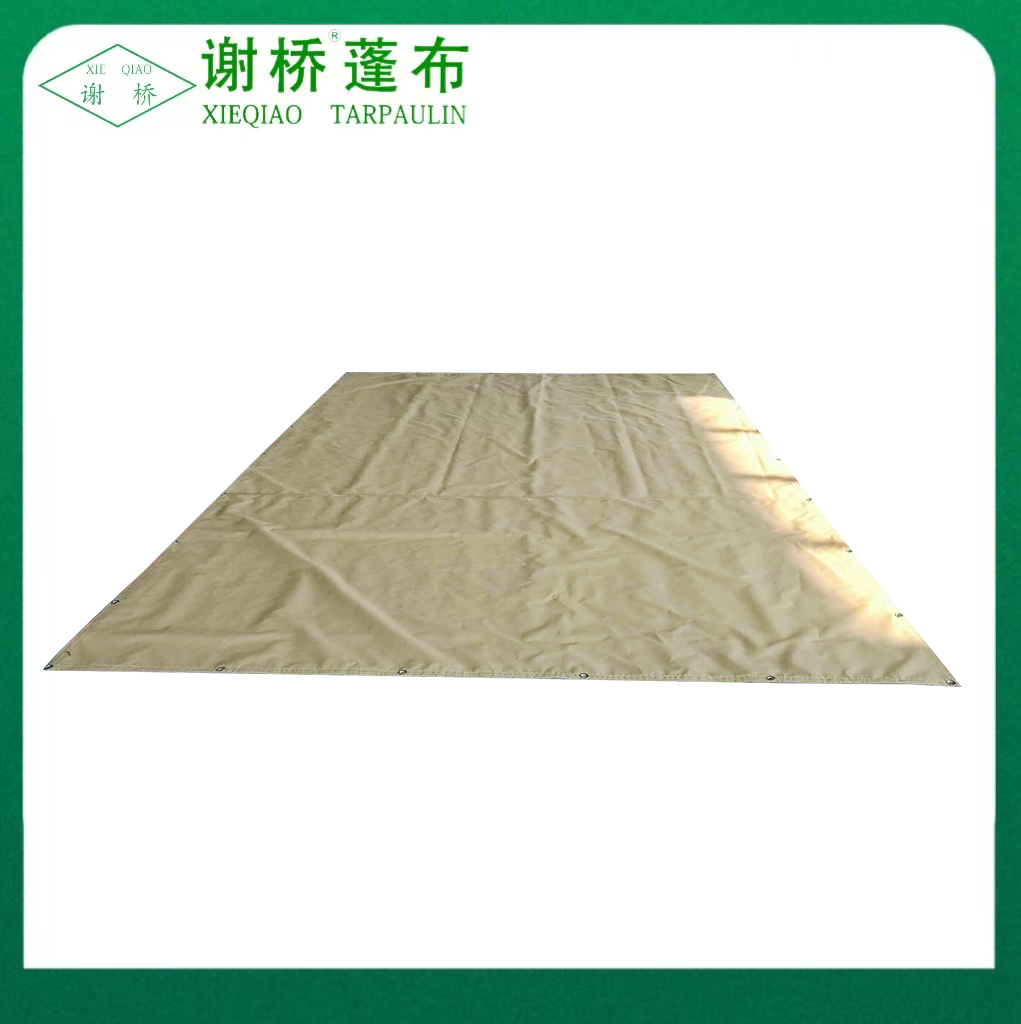
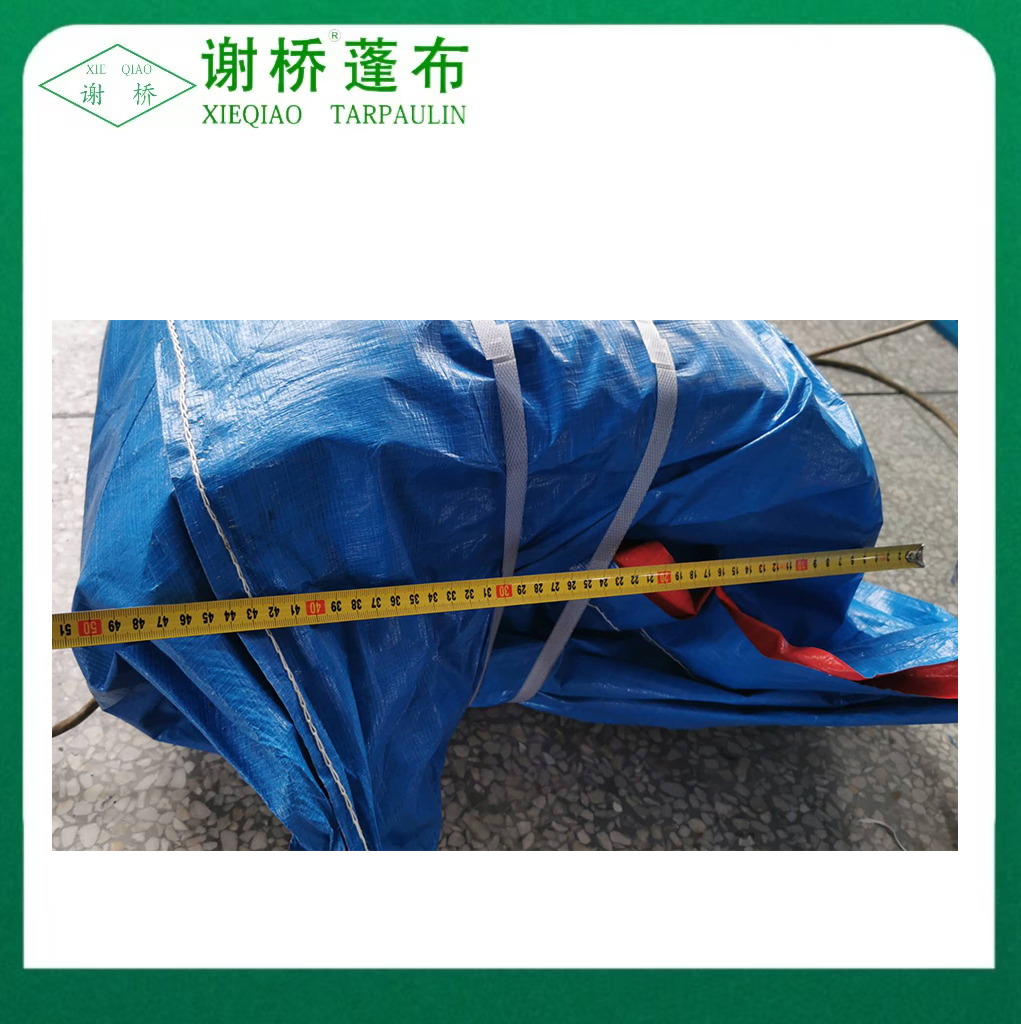 XieQiao Tarpaulin - Black Vinyl PVC Coated Polyester Flatbed Truck Tarp 20'x27'(8'DROP) Suppliers and Factory in China, Wholesale Black ...View Product →
Campers use blackout tarps for one reason: to control the light environment around a tent or shelter. In summer, sunrise can arrive before five in the morning, and a dark tarp draped over the tent or strung as an extended fly can add hours of rest. The trade-off is weight. A light 5 oz PE tarp is easy to pack but leaks daylight along its fold lines; an 18 oz vinyl tarp delivers total darkness but can weigh several kilograms. Base-camp users and car campers should favor the heavier material, while backpackers generally accept partial shading for the weight savings.
Haunted houses, theater backdrops, and event booths want blackout fabric for a different reason: to control artificial light in a defined space. These indoor applications make flammability the first specification to check. Dark fabric alone is not enough—many budget tarps melt and drip when exposed to flame. A fire-retardant vinyl tarp combines opacity with self-extinguishing behavior and is the safer choice for occupied spaces. For adjacent applications such as welding bays and machine cells, the selection logic is covered in our guide to choosing the right heavy-duty industrial curtains.
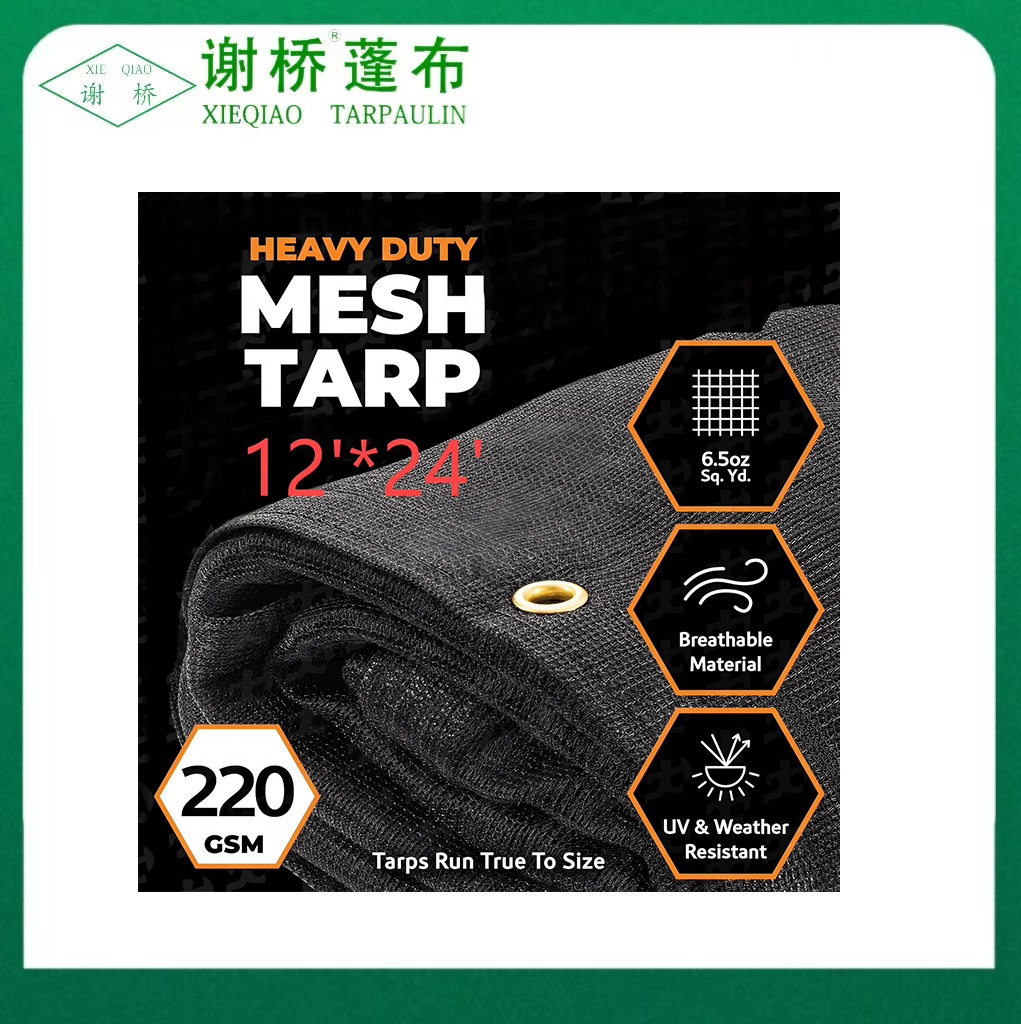
Many searches for a blackout tarp end with a black mesh tarp, which is a different tool. Woven mesh blocks a significant portion of sunlight—typically 70 to 90 percent depending on density—but it never creates darkness. What mesh provides is shade combined with airflow. That makes it the right choice for animal shelters, scaffolding enclosures in hot climates, and any position where a solid tarp would billow like a sail or trap moisture underneath.
The rule is simple: if the objective is heat management, choose mesh; if the objective is darkness, choose a solid coated tarp. A 12 × 20 ft black mesh tarp is an excellent ventilation-rated shade panel, but it cannot replace a solid blackout sheet in a photoperiod system. The detailed comparison between black mesh and solid poly tarps explains the performance differences in more depth.
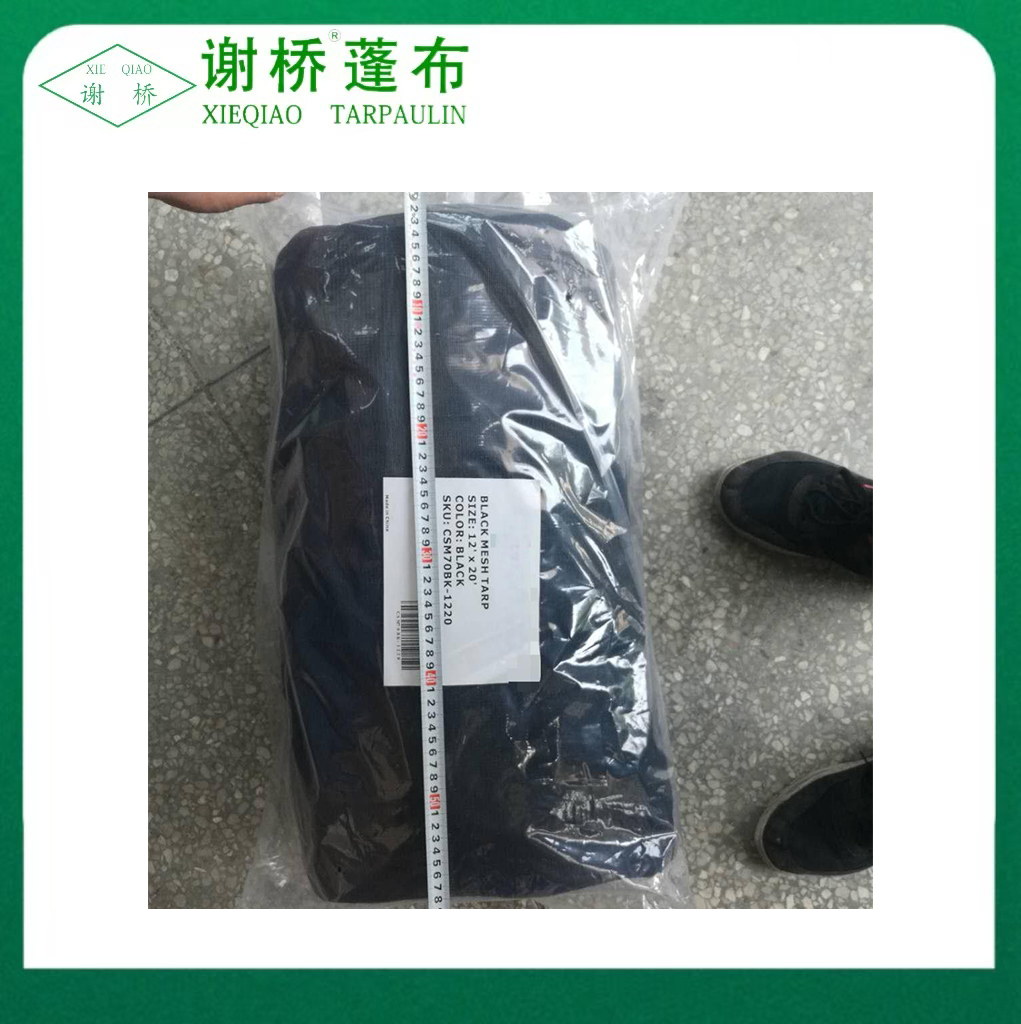 12"×20"Black Mesh Polyethylene Open Mesh Tarp Suppliers, Factory - Yangzhou CityXieQiao Tarpaulin - 12'×20'Black Mesh Polyethylene Open Mesh Tarp Suppliers and Factory in China, Wholesale 12'×20'Black Mesh Polyethylen...View Product →
A blackout tarp fails at its edges first. Check for double-folded hems, which reinforce the perimeter against tearing, and grommets spaced no more than 24 inches apart for secure tie-downs. Seam construction determines long-term waterproofing: stitched seams should be sealed with tape or heat, and welded seams are the strongest option for PVC materials. In wind-prone installations, reinforced corners and additional D-rings are worth specifying from the start.
UV stabilizers are the difference between a tarp that lasts three seasons and one that becomes brittle in months. Unstabilized vinyl turns stiff and translucent under direct sun, which directly undermines the blackout function. Verify that the coating includes UV protection, and store the tarp folded and dry when it is not in use. A heavy vinyl tarp with proper stabilization can provide multiple seasons of reliable darkness; the same material without UV protection can fail before the first year is up.
Standard rectangles leave gaps on curved greenhouse hoops, odd-shaped truck bodies, and permanent structures. Custom shapes close those gaps, which is where a supplier's manufacturing flexibility matters. A custom-shaped PVC tarp cover costs more per square meter than a stock rectangle, but it eliminates the weak points that appear when you try to fold a flat sheet around an angle. Faster installation, complete light closure, and better wind behavior often make the custom option the more economical choice over the tarp's full service life. For a broader look at material selection and application planning, the waterproof tarp buying guide covers sizing, fastening, and long-term care in detail.
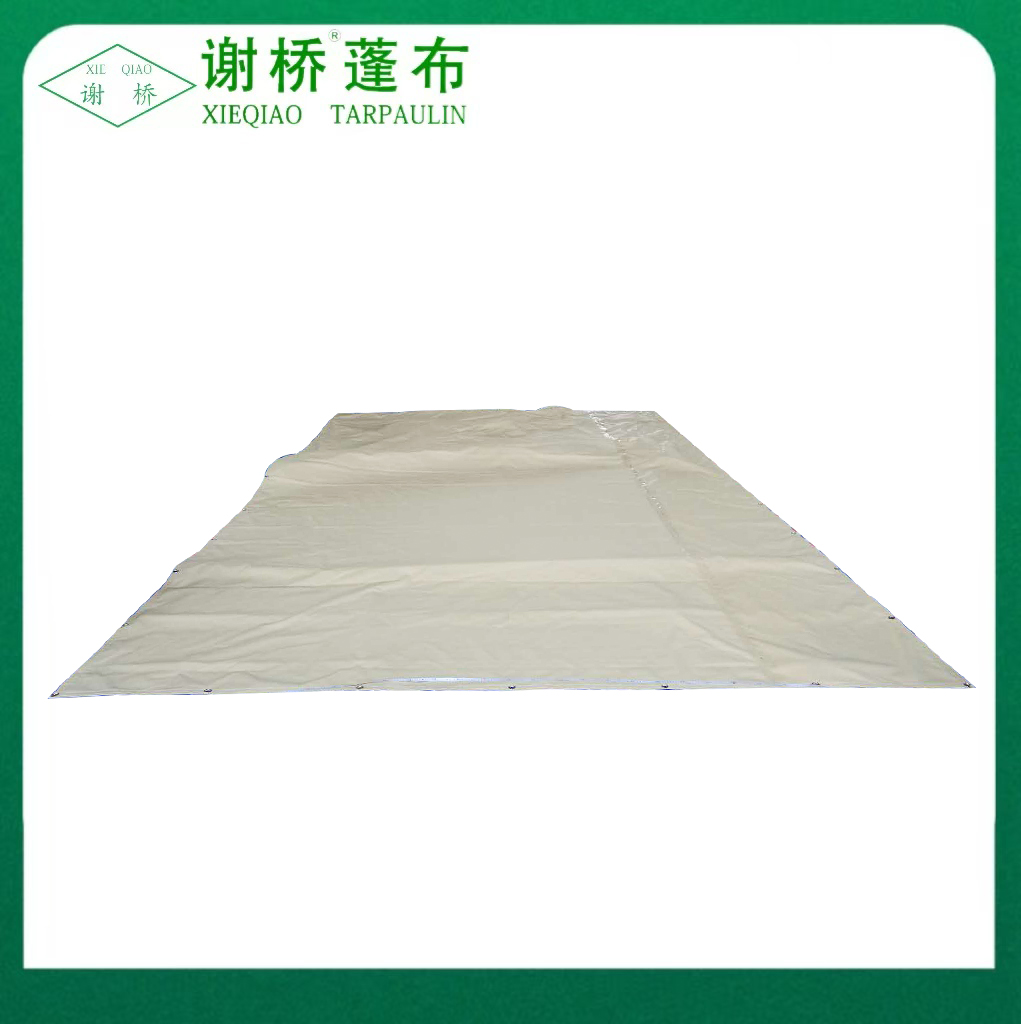
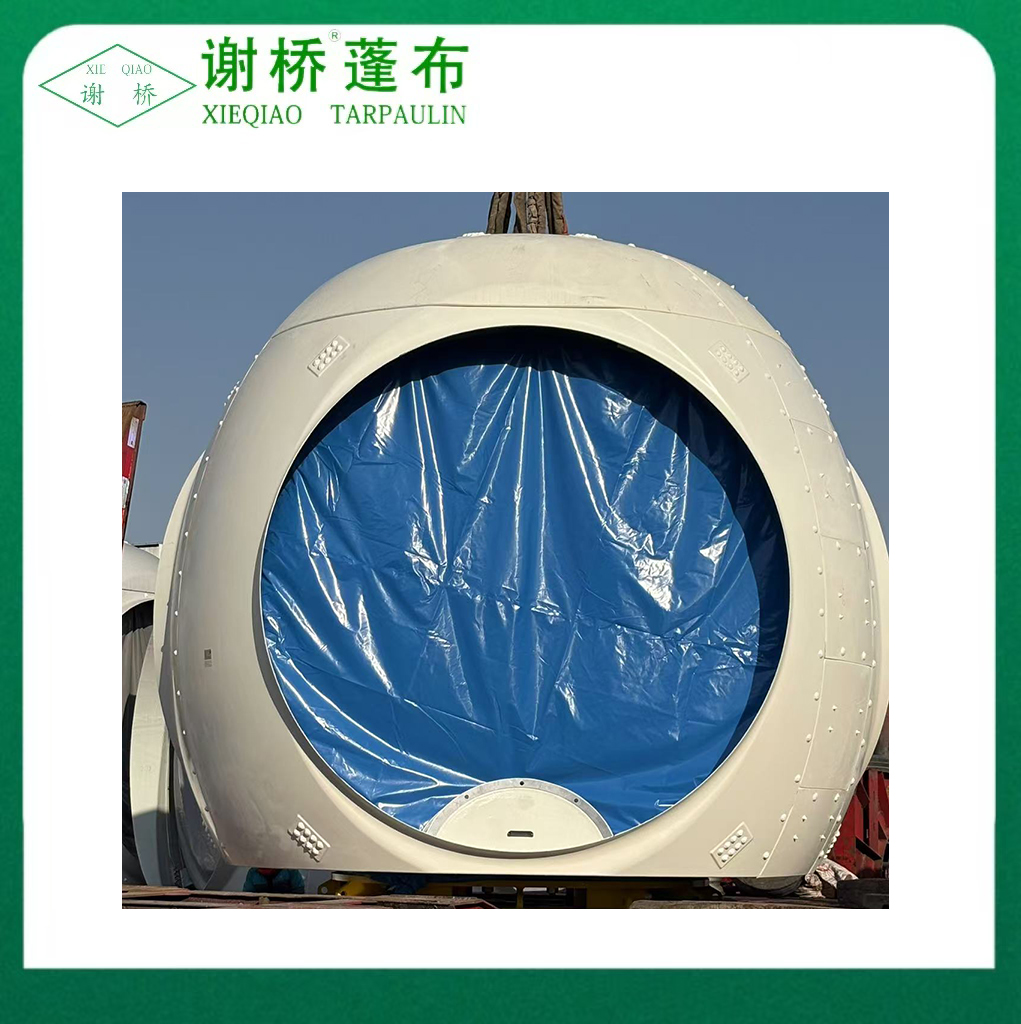 Waterproof Protection Custom Shape PVC Coated Vinyl Material Tarp cover SupplierXieQiao Tarpaulin - Waterproof Protection Custom Shape PVC Coated Vinyl Material Tarp cover Suppliers and Factory in China, Wholesale Wat...View Product →
The right blackout tarp is a functional component, not an afterthought. Material weight and coating determine whether light passes through; hems, grommets, and seams determine whether the tarp stays effective in wind and weather; and UV stabilization determines whether the blackout performance lasts. Match the construction to the job—dense vinyl-coated polyester for total darkness, black mesh for ventilated shade, and custom shapes for irregular frames—and the tarp will deliver predictable results season after season.
Recommended Products



 The Industrial Park of Wuqiao Town, Jiangdu District, Yangzhou City, Jiangsu Province, China.
  +86-15252561063
  +86-15252561063
  [email protected]