Specializing in all kinds of custom tarpaulins Custom Tarpaulin Product Manufacturers

 русский
 Français

News
 Home / News / Industry News / Can Tarps Be Recycled? A Practical Guide for Industrial Buyers and Procurement Teams
 2026.10.26
 Industry News
Content
If you manage a fleet, a construction site, or a storage yard, the end of a tarp's life is not a hypothetical question. At some point, every heavy-duty cover needs to be replaced, and the first thought is often: can I recycle it? The direct answer is that most tarps are not accepted in standard curbside recycling programs. PVC, vinyl, and coated PE products are usually too complex for local facilities to process. The practical solution is not to find a miracle recycler, but to choose durable tarps and keep them in service longer.
Municipal recycling systems are built around clean, single-polymer containers such as PET bottles and HDPE jugs. A tarpaulin is a different product category. It may have a woven fabric base, a plastic coating, reinforcement layers, metal grommets, and additives that protect against UV and cold. All of those components are difficult to separate. Even if a tarp is made from PE film, the material is heavy, often dirty, and can jam sorting equipment. Many municipalities explicitly list tarps as landfill or trash items.
Some PE tarps are made from high-density polyethylene and look like the plastic in shrink wrap. Buyers often assume they can go into the same recycle stream as plastic bags. In practice, most collection rules exclude tarps because they are not bags or film, and because tarps often contain small tears, dirt, and grommets. A single metal grommet can contaminate a whole bale of recycled plastic.
This is not a problem with the manufacturer; it is a design characteristic of the material. A tarp has to resist tearing, water, and sunlight for years, and that level of performance comes at the cost of easy recyclability.
Recycling opportunities differ depending on the substrate and coating. The table below summarizes how common tarp materials typically fare in municipal programs.
| Tarp material | Typical status | Why |
|---|---|---|
| Polyethylene (PE) tarps | Sometimes accepted only in film collection | PE can be recycled if clean and additive-free, but heavy tarps with grommets and coatings are usually rejected. |
| PVC / vinyl tarps | Not accepted | Plasticized PVC and fabric backing are hard to separate and not widely processed. |
| Canvas / cotton tarps | Not accepted in textile recycling | Waterproofing, mildew-proofing, and heavy wear make the fabric unsuitable for standard textile recovery. |
| Coated fiberglass / specialty tarps | Not accepted | These are engineered composites with flame-retardant and heat-resistant layers that require specialized disposal. |
While PE tarps sometimes appear in film collection, the practical reality for an industrial buyer is that you cannot count on that option. PVC tarps, which are dominant in truck and construction applications, are consistently treated as trash in most collection jurisdictions. This is why material choice matters: if you need durability, you accept a disposal tradeoff, and you should design the purchase to minimize how often you replace it.
For most industrial tarps, the most sustainable approach is to keep the tarp out of the waste stream as long as possible. A tarp that lasts five years creates far less environmental impact than one that is replaced every year, even if the longer-lasting product cannot be recycled at the end of its life.
Practical ways to extend tarp service life include:
When a tarp is no longer suitable for its original purpose, it can often take on a second life. Cut it down and use it as protective padding or a lighter-duty ground cover. Many fabricators and warehouses keep old tarps for emergency repairs. Repurposing is effectively the closest thing to recycling that works well with heavy coated fabrics.
Reuse is the cheapest form of recycling. In construction, an old but intact tarp can still be used to protect fresh concrete from rain. In logistics, a worn side curtain can be cut into smaller covers for pallets. The key is to avoid throwing away a tarp that still has any functional surface area.
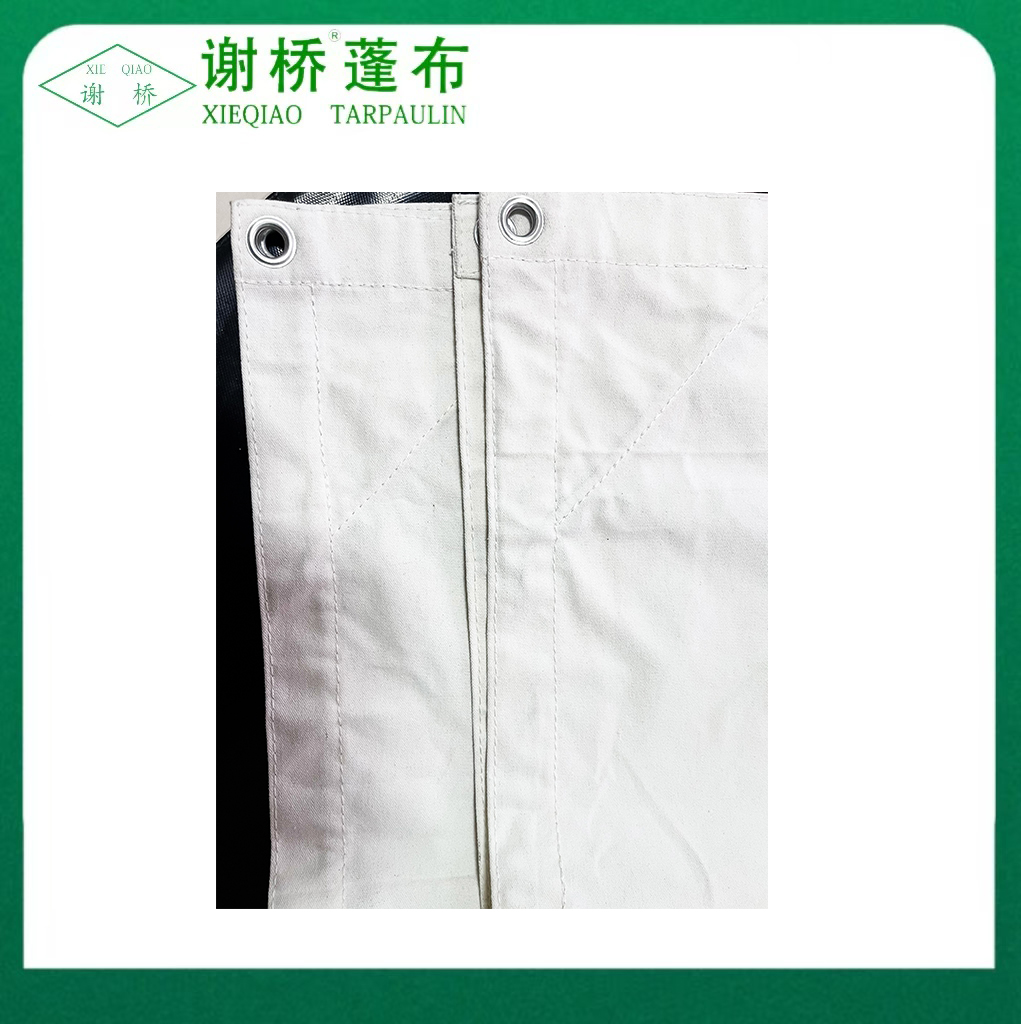
Extending the life of the tarp you already own is the simplest first step. When you do need a replacement, choose a more durable material that will not enter the waste stream as quickly. For example, a heavy-duty polyester canvas cover can serve many years in storage and equipment applications.
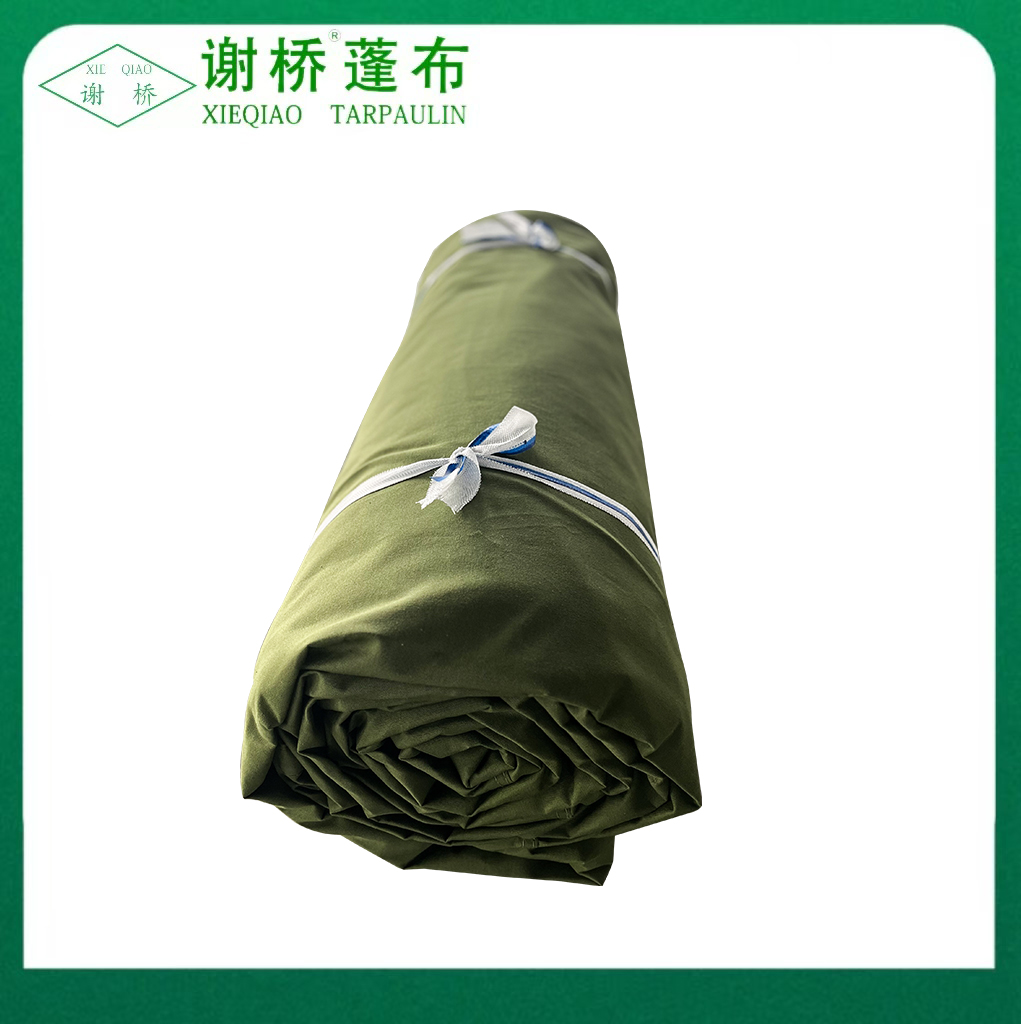 Heavy-Duty 100% Polyester Canvas Tarp with Rustproof GrommetsThis durable canvas tarp offers 10oz weight, breathable protection, and reinforced grommets, making it a long-lasting choice that reduces replacement frequency and waste.View Product →
Purchasing decisions matter more than disposal decisions. If you buy a tarp that is too light for the job, you will replace it sooner and create more waste. Before selecting a cover, compare the fabric weight, coating thickness, UV resistance, and temperature tolerance. A 20x20 heavy-duty vinyl tarp will outlast a lighter PE tarp in a demanding outdoor setting, and it will require fewer replacements over time.
Key specifications to compare include:
For detailed guidance on materials and applications, see our waterproof tarp materials guide. You can also optimize durability by choosing a tarp with reinforced edges and rustproof grommets, which are common failure points.
High-density tear-resistant tarps are another good fit when you need a cover for tools, equipment, or storage, because they resist impact damage without excessive weight. See our tear-resistant outdoor tarp for a practical option.
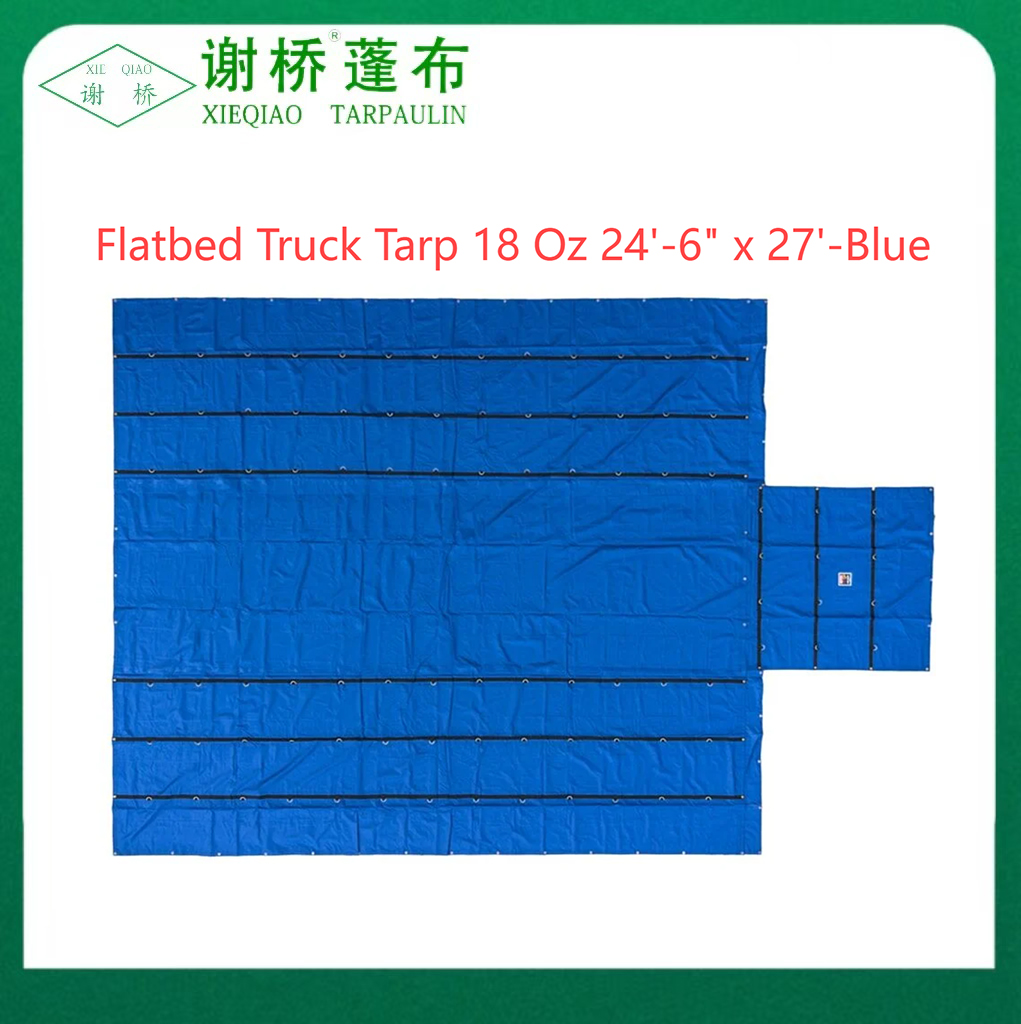
For industrial buyers, the best waste-reduction strategy is to choose a product that can handle your specific environment for many years. That includes resisting cold cracking in winter and UV exposure in summer. If your application is a large open area or a truck bed, a heavy-duty vinyl cover with a proven service life will reduce replacement frequency.
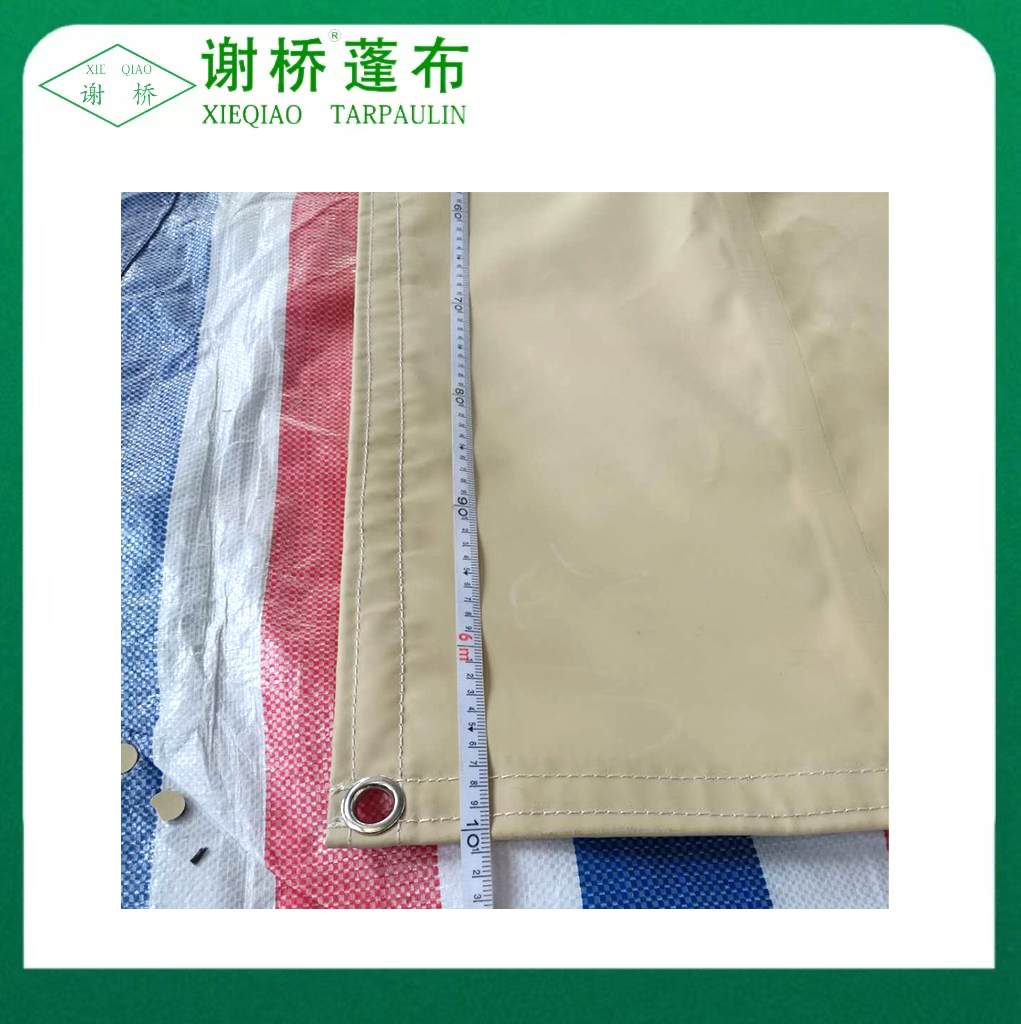 Yellow Vinyl Waterproof Tarp 20x20 for Industrial UseSized 20 by 20 feet, this vinyl tarp resists cold and UV damage, ideal for large areas or truck beds, helping industrial buyers minimize replacements and waste.View Product →
When a tarp is torn beyond repair, first check whether your local facility accepts it. Some specialized collection programs accept clean PE tarps, and some private companies repurpose old billboard and vinyl tarps into consumer goods. If no such program exists in your region, the usual options are landfill or, in areas with waste-to-energy facilities, energy recovery.
Do not burn coated tarps in open air. PVC and treated cotton can release harmful gases. When you source a replacement, look for specifications that match your actual job so the next tarp lasts longer. That reduces the frequency of disposal and supports a more realistic circular approach.
It is also worth asking your supplier whether they have a take-back or repurposing program. In our experience, tarps that are slightly damaged in one area can often be repaired with a simple patch, which is better than sending a large sheet of material to a landfill.
Recycling tarps is a satisfying idea, but it is not how most industrial tarp life cycles actually end. The practical answer is to select durable, well-made covers, maintain them, and repair them early. That approach will keep more tarps in service, reduce the number of new tarps you buy, and prevent unnecessary waste. As a manufacturer of tarps and canvas products, we design for service life because we know that a product that lasts is the most sustainable option available.
Recommended Products



 The Industrial Park of Wuqiao Town, Jiangdu District, Yangzhou City, Jiangsu Province, China.
 +86-15252561063
 +86-15252561063
 [email protected]