Specializing in all kinds of custom tarpaulins Custom Tarpaulin Product Manufacturers

 русский
 Français

News
 Home / News / Industry News / How to Make a Pool Cover from a Tarp: Measure, Cut, Secure, and Maintain
 2026.11.04
 Industry News
Content
Making a pool cover out of a tarp is a practical way to keep leaves and winter debris out of the water without buying a ready-made cover. It works best as a temporary debris cover for an above-ground or simple in-ground pool, not as a permanent safety barrier. Choose a tarp that is large enough, reinforce the edges, and secure it so wind cannot get underneath. A tarp is not a certified safety cover: it will not support a person, a pet, or a heavy snow load.
Before you buy anything, measure the pool at its widest point. For an above-ground pool, measure across the top rail; for an in-ground pool, measure the waterline and add the coping. Add 12 to 18 inches of overlap on each side for a small above-ground pool, or 18 to 24 inches for an in-ground pool that will be tied down. If the pool is an unusual shape, sketch it and note the longest and shortest spans. That sketch will save you from buying a tarp that is almost big enough.
Decide how the cover will drain. A solid tarp collects rainwater, so a small cover pump or siphon belongs in the plan. An air pillow can help with ice pressure in an above-ground pool, but it does not make the cover safe to stand on. For an in-ground pool, plan on water bags or a cable that will not scratch the deck.
The cheapest blue polyethylene tarp will keep leaves out for a season, but it stretches, fades, and tears at the grommets. A PVC-coated polyester tarp is heavier and more dimensionally stable, which makes it easier to keep tight across a pool. Vinyl and canvas each have their place, but they behave differently when wet. If you want to compare coatings and weights in more detail, this guide to what makes a tarpaulin truly waterproof explains the trade-offs without the sales talk.
| Material | Good for | Keep in mind |
|---|---|---|
| PE (polyethylene) blue or silver tarp | Low-cost leaf cover, one season | Stretches, degrades in UV, weak grommet points |
| PVC-coated polyester | Durable debris cover, custom shapes, welded seams | Heavier; needs strong tie-downs and rain management |
| Clear vinyl | Seeing the water level; light duty | Can stiffen in cold; not ideal for rough handling |
| Treated canvas | Breathable look, general outdoor cover | Heavy when wet; waterproofing varies by treatment |
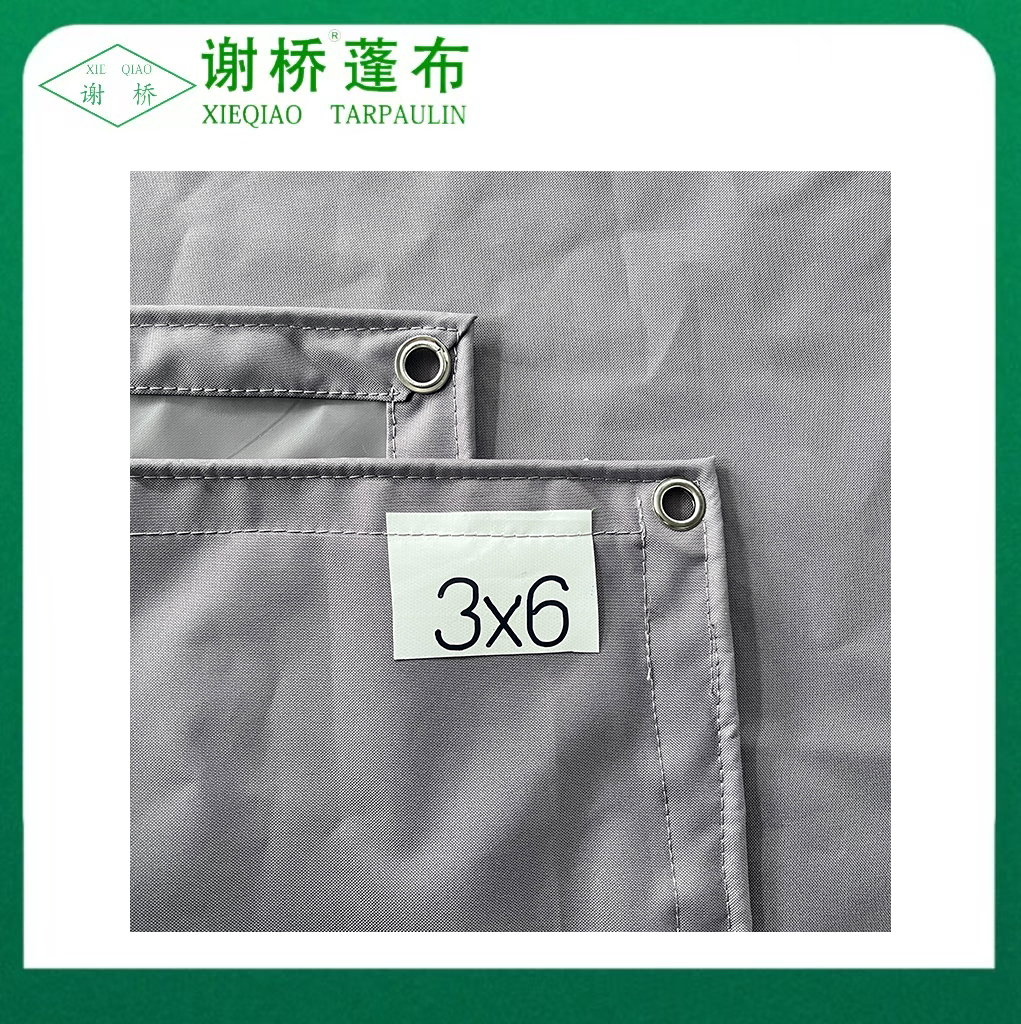
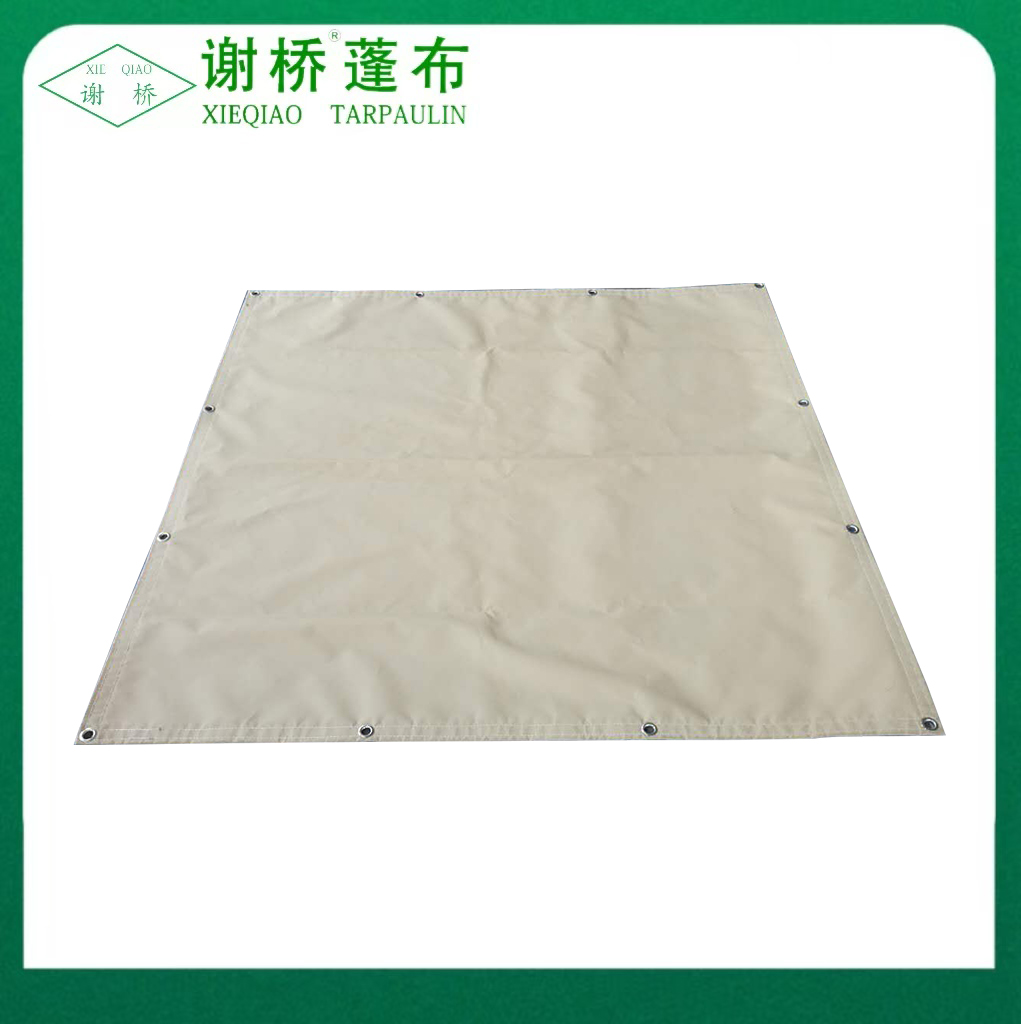
For a rectangular pool, a ready-made rectangular cover with reinforced edges is often the simplest starting point. If you plan to cut and fit the tarp yourself, check that the material is coated on both sides and that the grommets are set into a reinforced hem, not just punched through the film.
 Custom-Sized Rectangular PVC Tarp CoverThis custom-sized PVC-coated rectangular tarp offers a simple starting point for a fitted pool cover, with waterproof and UV protection.View Product →
Lay the tarp on a clean, flat surface. If it is too large to handle indoors, work on a driveway on a calm day. Use chalk or a soft marker, not a permanent marker that can bleed in the sun. Measure twice, mark once, and leave a little extra material for the hem. A cover cut exactly to the pool edge will usually pull short once it is tensioned.
A test fit on the pool is worth the extra time. The cover should sit evenly without one corner pulled tight and another sagging. If the tarp is close but not quite right, fix it now rather than fighting it in the wind later.
The edge is where a homemade pool cover usually fails. A cut edge on a woven tarp can unravel, and a grommet set too close to the edge will pull out under wind load. Fold the hem over 1 to 2 inches, then stitch, heat-seal, or clamp it according to the material. If you cannot sew, use a hem wide enough for the grommet hardware and add a reinforcement patch at each tie-down point.
For an in-ground pool, a cable threaded through a hem sleeve can be neater than a row of ropes. Water bags placed on the cover overlap are another common option, but they must be kept away from the pool edge where they could be knocked in. Never use bricks or heavy metal weights around a pool; if they fall in, they can damage the liner or cause injury.
Choose a day with little wind. Once a tarp starts lifting, it becomes a sail. For an above-ground pool, inflate the air pillow only as much as the manufacturer recommends, then center it under the cover. For an in-ground pool, place any float or pillow first if you are using one, then pull the cover across from one side to the other rather than dragging it over the coping.
Once the cover is on, walk the perimeter and look for sharp edges, exposed screws, or rough concrete that could rub through the tarp. A short piece of foam or a folded cloth pad at a sharp corner can add years to the cover.
A solid tarp cover will collect water. That water is heavy, and a sagging cover puts stress on every grommet. Use a small automatic cover pump on top of the cover, or set up a siphon if the pool is being closed for the season. Check the cover after heavy rain and before a freeze. Do not let water stand long enough to stretch the tarp into a deep pocket.
Snow needs the same respect. Remove snow gently with a soft broom or snow rake from outside the pool, and never walk on the cover. If heavy snow is forecast, clear it in stages. An air pillow can help with ice expansion, but it does not make the cover safe to stand on. In spring, pump off standing water before you remove the cover, and lift carefully so debris does not slide into the pool.
A tarp pool cover is a debris cover, not a safety cover. It will not bear weight, and it can hide the water surface from view. Keep children and pets away from the pool area, and maintain a fence, alarm, or other code-compliant barrier as your primary protection. If someone does fall onto the cover, treat it as an emergency and call for help immediately.
With reasonable care, a well-made tarp cover can last several seasons as a leaf and winter debris cover. The goal is not to make it look like a factory cover; the goal is to keep it safe, drained, and securely attached.
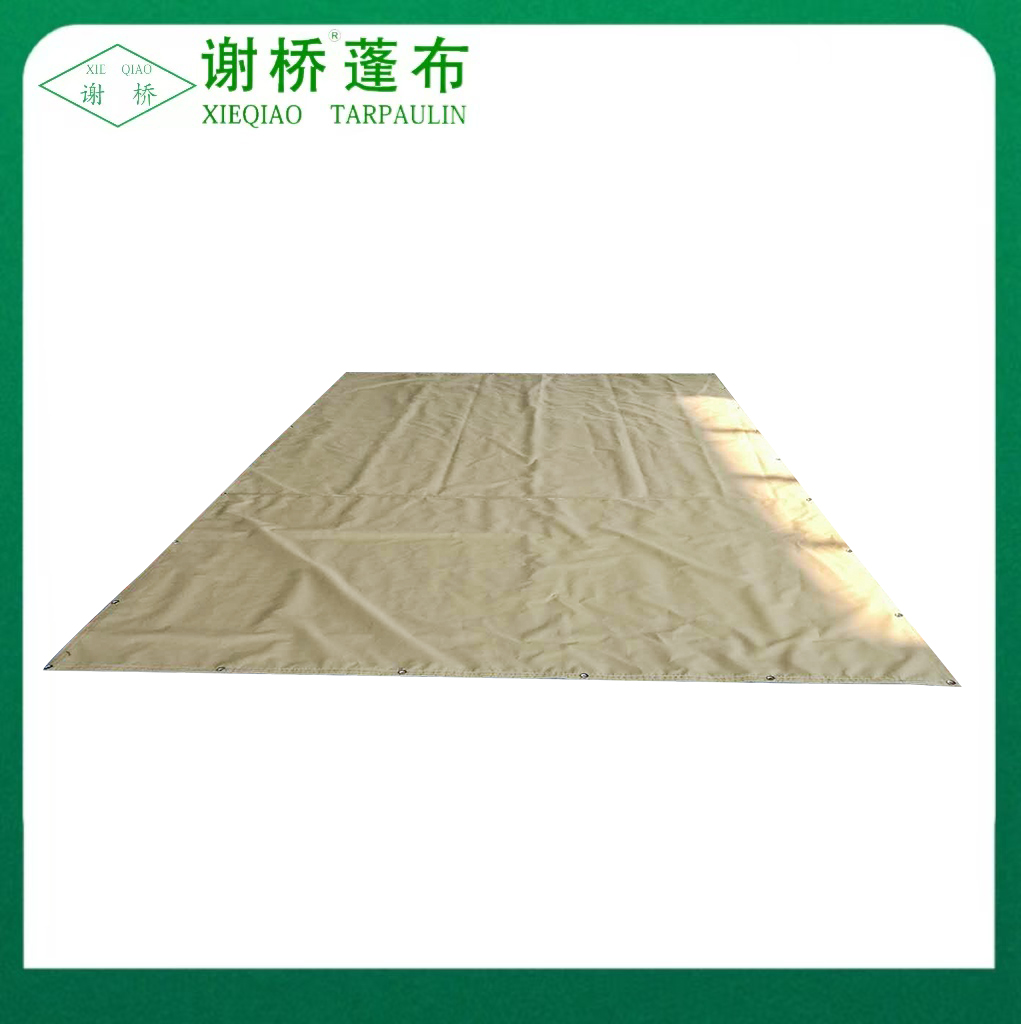
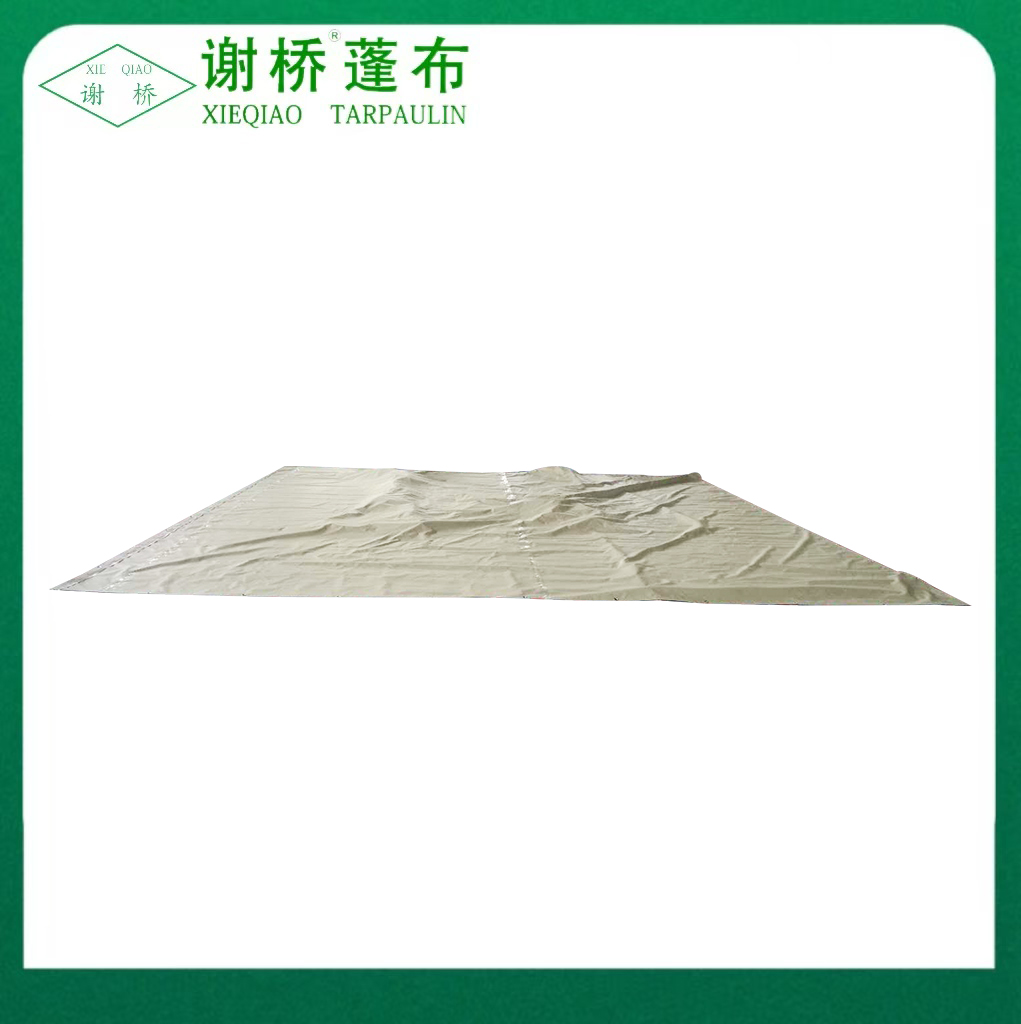
If your pool is an unusual shape, has a raised edge, or is larger than the standard tarp sizes you can find locally, a custom cover is often the cleaner solution. A maker can weld or sew the seams, add a reinforced hem, and place grommets where your tie-down points actually are. That is especially useful for an in-ground pool with a wide coping or an above-ground pool with a deck that limits where ropes can run.
Before ordering, send the pool outline, the overlap you want, and a few photos of the edges and any obstructions. Ask how the cover will drain and whether the material is suitable for winter weather. A cover made for the pool will still need a pump, careful installation, and the same safety rules, but it will fit better and last longer than a cut-down bargain tarp.
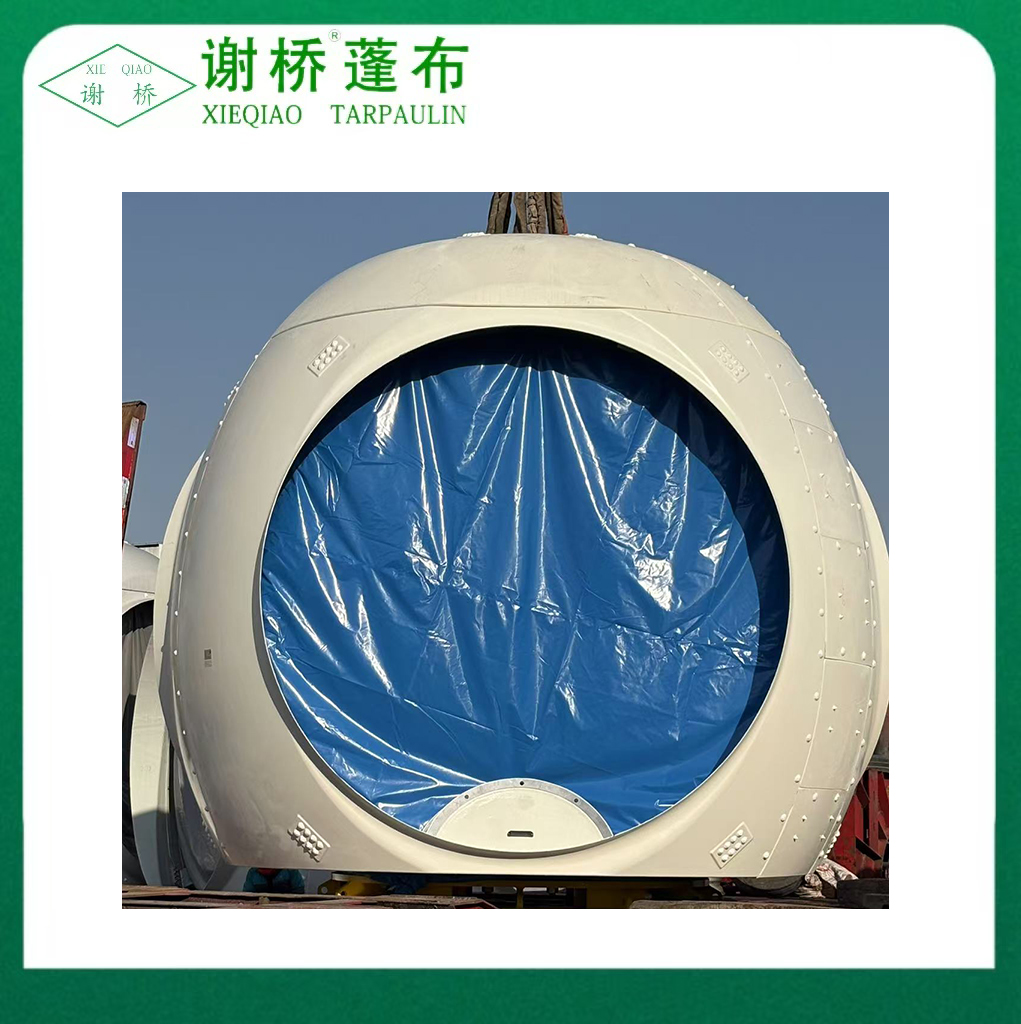 Custom-Shape PVC-Coated Protective Tarp CoverA custom-shaped PVC-coated tarp in multiple colors and sizes, with perimeter buckles and internal ropes for secure, waterproof, UV-protected coverage.View Product →
Making a pool cover from a tarp is a weekend project, not a permanent pool safety solution. Measure generously, reinforce the edges, secure the cover evenly, and keep water off the top. If you do those things, a tarp can do a good job of protecting the pool through the off-season, and you will have a clearer idea of whether a custom cover is worth it next time.
Recommended Products



 The Industrial Park of Wuqiao Town, Jiangdu District, Yangzhou City, Jiangsu Province, China.
 +86-15252561063
 +86-15252561063
 [email protected]