Specializing in all kinds of custom tarpaulins Custom Tarpaulin Product Manufacturers

 русский
 Français

News
 Home / News / Industry News / Is Tarpaulin Waterproof? A Practical Guide to Fabrics, Coatings, and Seams
 2026.11.10
 Industry News
Content
Ask most buyers what a tarpaulin is, and they will describe a strong, flexible sheet that keeps weather and dirt away from something valuable. Ask whether it is waterproof, and the answer needs a little more care. Most commercial tarpaulins are designed to shed rain and block liquid water, but “waterproof” is a performance result—not a single material name. It depends on the fabric, coating, seams, and how the tarp is used.
At Yangzhou City XieQiao Tarpaulin, we have worked with tarpaulins and canvas since 1999. We hear the same question from truck fleets, builders, farmers, and event crews: “Will this really keep my load dry?” The practical answer is that a well-made PVC, PE, vinyl, or coated Oxford tarp can be waterproof, but the specification and construction matter as much as the label.
A tarpaulin is waterproof when it prevents liquid water from passing through under the conditions it was designed for. That usually means a tightly woven base fabric with a continuous coating or film. The coating closes the gaps between yarns and creates a surface water cannot easily penetrate. It also helps resist dirt, UV, and abrasion, depending on the formulation.
Not every waterproof tarp performs the same way. A lightweight PE sheet may keep rain off a woodpile for a season. A heavy PVC-coated polyester tarp may protect a truck load through repeated highway use. A treated canvas may repel rain yet still breathe. The job, exposure time, and construction all affect the result.
| Material type | Typical water behavior | Common uses | What to watch |
|---|---|---|---|
| PVC-coated polyester | Highly waterproof when the coating is continuous | Truck tarps, equipment covers, industrial curtains | Seam sealing, coating weight, cold flexibility |
| Polyethylene (PE) woven sheet | Waterproof as a sheet; edges and seams need care | Construction covers, ground sheets, temporary roofing | Thin spots, grommet pull-out, UV aging |
| Vinyl-laminated or clear vinyl | Waterproof and often transparent | Clear weather covers, side curtains, protective screens | Plasticizer migration, scratches, seam quality |
| Coated Oxford polyester | Water-resistant to waterproof depending on coating | Equipment covers, camo tarps, lightweight outdoor covers | Coating thickness, stitch holes, abrasion points |
| Canvas (cotton or blend) | Water-repellent when treated; can leak if untreated | Breathable covers, woodpile protection, traditional canvas | Re-treatment, mildew, absorbency under long contact |
Four things matter most. The base fabric gives the coating a stable surface and resists tearing. The coating or film—PVC, PE, PU, or vinyl—behaves differently in rain, UV, cold, and abrasion. The seams are where water often finds a way in, through stitch holes or worn folds. The accessories, including grommets, hems, and reinforced corners, must spread the load so the tarp stays taut without tearing.
A coated tarp is not automatically waterproof at the seams. Quality makers use welded seams, seam tape, or controlled stitching with compatible coatings. Reinforced edges and metal grommets should sit in a hem or patch so stress is spread over more material.
Clear vinyl is a useful example. It is waterproof and lets light through, which suits side curtains and protective screens. It is not indestructible: scratches, sharp folds, and prolonged heat shorten service life. A low-shrinkage clear vinyl with UV protection is usually a better choice for outdoor exposure.
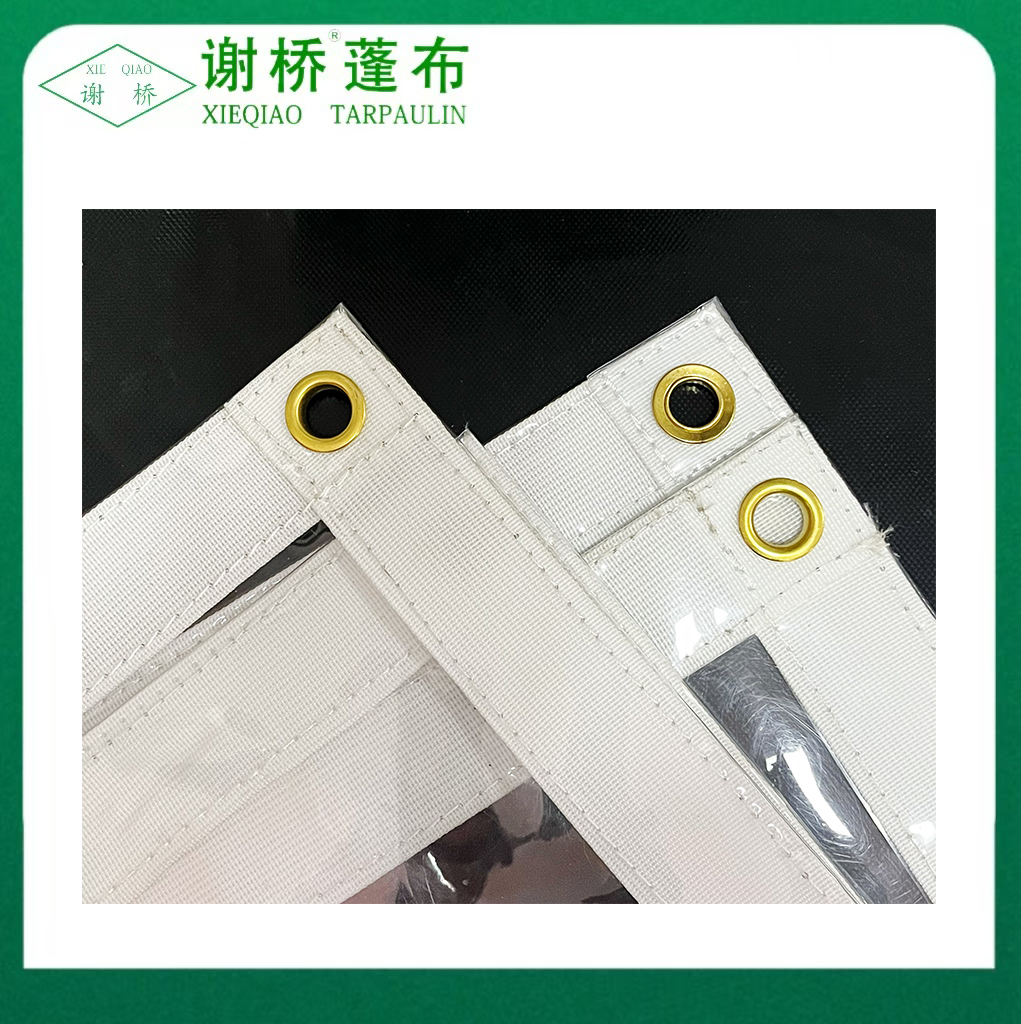 Clear Vinyl Waterproof Tarpaulin for Transparent Weatherproof EnclosuresA heavy-duty clear vinyl tarp with UV resistance and grommets, suited to transparent side curtains and protective screens that need a durable weather barrier.View Product →
Water-repellent, water-resistant, and waterproof are often used loosely. Water-repellent means water beads and rolls off, but pressure or long contact can push moisture through. Water-resistant means the material slows penetration and handles light rain or splashes, but not standing water. Waterproof means the material is designed to prevent liquid water from passing through under stated conditions.
A tarp can also be waterproof in one direction and vulnerable in another. A sheet may stop rain from above but let water wick through a stitched seam or pooled fold. That is why we look at the whole assembly—fabric, coating, seam, hardware, and installation—rather than only the base cloth. For a buyer-focused walkthrough, see our guide to what makes a tarpaulin truly waterproof.
A specification sheet can tell you more than a marketing label. Look for the base fabric, coating type, weight per square meter or ounce weight, hydrostatic head if available, UV treatment, cold-crack temperature, and fire performance. Weight alone does not guarantee waterproofing, but it often indicates coating thickness and durability. A heavier tarp is not automatically better for every job; a stiff heavy tarp can be difficult to install on a small cover.
Hydrostatic head measures water pressure resistance. A higher number generally means the material can resist more pressure before water passes through, but a good swatch result does not fix a poor seam. Ask how seams, hems, and grommets are finished, and request a sample for critical applications. For custom covers, share the shape, exposure, and handling method so the maker can choose a suitable coating and reinforcement plan.
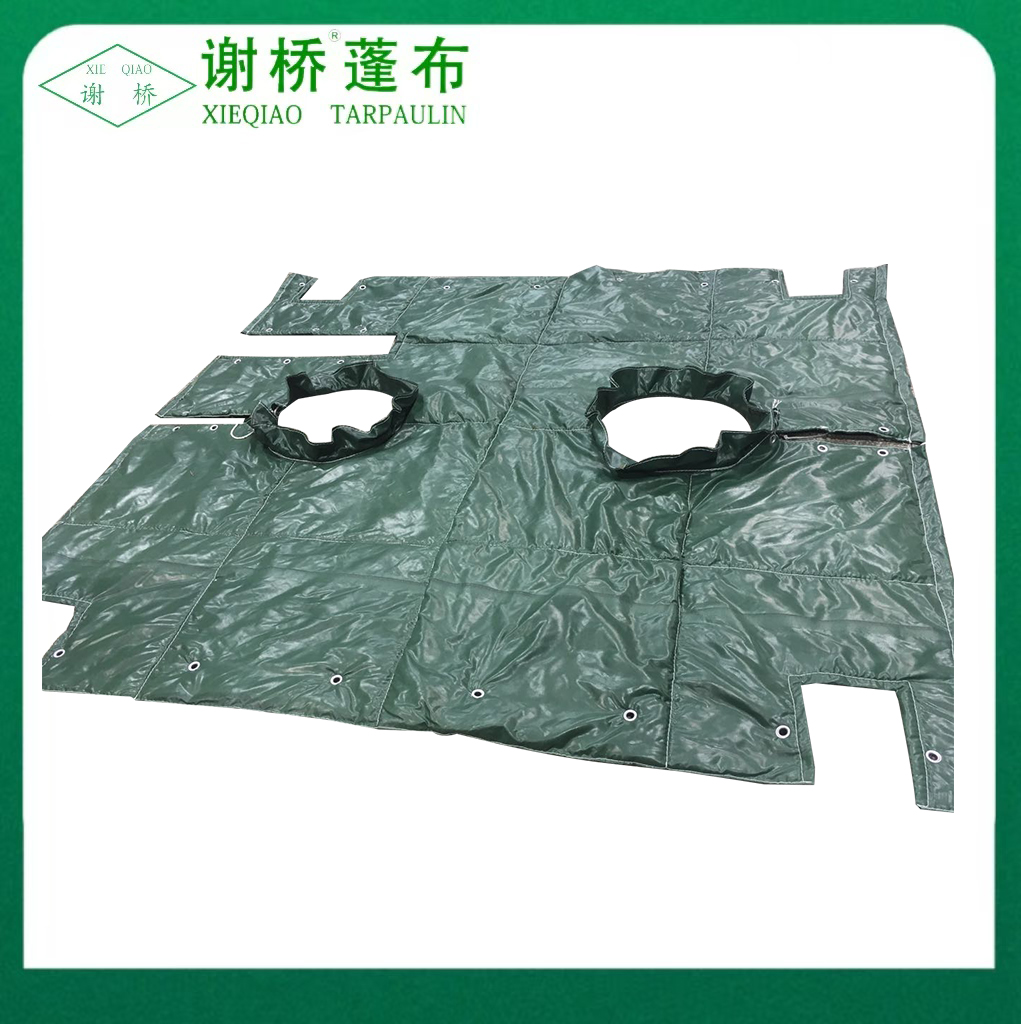
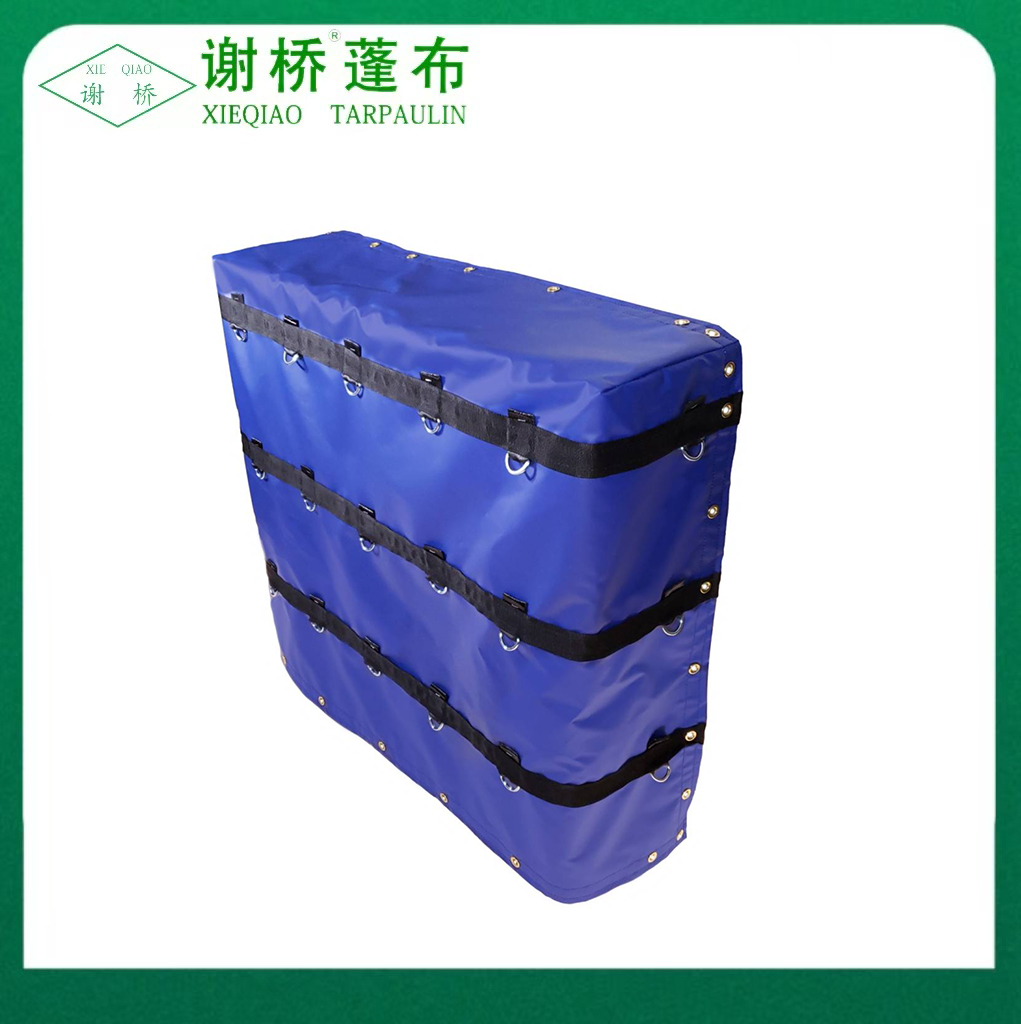
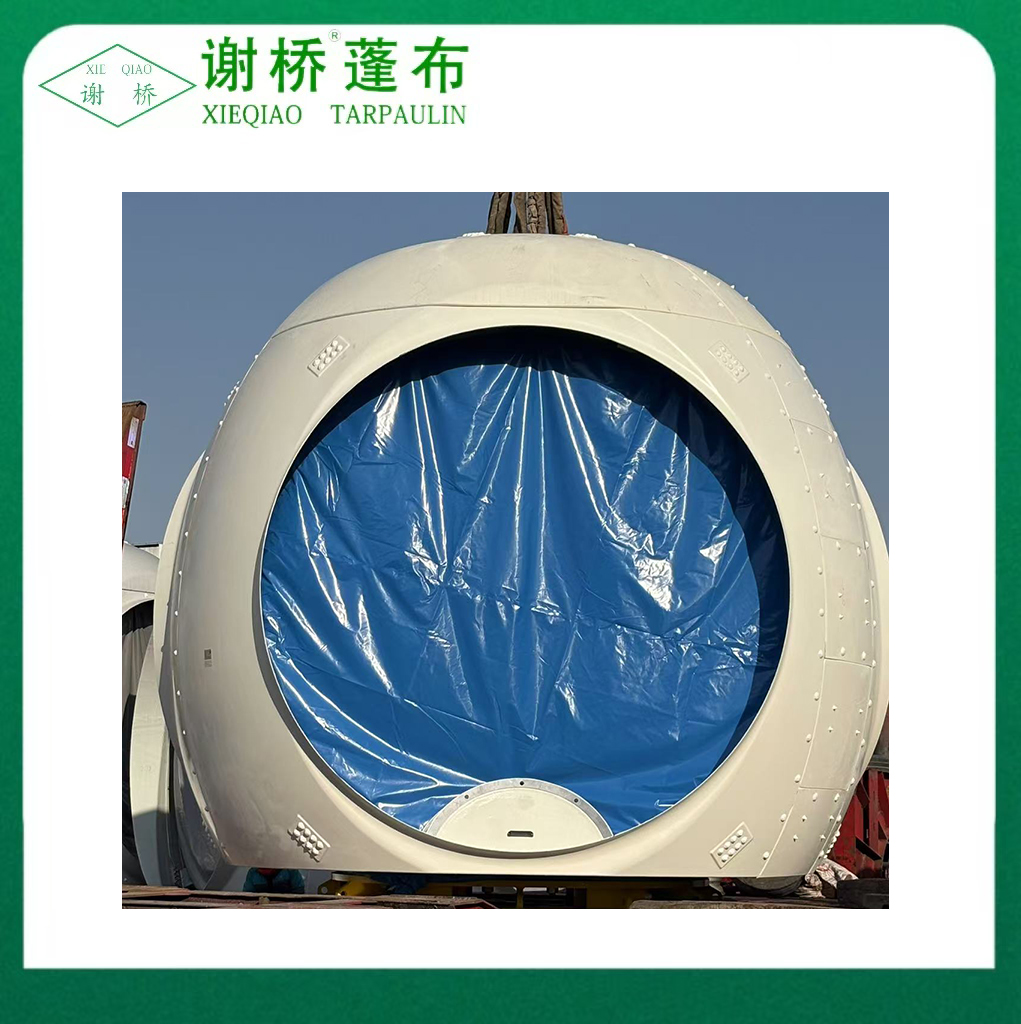 Custom-Shaped PVC-Coated Vinyl Protective Tarp CoverA custom-shaped PVC-coated vinyl cover with sealed waterproof construction, UV protection, and perimeter rope and buckle fixing for wind power equipment.View Product →
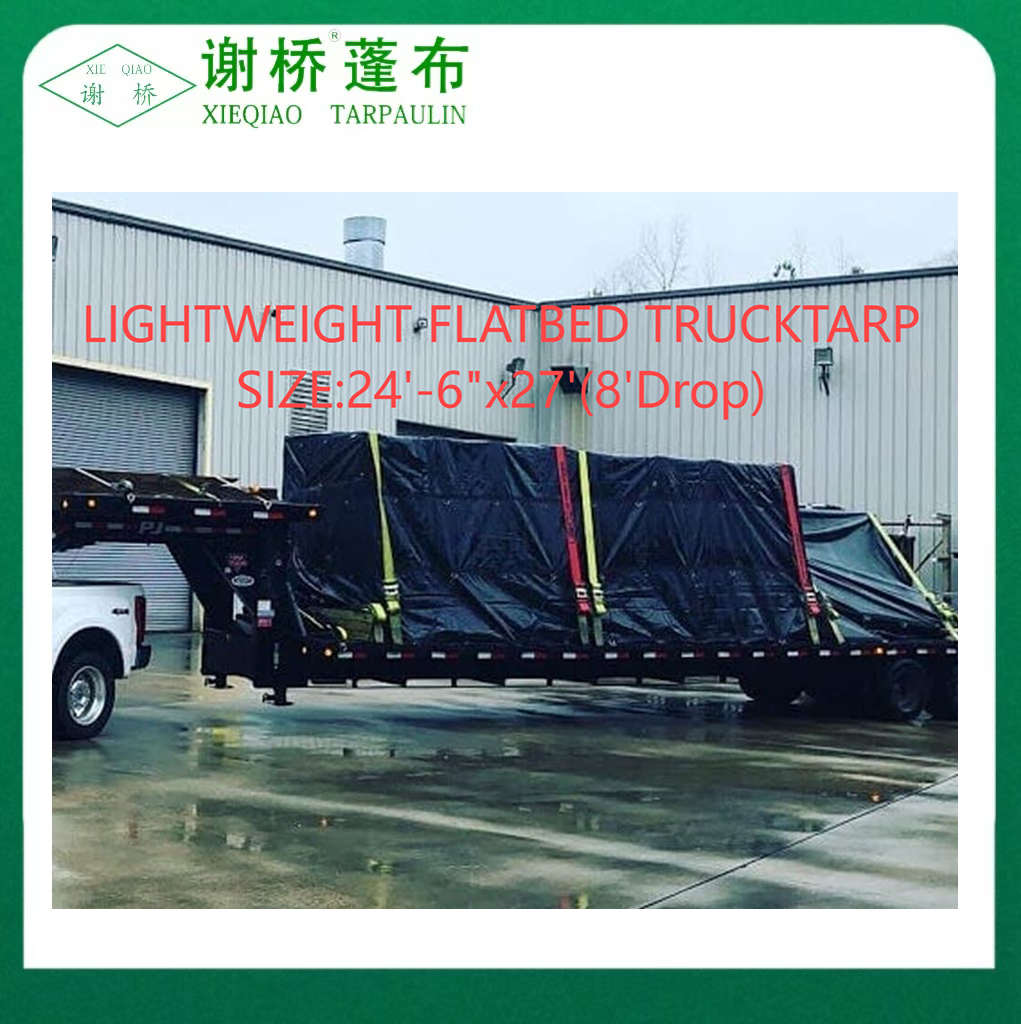
The same waterproof fabric can fail if it is the wrong format for the job. A flatbed truck tarp needs strong grommets, manageable weight, and enough size for proper tension. A construction cover needs tear resistance and reinforcement for wind. A grain cover needs to shed water without trapping condensation that damages the crop. An equipment cover needs a shape that lets water run off rather than pool.
For agricultural and industrial covers, a heavier PVC or vinyl tarp with reinforced hems is often practical. For temporary rain protection, a well-made PE or Oxford tarp can be lighter and easier to handle.
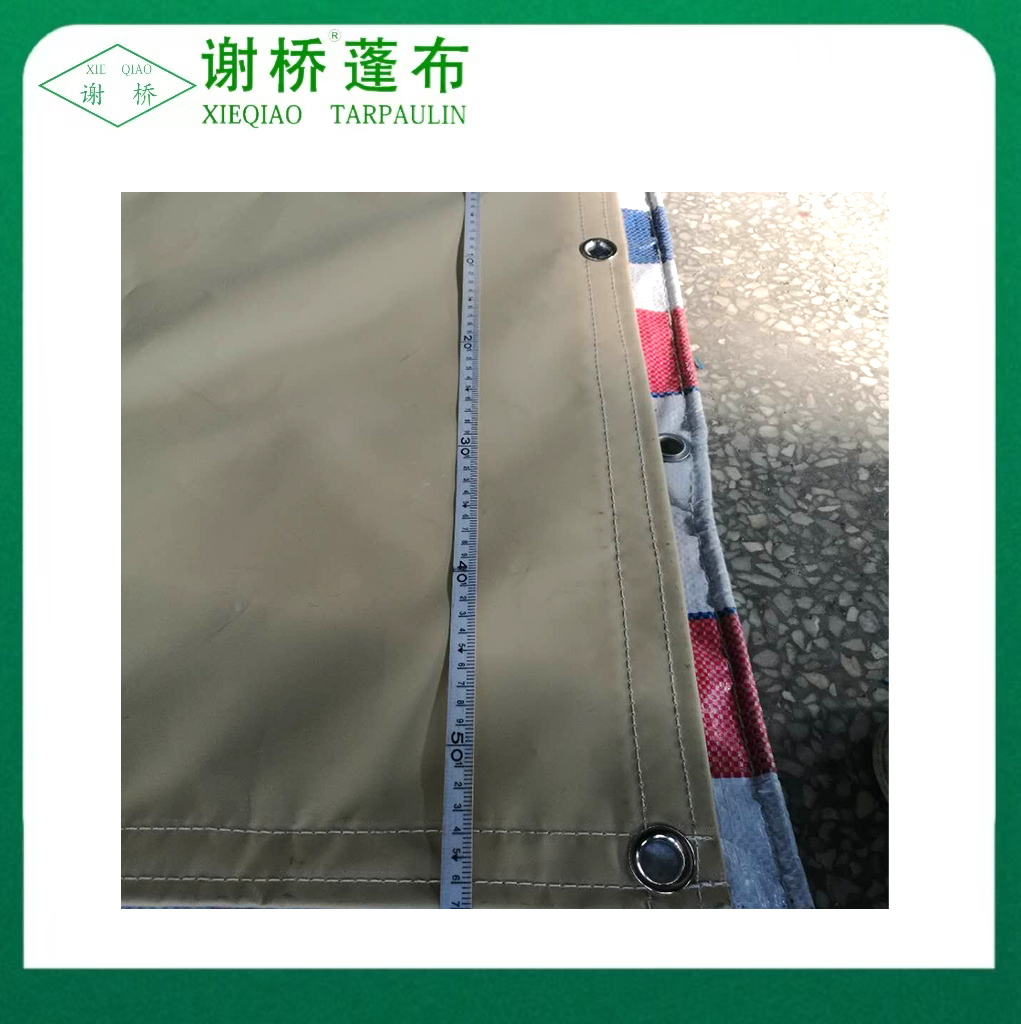 Yellow Heavy-Duty PVC Vinyl Waterproof Tarp 10×15A heavy-duty 18 oz PVC-coated polyester tarp with reinforced hems and stainless grommets, suited to outdoor equipment, transport, and agricultural covers.View Product →
A waterproof tarp stays waterproof longer when it is used with care. Keep sharp edges away from the fabric, avoid dragging it across concrete, and do not rely only on grommets when wind can catch the load. Allow water to run off; a sagging tarp can hold a puddle that eventually finds a seam. Clean with mild soap and water rather than harsh solvents unless the coating is known to tolerate them. Dry the tarp before long storage, and keep it away from heat and direct sun.
At Yangzhou City XieQiao Tarpaulin, we have been working with tarpaulins and canvas since 1999. Our range covers PVC tarpaulins, canvas, truck tarps, protective covers, trailer covers, container side curtains, roof covers, container tarps, and custom covers for transport, construction, industrial, agricultural, outdoor, and commercial use. Our team can develop products from drawings or samples, and our operation includes research, testing, manufacturing, and marketing.
We maintain a testing laboratory and state that our products are supported by international certificates—details that matter when a buyer needs consistency across shipments. If you are unsure whether a tarpaulin is waterproof enough for your application, tell us what you are covering, how long it will be exposed, and how it will be handled. That conversation is usually more useful than a single yes-or-no answer.
Recommended Products



 The Industrial Park of Wuqiao Town, Jiangdu District, Yangzhou City, Jiangsu Province, China.
 +86-15252561063
 +86-15252561063
 [email protected]