Specializing in all kinds of custom tarpaulins Custom Tarpaulin Product Manufacturers

 русский
 Français

News
 Home / News / Industry News / Light Deprivation Tarps: A Grower's Guide to Greenhouse Blackout Covers
 2026.11.17
 Industry News
Content
Light deprivation tarps are simple in concept and surprisingly fussy in practice. The idea is straightforward: pull a heavy, opaque cover over a greenhouse or hoop house to shorten the day, trigger flowering, and keep a crop on schedule. In the field, though, the cover is only one part of the system. The edges, tracks, ventilation, wind protection, and daily habits matter just as much as the fabric itself.
We have spent years working with growers, fabricators, and greenhouse teams on covers that have to be opened and closed far more often than most tarpaulins. That experience has taught us a useful lesson: a light deprivation tarp should be judged by how it performs on the hundredth pull, not just the first one.
A light deprivation tarp is a blackout cover used to control the photoperiod of light-sensitive crops. Many growers shorten summer daylight to imitate the shorter days of autumn, which encourages flowering in photoperiod-sensitive plants. The cover must block essentially all light, not merely reduce it. That distinction matters because a shade cloth and a light dep tarp are not interchangeable.
Shade cloth is designed to reduce intensity while allowing air and some light through. A proper light deprivation tarp is designed to create darkness. Even small light leaks around seams, doors, vents, or ground edges can interrupt the dark period and undermine the schedule. The goal is not a dim greenhouse. The goal is a reliable night, on time, every time.
That is why growers often treat the tarp as part of a system rather than a standalone product. Pull ropes, tracks, weighted edges, and automated rollers all affect how well the cover seals. A premium fabric on a sloppy frame will still leak. A modest fabric on a well-built frame can perform beautifully.
Not every black tarpaulin is a blackout tarpaulin. Color alone tells you very little. The construction, coating, weight, and finishing details determine whether the cover can do the job day after day.
Look for a fabric built with an opaque black layer and, ideally, a reflective white outer surface. The white side helps reflect heat and sunlight, while the black side absorbs stray light and reduces reflection inside the structure. Ask for a sample and hold it up to bright sun. If you can see a glow through the weave, it is not a light dep cover.
Light deprivation covers are pulled, folded, dragged, and tensioned repeatedly. Reinforced hems, strong webbing, and well-set grommets or eyelets matter. So does weight. A heavier PVC-coated fabric may resist wind and tearing better, but it also demands stronger tracks and more careful handling. The right balance depends on your structure and how often the cover moves.
UV exposure, rain, wind, and cold all take a toll. A cover that becomes stiff in low temperatures is difficult to roll and more likely to crack at a fold. UV-stabilized coatings help slow degradation, but no cover lasts forever. In sunny, windy sites, inspect seams and edges regularly rather than waiting for a failure.
A blackout cover traps humidity and heat. That is not a reason to choose a breathable cover, because breathability works against blackout performance. It is a reason to plan ventilation before the cover goes on and after it comes off. Avoid closing a tarp over wet foliage, and allow air to move once the dark period ends. In hot climates, a white outer surface and good airflow around the structure make the system easier to manage.
The best material depends on your climate, frame, budget, and how much handling the cover will see. The table below compares common approaches without pretending there is one universal answer.
| Material | Light blocking | Best suited to | Watch-outs |
|---|---|---|---|
| Reinforced polyethylene black/white tarp | High when fully opaque | Seasonal hoop houses and cost-conscious builds | Check seam strength and UV life; lighter grades can flap in wind |
| PVC-coated polyester or vinyl fabric | Very high | Frequent daily use and larger greenhouse systems | Heavier; edges and folds need care; condensation still requires ventilation |
| Woven canvas with blackout liner | High if the liner is intact | Custom covers and structures where a softer hand helps | Dries slowly; liner can be damaged by abrasion or poor storage |
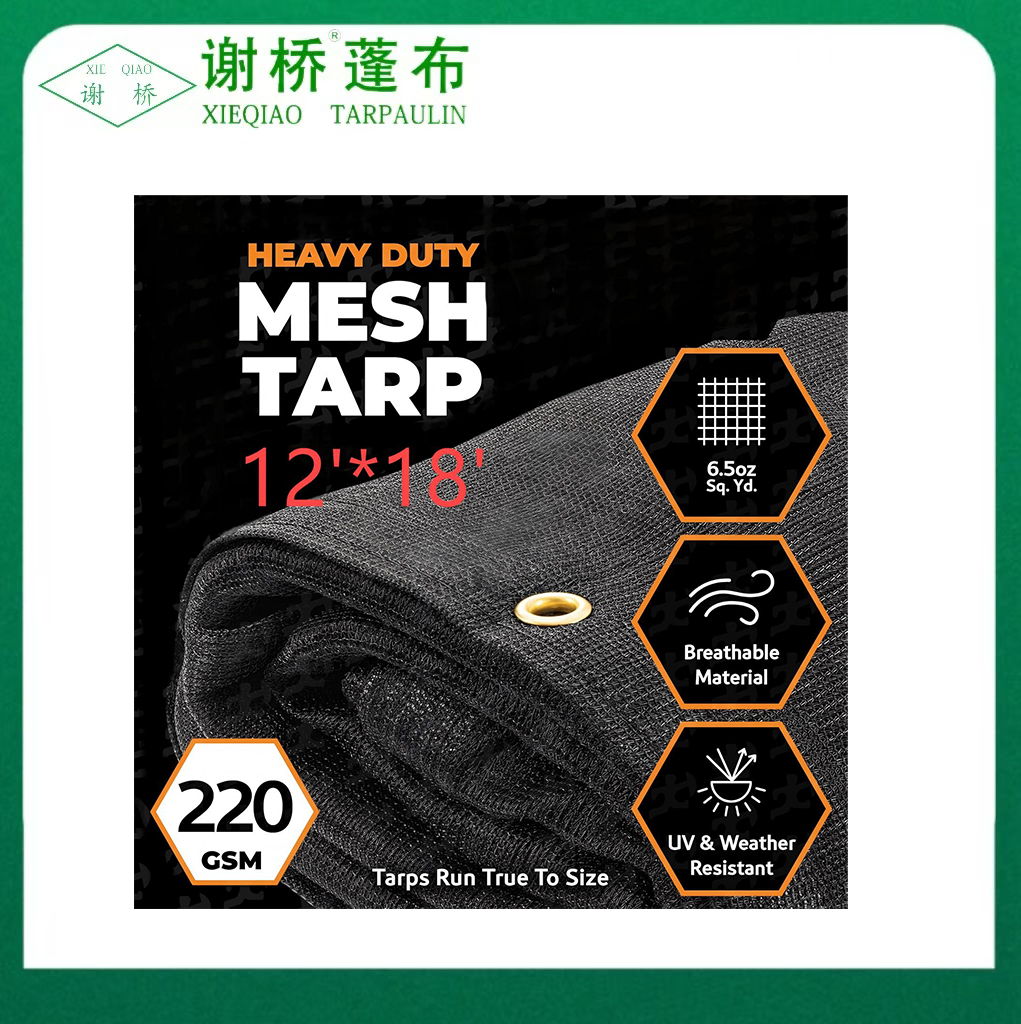
| Black mesh or shade cloth | Low | Shade and airflow only | Not a light deprivation cover; it allows too much light through |
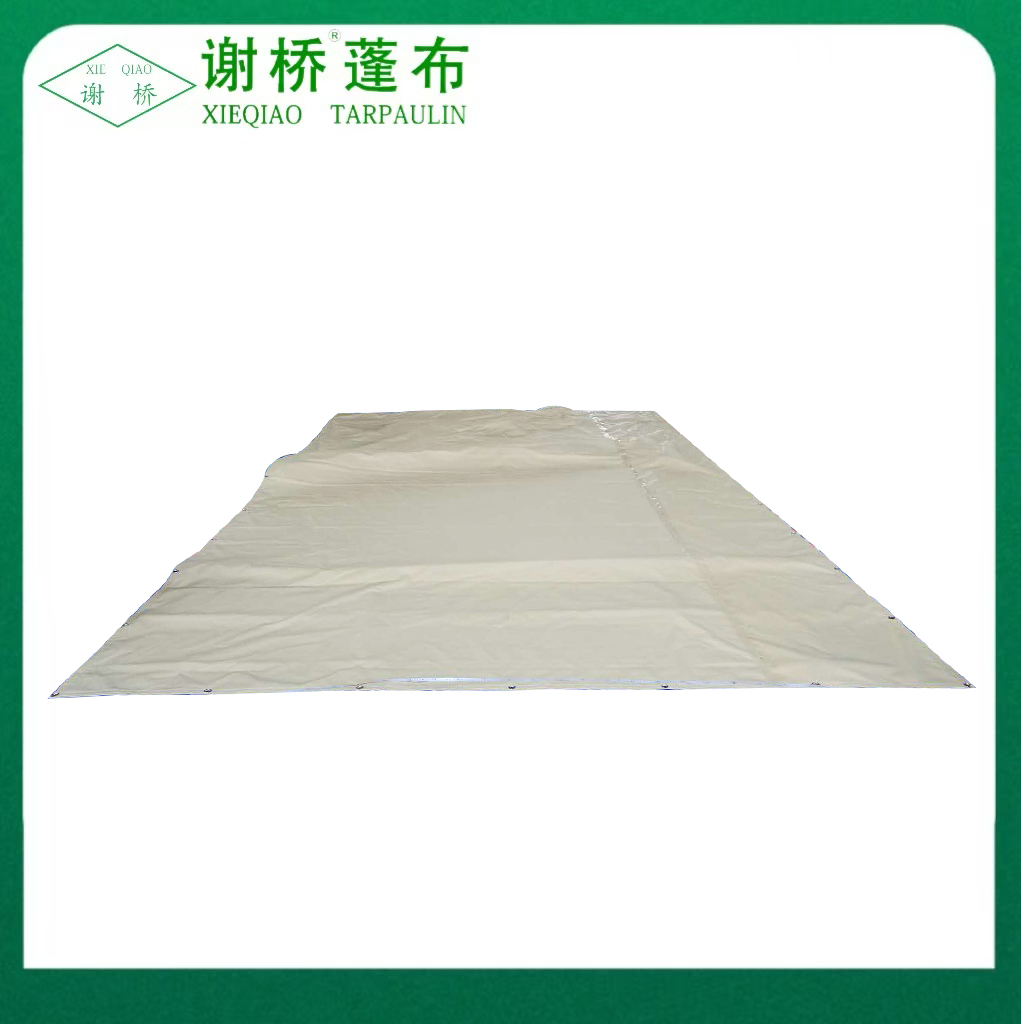
Measure the structure, then add enough overhang to cover the sides and seal the ground edge. A cover that is too tight will strain seams and tracks. A cover that is too loose will flap, collect water, and wear against the frame. On hoop houses, a smooth track and a clean pull path are worth more than a fancy fabric. Keep ropes, pulleys, and rollers aligned so the cover moves without dragging over sharp metal or rough wood.
For a broader look at fabric choices and waterproof performance, our guide to waterproof tarp materials and applications is a useful companion to this article. The key point is that blackout performance and weather resistance should be considered together, not as separate shopping decisions.
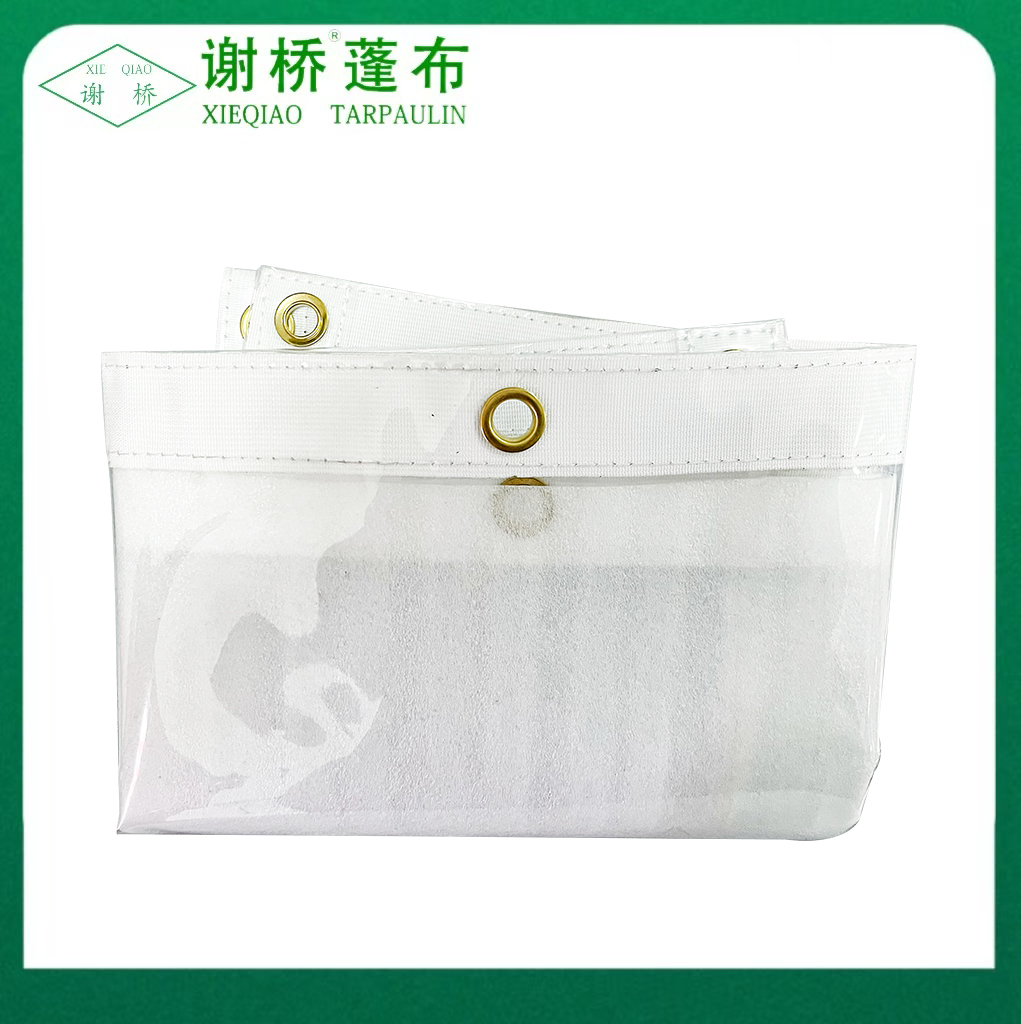
If your greenhouse has an unusual shape, a standard rectangular cover may leave gaps at the hips, doors, or end walls. A made-to-shape cover can reduce light leaks and make the daily pull cleaner.
 Custom-Shape Waterproof PVC Tarp CoverMade-to-shape PVC-coated vinyl cover for unusual greenhouse frames, helping close gaps at hips, doors, and end walls while providing waterproof protection.View Product →
Automated systems save labor, but they also need a manual override and a habit of inspection. Check the cover after strong wind, and look for abrasion where the fabric crosses the frame. Small repairs made early are far cheaper than a torn cover during a critical flowering window.
Good maintenance is unglamorous: sweep the track, inspect the edges, dry the cover before storage, and keep a repair kit nearby. Those habits add years to a tarp that would otherwise fail early.
Climate changes the decision. In cold regions, a cover that stays flexible below freezing is easier to handle and less likely to crack at a fold. A cold-crack-resistant PVC tarpaulin can be a practical choice where late-season pulls happen in frosty conditions. In hot, sunny areas, reflective outer surfaces and UV stabilization matter more. In windy sites, weight, anchoring, and edge reinforcement deserve extra attention.
Fire safety is a separate consideration. Some structures and local rules require documented flame-retardant materials, and a standard black cover may not meet that requirement. If flame resistance is part of your specification, ask for the relevant documentation rather than assuming that a heavy vinyl cover is automatically compliant.
 Fire-Resistant Vinyl Tarpaulin for All-Weather ProtectionCustom flame-retardant PVC-coated polyester tarp with grommets and UV/waterproof protection for demanding outdoor and industrial cover needs.View Product →
Before ordering, confirm the actual finished size, the expected pull direction, and the way the cover will be secured. Ask for a swatch if you can. A sample tells you more about stiffness, opacity, and surface finish than a specification sheet alone.
A light deprivation tarp is a long-term tool, not a consumable you want to replace every season. Choose for opacity first, then for handling, weather resistance, and a frame that lets the cover do its job without fighting it. When the system is right, the daily pull becomes routine, the dark period stays reliable, and the cover quietly does what it was bought to do.
Recommended Products



 The Industrial Park of Wuqiao Town, Jiangdu District, Yangzhou City, Jiangsu Province, China.
 +86-15252561063
 +86-15252561063
 [email protected]