Specializing in all kinds of custom tarpaulins Custom Tarpaulin Product Manufacturers

 русский
 Français
News
 Home / News / Industry News / Poly Tarps vs. Vinyl Tarps: Which Heavy-Duty Tarp Cover Should You Buy?
  2026.09.29
 Industry News
Content
You need a cover for an exposed load, a piece of equipment, or a leaking roof section. The same pair of options keeps coming up in every search: poly tarp or vinyl tarp. Both are waterproof. Both are sold in heavy-duty versions. Both claim to handle outdoor conditions. Yet the two materials behave very differently once they are strapped down on a flatbed, stretched across a scaffold, or left in the sun for a year. Here is the short version. Poly tarps are lightweight, inexpensive, and perfectly adequate for temporary jobs. Vinyl tarps cost more, weigh more, and outlast poly by several times in demanding outdoor and transport applications. For anything that must keep performing through sun, wind, cold, and road vibration, vinyl is the better investment.
Poly tarps are woven from polyethylene monofilament. A grid of thin plastic strands is woven into a fabric, then laminated or coated with a polyethylene film on one or both faces. The woven layer carries the load; the film keeps out water. This construction is cheap to produce, easy to fold, and light enough to toss into a truck bed. It is also the reason poly tarps have a limited relationship with ultraviolet light. The film degrades after long sun exposure, and the weave loses flexibility as it ages.
Vinyl tarps, often called PVC tarps, start with a polyester scrim. That scrim is coated on both sides with a thick layer of polyvinyl chloride. The coating soaks into the weave instead of sitting on top of it, so the fabric and the coating act as one structure. That makes vinyl tarps denser, heavier, and far more resistant to abrasion, chemicals, UV damage, and temperature swings. It also allows seams to be heat-welded, creating a joint that stays watertight for years. If you are comparing additional materials, our waterproof tarp material guide covers canvas, mesh, and other fabric options in more detail.
In equivalent outdoor conditions, a vinyl tarp typically lasts three to five times longer than a poly tarp. A standard poly tarp left in direct sunlight begins to degrade within 12 to 24 months. The lamination peels, the weave becomes brittle, and cracks appear along folded lines. A UV-stabilized vinyl tarp stays pliable and watertight for five years or more in the same environment. On a vehicle, building, or machine that needs continuous coverage, that gap in service life changes the purchase economics completely.
| Attribute | Poly Tarp | Vinyl Tarp |
|---|---|---|
| Base material | Woven polyethylene with laminated film | Polyester scrim coated with PVC |
| Typical outdoor lifespan | 1 to 2 years | 3 to 5+ years |
| Abrasion resistance | Moderate | High |
| UV resistance | Limited | High with UV-stabilized coating |
| Tear strength | Good for its weight | Excellent |
| Cold-weather flexibility | Fair in deep cold | Rated to -30°C to -40°C in cold-resistant grades |
| Weight for a 20x20 ft cover | Roughly 10 to 15 lb | Roughly 25 to 40 lb |
| Typical purchase price | Low | Moderate to high |
These figures describe well-made examples of each type. There are low-end vinyl tarps and premium poly tarps, so individual products vary, but the general pattern holds across the market.
Poly is the obvious winner in day-to-day handling. A 20x20 ft poly tarp can usually be lifted and folded by one person, while the same size vinyl tarp often takes two. If you are covering a hay pile, a lumber stack, or a parked trailer for a few weeks and will remove and refit the cover repeatedly, poly makes the work easier. It is also easier to cut, grommet, and patch on site.
Vinyl's extra weight is a disadvantage during installation, but it pays off once the tarp is in position. The heavier sheet drapes tightly over uneven loads, flutters less in wind, and sheds snow and standing water more cleanly. For covers that stay mounted for months, such as trailer side curtains and equipment enclosures, that stability is exactly what prevents failure. A flapping poly tarp wears through at strap and grommet points; a vinyl tarp holds still.
Poly tarps cost a fraction of comparable vinyl tarps. If you need something that survives one rainy season and may never be seen again, poly is the rational choice. Emergency roof patches, single-harvest grain covers, and short-term construction site covers are classic poly jobs. The low upfront price is the entire point.
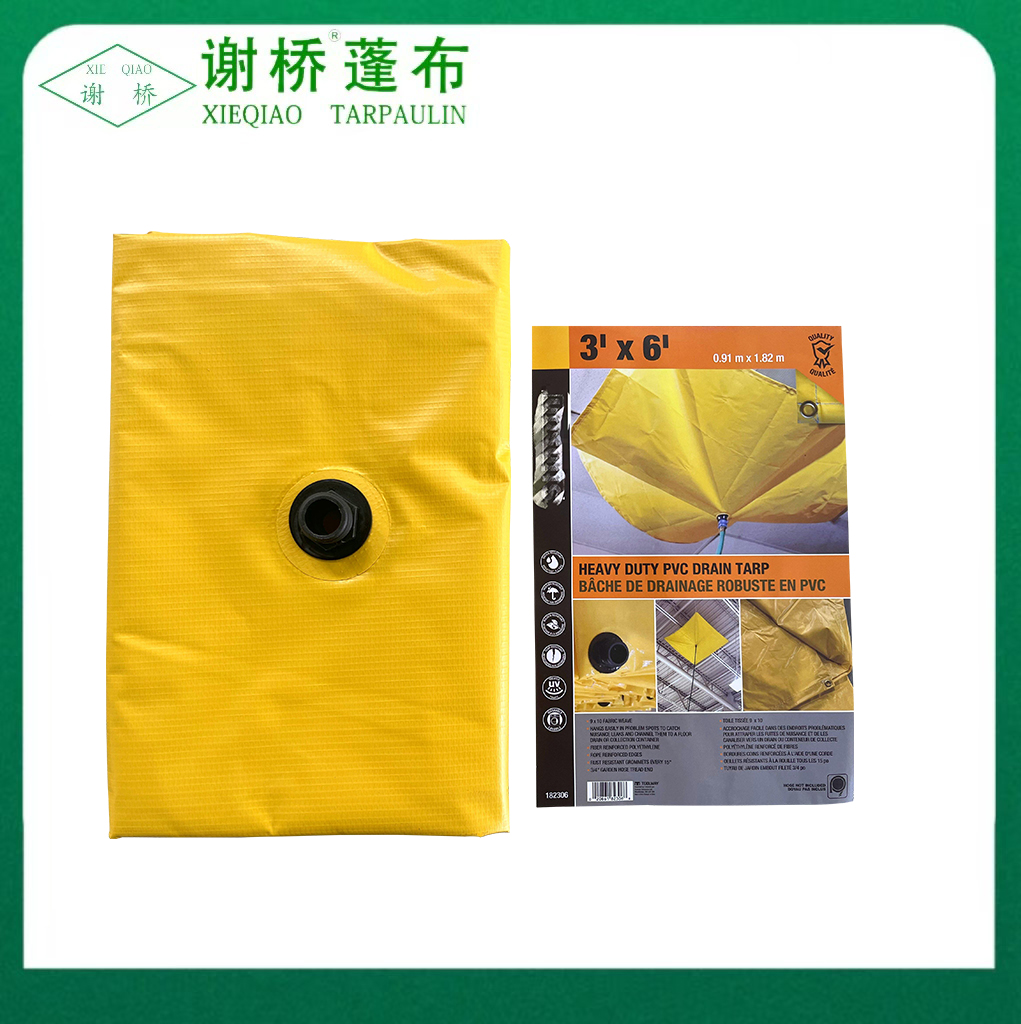
The math flips when the tarp becomes a recurring asset. Take a fleet of five trucks that each need a cover twice a week. A poly tarp that lasts 12 months means four replacements in the time one vinyl tarp lasts five years, plus the labor to install every one of those replacements. Over a five-year operating budget, vinyl is usually cheaper. If you want a concrete example of what the higher cost buys, a 20x20 yellow vinyl waterproof tarp shows the laminated-and-coated construction, welded hems, and UV-stabilized vinyl that make the lifespan gap possible.
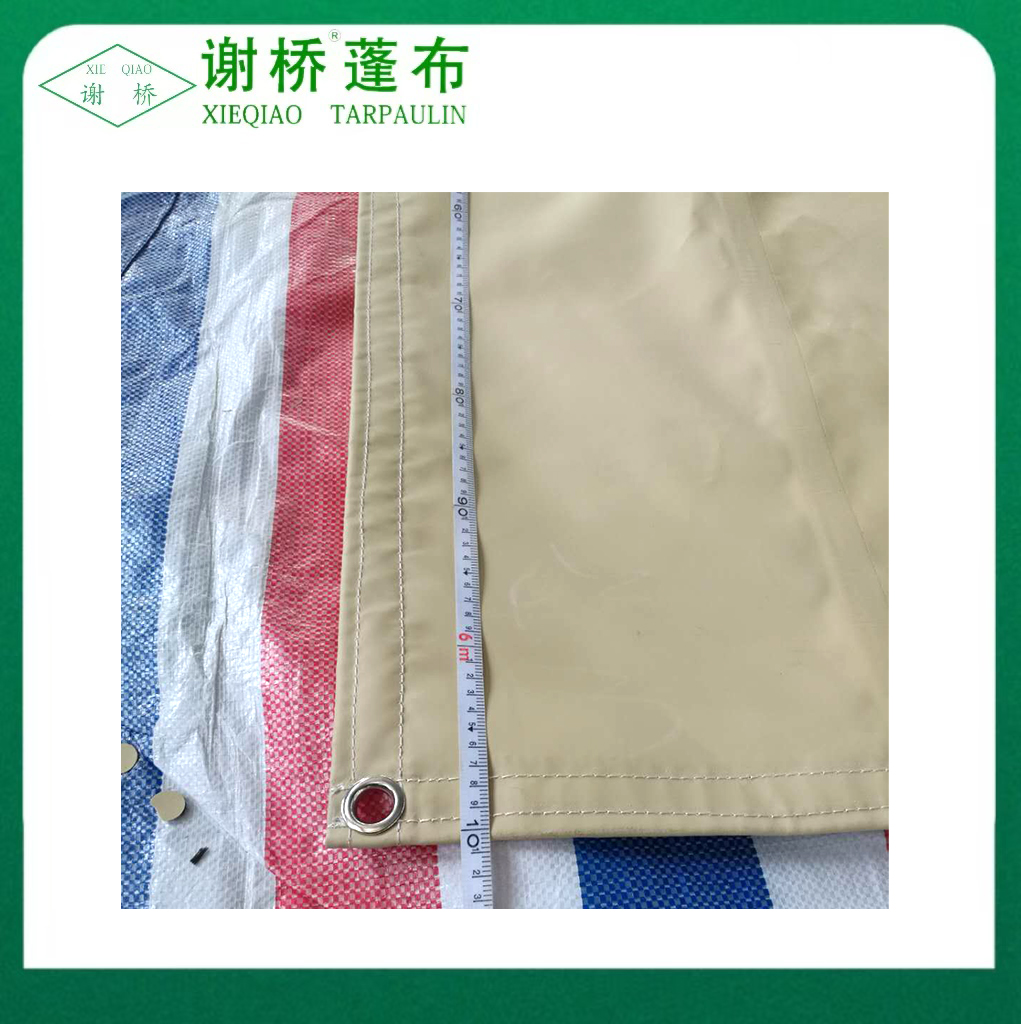 Yellow 18OZ Heavy Duty Vinyl Waterproof Tarpaulin 20"×20" Suppliers, Factory - YXieQiao Tarpaulin - Yellow 18OZ Heavy Duty Vinyl Waterproof Tarpaulin 20'×20' Suppliers and Factory in China, Wholesale Yellow 18OZ Heavy...View Product →
Choose poly when the job is temporary, the budget is tight, and the conditions are not extreme. Typical uses include:
Poly tarps are cheap to replace, and if one gives out after two seasons, the financial loss is small. They are not suited to years of sun exposure, repeated folding in deep cold, or applications where a single puncture ends the cover's usefulness.
Vinyl is the right material when the cover has to work continuously and survive real abuse. The most common situations are:
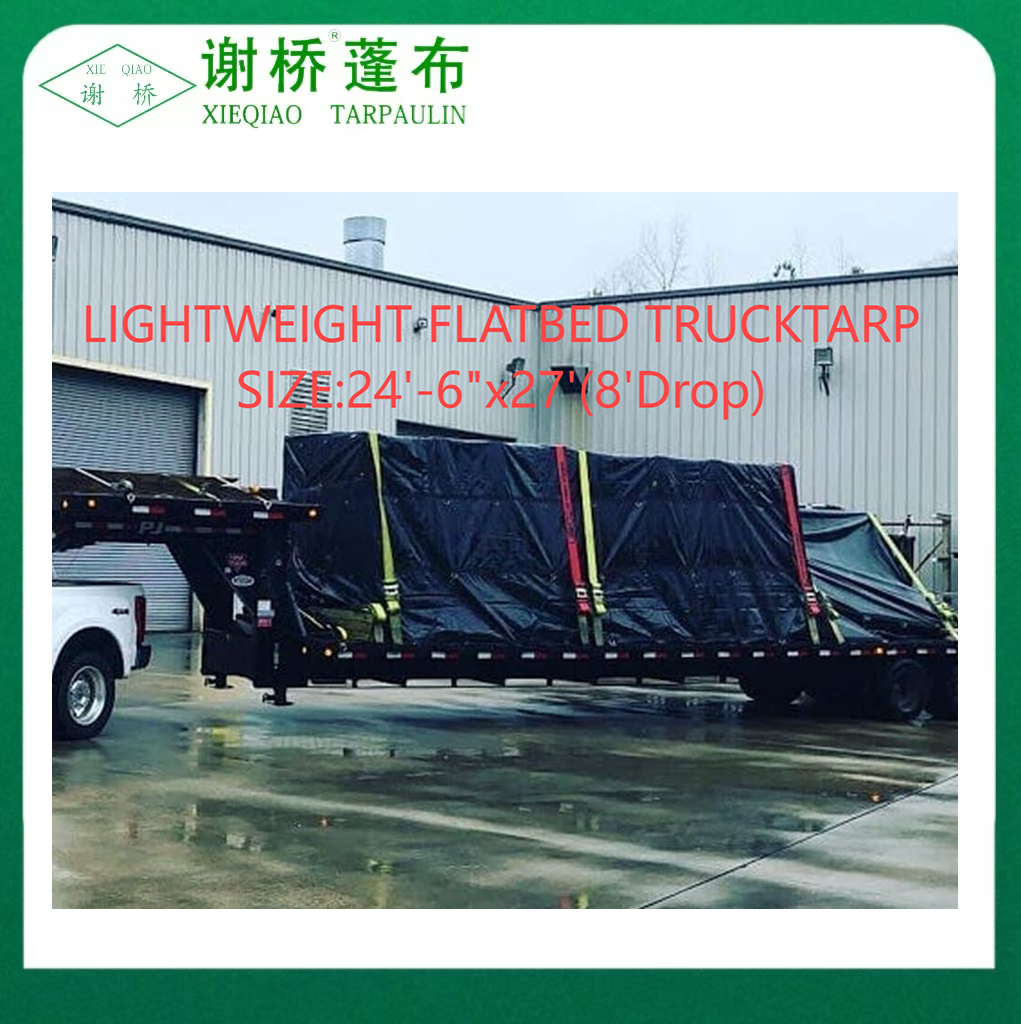
For daily trucking work, the material must sit still under wind, resist chafing from straps, and survive repeated rolling and unrolling. That is why an 18 oz flatbed truck tarp with reinforced hems is the standard answer among fleet operators.
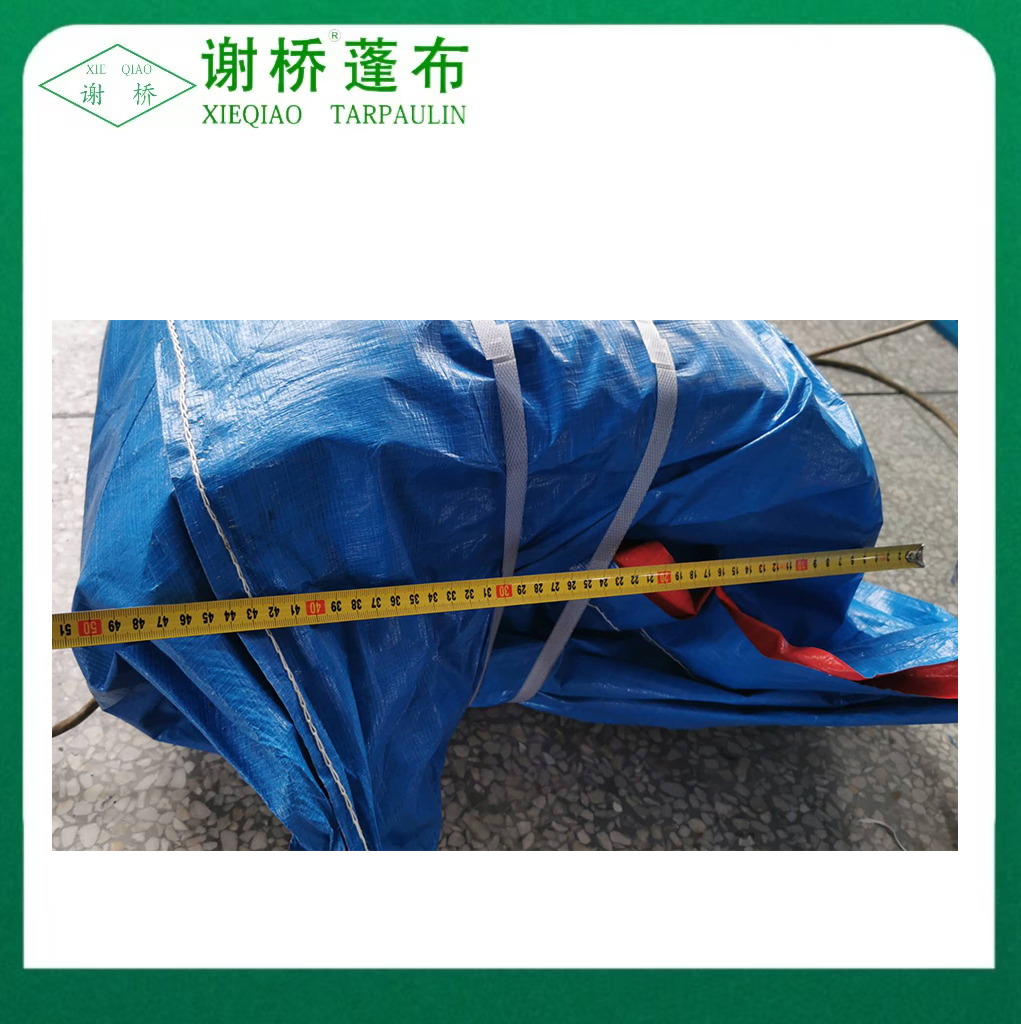 Black Vinyl PVC Coated Polyester Flatbed Truck Tarp 20"x27"(8"DROP) Suppliers, XieQiao Tarpaulin - Black Vinyl PVC Coated Polyester Flatbed Truck Tarp 20'x27'(8'DROP) Suppliers and Factory in China, Wholesale Black ...View Product →
The same logic applies to stationary assets. Generators, pumps, and compressors that sit outdoors for years are better protected by heavy-duty 18 oz PVC vinyl equipment covers, which resist fuel splashes, UV light, and mechanical wear far longer than any poly sheet.
Vinyl also handles temperature extremes that defeat poly. Cold-resistant vinyl grades stay pliable at -30°C to -40°C, so they do not crack when pulled over a trailer in January wind. UV-stabilized PVC does not turn to powder after one summer of direct sun. If your loads cross mountain passes in winter or your site bakes in summer heat, vinyl is the dependable choice.
Before you place an order, whether it is five tarps or five hundred, verify the following points.
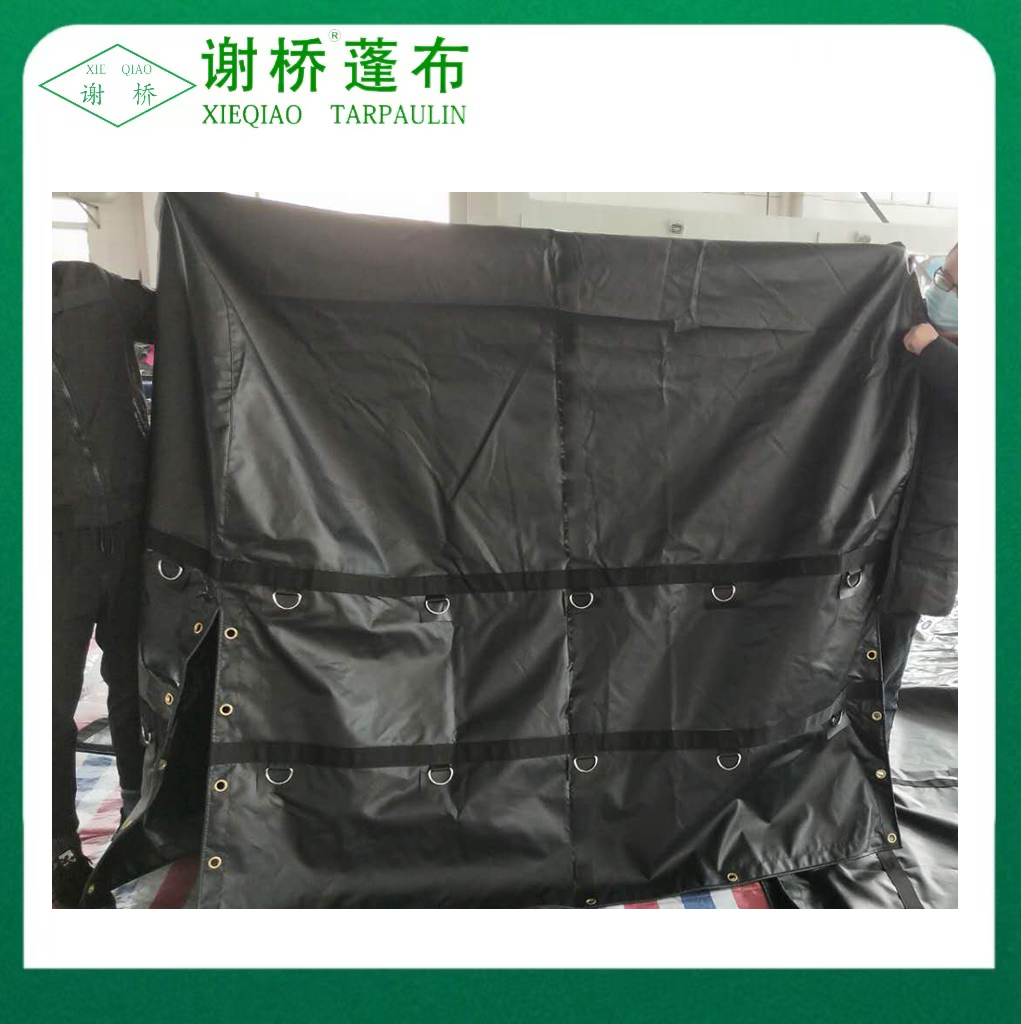
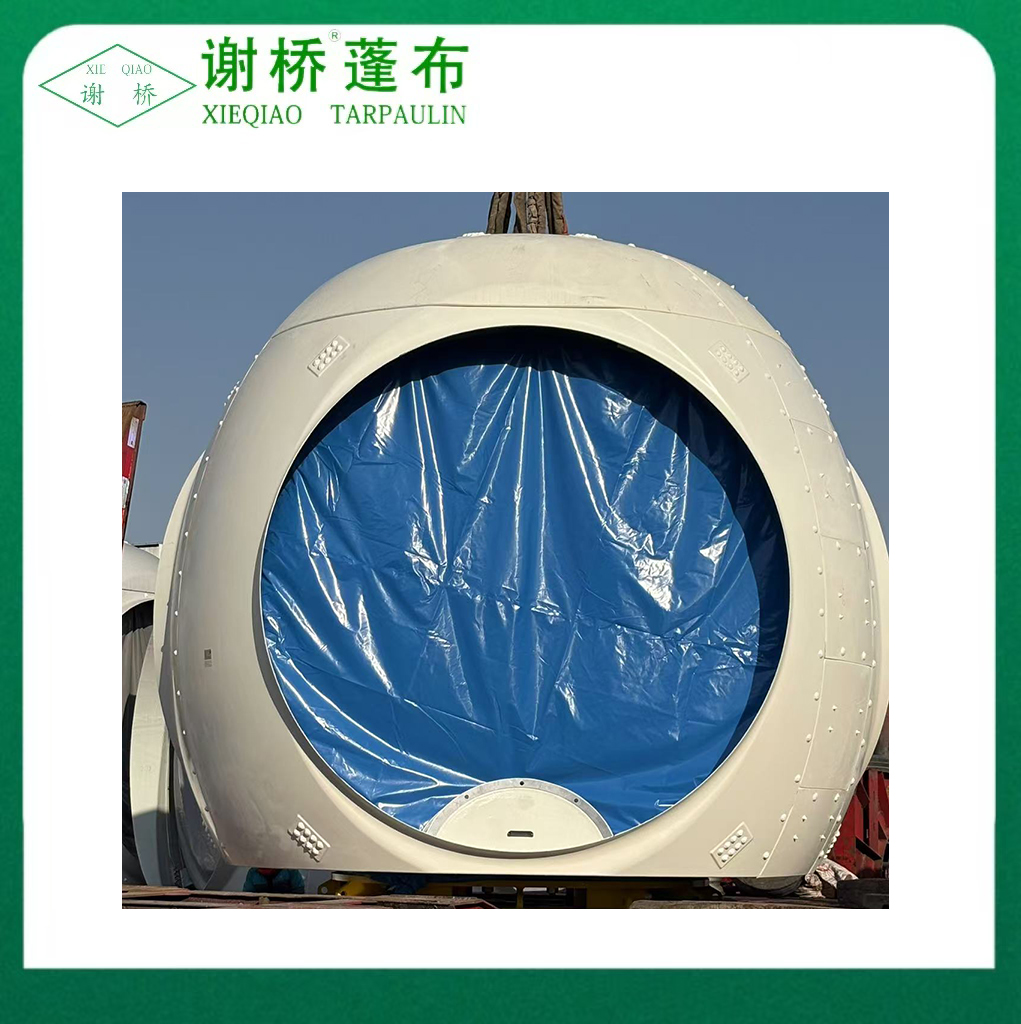 Waterproof Protection Custom Shape PVC Coated Vinyl Material Tarp cover SupplierXieQiao Tarpaulin - Waterproof Protection Custom Shape PVC Coated Vinyl Material Tarp cover Suppliers and Factory in China, Wholesale Wat...View Product → reduces waste and gives a far better fit than a generic rectangle.
So which one do you buy? If you need cheap, lightweight shelter for a limited period, buy poly. If you need a cover that will stay in service for years, get pulled tight, dragged across rough surfaces, or protect valuable cargo and equipment, buy vinyl. When the application is not clearly one or the other, remember that the real cost of a failed tarp, including replacement material, labor, and the damage it lets through, usually exceeds the difference in purchase price. The cheapest tarp is only cheap if it finishes the job.
Recommended Products



 The Industrial Park of Wuqiao Town, Jiangdu District, Yangzhou City, Jiangsu Province, China.
  +86-15252561063
  +86-15252561063
  [email protected]