Specializing in all kinds of custom tarpaulins Custom Tarpaulin Product Manufacturers

 русский
 Français
News
 Home / News / Industry News / What Makes a PVC Waterproof Cover the Right Protection Solution for Your Needs?
  2026.05.21
 Industry News
Content
A PVC waterproof cover is a protective sheet or enclosure made from polyvinyl chloride — one of the most widely used synthetic polymers in the world — that is engineered specifically to repel water, resist environmental degradation, and shield whatever lies beneath it from moisture damage. PVC in its raw form is a rigid thermoplastic, but when plasticizers such as phthalates or adipates are added during manufacturing, it becomes flexible and pliable enough to be formed into sheets, rolls, and custom-shaped covers. The resulting material combines the chemical inertness of a plastic with the flexibility of a fabric, making it uniquely suited to waterproofing applications across dozens of industries.
The waterproofing mechanism of PVC is fundamentally different from that of coated fabrics or treated textiles. Rather than relying on a surface coating that can wear away over time, PVC is inherently impermeable throughout its entire thickness. Water molecules cannot penetrate the polymer matrix under normal pressure conditions. When manufactured with heat-welded seams rather than stitched joints, a PVC waterproof cover becomes a fully continuous barrier with no entry points for moisture — a property that coated canvas or polyester covers with sewn seams simply cannot match regardless of the sealants applied to the thread lines.
The versatility of PVC as a waterproofing material has led to its adoption across an extraordinarily wide range of applications. Understanding where these covers are used most effectively helps buyers identify the specific type and specification they need rather than purchasing a generic product that may underperform in their environment.
Not all PVC waterproof covers are constructed the same way. The manufacturing method, base fabric, coating weight, and finishing treatments all determine the performance characteristics of the final product. Selecting the correct construction type for a given application prevents both overspending on unnecessary features and underperformance from an inadequate specification.
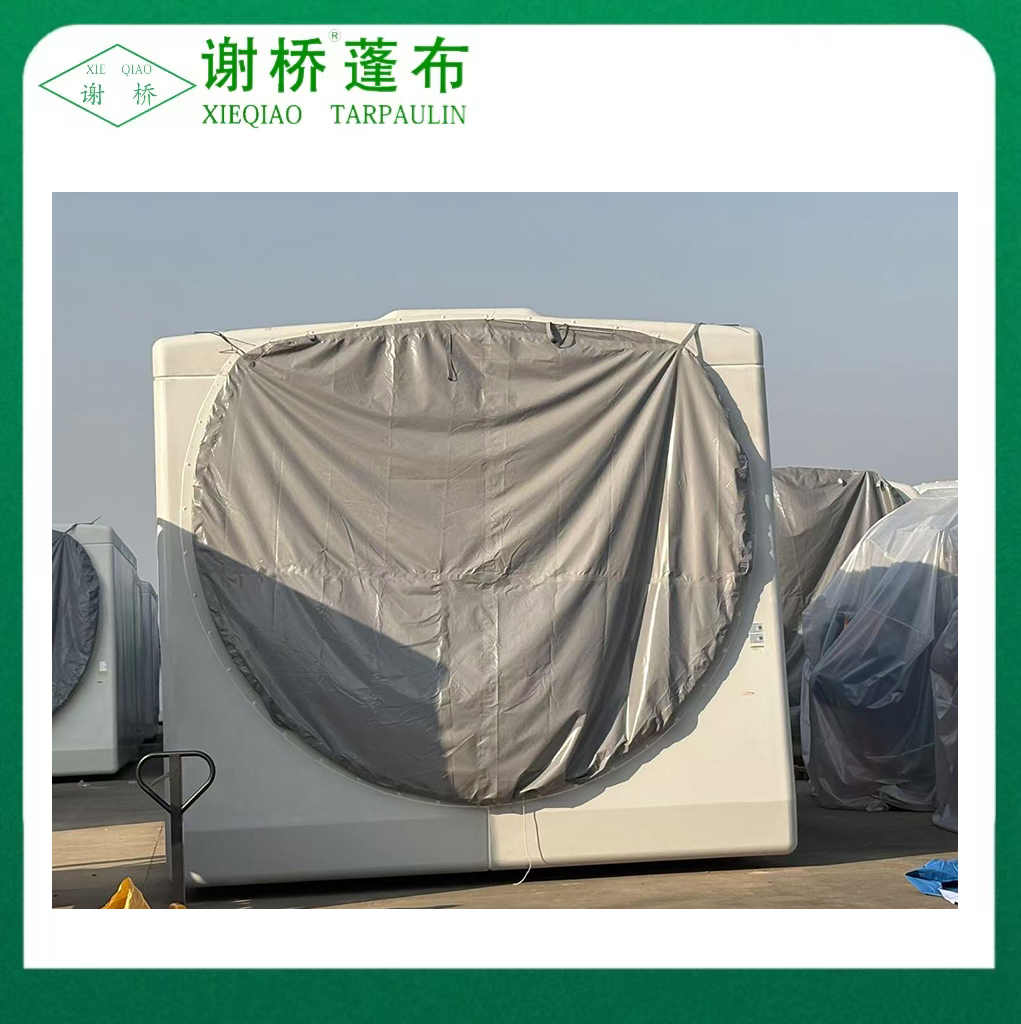
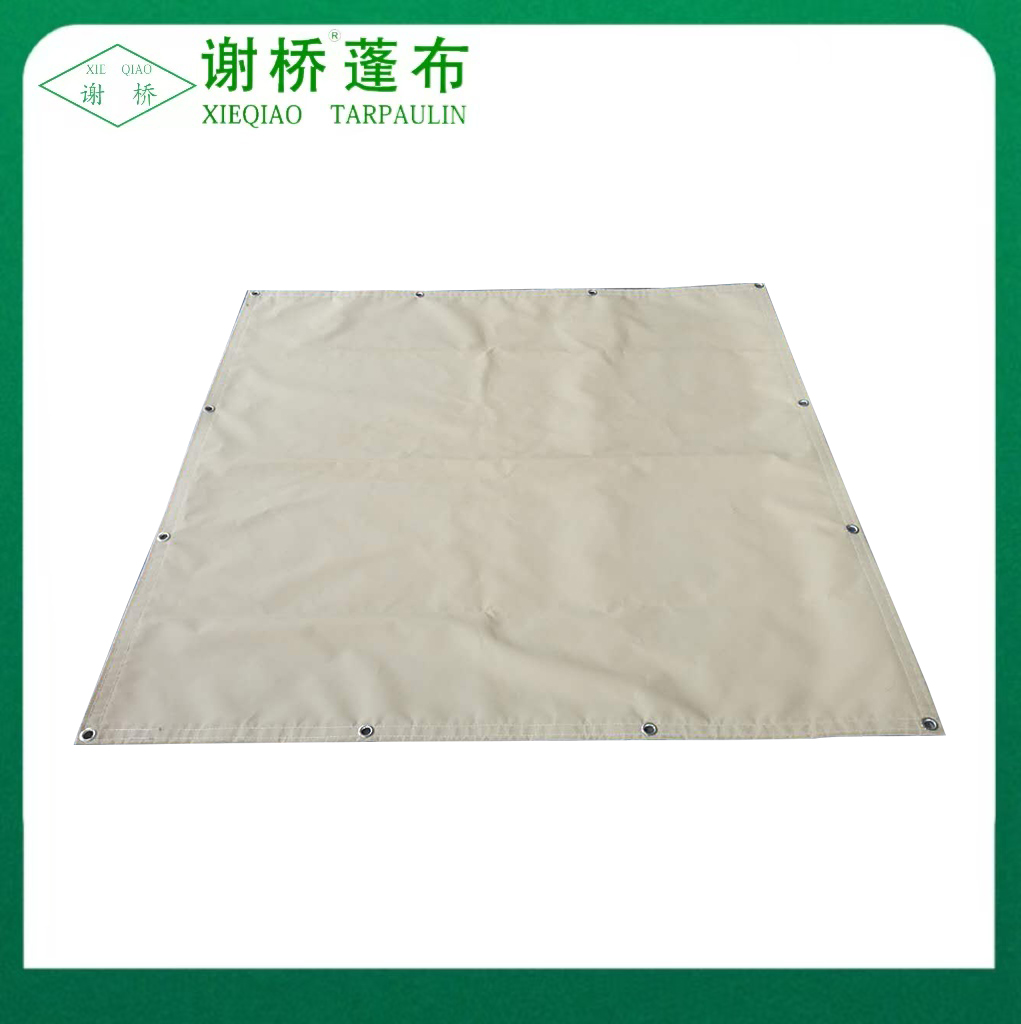
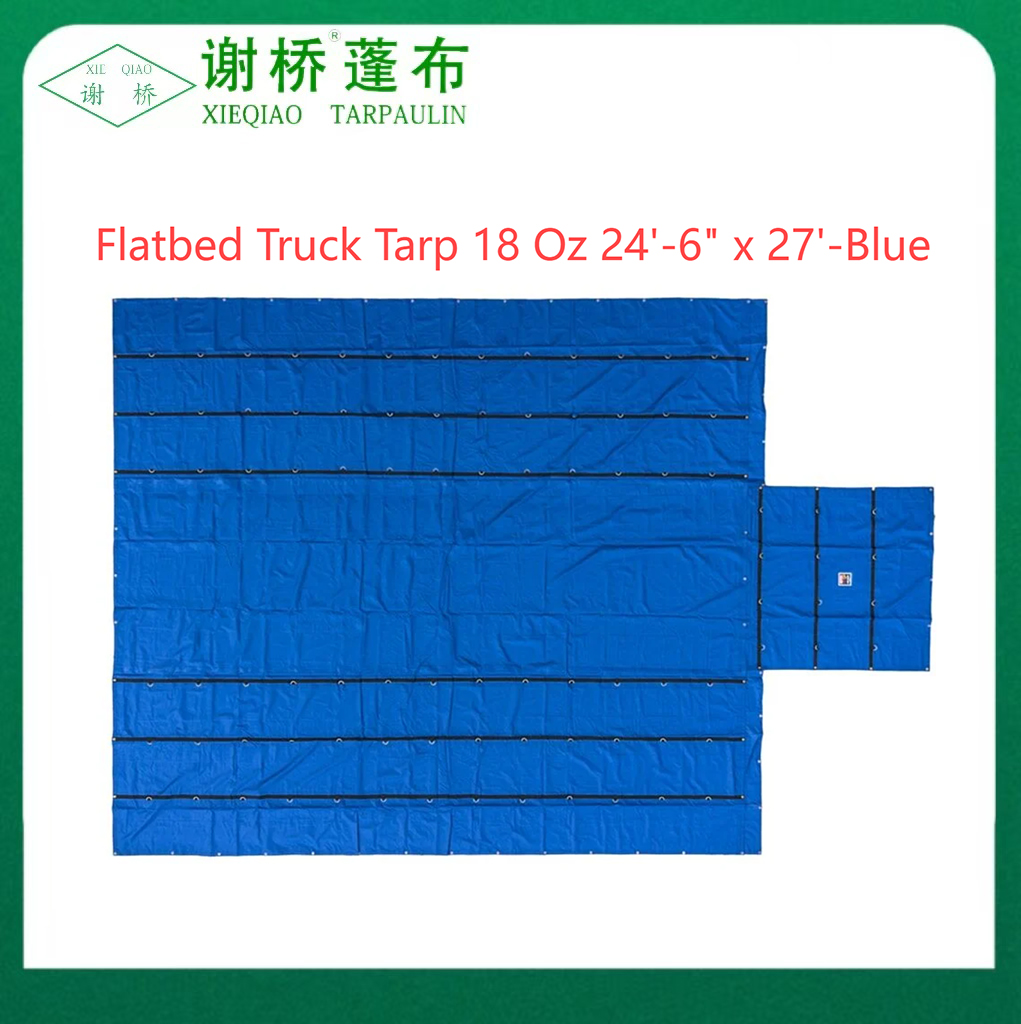
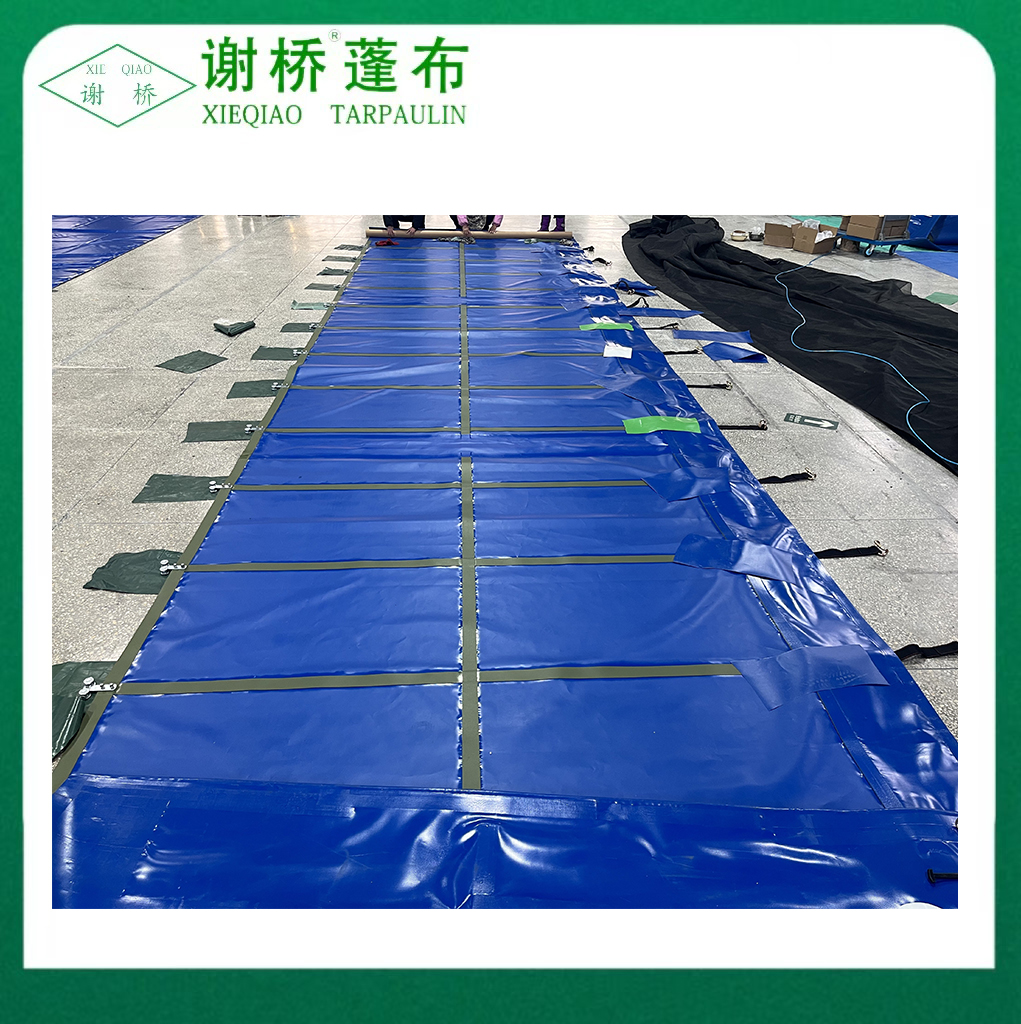
The most common type of PVC waterproof cover is manufactured by coating a woven polyester scrim with PVC compound on both sides under heat and pressure. The polyester grid provides tensile strength and tear resistance, while the PVC coating delivers waterproofing and UV protection. These covers are measured by their total weight in grams per square meter (GSM), with lightweight versions starting around 300 GSM for temporary or light-duty use and heavy-duty industrial grades reaching 900 GSM or more. The coating thickness on each side also varies — thicker coatings improve puncture resistance and longevity but add weight.
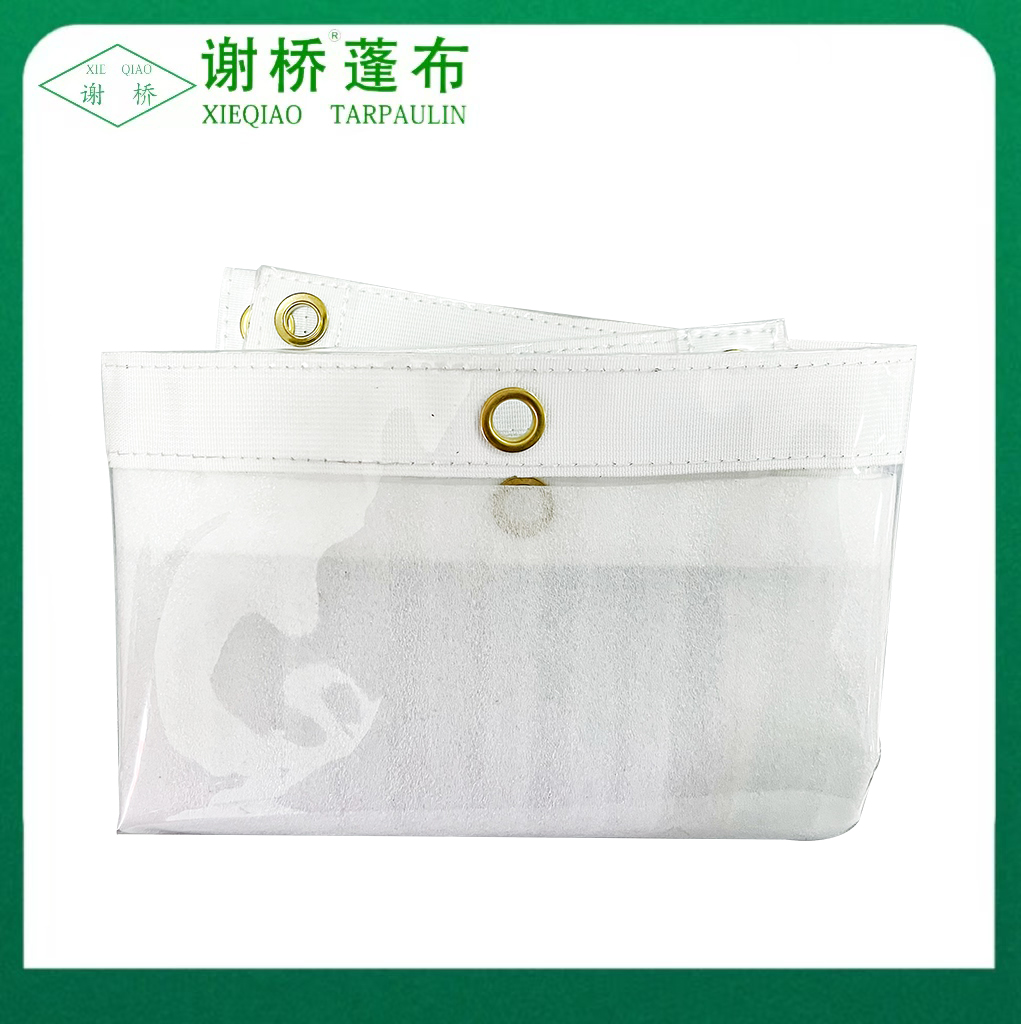
Solid PVC sheet covers contain no fabric reinforcement and are formed entirely from calendered or extruded PVC compound. These covers are completely homogeneous through their thickness, which makes them easier to heat-weld into complex custom shapes and completely impermeable even when punctured by sharp edges. They are widely used in pond lining, roofing membrane applications, chemical containment bunds, and custom equipment covers where a smooth, seamless surface with no fabric texture is required. The absence of a fabric carrier means solid PVC sheet is more susceptible to tearing under point loading than coated fabric, so it is typically used in applications where it lies flat rather than being subject to flapping or wind stress.
Laminated composites bond layers of PVC film to woven or non-woven substrates using adhesive or thermal lamination processes. These covers offer a higher strength-to-weight ratio than equivalent coated fabrics, with a smoother surface finish that resists dirt accumulation and is easier to clean. They are commonly used for furniture covers, vehicle covers, and premium outdoor storage covers where appearance as well as performance is important to the end user.
PVC waterproof cover specifications vary widely between manufacturers and product grades, and the terminology used in product listings can be misleading without context. The following table outlines the key technical parameters buyers should compare when evaluating products for demanding applications.
| Specification | What It Measures | Recommended Minimum |
| Weight (GSM) | Total mass per square meter; indicates overall robustness | 500 GSM for outdoor/industrial use |
| Tensile Strength | Force required to tear the fabric (N/5cm warp and weft) | 2000 N/5cm for heavy-duty covers |
| Tear Resistance | Resistance to propagation of an existing tear | 200 N minimum for transport covers |
| Hydrostatic Pressure | Water pressure the cover resists before leaking (mm H₂O) | 3000 mm H₂O for wet climates |
| UV Resistance | Retention of physical properties after UV exposure (hours) | 1000+ hours for permanent outdoor use |
| Temperature Range | Operating temperature without brittleness or deformation | −30°C to +70°C for year-round use |
Even a high-quality PVC waterproof cover will fail prematurely if used outside its design parameters or maintained poorly. Understanding the factors that degrade PVC helps users make informed decisions about product selection and care routines that maximize service life and total value.
Prolonged exposure to ultraviolet radiation is the primary long-term degradation mechanism for PVC covers used outdoors. UV energy breaks the polymer chains in the PVC matrix, causing the material to become progressively stiffer, more brittle, and prone to cracking. Simultaneously, plasticizers migrate out of the PVC compound over time — a process accelerated by heat and UV exposure — reducing flexibility and increasing the risk of cold-weather cracking. Quality manufacturers counteract this by incorporating UV stabilizers and heat stabilizers into the PVC compound formulation, and by using higher molecular-weight plasticizers that migrate more slowly. Buyers should specifically ask about UV stabilizer content and expected outdoor service life in years rather than accepting vague claims about durability.
Repetitive abrasion at contact points — where the cover rubs against frame edges, cargo corners, or tie-down hardware — gradually erodes the PVC coating and weakens the underlying fabric. Covers that are allowed to flap freely in wind experience concentrated stress at the attachment points that, over time, causes the material to delaminate or tear at eyelets and hems. Reinforced hems with double or triple layers of material, heavy-duty welded eyelets with stainless steel or brass rings, and rope-inserted hems that distribute load across the entire edge rather than concentrating it at individual eyelets all significantly extend cover life in high-wind or high-abrasion applications.
Although PVC itself is not a food source for microorganisms, the plasticizers and surface contamination accumulated during use can support biological growth — particularly in humid, warm environments. Mold and mildew colonies discolor the cover surface, produce unpleasant odors, and can accelerate degradation of the PVC coating over time. Covers that include anti-fungal additives in their PVC formulation, or that are treated with biocidal surface coatings, maintain their appearance and structural integrity significantly longer in tropical or coastal environments where biological growth is a persistent challenge.
Correct installation and securing of a PVC waterproof cover is as important as selecting the right product. A poorly secured cover that allows wind to get underneath it, or that pools water in low-lying sags, will fail much faster than one that is correctly tensioned and tied down.
Regular cleaning removes surface contaminants that accelerate UV degradation and biological growth, while correct storage prevents the deformation, cracking, and pest damage that shorten the effective life of even premium PVC covers. Neither task requires specialized equipment or materials — consistent application of simple practices delivers the most benefit.
Clean PVC waterproof covers with warm water, a soft brush or cloth, and a mild pH-neutral detergent. Avoid high-pressure washing, which can force water behind delaminating coating layers and accelerate separation. Never use solvent-based cleaners, bleach, or abrasive pads, as these strip plasticizers from the PVC surface and leave the material drier and more brittle after each cleaning. After washing, allow the cover to dry completely before folding or rolling it for storage. Storing a damp PVC cover promotes mold growth between the layers and causes the surfaces to stick together — a problem called blocking — which tears the cover surface when it is next unrolled.
For long-term storage, roll covers loosely around a cardboard or foam core rather than folding them, and store them in a cool, dry location away from direct sunlight, ozone sources such as electric motors, and rodents that are attracted to the plasticizer scent of PVC. Applying a PVC conditioner or protectant spray annually replenishes surface plasticizers, restores flexibility, and provides a fresh UV-protective layer — significantly extending the cover's functional lifespan beyond what it would achieve with cleaning alone.
Recommended Products



 The Industrial Park of Wuqiao Town, Jiangdu District, Yangzhou City, Jiangsu Province, China.
  +86-15252561063
  +86-15252561063
  [email protected]