Specializing in all kinds of custom tarpaulins Custom Tarpaulin Product Manufacturers

 русский
 Français
News
 Home / News / Industry News / Fish Hatchery Tarps: Selecting the Right Cover for Ponds, Tanks & Fry Rearing
  2026.09.02
 Industry News
Content
A batch of 10,000 first-feeding fry can be compromised in a single afternoon when an unseasonal storm hits open rearing ponds. In a commercial fish hatchery, the difference between a productive season and a heavy loss often comes down to how well the facility controls its environment, and tarps are among the most cost-effective control tools available. They serve as pond covers, tank lids, shade structures, windbreak curtains, and emergency storm protection. But a fish hatchery tarp does far more than keep rain off the water. It regulates temperature, limits light-driven algae growth, deters predatory birds, and reduces stress on juvenile fish at critical life stages.
Choosing the right tarp requires understanding how materials, UV behavior, edge construction, and sizing interact with your specific hatchery layout. This article walks through the functional roles of hatchery tarps, the material trade-offs, and the procurement questions that separate a well-engineered cover from a short-lived sheet.
Most hatchery managers first buy tarps to shield fish from rain or wind. Once a cover is properly fitted, however, it begins solving several problems at once. Each of those functions places different demands on the fabric, and understanding them helps you specify the right construction.
Salmonid fry, for instance, perform best in water temperatures between 8°C and 14°C; when surface temperatures climb past 18°C, dissolved oxygen falls and feed conversion drops. A clear vinyl tarp stretched over an overwintering tank can raise water temperature by 3°C to 6°C through a simple greenhouse effect, cutting heating costs or extending the growing season. In summer, an opaque white or silver tarp reflects solar radiation and keeps ponds below thermal stress thresholds. In both directions, the tarp acts as a passive climate system.
Sunlight drives phytoplankton growth. In raceways and nursery tanks, heavy algal blooms deplete dissolved oxygen at night and create dangerous pH swings. Covering the water surface with opaque material, or installing shade tarps over intake and settling zones, gives operators a passive way to suppress algae without increasing chemical treatments. This is particularly valuable in warm-water hatcheries where nutrient loads are high.
In outdoor ponds, bird predation can remove a measurable percentage of fry before stocking. Herons, kingfishers, and gulls learn quickly where feeding is easy. A taut, firmly anchored tarp denies birds visual access to the fish and physically blocks entry. When combined with perimeter netting, it forms a complete protective envelope over vulnerable rearing units. The fabric must be opaque enough to hide the water surface and strong enough to resist wind lift at the edges.
Not every tarpaulin is suited to hatchery service. The right material depends on your climate, the duration of coverage, and whether the tarp sits directly over water. The table below compares the four most common tarp materials used around fish production systems.
| Material | Waterproofing | UV resistance | Tear strength | Best suited for |
|---|---|---|---|---|
| PVC-coated polyester | Excellent | Good to excellent, depending on stabilizer loading | High; welded seams add strength | Long-term pond covers, tank lids, raceway covers |
| Polyethylene (PE) | Good | Low to moderate; becomes brittle within one season | Moderate | Short-term storm protection, temporary shade |
| Vinyl | Excellent | Excellent when formulated with UV absorbers | High; embossed vinyl resists abrasion | Permanent covers, cold climates, custom shapes |
| Canvas | Water-resistant, not fully waterproof unless treated | Moderate | Moderate | Ventilation screens, non-immersion shading |
The relationship between fabric weight, coating quality, and waterproofing is examined in more depth in our review of how different materials affect tarpaulin durability and waterproofing.
A hatchery tarp sits in full sun for years, not weeks. Ordinary polyethylene film can become brittle and tear within a single high-UV season. PVC-coated polyester and compounded vinyl extruded with UV stabilizers remain flexible and strong for five years or more in most climates. When a supplier specifies a stabilizer value such as UV0.5phr, it indicates the proportion of UV absorber in the PVC formulation, a useful benchmark for comparing products directly.
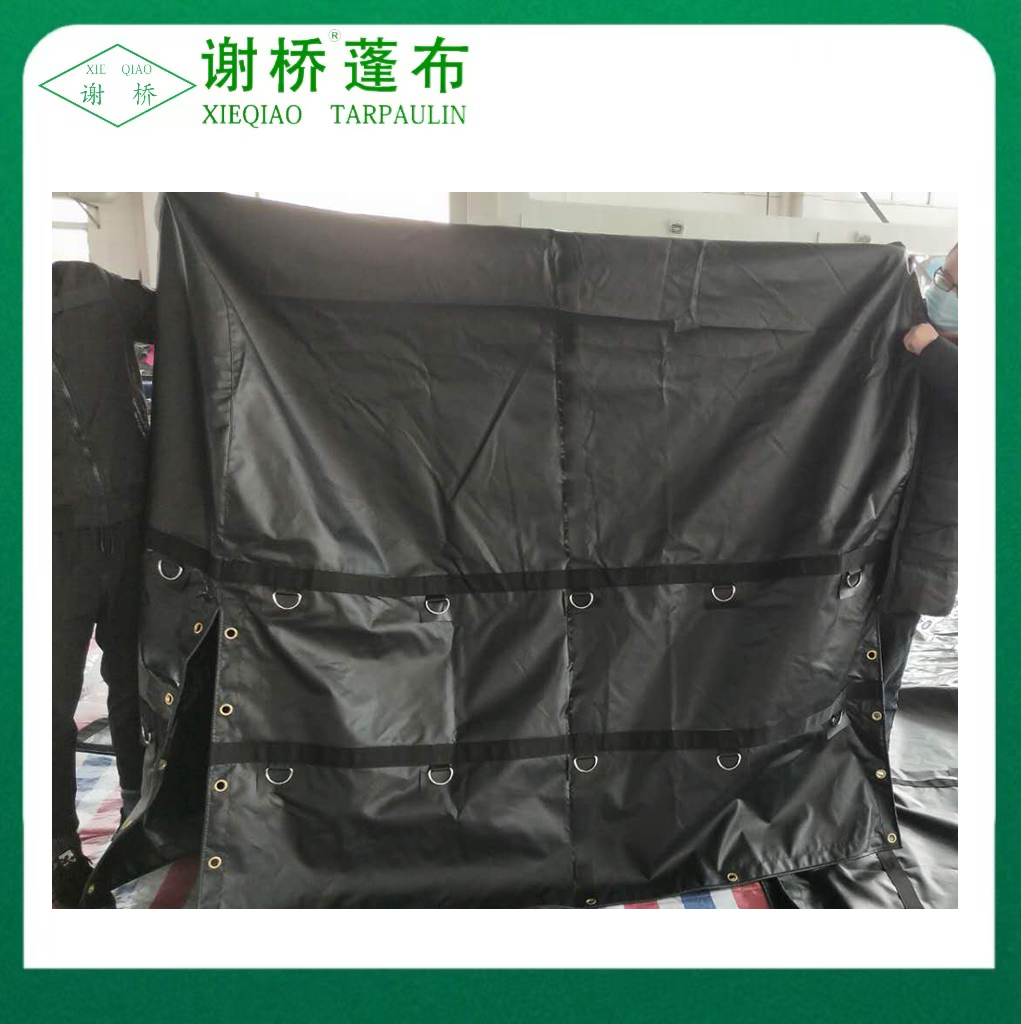
The highest-stress points on any hatchery tarp are the edge hems, grommet holes, and, in larger panels, the seams. A cover stretched across a 6-meter pond experiences repeated wind loading at these locations. Double-stitched hems, welded edge seams, and rust-proof grommets spaced no farther than 50 cm apart prevent a small tear from turning into a full-width failure. For larger installations, webbing straps sewn into the hem distribute the load across a wider area and reduce point stress.
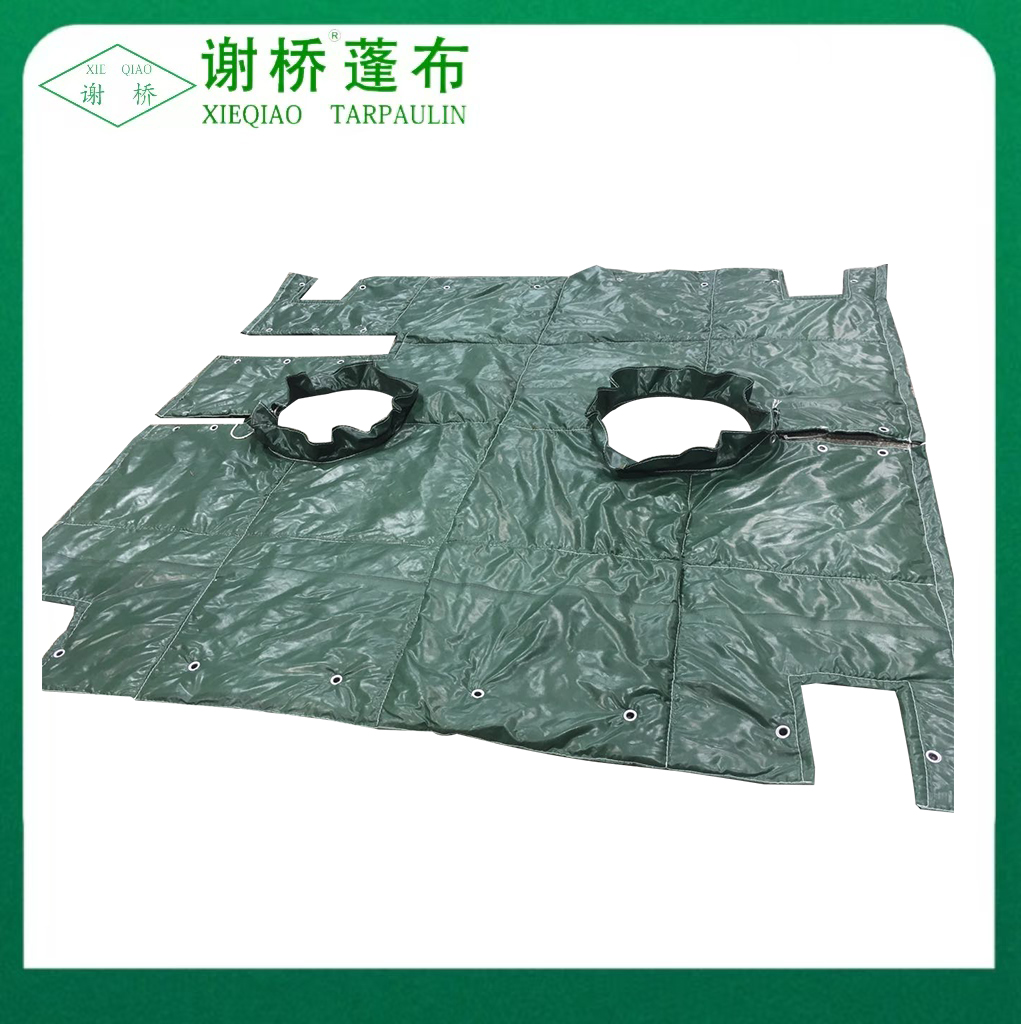
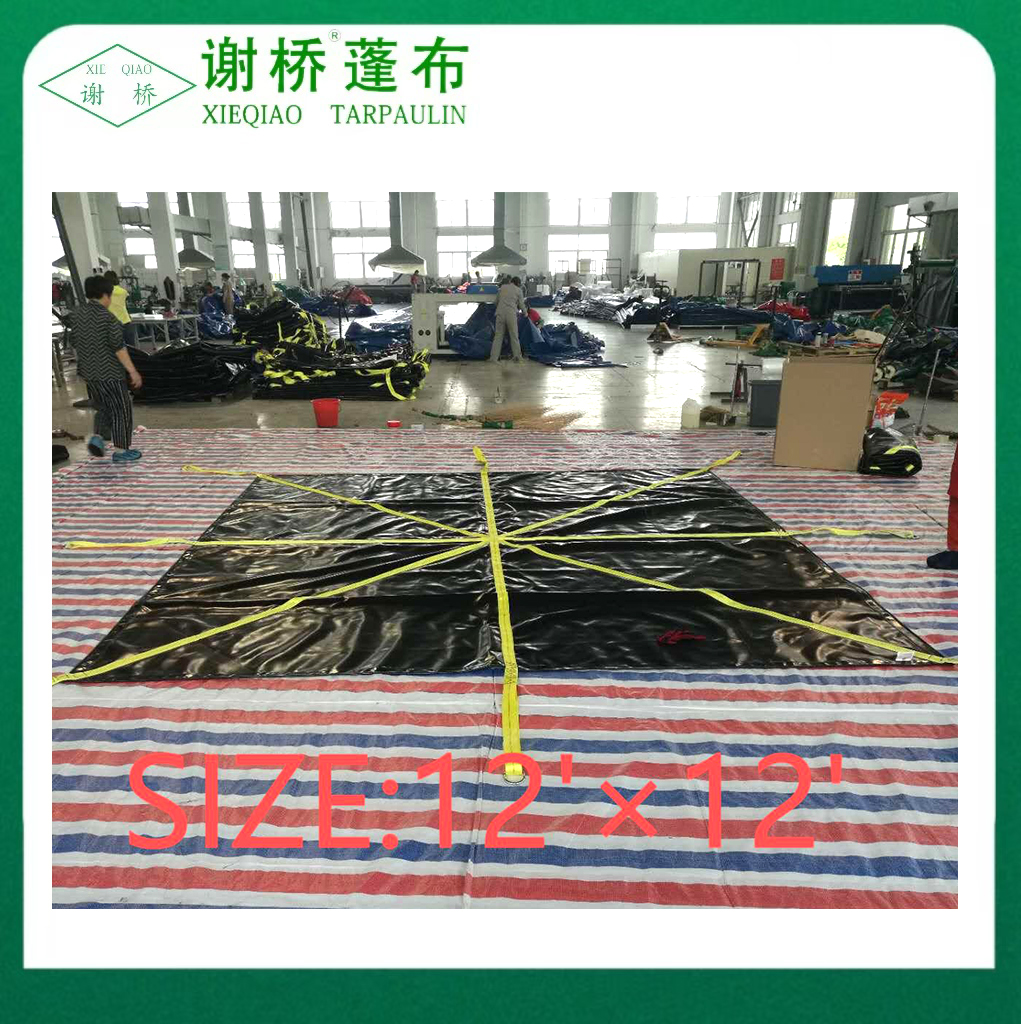
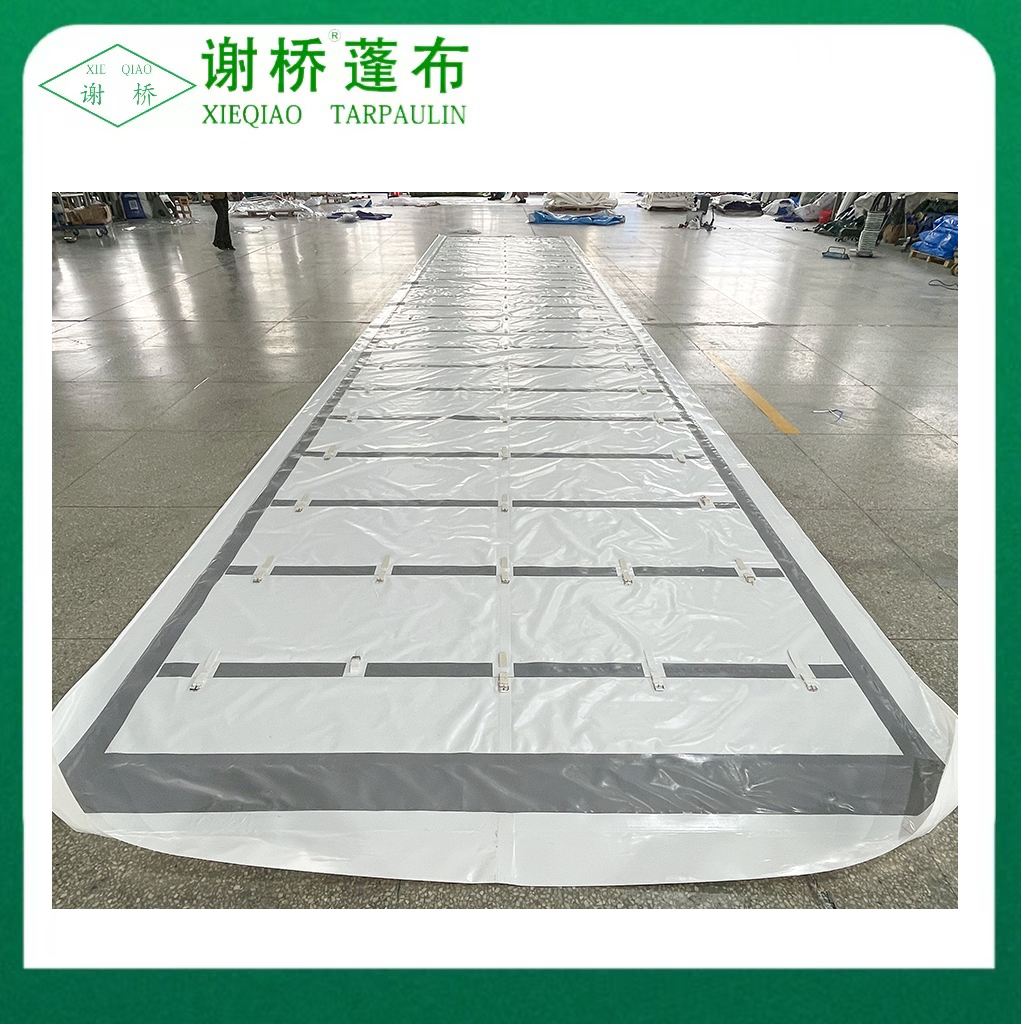
Rectangular stock sizes work well for standard raceways, but many hatchery ponds are irregular, curved, tapered, or wrapped around existing infrastructure. In those layouts, a custom-shape waterproof tarp cover eliminates the gaps, folds, and wind-catching edges that come with a generic sheet. A supplier who can cut, weld, and reinforce a tarp from your own drawing or pattern makes it possible to cover the full water surface with a precise fit, including cutouts for posts, aerators, and pipework.
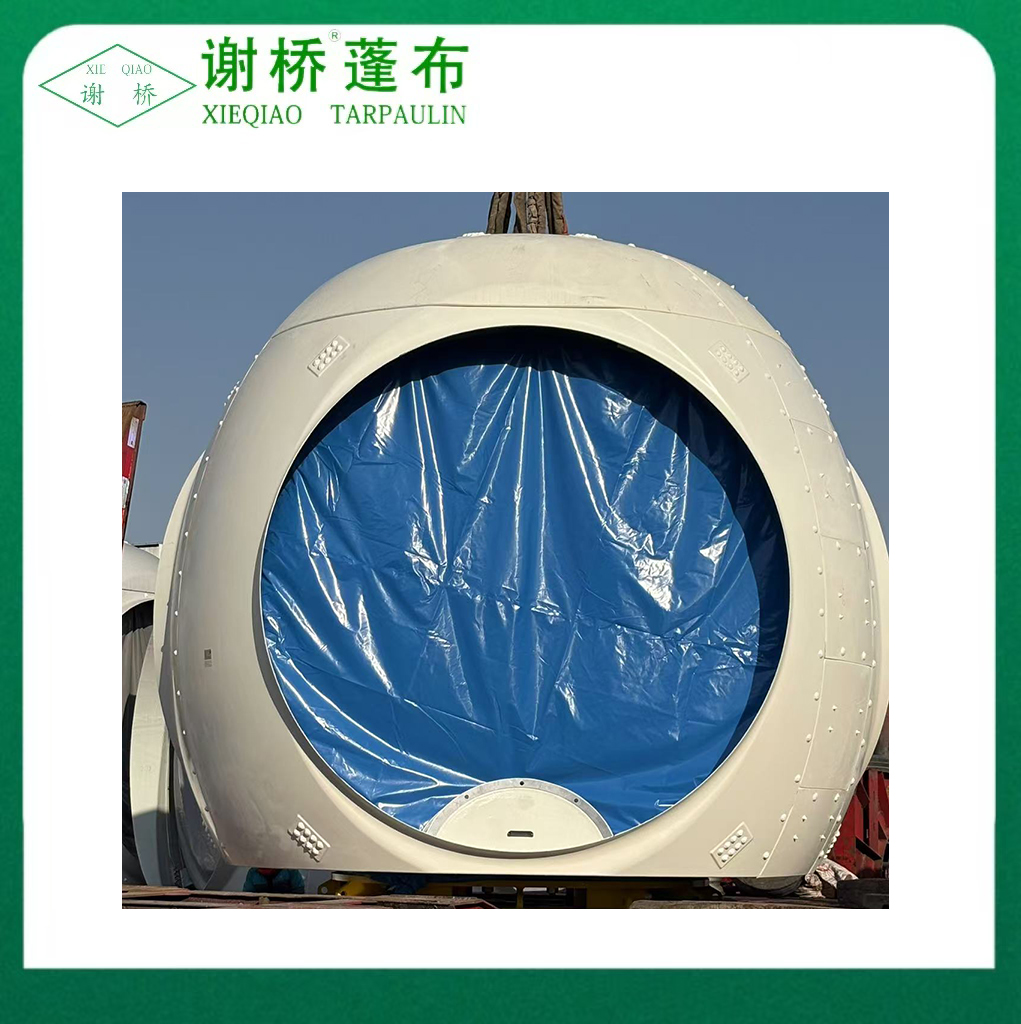 Waterproof Protection Custom Shape PVC Coated Vinyl Material Tarp cover SupplierXieQiao Tarpaulin - Waterproof Protection Custom Shape PVC Coated Vinyl Material Tarp cover Suppliers and Factory in China, Wholesale Wat...View Product →
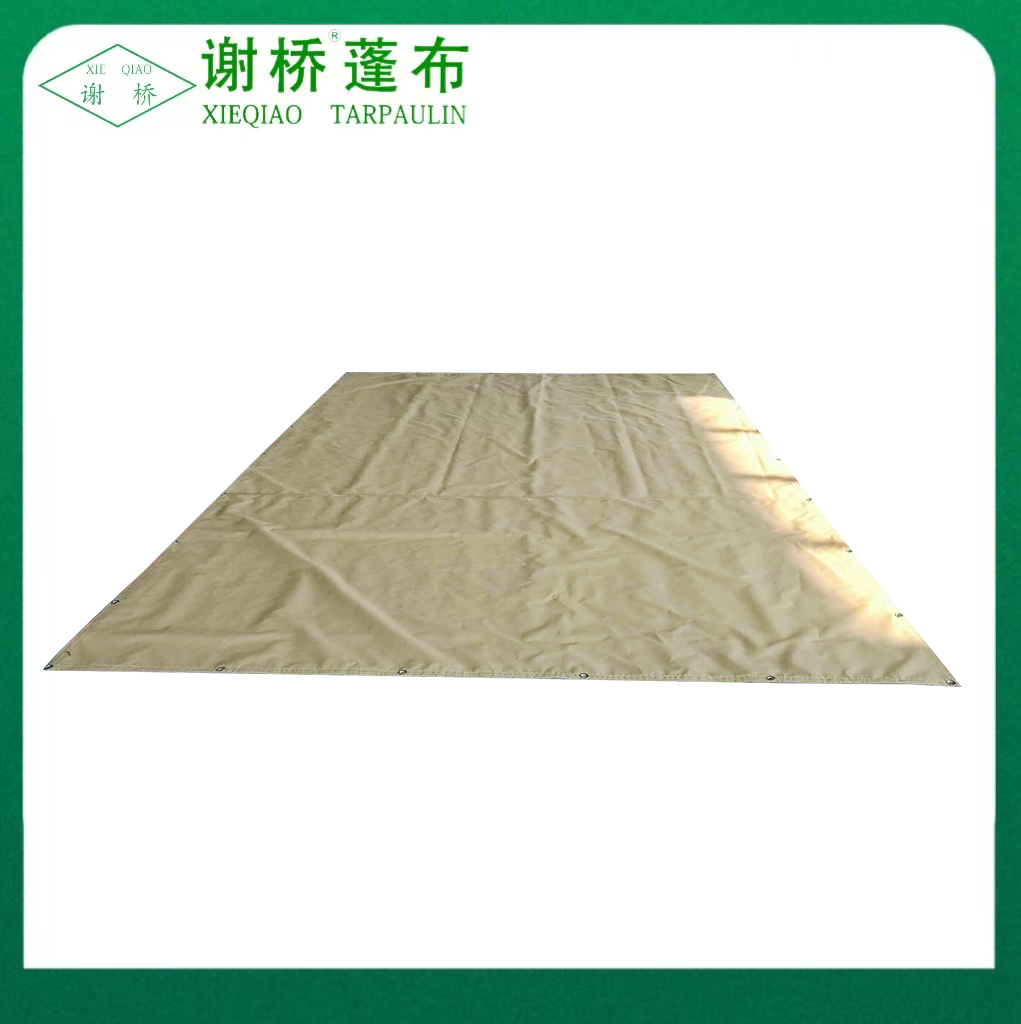
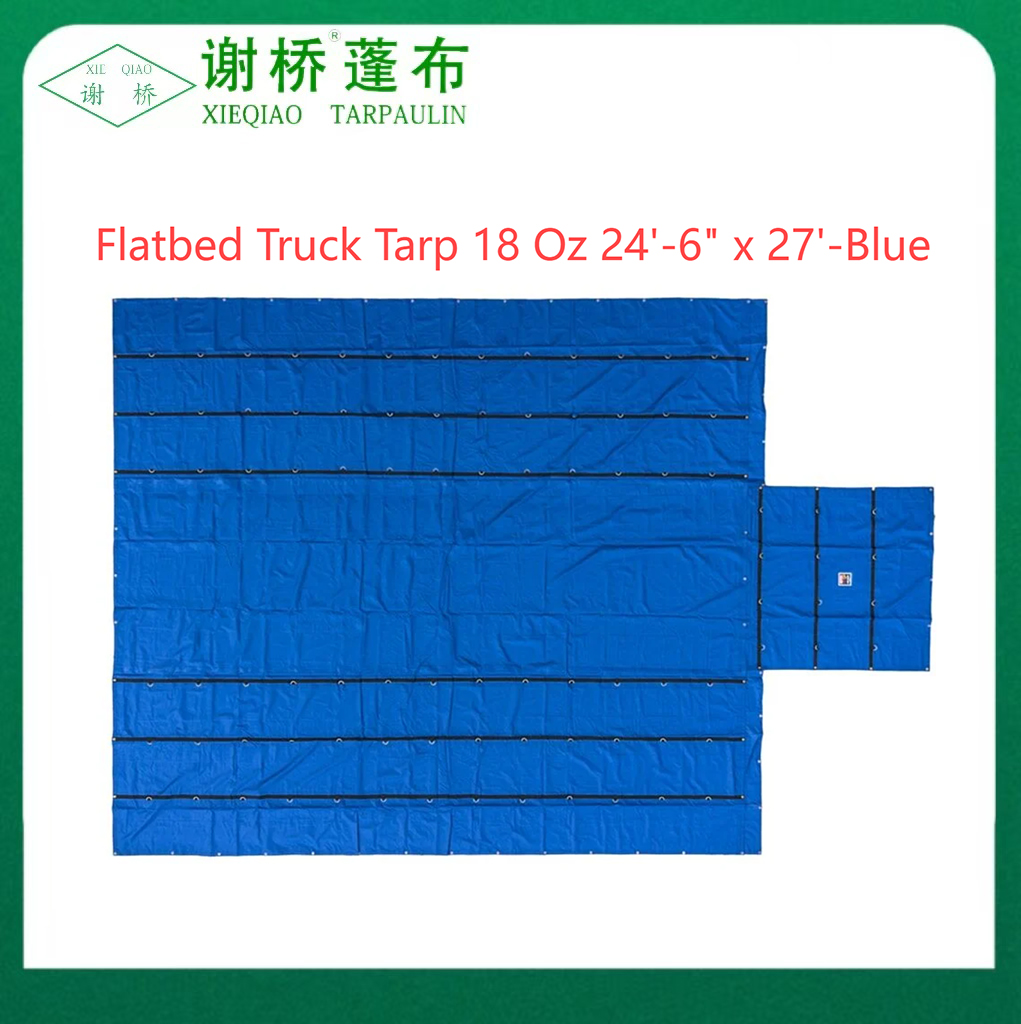
Before ordering a custom cover, measure the perimeter at anchor height, and specify an overhang of at least 30 cm on every side. For a pond larger than 10 meters across, request a panelized design: multiple fabric panels joined by welded or taped seams, so future damage can be repaired locally rather than requiring a full replacement. Where several ponds are identical, standard large-format covers often deliver better value, and a 20 x 20 ft yellow vinyl waterproof tarp with reinforced hems and metal grommets covers most medium nursery ponds. The high-visibility color also helps staff spot misalignment or debris accumulation from a distance.
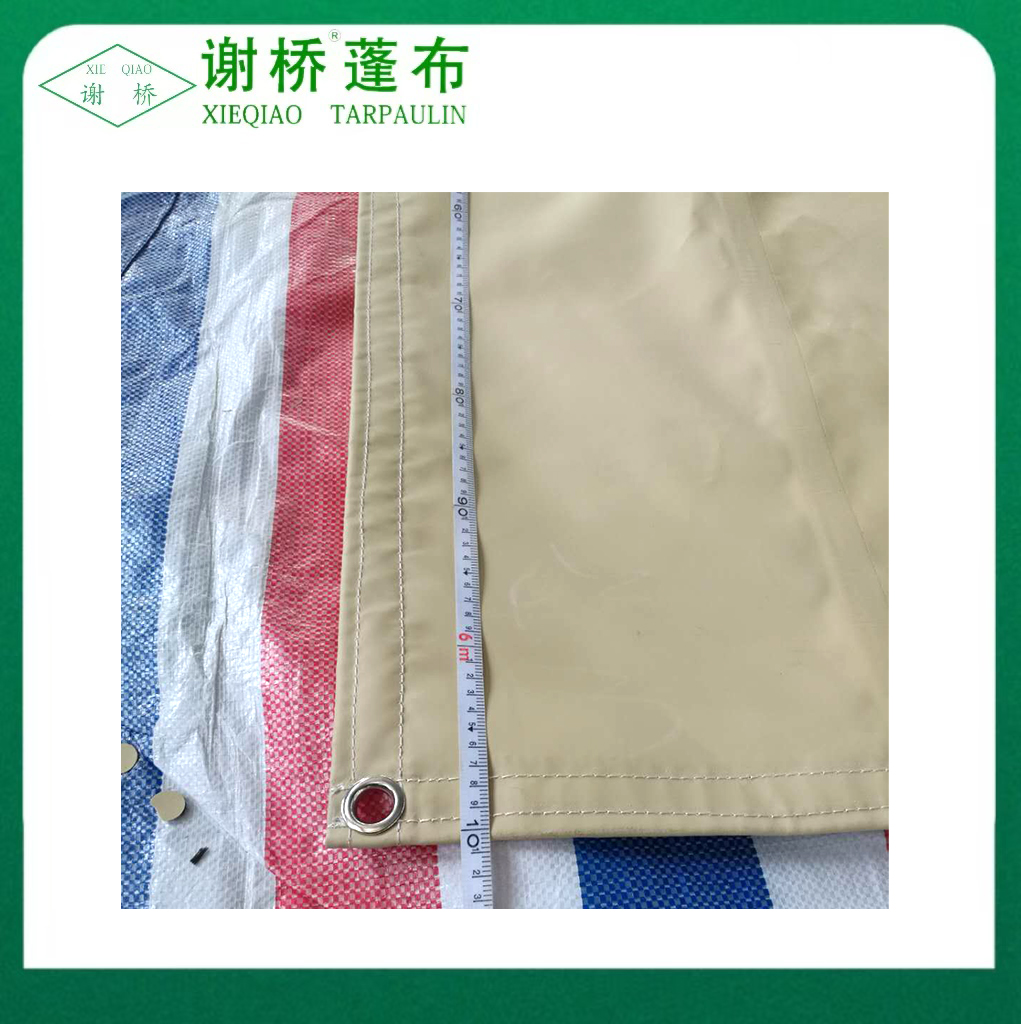 Yellow 18OZ Heavy Duty Vinyl Waterproof Tarpaulin 20"×20" Suppliers, Factory - YXieQiao Tarpaulin - Yellow 18OZ Heavy Duty Vinyl Waterproof Tarpaulin 20'×20' Suppliers and Factory in China, Wholesale Yellow 18OZ Heavy...View Product →
For a step-by-step approach to sizing, materials, and fastening, see our complete waterproof tarp selection guide.
Installation method determines how long a hatchery tarp lasts. A well-made cover can fail within months if it is anchored incorrectly. Follow these practices to maximize service life:
Tarps used over wintering tanks need special attention. In cold climates, choose a heavy coating and a cold-crack-resistant PVC formulation so the fabric remains flexible at sub-zero temperatures and does not shatter when handled.
For hatchery operators, a tarp is not a commodity. It is an environmental control component that stays in direct sun, handles wind, and sometimes touches water. When evaluating suppliers, ask questions that separate a real fabricator from a reseller:
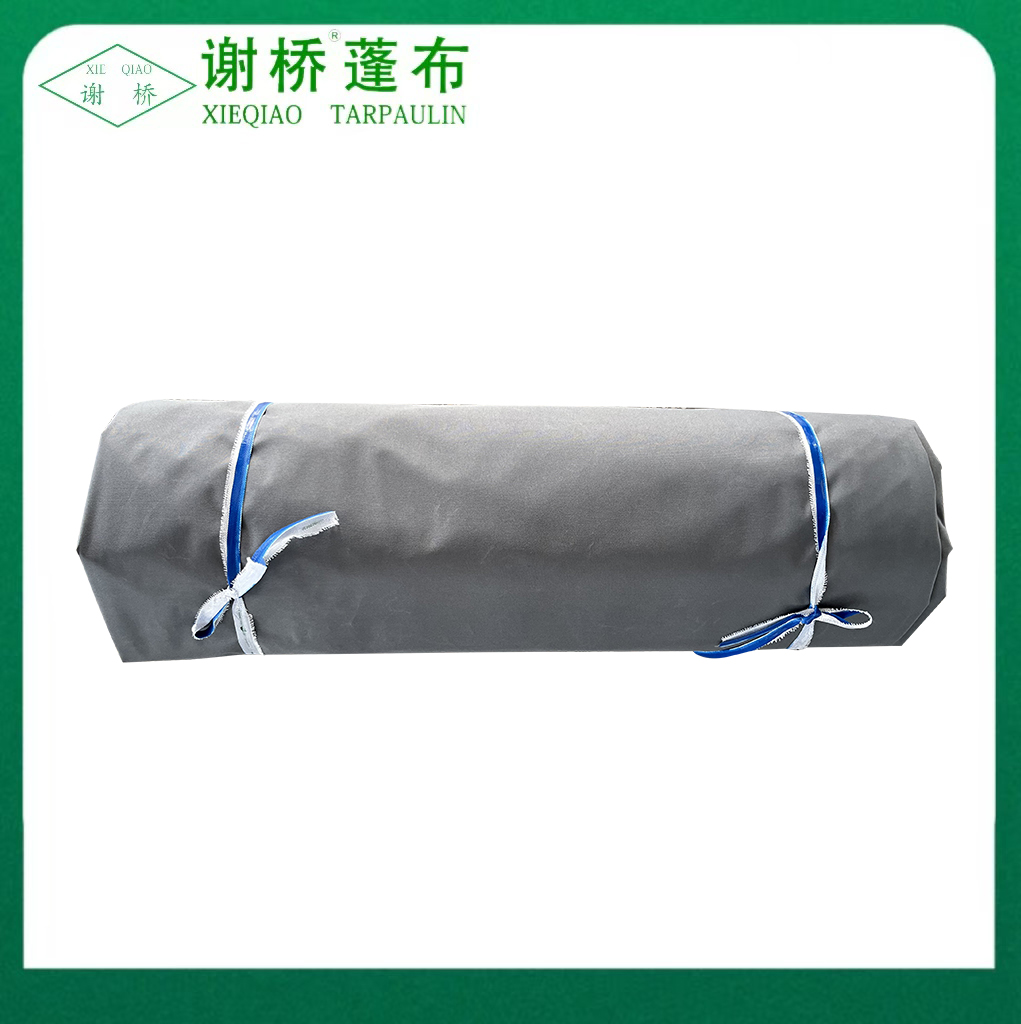
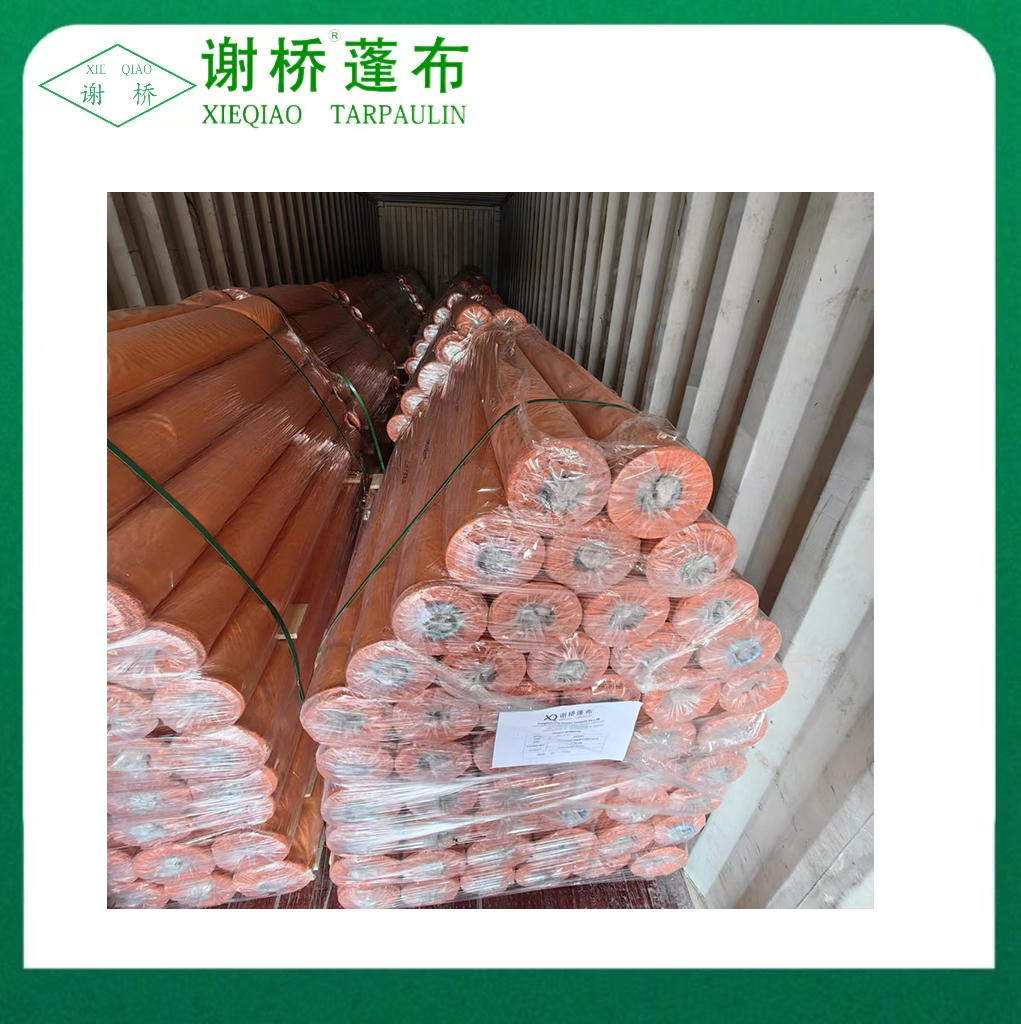
At our own manufacturing facility, we produce PVC and vinyl tarpaulins in coated weights from 350 g/m² up to 930 g/m², with UV-stabilized formulations and welded or double-stitched edge treatments. This range covers both seasonal covers and permanent hatchery installations.
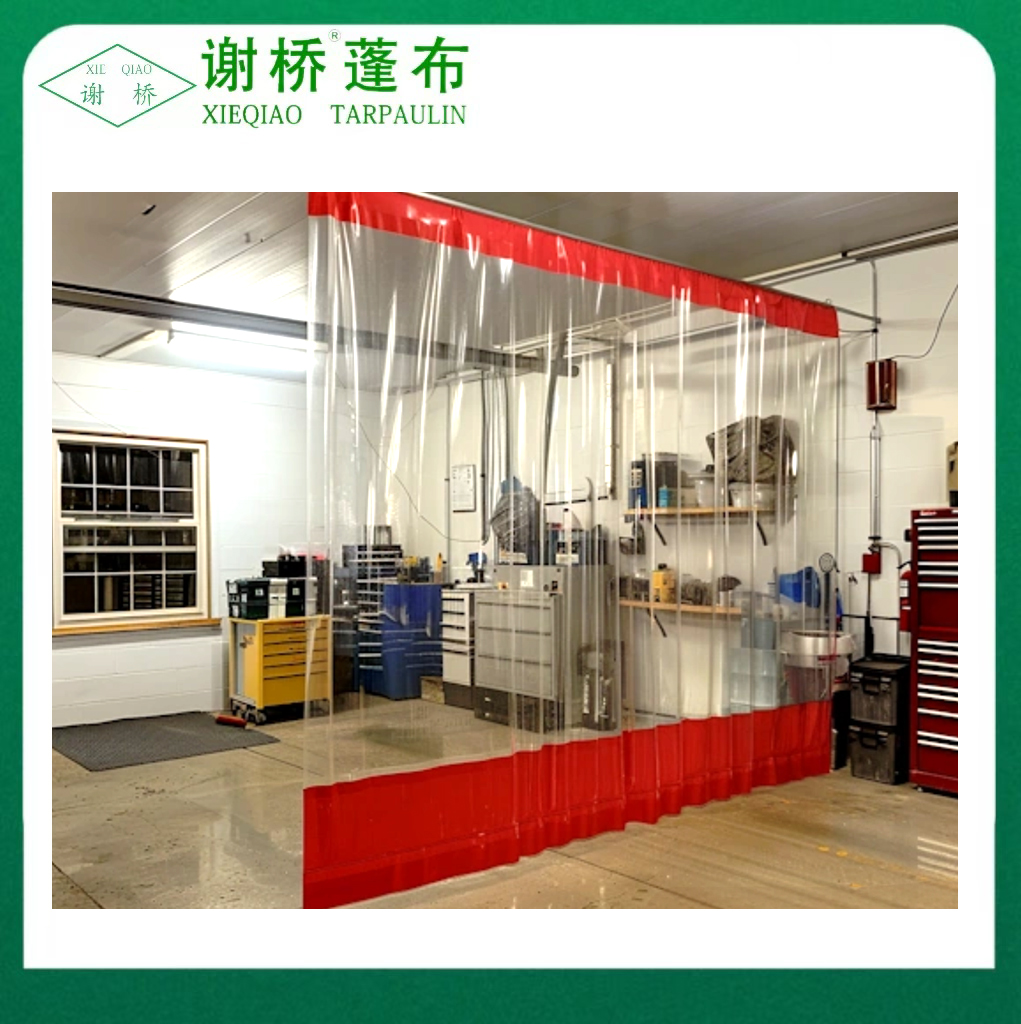
For year-round operations in temperate regions, a clear vinyl waterproof tarp over nursery tanks lets visible sunlight through, raising water temperature during cold spells and creating a low-cost greenhouse effect. It also allows staff to inspect tanks visually without removing the cover, reducing stress on the fish. You can find a broader explanation of how waterproofing is actually achieved in our article on what makes a tarpaulin truly waterproof and how to choose.
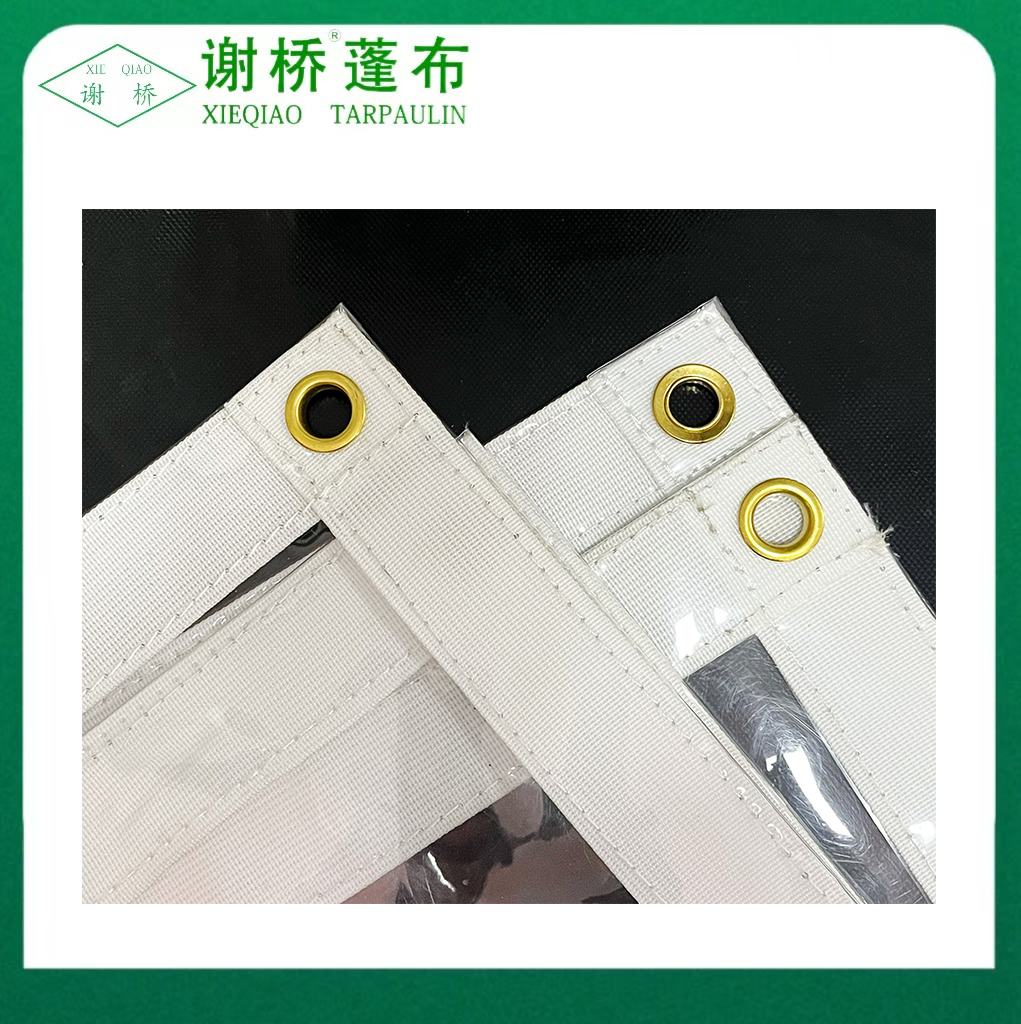 Clear UV resistant Vinyl Waterproof Tarpaulin Suppliers, Factory - Yangzhou CityXieQiao Tarpaulin - Clear UV resistant Vinyl Waterproof Tarpaulin Suppliers and Factory in China, Wholesale Clear UV resistant Vinyl Wate...View Product →
Fish hatchery tarps are not generic sheets. They are biological production tools that buffer temperature swings, control light, suppress algae, and block predators. A tarp made from a UV-stabilized material, reinforced at the edges, and sized precisely for the pond or tank will deliver years of service and measurable production benefits. The selection decision should begin with one question: what conditions will this cover face, and for how long? Answering that correctly, by matching material, construction, and pattern to the site, will reduce loss rates, lower heating and treatment costs, and protect the most valuable asset on the hatchery floor: the fish.
Recommended Products



 The Industrial Park of Wuqiao Town, Jiangdu District, Yangzhou City, Jiangsu Province, China.
  +86-15252561063
  +86-15252561063
  [email protected]